Hastelloy N Casting Route for High-Temperature Hardware RFQs
Hastelloy N casting RFQs should begin with the hardware environment and delivery boundary, not only the material name. Buyers usually consider Hastelloy N when a nickel alloy component needs high-temperature stability and corrosion resistance in a demanding service environment. The quotation still depends on geometry, wall section, casting route, machining allowance, heat treatment, inspection records, and whether the buyer needs a rough casting, machined blank, or finished inspected component.
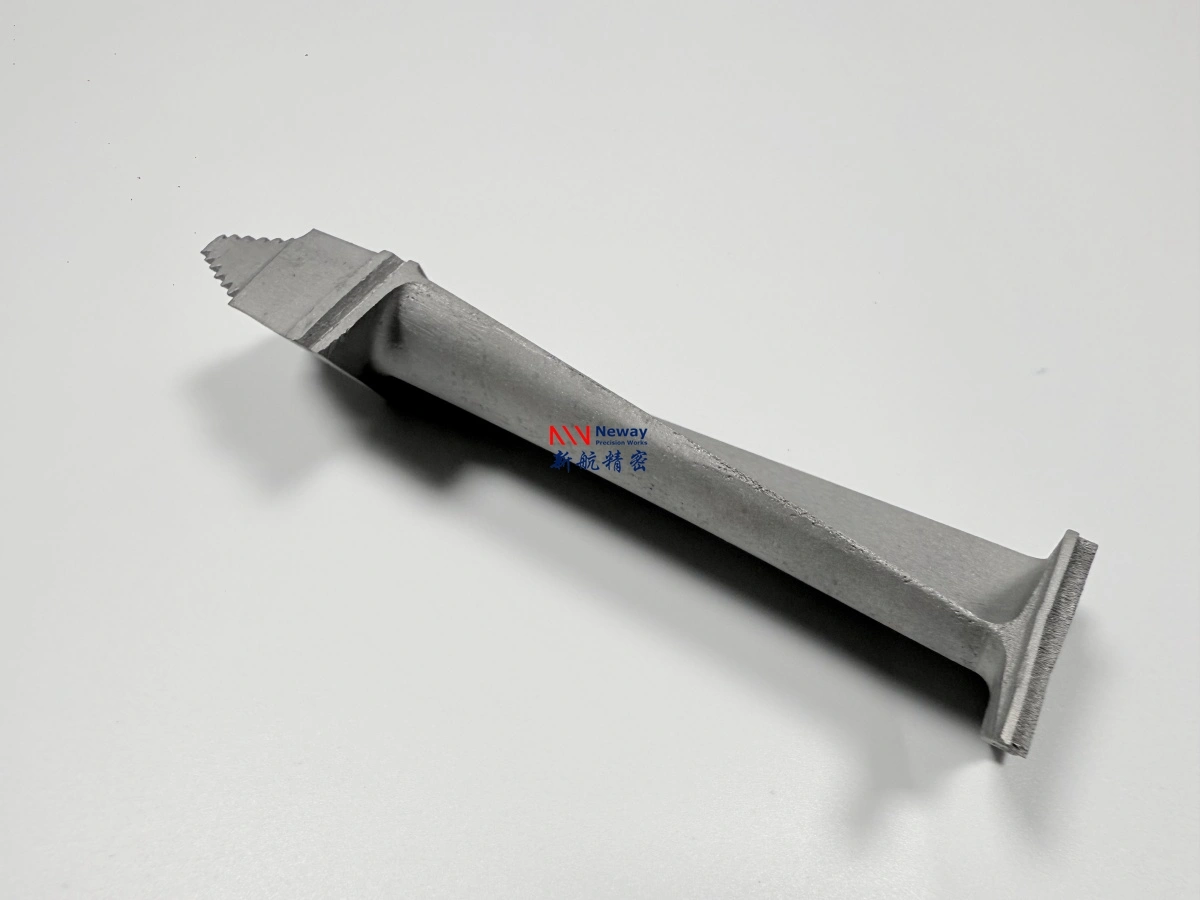
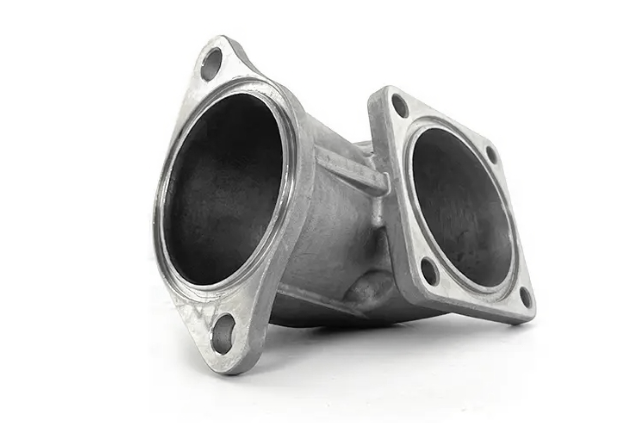
NewayAeroTech can review drawing-based Hastelloy alloy vacuum investment casting projects for high-temperature hardware when the buyer provides a drawing, 3D model, alloy requirement, quantity, operating environment notes, delivery condition, and inspection requirement. The route is suitable for custom high-temperature alloy parts, corrosion-exposed hardware, valve or fixture-style components, exhaust-related parts, and other industrial components where a cast nickel alloy shape makes sense. It is not a shortcut for undefined material approval or a finished application claim without engineering review.
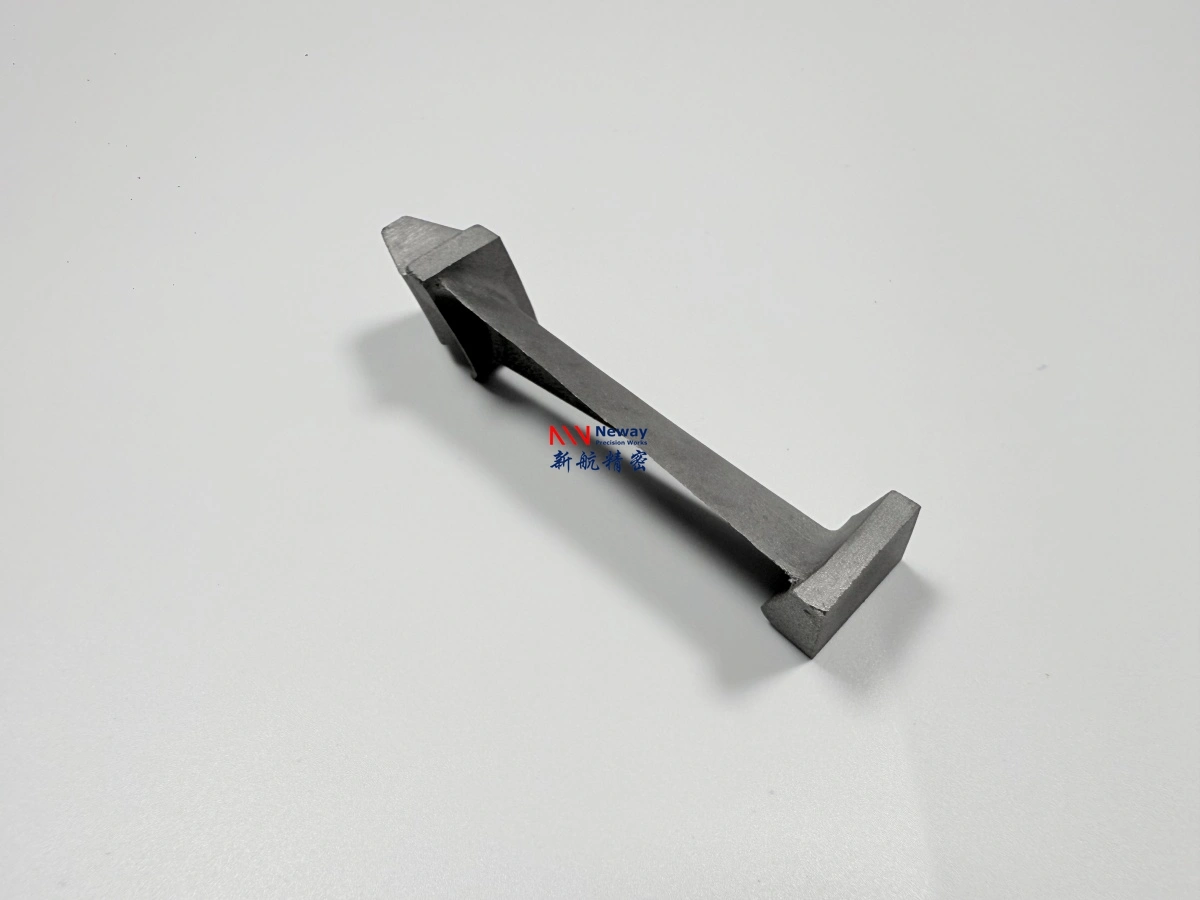
When Hastelloy N Belongs in a Casting RFQ
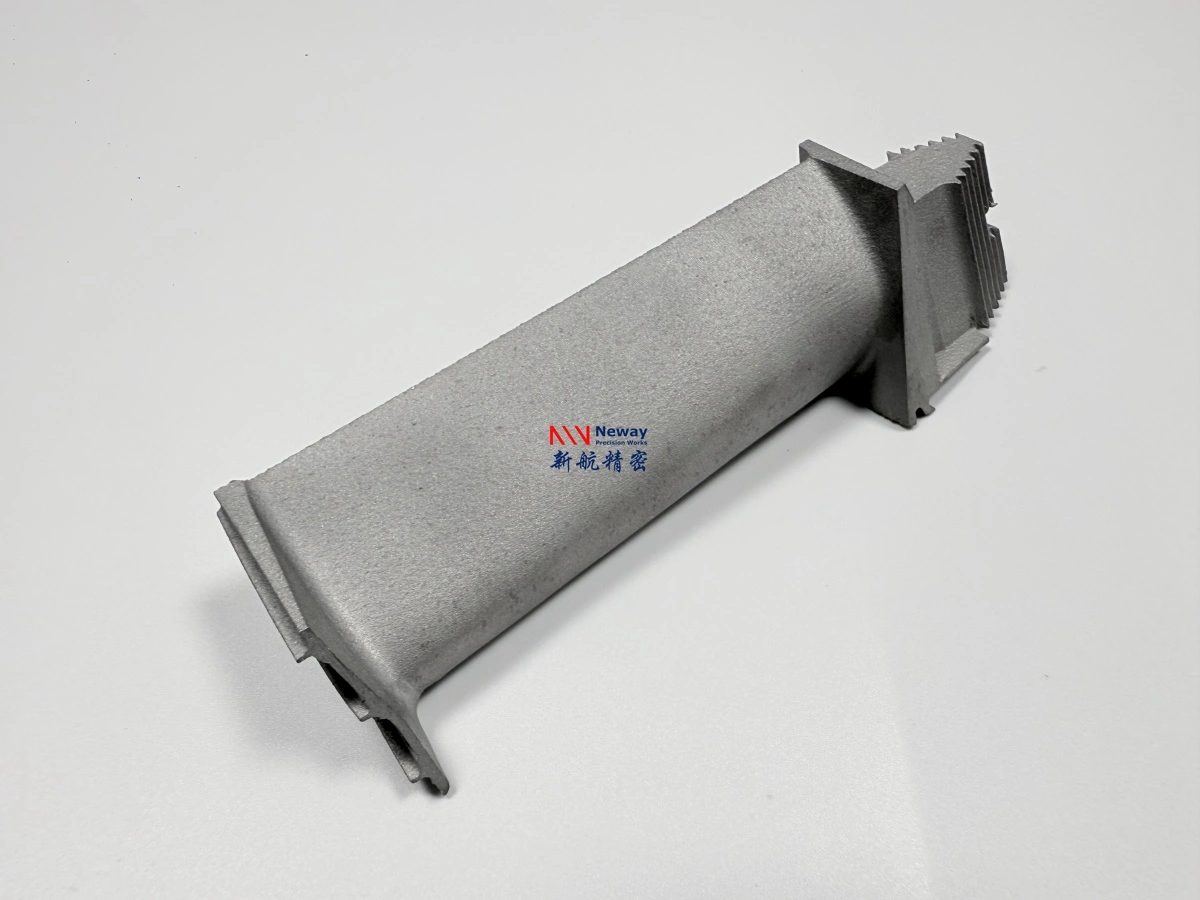
For this RFQ, buyers should first state why Hastelloy N is being requested. A material name alone does not tell the supplier whether the decision is driven by temperature exposure, corrosion resistance, compatibility with adjacent hardware, historical use, or a customer specification. If the alloy is fixed by the buyer's drawing, the quotation should follow that requirement. If the material is still under review, NewayAeroTech can discuss manufacturing implications, but final selection should remain tied to the buyer's design authority and acceptance basis.
Hastelloy N can be considered for cast hardware where nickel alloy corrosion resistance and high-temperature behavior are part of the purchasing decision. The buyer should explain the medium, temperature range if known, thermal cycling concern, mating parts, sealing surfaces, and whether the component will be welded, machined, coated, or assembled after casting. Without that context, a supplier may quote a casting shape but miss the reason the alloy was specified.
RFQ driver | Buyer should provide | Supplier review should answer |
|---|---|---|
Material fixed by drawing | Hastelloy N grade requirement, drawing revision, and acceptance document. | Whether casting, heat treatment, machining, and inspection scope are clear. |
Material under comparison | Candidate alloys, environment notes, component duty, and design constraints. | Whether Hastelloy N is manufacturable for the geometry and route requested. |
Legacy component replacement | Drawing, sample condition, known material history, and surfaces affected by wear. | Which dimensions and chemistry assumptions need confirmation before quotation. |
High-temperature corrosion hardware | Exposure condition, fluid or gas contact, sealing surfaces, and inspection requirement. | How alloy, casting quality, machining, and material testing connect to release. |
Component Shapes That Affect Hastelloy N Route Choice
Component geometry decides whether vacuum investment casting is a useful route. A simple thick plate or bar-like item may be better machined from wrought stock. A compact body with ribs, bosses, flanges, internal pockets, curved passages, or a near-net corrosion-exposed shape may fit casting more naturally. The buyer should send the final drawing and identify which surfaces are functional, because a casting quote can change sharply when seal faces, bores, threaded regions, and datum pads require machining.
Wall section is another early issue. Very thin regions, heavy-to-thin transitions, sharp corners, and deep pockets can influence filling, shrinkage risk, distortion, and inspection method. If the buyer needs the same component delivered as a machined casting, NewayAeroTech needs to review stock allowance and datum strategy before the casting route is accepted. A rough casting may be quoted faster, but it can create later problems if the buyer assumed finished surfaces were included.
Component shape | Casting route concern | RFQ note to include |
|---|---|---|
Valve or flow-control body | Internal passage, sealing face, and pressure-boundary surfaces may need extra review. | Mark bores, seats, seal faces, wall thickness, and inspection requirement. |
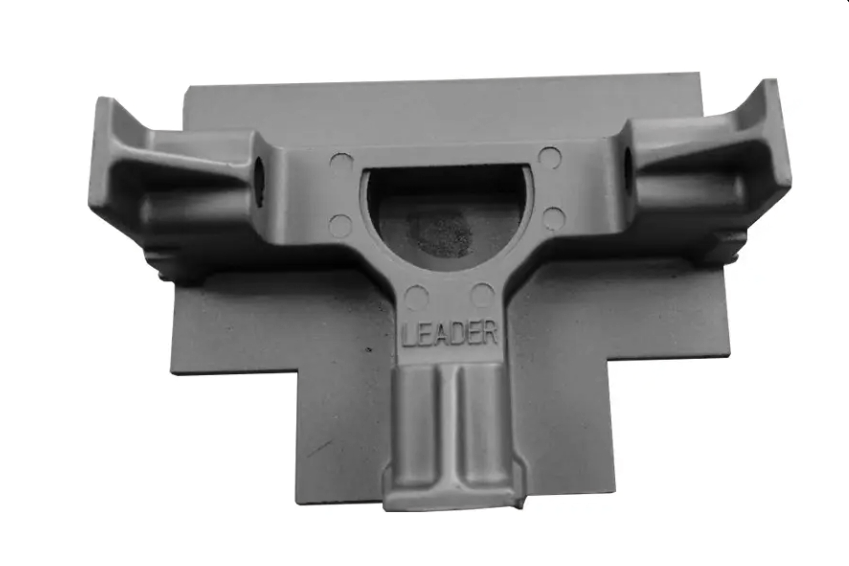
High-temperature fixture or bracket | Ribs, bosses, and mounting pads can create local shrinkage or machining stock issues. | Define datum surfaces, load areas, and final machining responsibility. |
Exhaust or thermal hardware | Heat-exposed surfaces and thin walls can affect distortion and inspection planning. | Provide temperature notes, oxidation exposure, and surface finish expectations. |
Custom corrosion-exposed component | Material evidence and surface integrity may be more important than cosmetic finish. | State medium contact, cleaning needs, chemical verification, and acceptance records. |
Casting, Heat Treatment, and Machining Scope to Define
The quotation should separate casting scope from post-process scope. If the buyer requests only a Hastelloy N casting blank, the supplier needs the target envelope, minimum cleanup stock, and basic inspection requirement. If the buyer requests a machined casting, the RFQ should define final surfaces, tolerances, datum scheme, surface finish, and CMM reporting. If heat treatment is required, the buyer should provide the required condition or ask for route review before treating it as a fixed line item.
For Hastelloy N hardware, the process plan may include wax pattern and shell review, vacuum investment casting, cleaning, heat treatment when specified, rough or finish machining, surface inspection, dimensional inspection, and material testing. The order of these steps matters. Heat treatment before machining can change stock planning; machining before some inspections may remove evidence from the casting surface; final inspection must match the delivery condition.
The buyer should not bundle every possible operation into one vague request. A stronger RFQ states which stages NewayAeroTech is responsible for and which stages remain outside scope. That helps the supplier price the route, identify missing information, and avoid late disputes over whether a casting blank or finished component was ordered.
Scope item | Buyer decision | Supplier responsibility if included |
|---|---|---|
Vacuum investment casting | Rough casting or near-net blank, quantity, material grade, and lot boundary. | Route review, casting production, basic cleanup, and agreed casting inspection. |
Heat treatment | Required condition, specification, and record requirement. | Process planning, heat-treatment record, and post-treatment inspection hold point. |
CNC machining | Final surfaces, tolerances, datum plan, and report needs. | Fixture plan, machining sequence, CMM reporting, and final dimensional review. |
Material testing | Chemistry, hardness, metallography, or other evidence required by the buyer. | Testing coordination and records connected to the supplied acceptance basis. |
Inspection Evidence for High-Temperature Hastelloy Hardware
Inspection should follow the risk of the component. A corrosion-exposed flow part may need chemical verification and surface integrity evidence. A machined body may need CMM reports for bores, seal faces, flanges, and datum surfaces. A heat-exposed thin-wall component may need visual inspection, FPI, X-ray or CT when specified, and dimensional checks before release. A sample-based project may need material confirmation before the casting route is accepted.
NewayAeroTech can support material testing and analysis as part of a custom Hastelloy casting package, depending on the drawing and specification. Buyers should state whether the report must show actual measured values, comparison with supplied limits, or a manufacturing release record. If heat treatment is part of the route, ask which inspection occurs before and after treatment. If machining is included, ask whether final dimensional reports are part of delivery.
A useful inspection package does not need to be excessive. It needs to answer the buyer's acceptance question. Chemical verification supports material identity; FPI supports surface indication review; X-ray or CT can support internal defect evaluation when specified; CMM confirms machined or cast dimensions; metallography may be requested for microstructure review. The supplier response should connect each test to the component rather than listing inspection acronyms.
Supplier Fit and RFQ Data for Hastelloy N Castings
A qualified Hastelloy N casting supplier should be able to review material requirement, geometry, casting feasibility, post-process responsibility, and inspection evidence before giving a firm quote. NewayAeroTech is suitable for custom drawing-based high-temperature alloy castings where the buyer needs vacuum casting, heat treatment review, machining support, and material records for industrial hardware. The project is less suitable when the buyer only has a damaged sample with no usable drawing, wants a standard inventory item, or expects the supplier to approve an application without provided specifications.
Buyers should prepare an RFQ package that includes the drawing, 3D model, alloy grade, quantity, target delivery condition, environment notes, wall thickness concerns, machined surfaces, heat treatment requirement, inspection standard, and sample or photo evidence if available. If an existing part is being reviewed, mark surfaces that are worn, corroded, distorted, coated, or previously repaired. Those areas should not be treated as final design geometry without confirmation.
RFQ data | What to send | Quote decision it supports |
|---|---|---|
Material requirement | Hastelloy N grade, standard or drawing note, and whether substitution is allowed. | Material sourcing, chemistry evidence, and heat-treatment review. |
Geometry package | 2D drawing, 3D model, wall thickness, functional surfaces, and datum scheme. | Casting feasibility, tooling route, machining allowance, and CMM scope. |
Environment notes | High-temperature exposure, corrosion medium, thermal cycling, and mating hardware. | Material fit review and inspection emphasis. |
Delivery condition | Rough casting, machined blank, or finished inspected component. | Supplier responsibility, cost structure, and release record level. |
Send the Hastelloy N material requirement, drawing, model, quantity, environment notes, machined surfaces, heat treatment needs, and inspection records required for release. NewayAeroTech can review whether vacuum investment casting with post-process and testing support fits the high-temperature hardware RFQ.
Related FAQs
What materials are commonly used for exhaust system components?
How do manufacturing processes affect the performance of gas turbine components?
How does vacuum investment casting enhance component performance?
What quality control tests are essential for gas turbine assemblies?
What types of superalloys benefit the most from heat treatment?
What are the common challenges in heat treating complex superalloy components?
What is chemical verification and why is it essential in superalloy manufacturing?