Rocket Engine Modules: Specialty Metal Fabrication Services for Space Exploration
Buyers asking for custom rocket engine module hardware should separate the RFQ into manufacturable parts, material condition, process route, and inspection evidence before requesting a quotation. A combustion-chamber liner, nozzle-adjacent ring, manifold body, turbine-side support, or heat-shield bracket may all sit inside the same engine module, but they do not carry the same casting, machining, joining, or verification scope. NewayAeroTech can review civil and commercial space-exploration component drawings, 3D models, sample parts, alloy requirements, and inspection standards to propose a manufacturing route for high-temperature alloy modules and related hot-section hardware.
The useful starting point is not a general component name. It is the boundary of supply. Buyers should state whether the RFQ covers a near-net casting, a machined blank, a finished component, a welded subassembly, or a prototype part for fit and process evaluation. That boundary decides which supplier responsibilities belong in the quotation: pattern or tooling review, vacuum casting, heat treatment, HIP, CNC machining, EDM access, coating preparation, dimensional reporting, material test records, and non-destructive inspection.
Define the Module Boundary Before Asking for Price
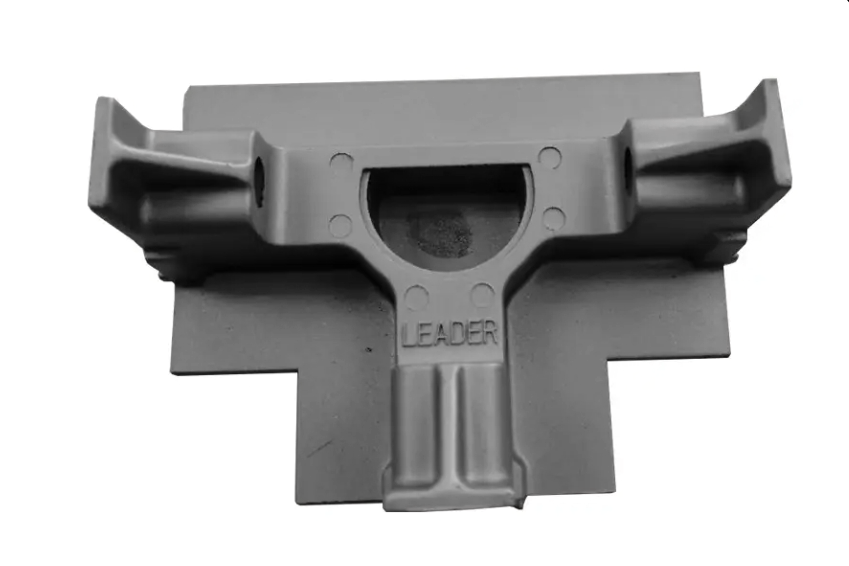
A rocket engine module RFQ often contains several parts that should not be quoted as one generic metal component. A chamber-related casting may need thin-wall control, flange stock, post-cast machining allowance, and pressure-side inspection. A nozzle extension support may require heat-resistant sheet or formed alloy details. A manifold body may be mostly CNC-machined but still require high-temperature alloy sourcing and verification. If the buyer sends only the assembly name, suppliers must guess the manufacturing split, and that usually creates an unstable price.
For this RFQ, buyers should first mark which surfaces are final, which surfaces are machining stock, which interfaces are reference datums, and which features are inspection-critical. If a used sample is supplied, the sample should be treated as a reference for geometry and assembly logic, not as final design authority. Wear, oxidation, test marks, or reworked edges can distort the reverse-engineering baseline. A clean quotation requires drawings or models that identify tolerances, material grade, heat treatment state, and acceptance evidence for each part.
RFQ boundary | What the buyer should define | Why it changes the manufacturing quote |
Cast blank | Net-shape target, riser/feed location limits, machining stock, defect limits | Tooling, wax pattern, shell, melt route, X-ray or CT scope, and post-cast finishing must be priced. |
Machined component | Forged, cast, bar, or additive blank source; datum scheme; surface finish; difficult bores | CNC, EDM, deep-hole drilling, workholding, and inspection time drive cost more than material weight alone. |
Prototype article | Purpose of the prototype: fit check, flow-path mockup, thermal test, or process trial | Prototype route may use additive or simplified tooling, while later production may require casting or forging conversion. |
Finished module part | Coating preparation, threaded interfaces, seal faces, serial marking, and final report package | Supplier responsibility extends beyond shape into records, acceptance, packaging, and revision control. |
Material Selection Must Match Heat, Geometry, and Verification Scope
Nickel-based and cobalt-based superalloys are common choices for high-temperature engine-adjacent hardware, but the material cannot be selected from temperature language alone. Inconel 718 may be selected for structural strength and machining familiarity in suitable applications. Inconel 625 and Hastelloy X may be considered where oxidation, hot-gas exposure, weldability, or fabrication behavior is central to the design. Haynes 188, Rene alloys, and other high-temperature grades may enter the discussion when the drawing, test condition, or customer specification requires them. NewayAeroTech can support casting superalloys for high-temperature alloy parts when geometry, alloy, and inspection requirements fit the route.
The supplier cannot quote a stable route until the material condition is clear. A material name alone does not define melt practice, heat treatment, surface condition, allowable repair, or inspection records. If the RFQ specifies an alloy family but not a grade, NewayAeroTech can review the operating environment and part function, then suggest candidate grades for customer engineering approval. Final material approval should remain with the buyer or design authority, especially for flight-related or test-critical hardware.
Material question | Buyer input needed | Supplier review point |
Alloy grade | Exact grade, customer material specification, or approved equivalent rule | Checks whether the alloy is better suited to casting, machining, forging, additive manufacturing, or fabricated assembly. |
Heat exposure | Hot-gas contact, radiant heat, cycling, oxidation, or fixture-use condition | Guides whether oxidation resistance, creep strength, weldability, or coating readiness should dominate review. |
Geometry sensitivity | Thin wall, internal passage, flange, boss, seal face, threaded hole, or deep bore | Connects alloy choice to casting fill, machining allowance, EDM access, and distortion risk. |
Evidence package | Chemical analysis, heat lot traceability, hardness, metallography, NDT, CMM report | Prevents a low quote that excludes records needed for buyer acceptance. |
Choose the Manufacturing Route Around the Hardest Feature
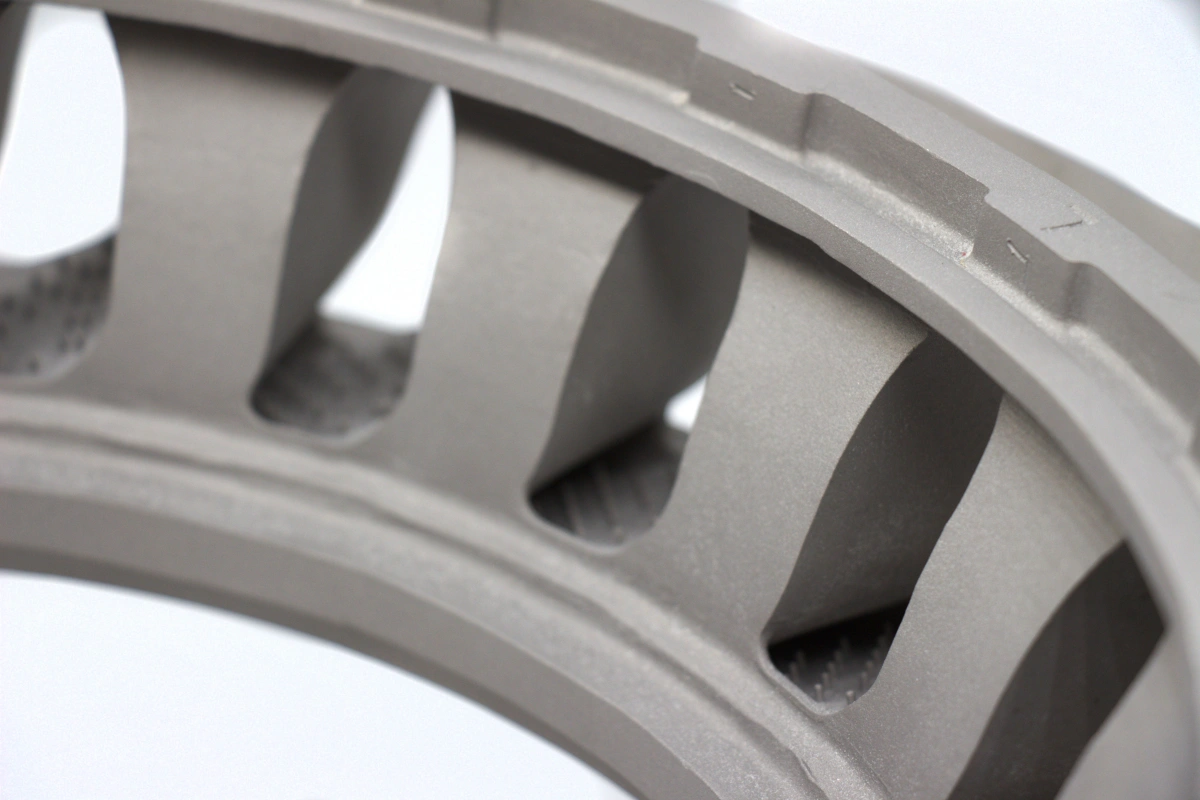
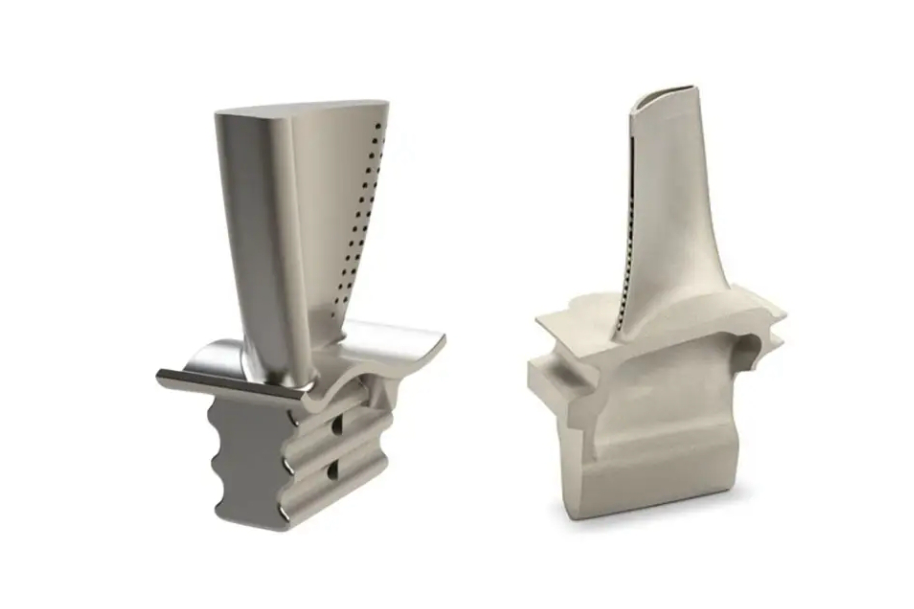
Route selection should start with the feature that is hardest to manufacture repeatedly. If the part has an internal passage, thin wall, integrated flange, or complex curved surface, vacuum investment casting may reduce machining waste and keep superalloy geometry closer to final shape. If the module part is mainly prismatic with drilled ports, sealing faces, and threaded connections, a wrought or forged blank followed by superalloy CNC machining may provide a cleaner path. If the buyer needs an early fit-check component, superalloy 3D printing can be reviewed as a prototype or development route, subject to geometry, material, and acceptance limits.
The wrong route usually becomes visible at the interfaces. A cast part may still need machined datums, bolt circles, seal lands, grooves, or mating faces. A machined part may still need heat treatment, stress relief, or surface conditioning. A printed prototype may support assembly learning but may not be the same route used for later batch production. Buyers should ask suppliers to explain the route conversion risk when moving from prototype to repeat manufacturing.
Hard feature | Likely route to review | Quotation note |
Curved hot-gas surface with changing wall thickness | Vacuum investment casting plus machining allowance | Confirm radiographic or CT expectations and allowable local wall variation. |
Seal face, flange, and bolt pattern that control assembly fit | CNC machining from cast, forged, or wrought blank | Define datum order, final machining stock, surface finish, and CMM reporting. |
Cooling slot, small access feature, or hard-to-tool pocket | EDM or secondary machining after primary route | Separate feature creation from blank manufacturing so cost is visible. |
Development prototype for fit or routing review | Superalloy additive manufacturing or simplified blank machining | State whether the prototype is for form-fit only or for process/thermal testing. |
Post-Process Responsibility Should Be Priced as Part of the Route
High-temperature module components are rarely finished when the primary shape is complete. Depending on the drawing, the route may need heat treatment, HIP, surface grinding, EDM finishing, weld preparation, coating preparation, cleaning, marking, and final dimensional inspection. NewayAeroTech can support superalloy post-process planning and HIP treatment when the alloy, casting risk, and inspection requirement justify those steps.
Buyers should not treat post-processing as a later purchasing detail. HIP may change the acceptance route for cast porosity control. Heat treatment may affect distortion and final machining sequence. Coating preparation may require surface roughness control and masking notes. Welded or assembled parts may need local fit-up tolerances and weld-access planning. If these steps are omitted from the RFQ, suppliers may quote the cheapest visible shape and exclude the work that actually makes the part acceptable.
Inspection Evidence Separates a Development Part from an Acceptable Supply Item
A buyer may use one part as a fit-check article, another as a test article, and another as a production-intent supply item. Each level needs a different evidence package. A prototype may need only visual inspection and basic dimensions. A casting development article may need X-ray, CT, FPI, cut-up review, or metallography to confirm the process route. A finished high-temperature alloy component may need CMM reporting, chemical analysis, heat treatment records, hardness checks, and surface inspection against the buyer’s drawing.
NewayAeroTech can support superalloy material testing and analysis as part of custom component supply. The inspection plan should be written before manufacturing starts, not after a defect is found. The buyer should identify critical surfaces, allowable indications, sampling level, drawing revision, report format, and whether the same inspection evidence is required for the first article and later batch lots.
Inspection evidence | Best used for | RFQ detail to provide |
Visual and dimensional inspection | Prototype fit checks and simple machined interfaces | Drawing revision, datum scheme, key dimensions, surface finish notes. |
FPI or DPI | Surface-connected cracks, laps, or casting/processing indications | Acceptance class or buyer-defined indication limits when applicable. |
X-ray or CT | Internal casting soundness, thin-wall areas, and hidden geometry | Regions of interest, defect acceptance limits, and reporting format. |
CMM report | Seal faces, bolt patterns, datum features, and assembly interfaces | Critical-to-fit dimensions, coordinate system, and sampling quantity. |
Material records | Alloy confirmation, heat treatment status, and lot traceability | Required chemistry report, heat lot, hardness, or metallography request. |
Supplier Fit for Civil Space-Exploration Module Projects
NewayAeroTech is a fit when the buyer needs custom high-temperature alloy parts made from drawings, models, sample references, and controlled inspection requirements. Suitable work can include cast or machined module hardware, hot-section support parts, development samples, low-volume batches, and components that require a combined route of casting, machining, post-processing, and inspection. The strongest RFQs include the alloy grade, quantity, target manufacturing route if known, required records, and any surfaces that must remain unchanged from the model.
The fit is weaker when the request is for catalog engine modules, original inventory spare parts, design authority replacement claims, or a complete propulsion system instead of custom component manufacturing. NewayAeroTech should review manufacturing feasibility and supplier responsibility, while final application approval, qualification plan, and system-level design decisions remain with the customer’s engineering authority. That boundary protects both price clarity and technical accountability.
RFQ Checklist for Rocket Engine Module Components
A useful quotation package should let the supplier understand the part before choosing the cheapest route. Send the 2D drawing, 3D model, material grade, revision level, quantity, target use such as fit check or production-intent batch, tolerance table, surface finish, heat treatment requirement, coating or coating-preparation requirement, inspection standard, and any available sample condition notes. If the part has internal passages, thin walls, seal faces, weld lands, or deep holes, call those out in the email instead of leaving them buried in the drawing.
For custom module hardware, ask the supplier to respond with the proposed route, included operations, excluded operations, inspection deliverables, material evidence, and open technical questions. A clear quote should show whether it covers only a cast blank, a machined part, or a finished component with post-process and reports. That format lets the buyer compare suppliers on manufacturing responsibility rather than only unit price.
Related FAQs
What alloys are most commonly used for rocket engine modules?
How do manufacturing processes affect the performance of rocket engine modules?
Why is rapid prototyping essential for rocket engine module development?
What post-processing methods are essential for rocket engine modules?
What inspections are typically conducted to ensure the quality of rocket engine modules?
Send the drawing package, 3D model, alloy requirement, quantity, target use, post-process expectations, and inspection evidence needed for acceptance. NewayAeroTech can review the information and suggest a practical manufacturing route for custom high-temperature alloy rocket engine module components used in civil and commercial space-exploration projects.