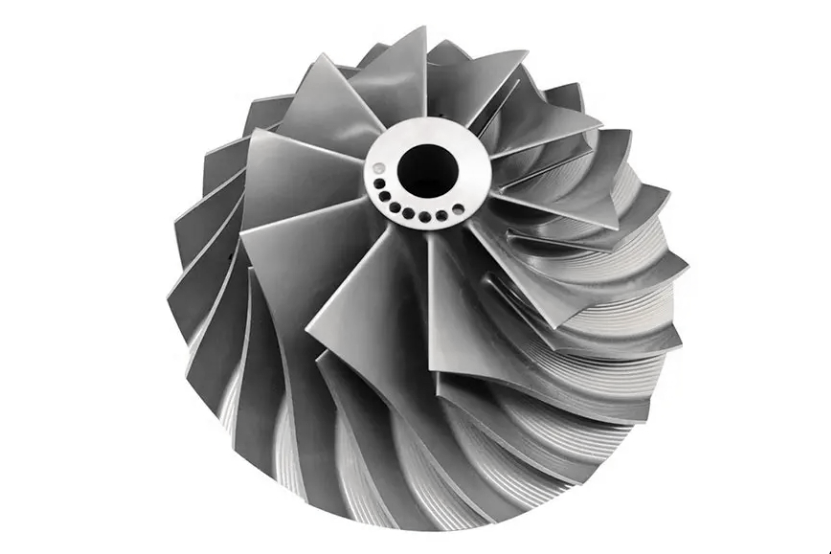
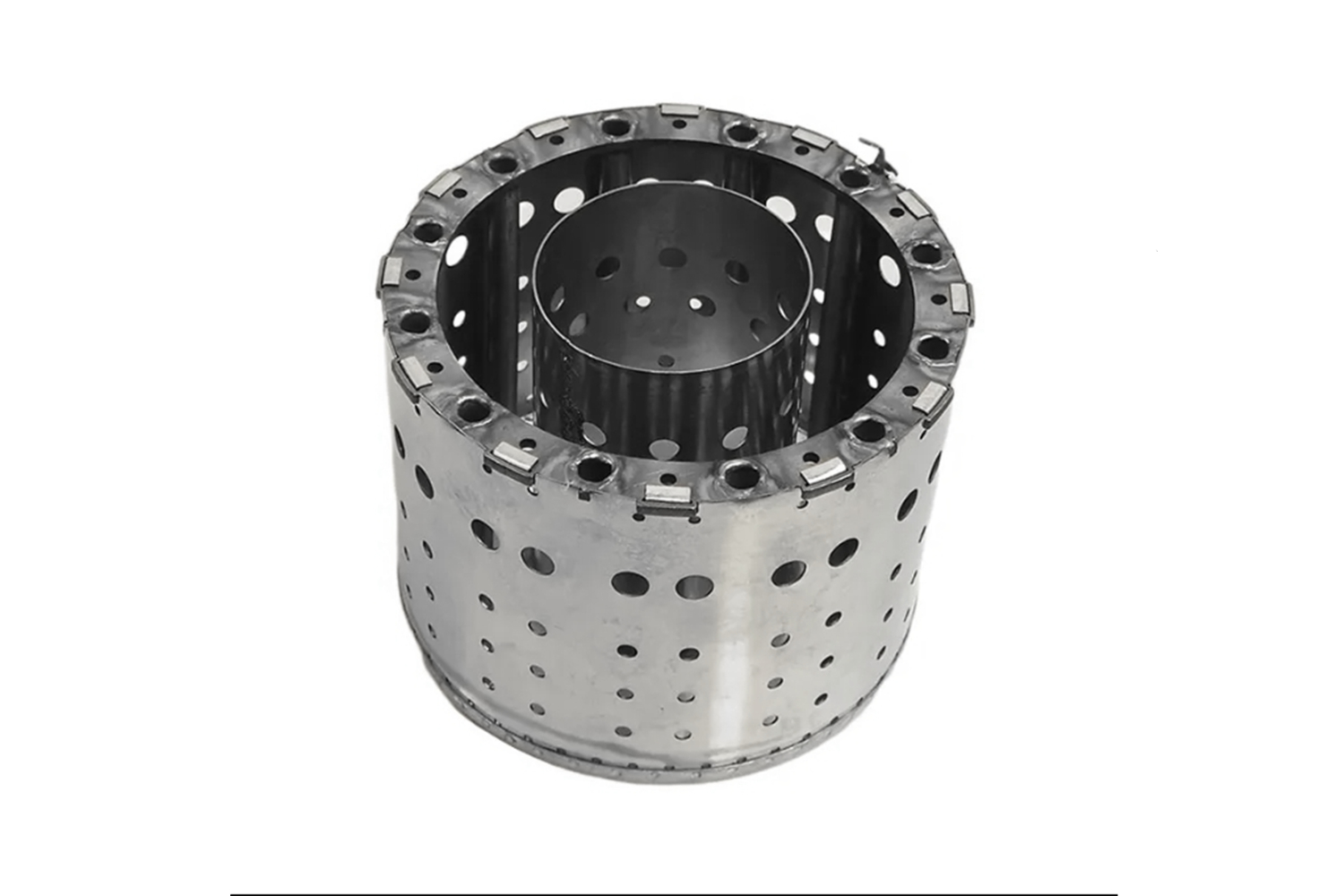
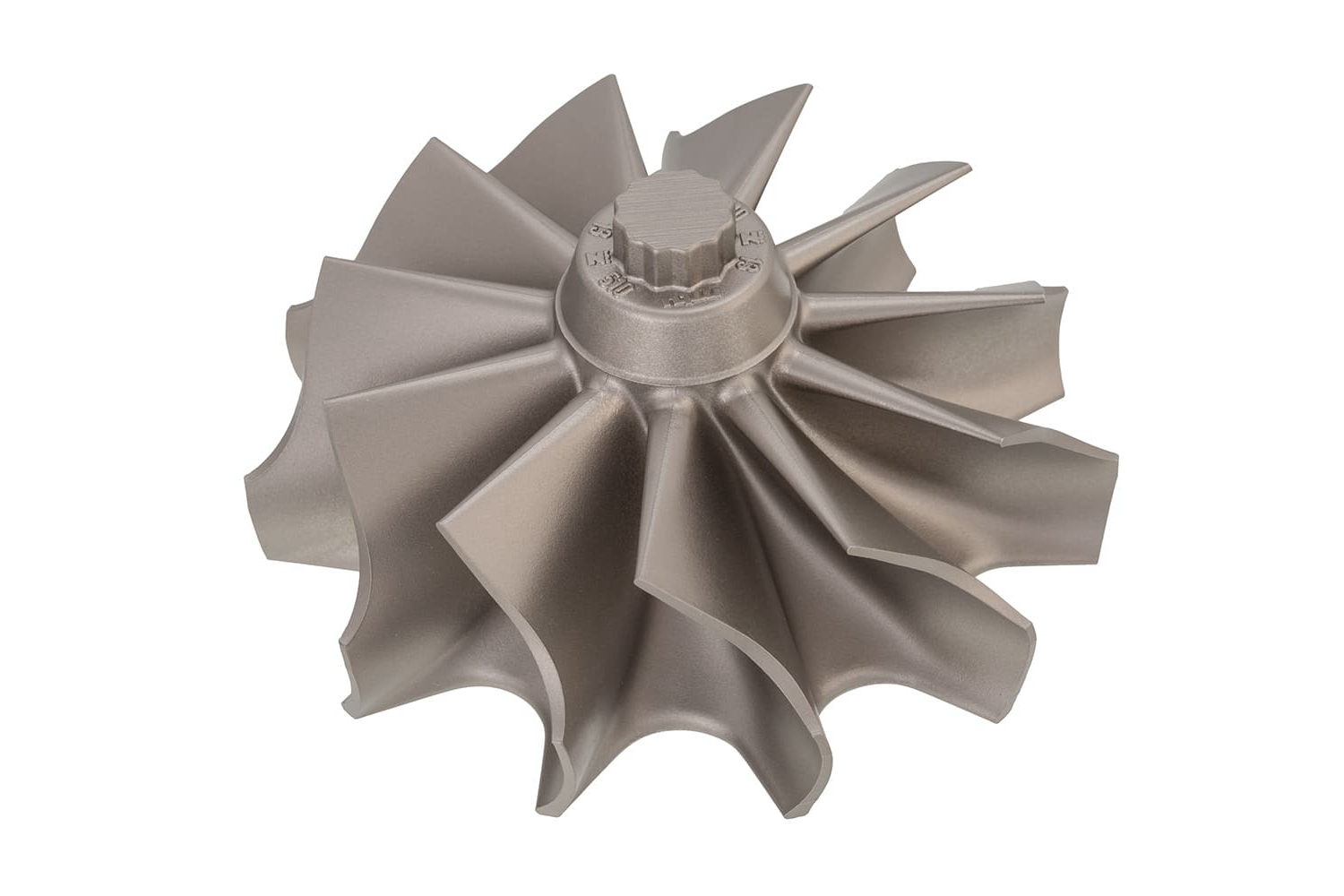
Fuel System Attachments: High-Performance Alloy Delivery for Aerospace Industry Leaders
Aerospace fuel system attachments should be quoted from interface function, material condition, and inspection evidence. A fitting, coupling, valve body, sensor boss, flange, manifold block, clamp, or pipe attachment may look small compared with turbine hot-section hardware, but its RFQ still needs controlled sealing surfaces, bore geometry, thread detail, cleanliness expectation, corrosion exposure, and assembly boundary. Without those details, suppliers may quote a part shape instead of the fuel-system function the buyer must release.
NewayAeroTech can review custom high-performance alloy fuel-system hardware based on drawings, 3D models, samples, and buyer specifications. Depending on geometry and quantity, the route may include vacuum investment casting, CNC machining, heat treatment, material testing, and post-process cleaning. The RFQ should state whether the buyer needs a cast blank, a machined fitting, a complete attachment with inspected interfaces, or a prototype for fit and routing review.
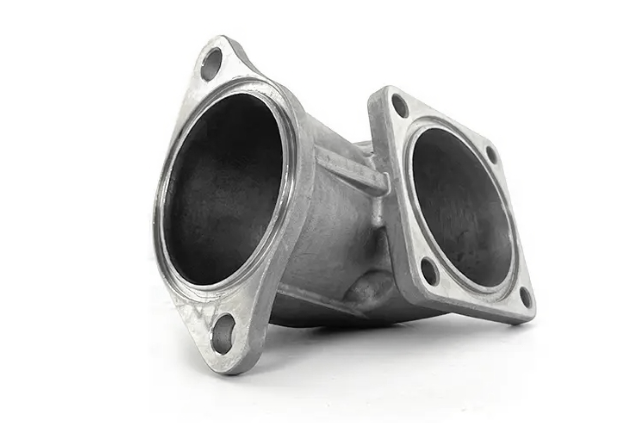
Define the Fuel Interface Before Route Selection
The critical part of a fuel system attachment is usually the interface, not the outside contour. A sealing face, cone seat, bore, thread, O-ring groove, flange, tube connection, mounting pad, or sensor port can control whether the component is acceptable. Buyers should mark these areas clearly in the drawing and separate them from nonfunctional surfaces. A casting or machined blank may be economical, but it is not useful if the final interface cannot be cleaned up, inspected, or assembled reliably.
When the RFQ is based on a sample, the buyer should identify worn sealing surfaces, damaged threads, corrosion, coating residue, or previous repair marks. Those areas should not be copied directly into final geometry without engineering review. If the attachment connects to an existing assembly, include mating-part constraints and the required datum relationship. That gives NewayAeroTech enough context to review stock allowance, machining sequence, and inspection evidence before quoting.
Interface feature | RFQ detail to define | Why it changes manufacturing scope |
|---|---|---|
Sealing face or cone seat | Surface finish, geometry, datum relationship, and inspection method. | Controls final machining, lapping or finishing need, and dimensional reporting. |
Threaded port or bore | Thread form, depth, bore size, concentricity, and cleanliness expectation. | Affects tool access, inspection gauges, deburring, and cleaning sequence. |
Flange or mounting pad | Flatness, bolt pattern, hole position, and mating-part constraints. | Drives fixture design, CMM scope, and final assembly confidence. |
Tube or pipe connection | Connection geometry, wall thickness, weld or brazing boundary, and leak-related requirement if specified. | Separates base part machining from downstream assembly or joining responsibility. |
Material Selection for Fuel Attachment RFQs
Fuel system attachments may require corrosion resistance, strength, heat resistance, cleanliness, and stable machining behavior. Inconel 718, Inconel 625, selected stainless steels, titanium alloys, Hastelloy grades, and other high-performance alloys may be reviewed depending on the drawing and application. The material decision should consider fluid compatibility, surrounding temperature, joining method, final surface finish, and whether the component is a structural attachment, a flow component, or a sensor interface.
If the buyer already has a released material requirement, quote that grade and condition. If only a legacy sample is available, chemical analysis can support identification, but it does not replace material approval. A supplier can manufacture to the drawing and specification supplied by the buyer; it should not be expected to invent approval data or claim suitability outside the provided requirements. NewayAeroTech can discuss manufacturability and process implications for the selected alloy before the buyer releases the order.
Casting, Machining, or Hybrid Route for Small Fuel Parts
Route selection depends on geometry and quantity. Vacuum investment casting can fit fuel-system attachments with compact bodies, integrated bosses, curved flow passages, mounting pads, and near-net features that would waste material if machined from solid stock. CNC machining from wrought bar or block may fit low-quantity prototypes, simple fittings, and components with tight datum relationships. A hybrid route may use a cast body with final machining of ports, threads, sealing faces, and mounting surfaces.
The buyer should not force a casting route if the part is a simple turned fitting, and should not force billet machining if the geometry contains complex internal or external transitions. The RFQ should state whether internal passages are functional, whether cores or post-machined holes are acceptable, and whether pressure or leak-related requirements are controlled by the buyer's own validation plan. NewayAeroTech can quote the manufacturing scope it can support and identify when a route review is needed before pricing becomes firm.
Manufacturing route | When it can fit | Boundary to confirm |
|---|---|---|
Vacuum investment casting | Compact bodies, bosses, brackets, curved forms, and near-net fuel module hardware. | Casting stock, machining surfaces, inspection method, and internal feature feasibility. |
CNC machining | Prototype fittings, simple ports, flanges, threaded adapters, and datum-heavy components. | Stock material, bore and thread details, surface finish, and deburring requirement. |
Hybrid casting plus machining | Cast body with finished sealing faces, threads, bores, or mounting pads. | Which surfaces are cast, which are machined, and which reports are supplied. |
Assembly or joining route | Tube connections, welded bosses, or multi-piece fuel hardware when specified. | Joining owner, inspection after joining, and cleaning or release responsibility. |
Cleanliness, Deburring, and Post-Process Boundary
Fuel-system attachments often need more attention to edge condition and cleanliness than a generic structural part. Threads, cross holes, small bores, grooves, and sealing surfaces can retain burrs, abrasive residue, or machining chips if the post-process sequence is not defined. The RFQ should state whether deburring, cleaning, passivation or surface treatment, heat treatment, or special packaging is part of the supplier scope. If the buyer has a separate cleaning validation process, state that boundary so the manufacturer does not quote an unsupported release claim.
Post-processing also affects dimensions. Heat treatment may change the sequence for final machining. Surface treatment may require masking or allowance on sealing areas. If a component will be welded or brazed downstream, the supplied surface condition and material condition need to support that process. A clear boundary lets the supplier quote the part as a manufactured component, a machined interface part, or a downstream-ready attachment without blurring responsibilities.
Inspection Evidence for Fuel System Attachments
Inspection evidence should prove the interfaces that matter. CMM can support flange faces, datums, hole position, and complex machined geometry. Thread gauges, bore checks, surface finish inspection, visual edge review, FPI when required, material traceability, hardness checks, and chemical analysis may be included depending on the drawing. If the buyer needs leak testing, cleanliness validation, or pressure-related proof, that requirement should be specified with the responsible party and acceptance method before quotation.
For first articles, review the machining sequence and inspection access before treating the route as production-ready. A cast fuel fitting may need confirmation that ports can be machined without breaking into thin walls. A machined manifold block may need tool-access review for intersecting holes. A flange may pass hole position but fail if the sealing face is not controlled. Buyers should ask for records tied to these risks rather than a broad statement that the part is inspected.
First-Article Review for Interface Risk
First-article review should confirm the route before the buyer treats repeat production as stable. Check whether the casting or machined blank leaves enough stock for sealing faces, whether small ports can be deburred and inspected, whether threaded features remain accessible after heat treatment, and whether cleaning steps match the buyer's downstream assembly plan. These checks are practical manufacturing evidence; they should be tied to drawing features rather than broad quality language.
Supplier Fit for Custom Fuel System Hardware
NewayAeroTech is suitable when the buyer needs custom alloy fuel-system attachments made from drawings, specifications, or usable samples. Suitable RFQs include machined fittings, cast-and-machined bodies, high-temperature alloy brackets, sensor bosses, flanges, manifolds, and small or medium batch hardware where material and inspection requirements are clear. The supplier response should state included operations, excluded validation claims, required buyer information, and the records supplied with the parts.
The project is weak if the request asks for an original inventory spare part, an undocumented replacement with no usable geometry, or application approval not provided by the buyer. If the part is safety- or system-critical, the buyer should provide the governing drawing, acceptance criteria, and release authority. NewayAeroTech can support manufacturing review and quote a controlled route, but buyer-side system validation and final application approval remain outside the manufacturing scope.
RFQ Checklist for Fuel System Attachments
Send the 2D drawing, 3D model, material grade, material condition, quantity, target delivery condition, sealing surfaces, threads, bores, flange faces, mounting features, surface finish requirements, heat treatment, cleaning or deburring requirements, and inspection records needed for release. Include sample photos if available, but mark worn or damaged areas. If the buyer wants a route comparison, say whether casting, machining, or a hybrid route may be reviewed.
A useful quote should identify the manufacturing route, machining responsibility, post-process scope, inspection evidence, and any assumptions that still need buyer confirmation. NewayAeroTech can review fuel-system attachment RFQs for custom high-performance alloy manufacturing and align casting, machining, and inspection with the supplied drawing package.
Related FAQs
How does vacuum investment casting improve aerospace fuel module performance?
What's the difference between single crystal and equiaxed casting for fuel modules?
How does the quality control process ensure reliability in alloy fittings?
Why are testing and inspection vital for CNC-machined superalloy part reliability?
How do heat treatment and HIP complement CNC machining in production?