What benefits do superalloys offer in fuel system modules?
Thermal Stability and Fuel Efficiency
Fuel system modules operate under variable temperature and pressure conditions, where material integrity directly affects flow stability and combustion performance. Nickel-based superalloys such as Inconel 625 and Inconel 800 provide high thermal stability, allowing consistent fuel delivery and minimizing system fluctuations during dynamic engine operation.
Corrosion Resistance and Fuel Compatibility
Fuel modules may encounter aggressive substances, including kerosene variants, biofuels, and additives. Superalloys with enhanced chromium and molybdenum content—such as Monel 400—offer robust resistance against chemical degradation. Their controlled surface reactivity helps maintain sealing interface reliability and prevents leaks or contamination.
Pressure Strength and Long-Term Reliability
Fuel systems often include high-pressure valves, injector housings, and feedline brackets that require high mechanical strength over long service periods. Materials like Rene 65 and powder metallurgy alloys such as FGH96 deliver superior creep resistance and structural consistency—crucial for uninterrupted fuel flow in demanding aerospace and power generation environments.
Manufacturing Flexibility and Precision
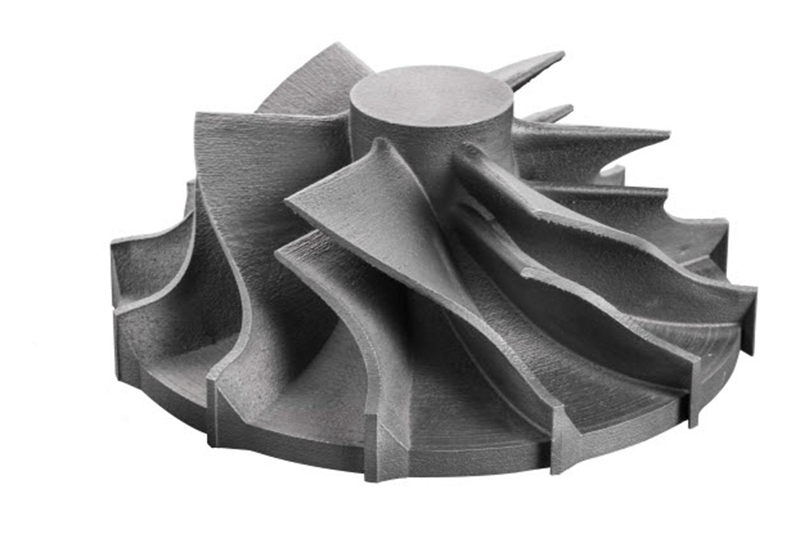
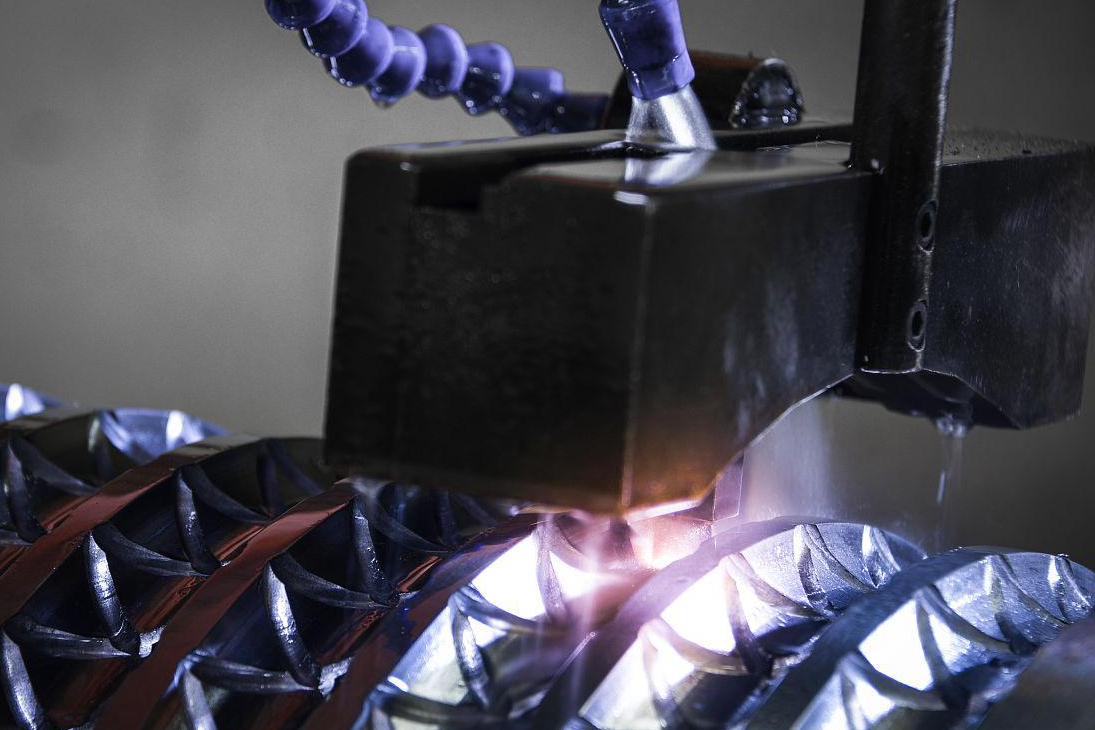
Superalloys can be formed using diverse manufacturing routes depending on system complexity. Precision vacuum investment casting and advanced forming methods like superalloy CNC machining or superalloy 3D printing enable intricate internal passages for flow control and fuel atomization. These processes allow high repeatability and reduce the need for assembly of multi-piece components.
Reliability for Critical Industries
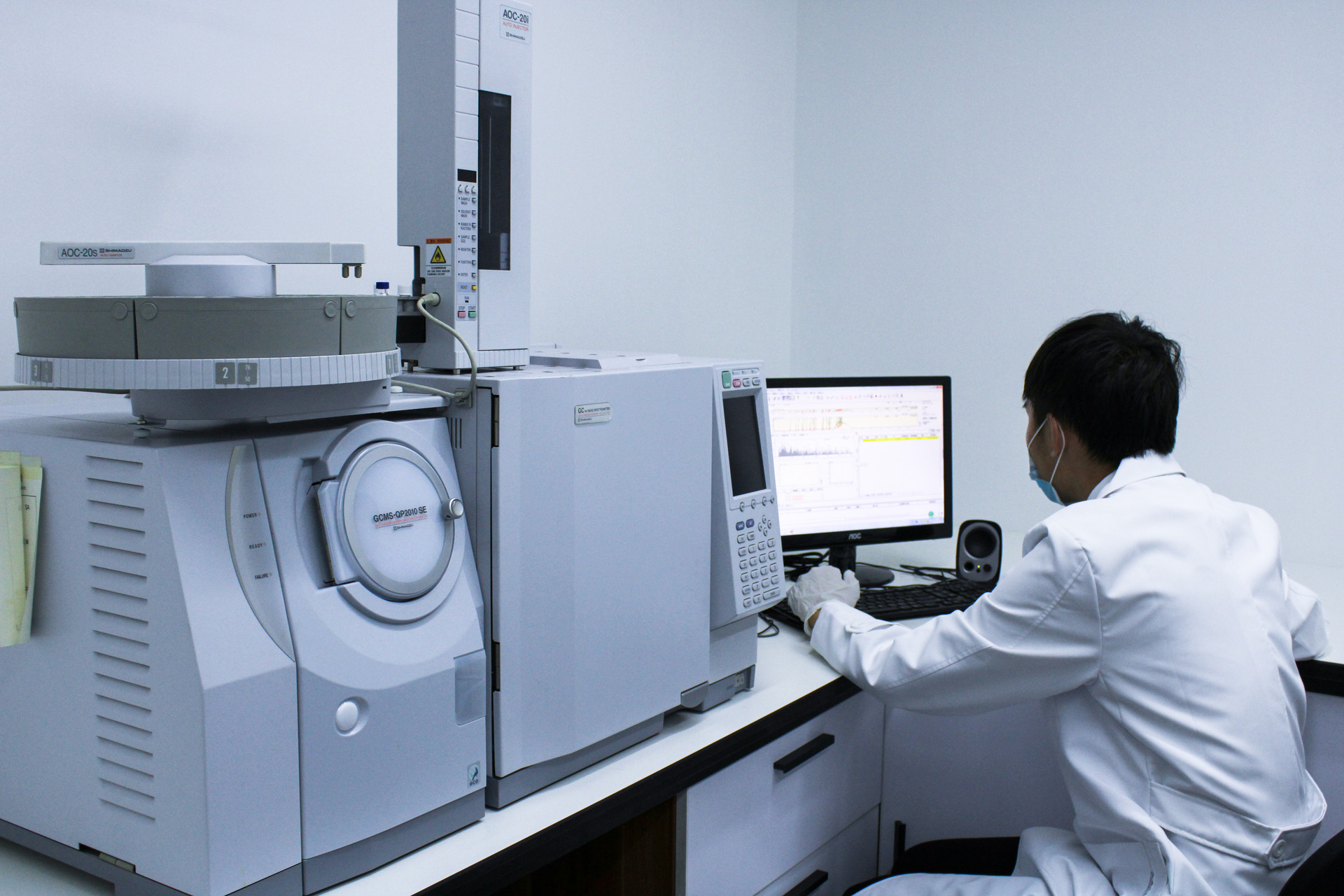
Fuel modules used in aerospace and aviation and power generation systems must undergo stringent validation. Quality is maintained through material testing and analysis to verify leak resistance, wear behavior, and pressure endurance—ensuring safe and efficient operation across flight cycles or continuous power generation periods.