Critical Superalloy Components for Nuclear Energy Production Hub
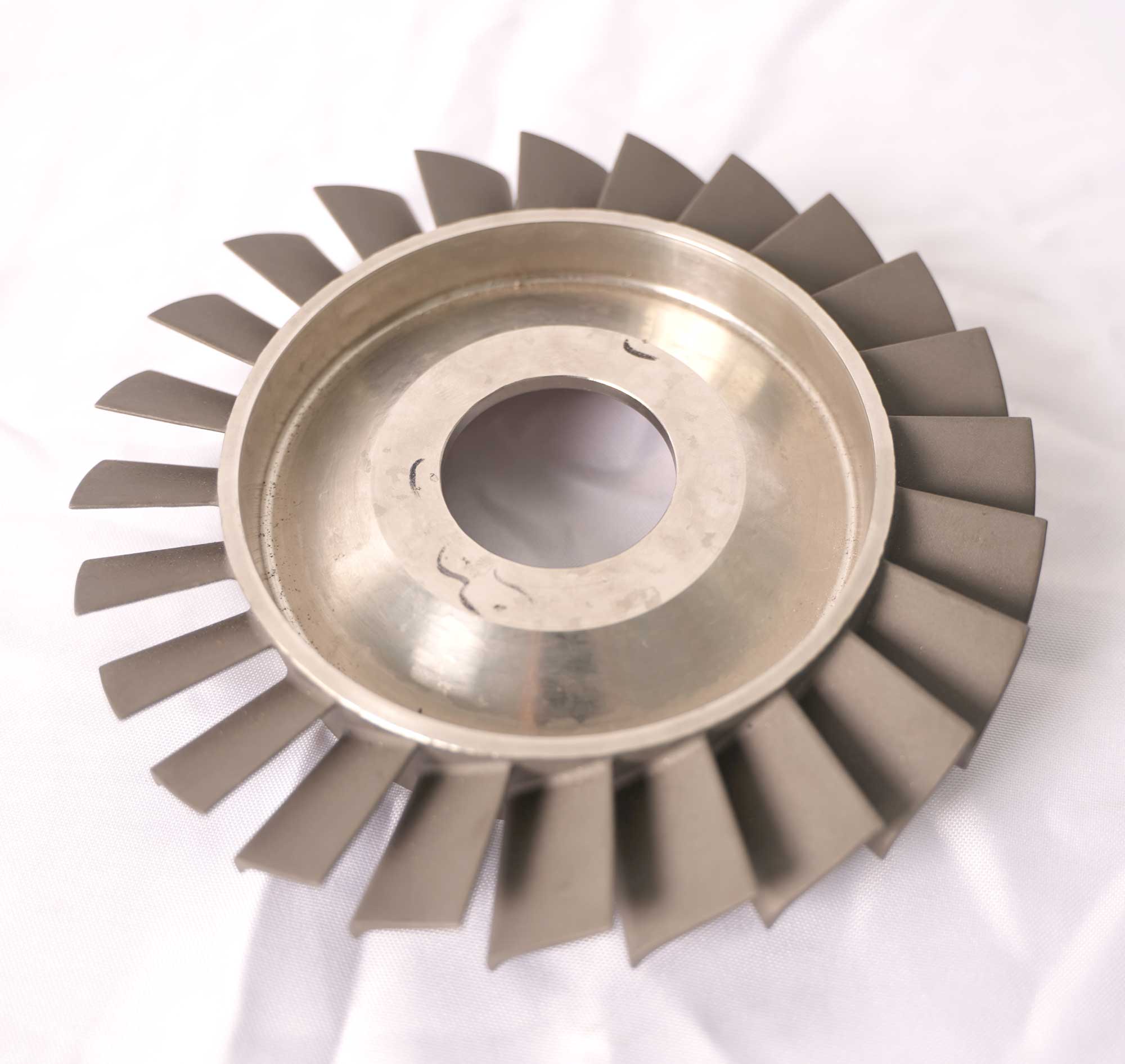
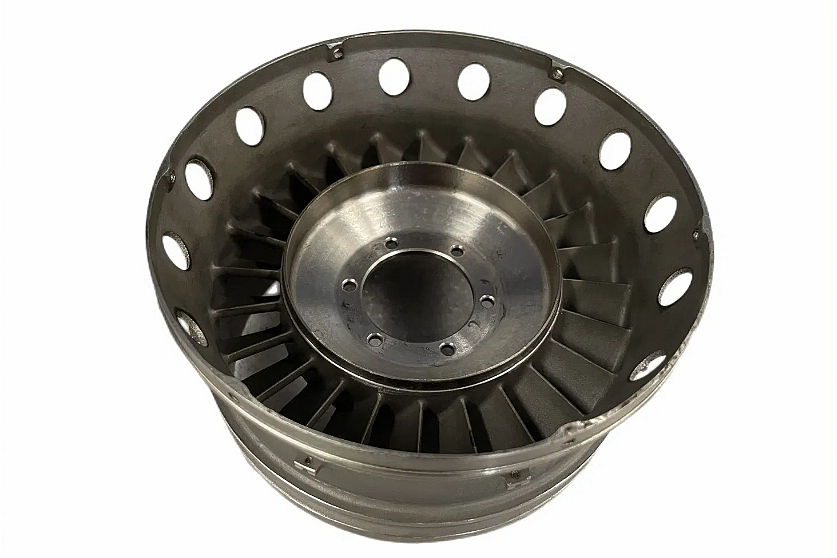
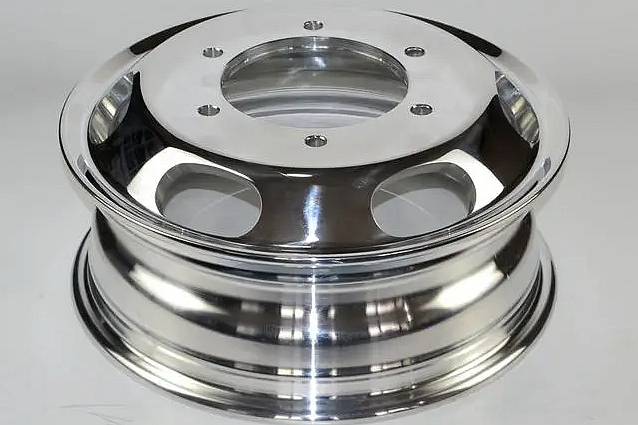
A nuclear-energy production hub RFQ for superalloy components should define the part family, customer specification, material records, process route, inspection evidence, and approval boundary before a supplier quotes. Production hubs may need pump and valve alloy parts, heat-exchanger hardware, high-temperature fixtures, support brackets, test-loop components, inserts, sleeves, and corrosion-resistant custom parts. NewayAeroTech can review drawing-based superalloy components when buyers provide drawings, 3D models, material standards, quantity, application environment, post-process needs, and acceptance criteria.
The supplier role must be defined carefully. NewayAeroTech can support manufacturing review, alloy route planning, machining, heat treatment, HIP, post-processing, and material testing where requirements are clear. It should not be positioned as the owner of nuclear system design, regulatory approval, or customer-specific certification unless those requirements are separately provided and agreed. The buyer should control final application approval and quality-plan requirements.
Classify the Component Before Selecting a Manufacturing Route
Nuclear-energy production hubs use different alloy components for different reasons. A pump sleeve may require corrosion resistance and bore finish. A valve insert may require seat geometry and wear control. A heat-exchanger support may require dimensional stability and cleaning. A test-loop fixture may require repeated thermal cycling and material evidence. These parts should not be quoted as one broad category called critical components.
The RFQ should identify whether the part is auxiliary hardware, process-side equipment, a test fixture, a heat-transfer component, or a replacement-manufacturing item. It should also state whether the part is pressure boundary, non-pressure, prototype, first article, or repeat batch. That classification decides the route, documentation, and review depth needed before production begins.
Component family | RFQ risk | Buyer data required |
Pump or valve alloy part | Bore, seat, thread, pressure-side or fluid-contact surface | Material grade, machining tolerance, inspection method, and records. |
Heat-exchanger support or insert | Thermal cycle, corrosion, cleaning, and fit | Exposure condition, surface finish, heat treatment, and dimensional evidence. |
Fixture or test-loop part | Repeated use, sample handling, and measurement repeatability | Fixture job, contact surfaces, cycle condition, and report package. |
Replacement-manufacturing component | Sample wear, legacy drawing, and approval boundary | Drawing authority, sample condition, accepted deviations, and first-article plan. |
Material Selection Should Follow Specification and Evidence Needs
Material selection for nuclear-energy components should begin with the customer specification. Nickel-based superalloys, Inconel grades, Hastelloy grades, Stellite grades, selected stainless alloys, and titanium alloys may be reviewed depending on corrosion, heat, wear, and manufacturing route. A supplier should not substitute materials only because another alloy is easier to machine or cast. Equivalent materials should be proposed only when the buyer allows equivalency and can review the evidence.
NewayAeroTech can review superalloy casting, Inconel alloy, Hastelloy alloy, and Stellite alloy routes when the drawing supports them. The RFQ should state chemistry records, heat lot traceability, heat-treatment documents, and testing requirements expected with the finished component.
Material question | Why it changes the quote | Evidence to request |
Exact grade fixed by specification | Controls procurement, processing, and acceptance | Material certificate, chemistry report, heat lot, and approved source rule if applicable. |
Equivalent grade allowed | Lets supplier propose a manufacturable option | Written equivalent rule and buyer approval process before production. |
Corrosion-facing surface | May require nickel or Hastelloy route and specific finishing | Exposure condition, cleaning requirement, and surface inspection. |
Wear or contact surface | May require Stellite or surface-treatment review | Mating material, seat finish, grinding/lapping need, and inspection method. |
Manufacturing Route Should Be Written as a Documented Process Chain
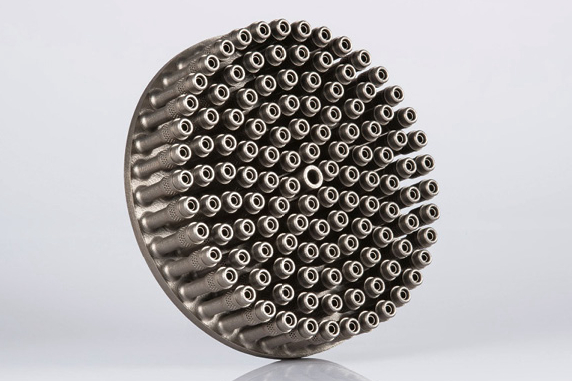
A production hub often needs more than one operation from a supplier. Vacuum investment casting may support complex near-net alloy shapes. Superalloy CNC machining may control bores, threads, grooves, seats, and datum surfaces. Additive manufacturing may support prototype geometry or fixtures. The quote should show material procurement, blank route, heat treatment, HIP if required, machining, surface processing, inspection, and documentation.
This process chain should be part-specific. A heat-exchanger insert and a valve seat should not receive the same generic route unless their drawings truly require it. Buyers should ask suppliers to name included operations and exclusions. If NewayAeroTech supplies only a machined component, coating and final assembly may be excluded. If the quote includes a finished component, post-process and report responsibilities should be listed.
Heat Treatment, HIP, and Coating Preparation Need Clear Acceptance Rules
Post-processing can change the final condition of nuclear-energy alloy components. Heat treatment may be required for material condition or dimensional stability. HIP may be reviewed for cast superalloy parts where internal soundness is part of the acceptance plan. Coating preparation, cleaning, passivation, polishing, or TBC-related preparation may apply only when the drawing or customer specification requires it. NewayAeroTech can review heat treatment, HIP, and thermal barrier coating support boundaries when requirements are explicit.
The buyer should state whether each process is mandatory, conditional, or excluded. If a component is only coating-ready, the required surface state should be defined. If HIP is included, inspection before and after HIP should be clarified. If heat treatment occurs before final machining, the supplier should plan enough stock for cleanup and confirm which dimensions are inspected after final processing.
Post-process item | Where it may apply | Quote detail needed |
Heat treatment | Nickel alloy components, fixtures, supports, and machined parts | Required condition, sequence, and record package. |
HIP | Cast superalloy parts with internal soundness risk | Included status, inspection timing, and acceptance evidence. |
Cleaning or passivation | Corrosion-facing and assembly-ready components | Cleaning method, surface condition, and packaging instruction. |
Coating preparation | Heat-facing or oxidation-facing surfaces when specified | Surface roughness, masking, and whether coating is included or excluded. |
Documentation should be treated as a manufacturing deliverable. For a production hub, the buyer may need material certificates, process records, inspection reports, packing lists, part marking, and revision traceability to travel with the component. If the supplier quotes only the part and not the records, the lower price may not support internal receiving inspection or downstream assembly release.
Inspection Package Should Be Tied to Part Risk
Inspection evidence should match each component. Material reports may include chemistry, heat lot, heat-treatment record, hardness, metallography, or mechanical testing when specified. Dimensional reports may include CMM inspection for datum faces, bores, threads, grooves, and contact surfaces. FPI or DPI may review surface indications. X-ray or CT may support cast parts with internal soundness concerns. Buyers should not accept one general QC statement for a package of different part types.
NewayAeroTech can support material testing and analysis for custom superalloy components. The buyer should provide the required inspection standard, sampling level, report format, and acceptance criteria before manufacturing starts. That keeps the supplier quote aligned with the documentation needed by the production hub.
Supplier comparison should separate engineering review from production work. Drawing clarification, sample measurement, route planning, material procurement, tooling, machining, testing, and packaging can each belong to different quote lines. This format lets a buyer compare suppliers without asking one company to absorb unclear technical risk while another excludes it silently.
Prototype and First-Article Control Protect Production Handoff
Prototype components are useful when a production hub needs to verify geometry, fixture access, machining sequence, or assembly fit before buying a batch. A prototype may use additive manufacturing or simplified machining for layout review, while production may require the specified alloy route and full report package. The RFQ should state whether the prototype is for form-fit review, process trial, or production-intent first article.
First-article review should confirm material records, dimensional reports, post-process condition, NDT results, and any open deviations. If the part will be transferred to another production operation, the handoff condition should be checked at this stage. NewayAeroTech can support custom prototype and small-batch supply when the buyer defines the approval gate clearly.
If a sample is supplied, buyers should define whether NewayAeroTech is expected to measure it, manufacture against it, or only use it as a condition reference. Nuclear-energy components may have legacy revisions, wear, corrosion, cleaning marks, or field modifications. Those details should be resolved before the supplier freezes tooling, machining programs, or inspection plans.
RFQ Checklist for Nuclear-Energy Superalloy Components
Send the drawing, 3D model, material standard, quantity, component family, pressure or non-pressure boundary, operating environment, surface finish, heat treatment, HIP, coating or cleaning requirement, inspection standard, report needs, and sample photos if available. Mark bores, threads, seal faces, contact areas, fluid-contact surfaces, and any surfaces that require special packaging or cleaning.
Ask the supplier to return a route plan, material evidence, included operations, excluded operations, post-process scope, inspection deliverables, and open engineering questions. NewayAeroTech can review the package and suggest a custom manufacturing route while keeping final application approval, regulatory requirements, and customer-specific qualification under the buyer’s control.
Related FAQs
What are the key superalloys used in nuclear energy components?
How does Hot Isostatic Pressing improve the quality of nuclear energy components?
What testing methods are essential for ensuring the quality control of nuclear superalloys?
Why is additive manufacturing significant for nuclear energy component prototyping?
What are the benefits of using thermal barrier coatings in nuclear components?
What Materials Are Best Suited for Nuclear Reactor Unit Components?
What Are the Primary Testing Methods Used in Quality Control for Nuclear Reactor Units?
For nuclear-energy production hub RFQs, define the component family, material records, process route, post-process responsibility, inspection evidence, and approval boundary before comparing suppliers. NewayAeroTech can support custom superalloy component manufacturing based on drawings and customer specifications.