What are the benefits of using thermal barrier coatings in nuclear components?
Protection Against Extreme Thermal Environments
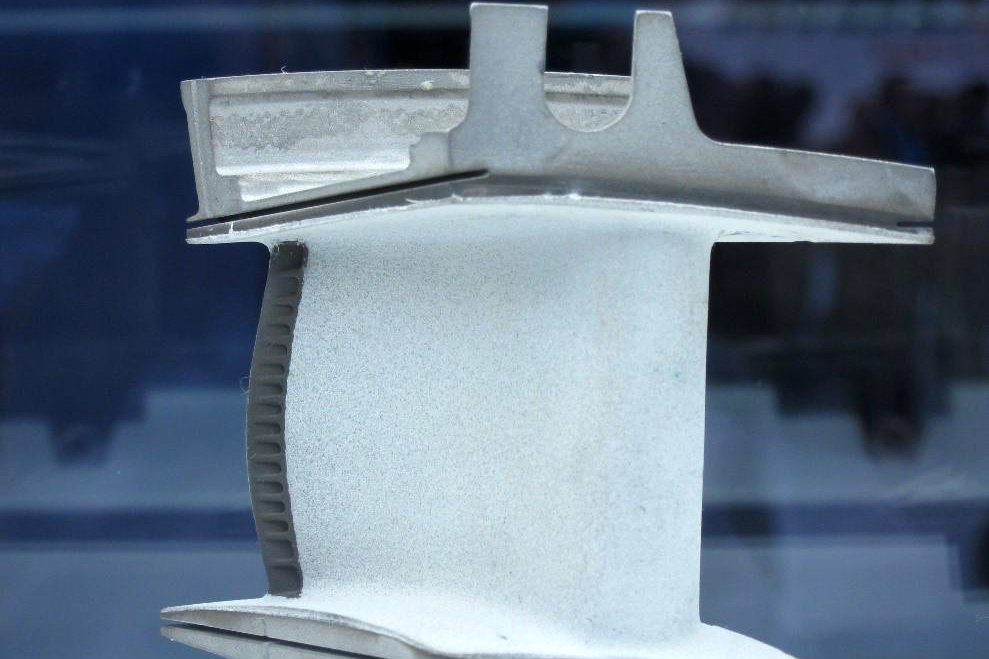
In nuclear power systems, turbine blades, heat exchangers, and reactor internals are constantly exposed to high temperatures and corrosive gases. Thermal Barrier Coating (TBC) technology provides a critical layer of defense, maintaining material stability by reducing surface temperatures up to 150–200°C. When applied to components produced through vacuum investment casting or powder metallurgy turbine disc manufacturing, TBCs extend operational life and prevent thermal fatigue cracking, oxidation, and diffusion degradation.
Enhanced Oxidation and Corrosion Resistance
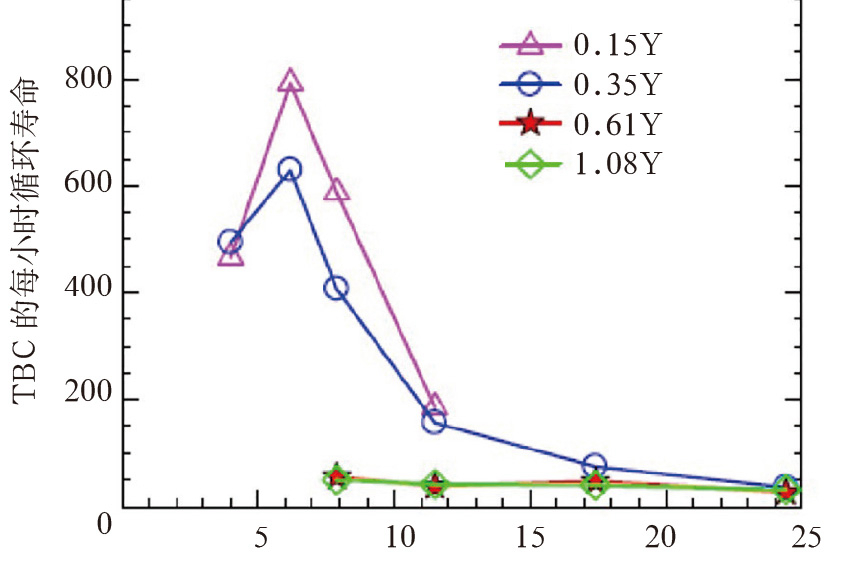
TBC systems, often composed of ceramic topcoats like yttria-stabilized zirconia (YSZ), form a barrier against oxidation and corrosive species such as steam, boric acid, or radiation-activated oxygen. These coatings work synergistically with nickel-based superalloys such as Inconel 718 and Hastelloy X, significantly reducing oxidation rates and extending maintenance intervals in high-temperature reactor zones. The bond coat beneath the ceramic layer provides controlled thermal expansion, improving adhesion and reducing delamination during temperature cycling.
Improved Component Efficiency and Lifecycle
When applied to nuclear turbine blades and reactor heat transfer modules, TBCs enhance system thermal efficiency by enabling higher operating temperatures while maintaining structural integrity. This efficiency translates into improved fuel utilization and reduced stress on load-bearing parts. Coupled with hot isostatic pressing (HIP) and superalloy heat treatment, TBC-coated components exhibit superior fatigue resistance and crack arrest properties, ensuring long-term reliability for nuclear power generation.
Compatibility with Advanced Superalloy Systems
TBCs are particularly effective on complex superalloy substrates produced via superalloy precision forging, equiaxed crystal casting, and superalloy 3D printing. These manufacturing methods yield intricate geometries that benefit from localized coating reinforcement, ensuring protection even on sharp edges and internal cooling paths. Coating application and quality are verified through testing and analysis of superalloy materials using microscopy and adhesion strength evaluations.
Applications Across the Energy Sector
In the power generation and energy industries, TBCs are used extensively on turbines, combustion liners, and reactor heat shields. Their thermal and chemical resilience reduces maintenance downtime and extends inspection intervals, which is vital in nuclear operations where replacement cycles are long and costly. This contributes to higher operational efficiency, longer service life, and safer reactor management.