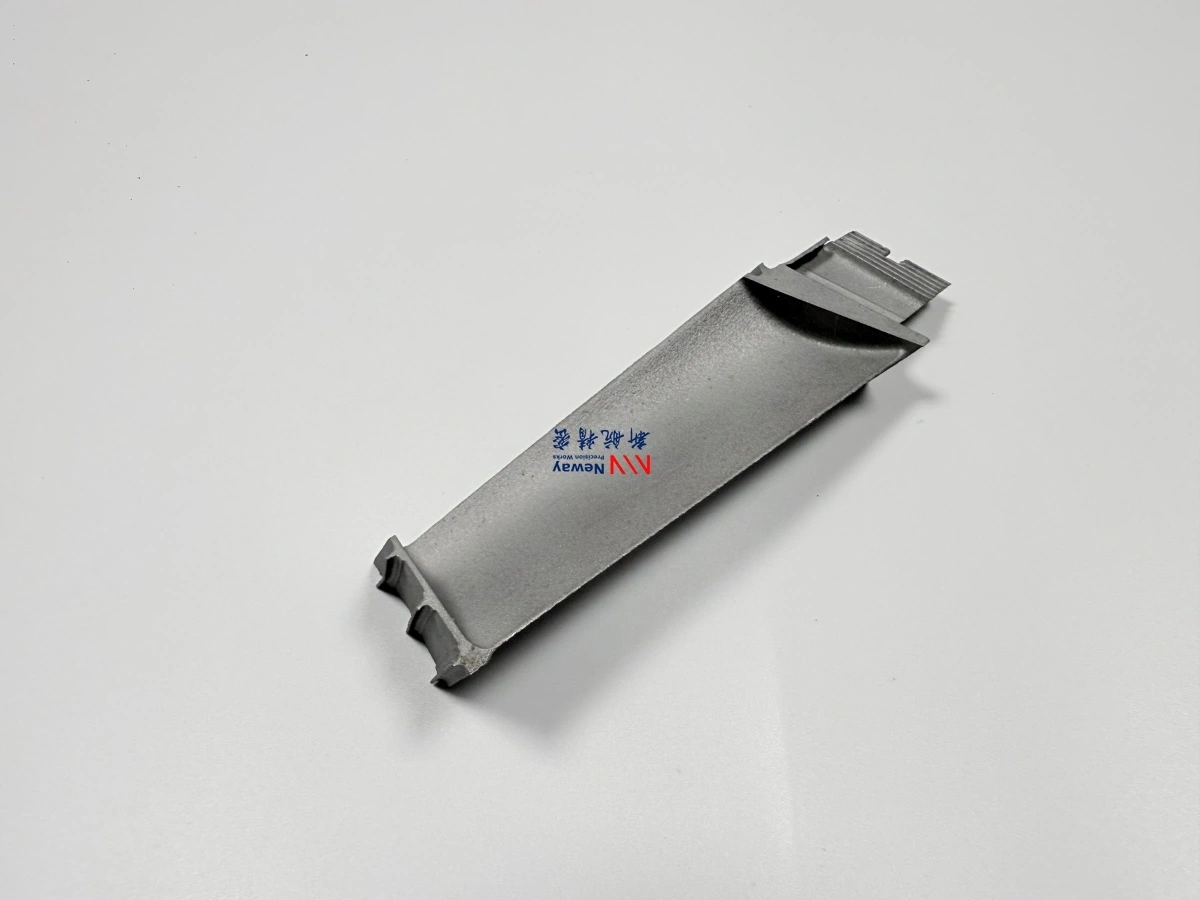
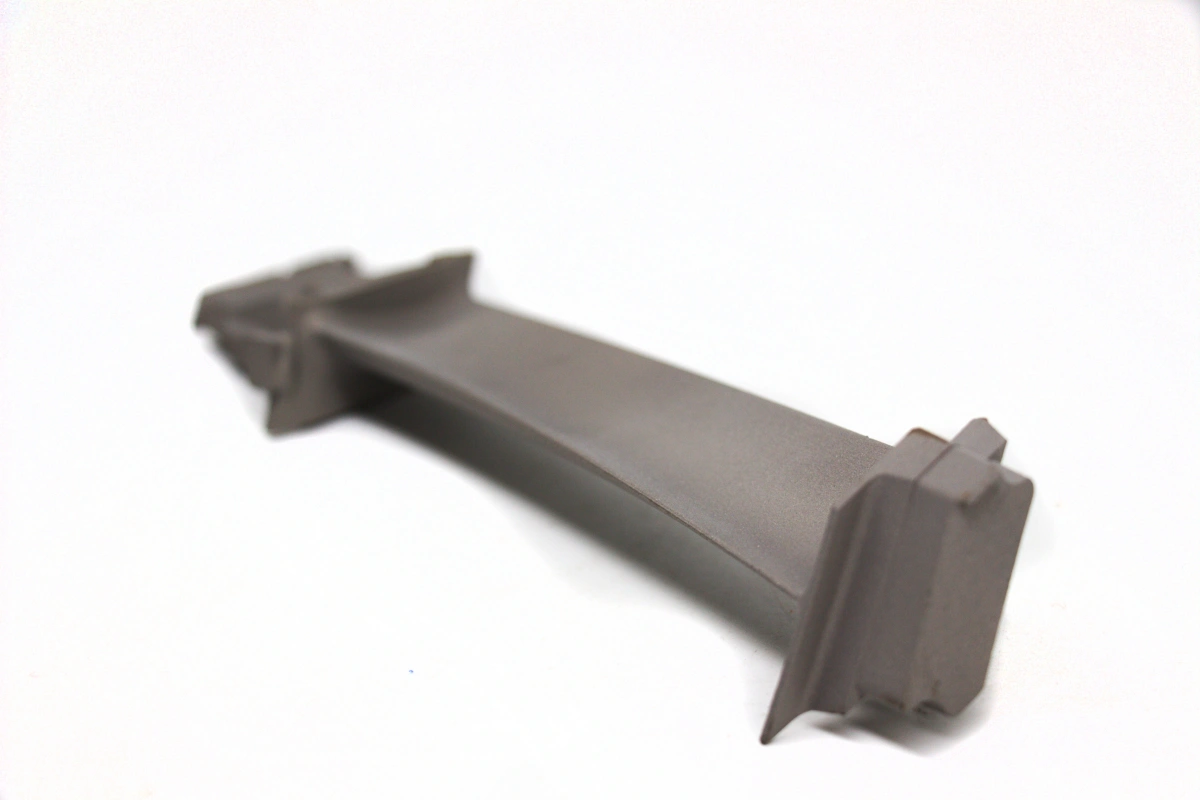
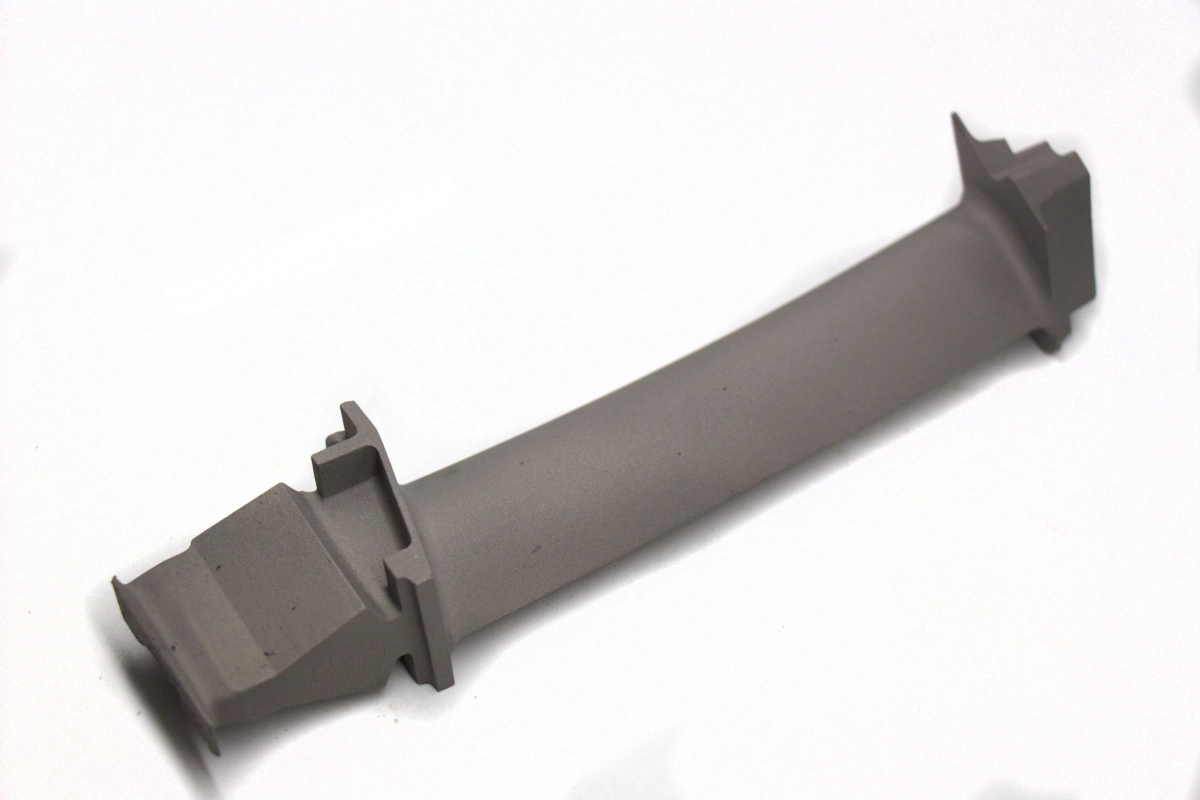
Why is vacuum investment casting used for 9F / 9FA combustion components?
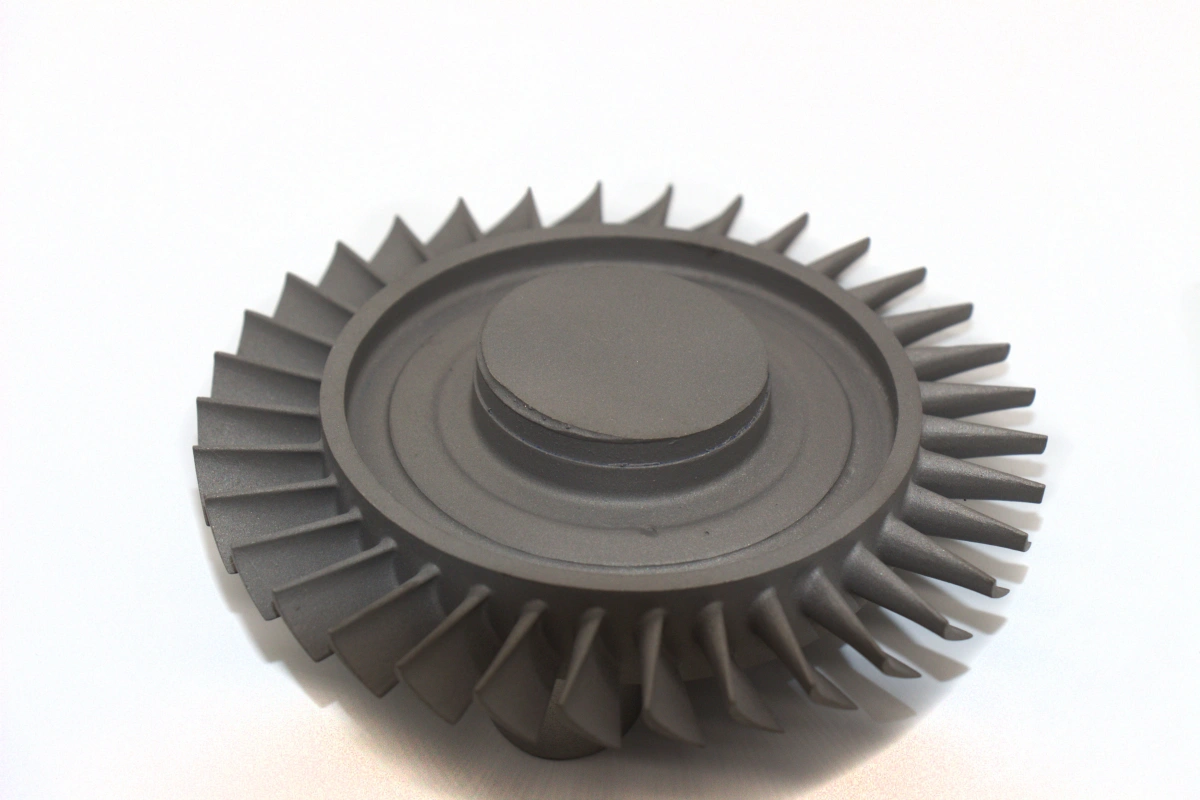
Why is vacuum investment casting used for 9F / 9FA combustion components?
Vacuum investment casting is used for 9F / 9FA combustion components because it combines high-temperature alloy integrity, near-net-shape complexity, lower oxidation during pouring, and better dimensional consistency than many conventional forming or open-air casting routes. For combustion hardware working in roughly 900–1,100°C metal temperature ranges, these advantages directly support longer service life, lower machining burden, and more reliable performance in liners, nozzle structures, transition-related hardware, and other gas turbine hot-section parts.
1. Why the Process Fits 9F / 9FA Combustion Hardware
9F / 9FA combustion components often combine curved flow surfaces, flange interfaces, attachment details, local thin walls, and heat-resistant nickel alloys in one part. That makes them poor candidates for simple machining from billet and costly to build through multiple welded fabrications. By using vacuum investment casting, manufacturers can form much of the final geometry in the casting itself, which typically reduces raw material waste by about 30% to 60% compared with heavy machining routes and can also reduce downstream machining hours on complex parts by a meaningful margin.
2. Main Reasons Vacuum Casting Is Preferred
Reason | What It Improves | Why It Matters for 9F / 9FA Parts |
|---|---|---|
Cleaner melt environment | Lower oxidation and contamination during pouring | Combustion components need cleaner alloy structure to resist cracking and oxidation |
Near-net-shape capability | Complex geometry with less material waste | Curved combustor and hot-gas-path shapes are expensive to machine from solid stock |
Thin-wall casting control | Better section consistency in thermal hardware | Wall variation strongly affects temperature distribution and life |
High-temperature alloy compatibility | Supports nickel-based superalloys | 9F / 9FA combustion parts rely on alloys that keep strength and oxidation resistance at elevated temperature |
Repeatable batch production | More consistent replacement part geometry | Important when buyers need outage sets, duplicate parts, or annual supply programs |
Lower fabrication complexity | Fewer individual pieces and weld seams | Reducing seam count often lowers thermal fatigue risk in combustion service |
3. Why Vacuum Matters for High-Temperature Alloys
Many 9F / 9FA combustion parts use nickel-based alloys because they must survive oxidation, thermal fatigue, and long exposure to hot combustion gas. Under open-air melting or poorly controlled casting conditions, these alloys are more likely to pick up oxides, inclusions, or chemistry variation that later reduces durability. A vacuum environment helps protect the melt during pouring and solidification, which is especially useful when working with high-temperature casting alloys for critical gas turbine service.
In practical terms, better alloy cleanliness can translate into fewer crack-initiation sites, more stable oxidation behavior, and improved consistency after later operations such as heat treatment and finish machining.
4. Which 9F / 9FA Combustion Parts Benefit Most?
Combustion Part Type | Benefit Level | Main Casting Advantage |
|---|---|---|
Nozzle rings and vane-related hot hardware | Very high | Complex gas-path profiles and alloy quality control |
Combustor cast structures | High | Reduced fabrication steps and better contour repeatability |
Transition-related cast hardware | High | Near-net hot-section geometry with lower machining stock |
Shrouds, heat shields, seal segments | High | Thin-wall contours and heat-resistant geometry are easier to reproduce |
Simple brackets or block-type parts | Low to medium | These may be more economical through machining or fabrication |
For buyers, the process is most valuable when the part geometry is difficult, the alloy is expensive, and the component works in a zone where oxidation and crack resistance are critical. In those cases, vacuum casting gives both technical and commercial advantages.
5. How Vacuum Casting Supports Longer Service Life
Service life in 9F / 9FA combustion hardware is strongly influenced by three things: material cleanliness, wall-thickness consistency, and surface quality before later coating or repair. Vacuum casting helps all three. Cleaner metal reduces inclusion-related weakness. More consistent sections reduce local hot spots. Better as-cast surfaces and geometry make later operations such as precision machining, weld restoration, and protective coating easier to control.
Once the casting is produced, the component usually still needs downstream processing such as post-process steps, possible densification, machining, and quality verification. But starting from a better cast blank improves the final result and lowers the risk of costly rework later in the route.
6. Why Buyers Choose It Commercially
From a purchasing perspective, vacuum casting is not only about metallurgy. It is also used because it can shorten the total manufacturing route for complex hot-section parts, reduce excessive billet consumption, and improve repeatability when multiple identical components are needed for an outage package. On replacement programs involving 6-piece, 12-piece, or larger combustor hardware sets, this repeatability becomes especially important for fit, schedule control, and installation efficiency.
That is why many buyers in power generation prefer vacuum-cast near-net blanks instead of fully fabricated alternatives when the part design justifies it.
7. Summary
If the buyer needs... | Why vacuum investment casting is used |
|---|---|
Cleaner high-temperature alloy quality | The vacuum environment helps reduce oxidation and contamination |
Complex combustor geometry | The process supports near-net-shape production with less machining waste |
More consistent replacement hardware | Repeatable tooling and casting control improve batch consistency |
Better hot-section durability | Cleaner alloy and controlled geometry support longer thermal-fatigue life |
In summary, vacuum investment casting is used for 9F / 9FA combustion components because it delivers cleaner superalloy structure, better control of complex hot-section geometry, lower material waste, and more consistent performance in high-temperature service. These benefits make it especially suitable for nozzle rings, combustor structures, transition-related hardware, and other critical thermal components. For related references, see gas turbine components, vacuum cast components, and material testing.