What GE 9F / 9FA parts are suitable for vacuum investment casting?
What GE 9F / 9FA parts are suitable for vacuum investment casting?
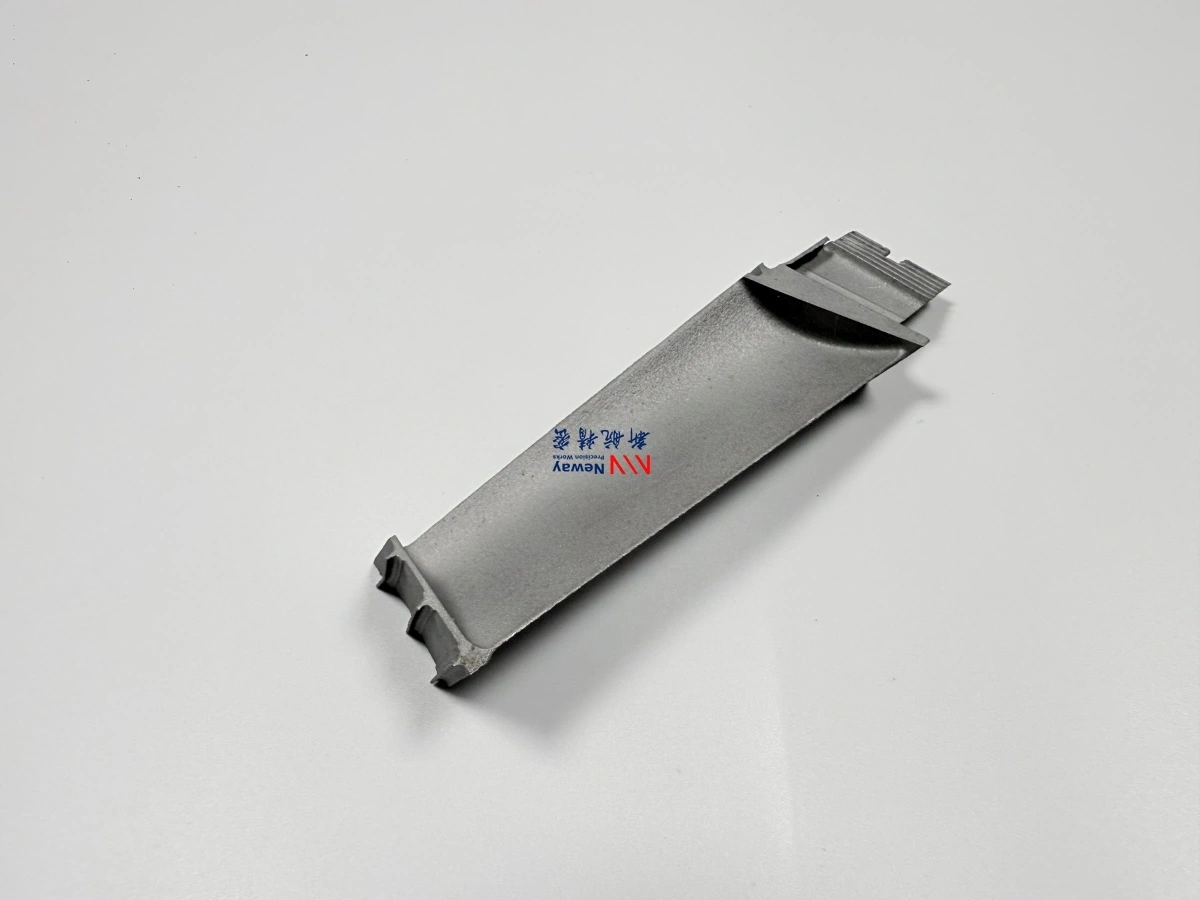
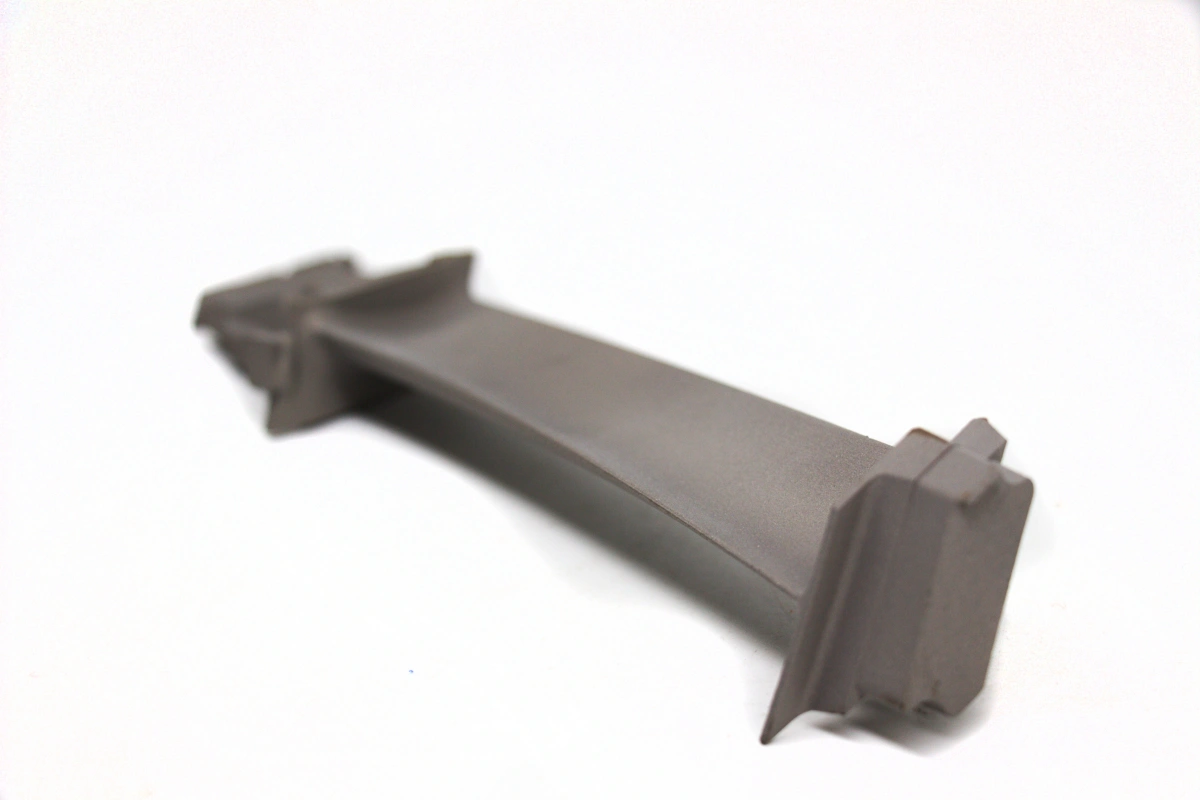
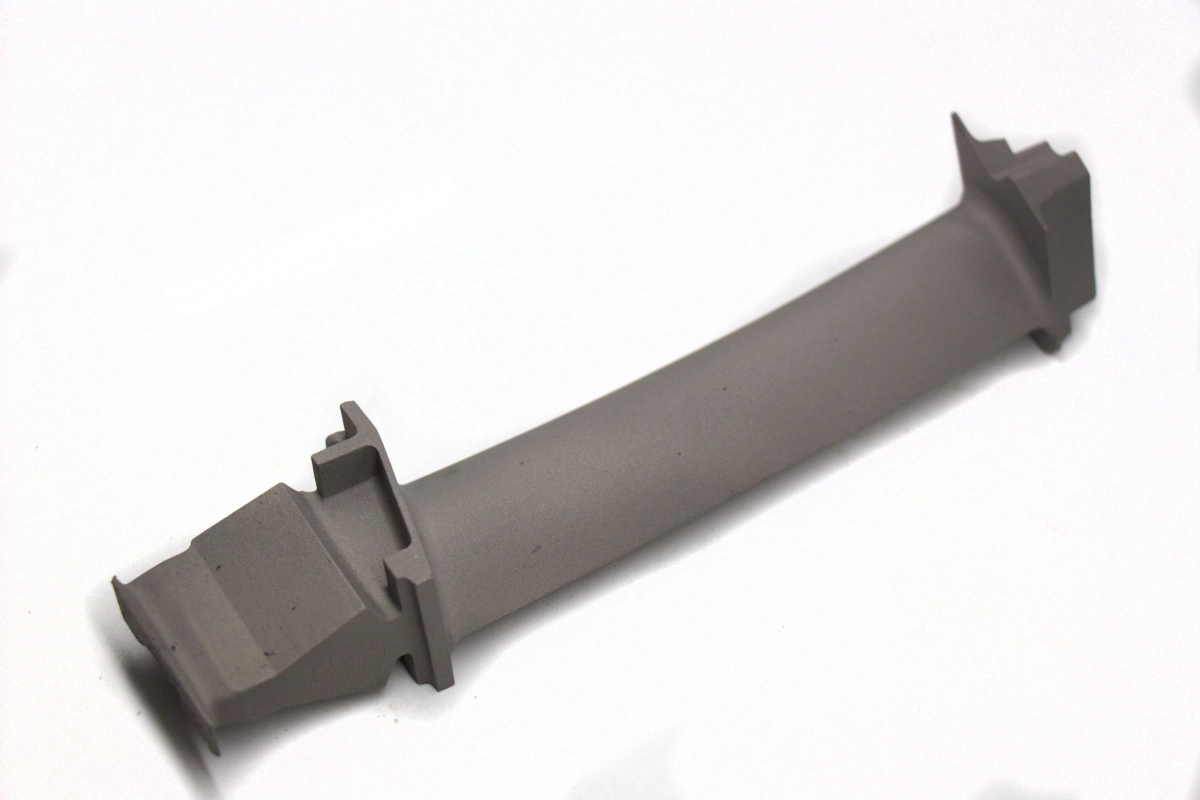
GE 9F / 9FA parts most suitable for vacuum investment casting are complex hot-section and combustion components that require high-temperature alloy integrity, stable wall thickness, near-net-shape geometry, and good surface quality before finish machining. In practical gas turbine manufacturing, the best candidates are nozzle rings, guide vanes, turbine blades, combustion hardware, transition-related cast structures, shrouds, seal segments, and other heat-resistant parts with curved flow paths, internal cavities, or difficult-to-machine profiles.
1. What Makes a 9F / 9FA Part a Good Casting Candidate?
A GE 9F / 9FA part is usually a strong fit for vacuum casting when it has one or more of the following characteristics: complex aerodynamic shape, multiple radii and fillets, internal passages, thin-to-medium wall sections, high-temperature nickel alloy requirements, or expensive machining stock if made from bar or forged block. For large-frame gas turbine hardware, vacuum casting is especially valuable because it can reduce raw material waste by 30% to 60% compared with heavy subtractive machining routes, while also improving consistency in repeated batch production.
2. GE 9F / 9FA Parts Commonly Suited for Vacuum Investment Casting
Part Type | Suitability Level | Why It Fits Vacuum Investment Casting | Typical Alloy Need |
|---|---|---|---|
First- and later-stage turbine blades | Very high | Complex airfoil geometry, root features, and heat-resistant material requirements | Nickel-based superalloys |
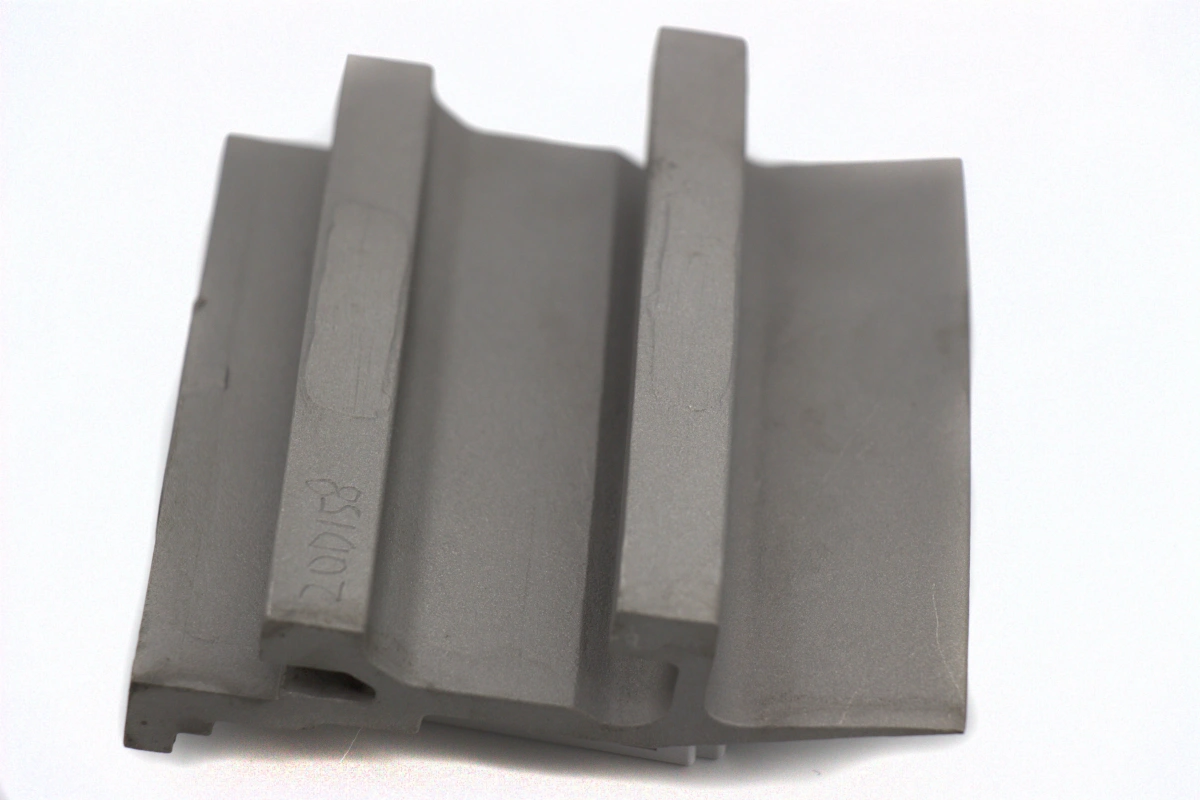
Nozzle guide vanes | Very high | Curved profiles and precise gas-path surfaces benefit from near-net-shape casting | High-temperature cast alloys |
Nozzle rings and vane segments | Very high | Segmented ring geometry is costly to machine from solid stock | Oxidation-resistant superalloys |
Combustion liners and cast combustor structures | High | Heat-resistant shapes with repeated contour features and attachment geometry | Weldable nickel alloys |
Transition-related cast hardware | High | Complex junction shapes and thermal-duty sections are more efficient as cast blanks | Ni-based heat-resistant alloys |
Shrouds, seal segments, and heat shields | High | These parts often combine thin walls, curved surfaces, and thermal exposure | Cast superalloys or cobalt alloys |
Hot gas path support brackets and casings | Medium to high | Suitable when geometry is irregular and service temperature exceeds standard steel capability | Special alloy castings |
3. Parts That Benefit Most from Casting Economically
From a cost and manufacturability standpoint, the best 9F / 9FA casting candidates are parts that would otherwise require 5-axis machining from oversized billets, extensive weld buildup, or multi-piece fabrication. In most turbine programs, the biggest economic gains usually come from:
High-Value Candidate | Main Economic Advantage |
|---|---|
Airfoils and vane segments | Lower machining time and better repeatability on gas-path surfaces |
Nozzle rings | Reduced material waste and easier control of curved segment geometry |
Combustor hot hardware | Near-net blanks reduce fabrication complexity and weld count |
Heat shields and shroud blocks | More efficient production of heat-resistant contours and mounting features |
4. Which Alloy Families Are Common for These Parts?
Most GE 9F / 9FA cast hot-section components rely on high-temperature casting alloys because they must withstand oxidation, creep, and thermal fatigue in service conditions that often exceed 900°C metal temperatures and can approach 1,050°C or more in severe local zones. Depending on the exact part function, suitable materials may come from Inconel alloy, Nimonic alloy, Rene Alloys, or Stellite alloy families, depending on whether the design priority is creep strength, oxidation resistance, wear resistance, or weldability.
For example, vane and blade families often move toward more advanced solidification routes when creep performance is critical, while large combustion and structural hot parts may prioritize fabricability and coating compatibility.
5. When Should Buyers Consider Single Crystal or Directional Routes Instead?
Not every 9F / 9FA part should use standard equiaxed vacuum casting. If the component is an airfoil or hot-gas-path part facing the most severe creep load, buyers may need single crystal casting or directional casting instead of conventional equiaxed structure. In general:
Manufacturing Route | Best Fit for 9F / 9FA Parts |
|---|---|
Equiaxed vacuum casting | Nozzle rings, combustor hardware, shrouds, seals, many structural hot parts |
Directional casting | Higher-performance blades and vanes needing better creep resistance |
Single crystal casting | Most demanding airfoils in the highest temperature zones |
So while many 9F / 9FA combustion and turbine components are well suited to vacuum casting, final route selection depends on temperature, stress, repair philosophy, and service interval expectations.
6. What Other Processes Are Usually Required After Casting?
Most 9F / 9FA castings are not installed directly after pour and knockout. To reach final service condition, they usually require a combination of heat treatment, finish CNC machining, localized welding, and, for hotter surfaces, protective TBC systems. Inspection through material testing is also critical for verifying chemistry, internal integrity, and dimensional compliance.
For buyers, this means the best RFQ usually asks not only whether the part is castable, but whether the supplier can deliver the full route from casting blank to finished hot-section hardware.
7. Summary
If the GE 9F / 9FA part is... | Vacuum Investment Casting Suitability |
|---|---|
Nozzle ring or vane segment | Excellent |
Turbine blade or guide vane | Excellent, but may require directional or single crystal route |
Combustor cast structure or liner-related hardware | High |
Shroud, seal, heat shield | High |
Simple prismatic machined block part | Usually low |
In summary, the GE 9F / 9FA parts most suitable for vacuum investment casting are nozzle rings, guide vanes, turbine blades, combustor structures, shrouds, seals, and other thermally loaded components with complex geometry and high-temperature alloy requirements. These parts gain the most from near-net-shape production, lower material waste, and better hot-section alloy control. For related application references, see power generation, gas turbine components, and vacuum cast components.