ECY-768
Material Introduction
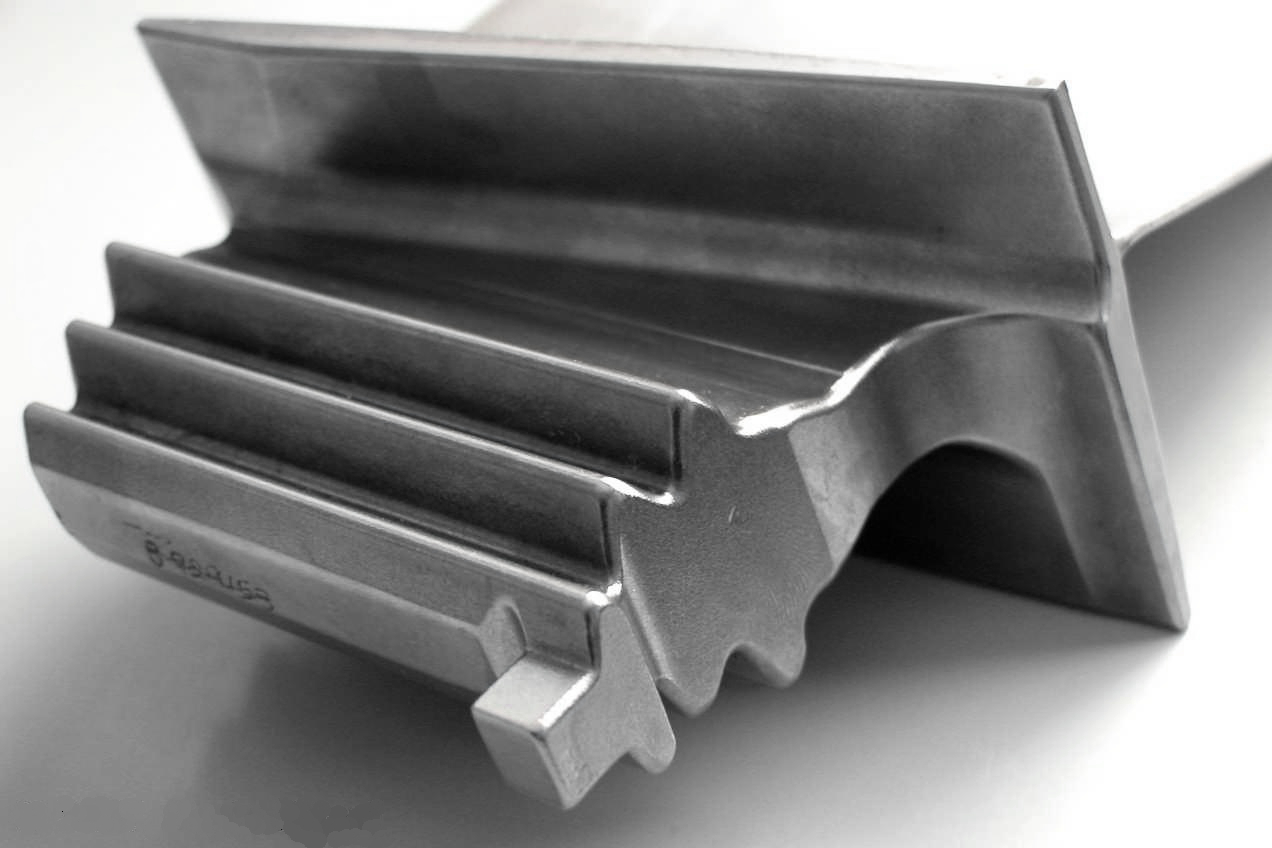
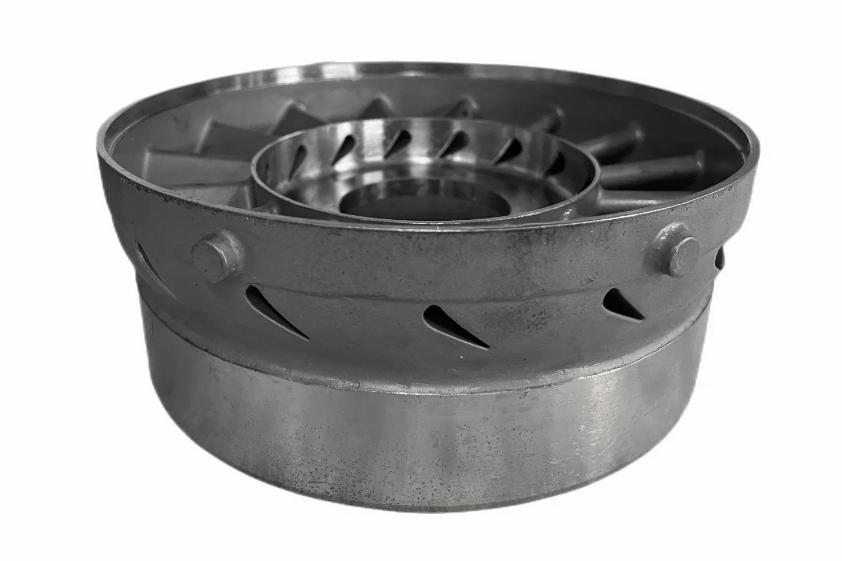
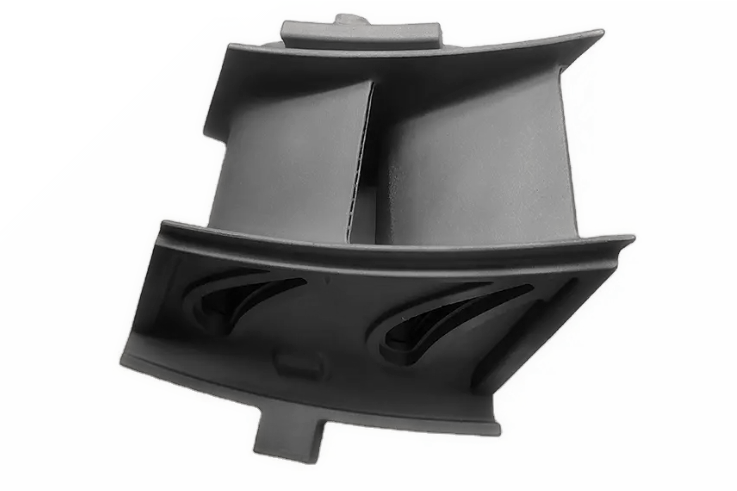
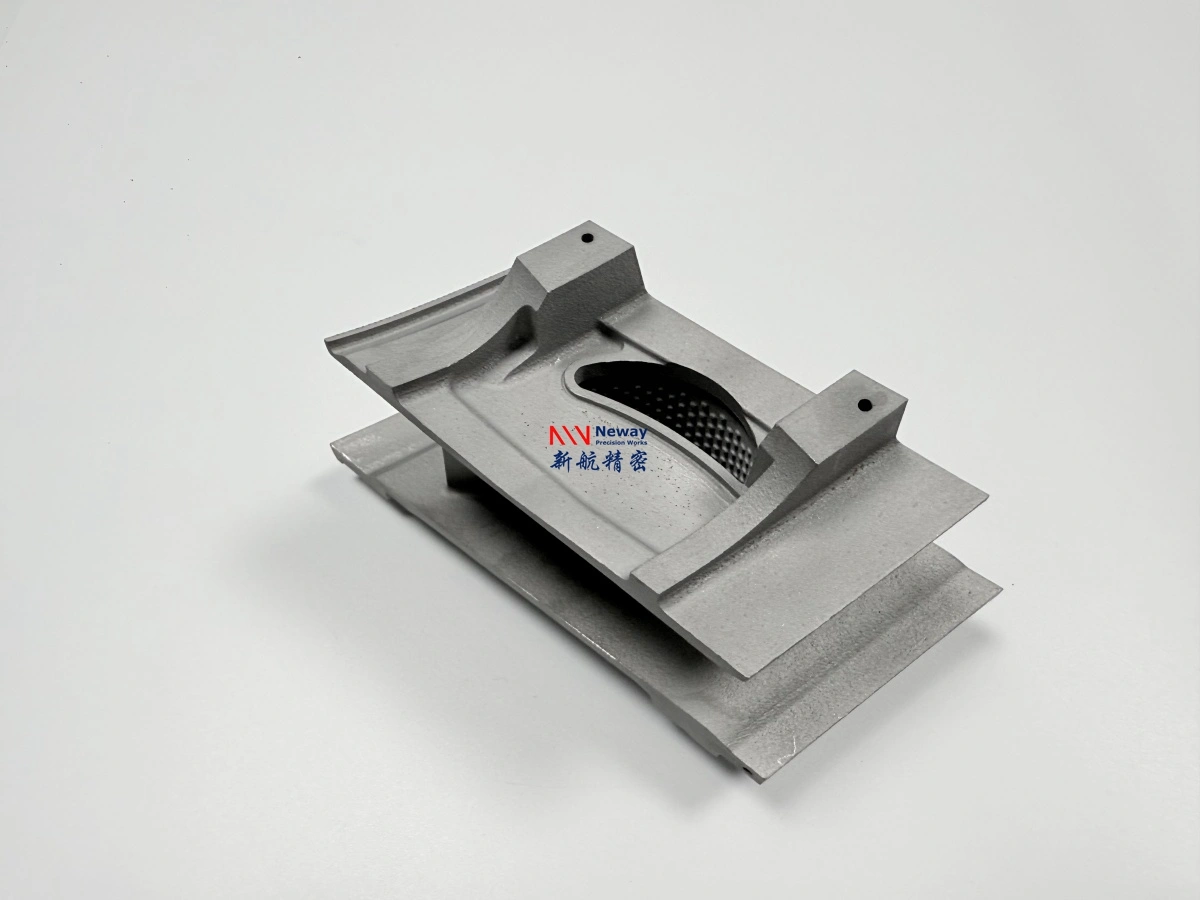
ECY-768, also written as ECY768 or ECY 768, is a cobalt-based casting superalloy used in gas turbine hot-section stationary components. It is mainly associated with nozzle guide vanes, turbine vanes, first-stage vane segments, and other hot gas path parts that must operate under high-temperature combustion gas, oxidation, hot corrosion, thermal fatigue, and long-term service exposure.
For manufacturing projects, ECY-768 should be evaluated as a specialized cobalt-based alloy for turbine hot-section casting applications. Its cobalt-chromium matrix provides high-temperature environmental resistance, while tungsten, tantalum, and carbon contribute to elevated-temperature strength and carbide strengthening. For nozzle and vane replacement projects, ECY-768 is typically manufactured through vacuum investment casting, followed by precision machining, inspection, and coating-related process control according to the customer drawing and turbine service requirements.
International Naming Table
Region / Standard | Naming / Designation |
|---|---|
OEM / Gas Turbine Industry | ECY-768 / ECY768 / ECY 768 |
Material Category | Cobalt-based casting superalloy |
Typical Component Reference | Gas turbine nozzle, vane, nozzle guide vane, first-stage vane segment |
Typical Service Position | Hot-section stationary parts / hot gas path components |
Standard Equivalent | No direct public universal equivalent |
Comparable Alloy Family | MAR-M 509, FSX-414, X-45, X-40, Haynes 25 / L-605, Haynes 188 |
Alternative Material Options
ECY-768 does not have a simple one-to-one replacement grade in public standards. When an ECY-768 drawing, repair document, or legacy turbine component requires replacement manufacturing, material selection should be based on engineering equivalence rather than name similarity. The comparison should include chemical composition, casting route, service temperature, creep behavior, oxidation resistance, hot corrosion resistance, weld repair sensitivity, coating compatibility, and turbine service position.
Potential alternatives may include MAR-M 509 / M-509, FSX-414, X-45, and Haynes 188 / HS-188 / UNS R30188, depending on the required performance and manufacturing route. For new hot-section turbine parts, special alloy casting can be used to manufacture cobalt or nickel-based components according to customer drawings and material specifications. Final substitute selection should always be approved by the customer, turbine owner, or engineering authority.
Design Intent of ECY-768
ECY-768 was designed for gas turbine hot-section stationary components where oxidation resistance, hot corrosion resistance, thermal fatigue resistance, and long-term high-temperature stability are critical. In combustion turbines, nozzles and vane segments guide hot gas flow into the turbine stage while maintaining aerodynamic geometry, platform alignment, sealing function, and structural integrity under severe thermal loading.
The design intent of ECY-768 is different from general-purpose structural alloys. It is selected for durability in hot gas path environments rather than only for room-temperature mechanical strength. The alloy must resist cracking around vane platforms, airfoil transitions, trailing edges, and repair-sensitive areas after long service exposure. Because ECY-768 may be difficult to weld, new casting quality, internal defect control, dimensional accuracy, coating preparation, and repair feasibility evaluation are especially important.
Chemical Composition (wt%)
Element | Typical wt% |
|---|---|
Co | ~55 |
Cr | ~23.5 |
Ni | ~10 |
W | ~7 |
Ta | ~3.5 |
C | ~0.6 |
Ti | ~0.2 |
Al | ~0.2 |
Note: ECY-768 composition should be confirmed against the customer drawing, OEM specification, repair document, or material certificate before manufacturing.
Physical Properties
Property | Typical Reference |
|---|---|
Material Type | Cobalt-based casting superalloy |
Primary Manufacturing Route | Vacuum investment casting / equiaxed casting |
Service Environment | High-temperature combustion gas and hot gas path exposure |
Oxidation Resistance | Good, supported by cobalt-chromium chemistry |
Hot Corrosion Resistance | Important for industrial gas turbine vane and nozzle duty |
Casting Behavior | Requires controlled melting, pouring, solidification, and inspection |
Mechanical Properties
Property | Engineering Relevance |
|---|---|
High-Temperature Strength | Helps maintain vane and nozzle geometry under hot gas loading |
Creep Resistance | Supports long-term dimensional stability in turbine hot-section exposure |
Thermal Fatigue Resistance | Critical for start-stop cycles, platform stress, and airfoil transition regions |
Oxidation / Hot Corrosion Resistance | Required for combustion gas environments and long-term hot gas path service |
Castability | Suitable for complex stationary turbine geometries when process control is strong |
Weld Repair Behavior | Generally difficult; repair should be assessed through controlled welding procedure evaluation |
Material Characteristics
ECY-768 is characterized by cobalt-based high-temperature stability, high chromium oxidation resistance, and carbide-strengthened casting performance. Tungsten and tantalum help improve high-temperature strength, while carbon supports carbide formation for hot-section durability. This alloy system is especially suitable for stationary turbine parts that experience severe gas-path exposure but do not require the same rotating fatigue behavior as turbine blades.
For gas turbine nozzle and vane components, ECY-768 helps preserve aerodynamic profiles, platform geometry, sealing interfaces, and structural integrity after long-term service exposure. Its value lies in high-temperature environmental resistance, dimensional stability, and durability in combustion turbine conditions. However, because ECY-768 can be difficult to weld, new castings should be produced with strict internal defect control, and service-exposed parts should be evaluated carefully before weld repair, refurbishment, or reverse-engineered replacement manufacturing.
Manufacturing Process Performance
ECY-768 is mainly associated with cast gas turbine components. For new production, vacuum investment casting is an appropriate manufacturing route for complex hot-section geometries such as nozzle guide vanes, first-stage vane segments, stator vanes, and other combustion turbine stationary parts. Vacuum casting helps reduce oxidation, contamination, and melt-related instability during production of cobalt-based superalloy components.
After casting, precision finishing is usually required for datum surfaces, sealing faces, mounting features, airfoil edges, cooling-related features, and assembly interfaces. superalloy CNC machining can be used to finish tolerance-critical surfaces after casting. If the part includes slots, cooling passages, local grooves, or difficult-to-machine details, superalloy EDM may be used for precision feature generation. Because turbine vane components are sensitive to casting defects, dimensional deviation, and coating interface quality, inspection should be integrated from casting blank approval to final delivery.
Applicable Post-processing
ECY-768 components may require heat treatment, HIP, machining, EDM, coating preparation, welding evaluation, and inspection depending on the turbine model, drawing requirement, and service condition. superalloy heat treatment may be used to stabilize the cast microstructure and support high-temperature performance. For critical castings, Hot Isostatic Pressing (HIP) may be considered to reduce internal porosity and improve structural reliability.
Welding repair should be handled cautiously because ECY-768 is known as a difficult-to-weld cobalt-based alloy in repair contexts. If welding is required, superalloy welding procedures should be reviewed based on crack sensitivity, filler material selection, preheating, post-weld heat treatment, and inspection requirements. For turbine hot-section parts, surface cleaning, coating allowance, dimensional allowance, and edge condition should also be controlled before applying Thermal Barrier Coating (TBC) or other protective coating systems. Final validation through material testing and analysis is recommended for high-value turbine components.
Common Applications
ECY-768 is mainly used in gas turbine hot-section stationary components. Typical applications include gas turbine nozzles, nozzle guide vanes, turbine vanes, first-stage vane segments, stator segments, combustion turbine vane hardware, and other hot gas path components requiring cobalt-based high-temperature performance. It is especially relevant to legacy gas turbine systems where OEM material references may appear on drawings, repair manuals, or refurbishment documents.
In these applications, ECY-768 components must resist oxidation, hot corrosion, creep-related distortion, and thermal fatigue cracking. The alloy is suitable for parts exposed to high-temperature gas flow but fixed in position, such as vane segments and nozzle assemblies. For replacement manufacturing, the drawing, original material specification, turbine model, coating requirement, inspection standard, operating history, and repair history should be reviewed before confirming ECY-768 or an alternative alloy.
When to Choose ECY-768
Choose ECY-768 when the customer drawing, OEM specification, or turbine repair document explicitly requires this cobalt-based casting superalloy for gas turbine hot-section stationary parts. It is most relevant for nozzle guide vanes, turbine vanes, first-stage vane segments, and hot gas path components where oxidation resistance, thermal fatigue resistance, hot corrosion resistance, and long-term high-temperature stability are more important than low density or easy weldability.
If ECY-768 is not available, alternative alloys should not be selected by name similarity alone. MAR-M 509 / M-509, FSX-414, X-45, and Haynes 188 may be considered only after comparing chemical composition, casting route, mechanical performance, service temperature, coating compatibility, repair behavior, and turbine operating conditions. For new components, the safest approach is to request the original material specification, drawing notes, heat treatment requirement, coating specification, inspection standard, and acceptance criteria before confirming manufacturability.
Engineering Selection Note
ECY-768 should be evaluated as a turbine engineering material rather than a general commercial cobalt alloy. For RFQ evaluation, customers should provide the 2D drawing, 3D model, material specification, turbine model, service position, quantity, coating requirement, cooling feature requirement, repair or new-build status, and inspection standard. This allows NewayAeroTech to determine whether ECY-768 casting, cobalt-based alternative casting, nickel-based superalloy casting, CNC machining, EDM, HIP, heat treatment, welding evaluation, TBC coating preparation, or material testing is most appropriate for the component.
Explore Related Blogs