Aircraft Structural Units: Superalloy Manufacturing Support for Aerospace Applications
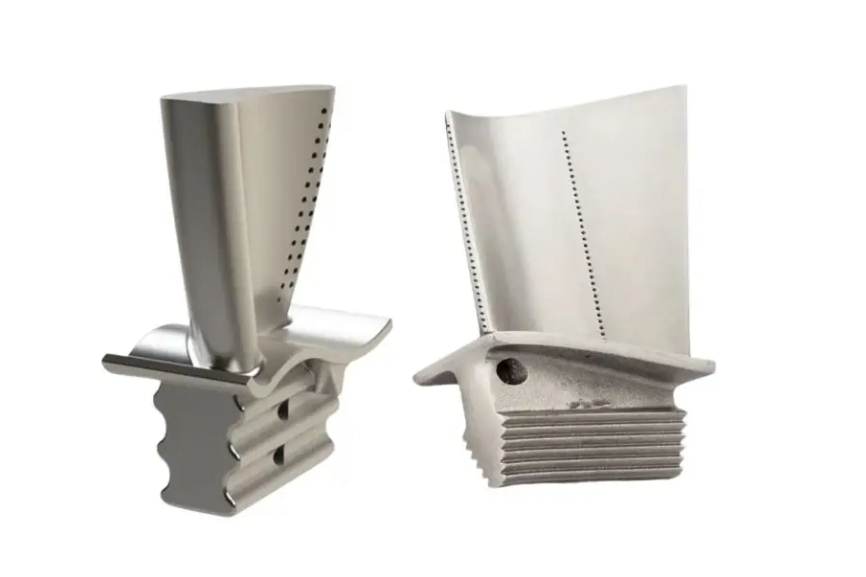
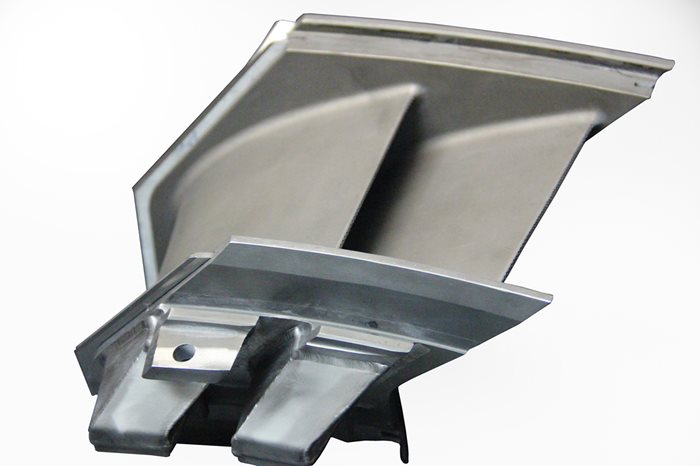
Aircraft structural units made from superalloys should be quoted from load path, interface, and inspection needs, not from a broad aerospace component label. A bracket, frame segment, mounting lug, hinge fitting, support boss, casing-related structure, or hot-area attachment can require a different route depending on section thickness, attachment holes, datum faces, thermal exposure, and whether the part must be cast, forged, machined, or additively prototyped before release.
NewayAeroTech can review custom high-temperature alloy structural hardware when the buyer provides drawings, models, material requirements, quantity, and acceptance criteria. Depending on geometry, the work may involve vacuum investment casting, precision forging, superalloy CNC machining, post-processing, and material testing. The RFQ should show which interfaces control assembly and which surfaces can remain as-cast, as-forged, or rough-machined.
Separate Load Path from Noncritical Shape
The first engineering question is where the structural unit carries load. A mounting lug, bracket foot, hinge bore, bolted flange, rib, or boss may control the component's acceptance while surrounding geometry mainly supports weight reduction or packaging. If the RFQ does not separate these areas, the supplier may add machining cost to noncritical surfaces while missing stock or inspection attention on the actual load path. Buyers should mark bearing faces, holes, pads, datum planes, and blend radii that require controlled geometry.
Thermal exposure also changes the review. Some aircraft structural units work near hot zones, ducts, engine casings, or exhaust-adjacent hardware where ordinary alloys may not be suitable. Others are structural but not directly exposed to high gas temperature. The alloy and process should reflect that distinction. A high-temperature bracket may need Inconel 718, Rene 41, Hastelloy, titanium, or another specified material, while a lower-temperature support may have a different manufacturing logic. The drawing context matters more than the word aerospace.
Structural feature | Buyer should identify | Manufacturing effect |
|---|---|---|
Mounting lug or hinge bore | Bearing surface, bore tolerance, datum relationship, and inspection requirement. | Controls stock allowance, tool access, and final dimensional reporting. |
Bracket foot or bolted pad | Flatness, bolt pattern, thread condition, and load-bearing face. | Drives CNC sequence, fixture strategy, and CMM scope. |
Rib or web section | Minimum wall, fillet radius, and casting or forging feasibility. | Influences route choice, shrinkage review, and distortion control. |
Hot-area shield support | Thermal exposure, coating boundary, and oxidation concern. | Changes alloy review, surface condition, and post-process planning. |
Route Choice for Structural Geometry
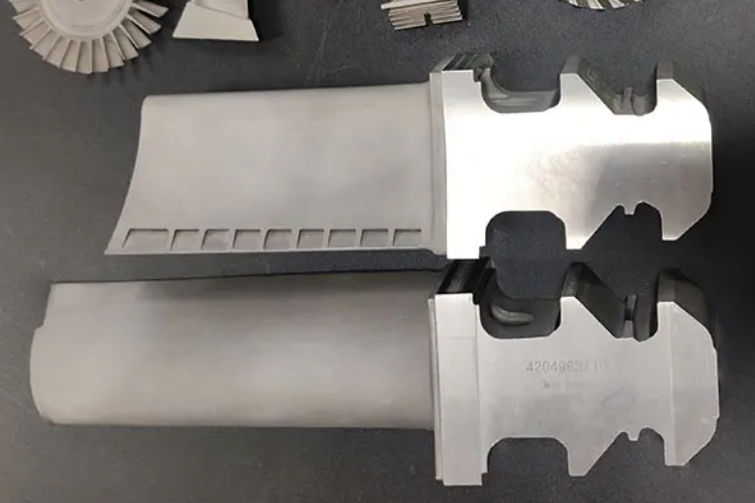
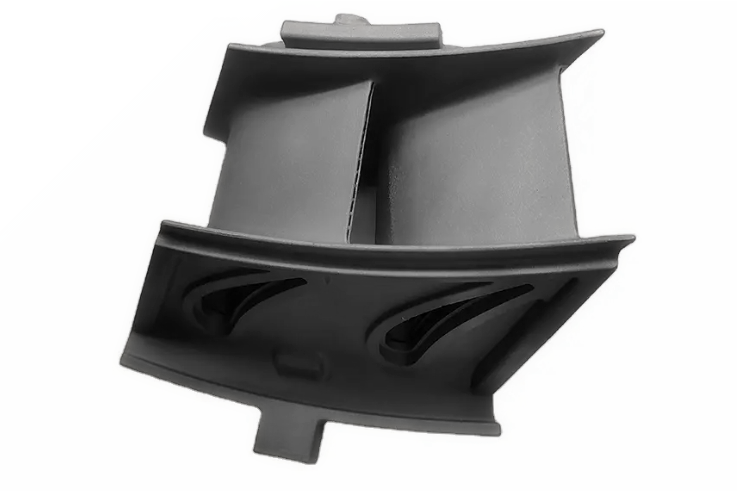
Vacuum investment casting may fit structural units with integrated bosses, ribs, pads, or complex transitions that would waste material if machined from billet. Forging may fit parts where a wrought structure, directional grain flow, or load-bearing blank is more important than cast complexity. CNC machining can work for prototypes, flat-sided brackets, or lower-complexity fittings. Additive manufacturing may support early geometry review, but the buyer should not assume a printed prototype automatically defines the production route.
The RFQ should state whether the manufacturing route is fixed by the buyer or open to supplier review. If casting is required, wall thickness, feed limitations, shrinkage risk, and machining stock must be reviewed. If forging is required, blank envelope, grain-flow expectation, and heat-treatment sequence need definition. If machining from billet is acceptable, stock form, tool access, and datum strategy become central. NewayAeroTech can review these options against drawing requirements and recommend the route boundary it can quote responsibly.
Route | Best fit in structural-unit RFQs | Risk to clarify |
|---|---|---|
Vacuum investment casting | Complex ribs, bosses, pads, casing-related structures, and near-net hot-area hardware. | Casting soundness, shrinkage areas, machining stock, and inspection access. |
Precision forging | Load-bearing brackets, lugs, rings, and blanks where wrought structure matters. | Blank shape, grain-flow expectation, heat treatment, and final machining owner. |
CNC machining | Prototype fittings, datum-heavy parts, and simpler structural geometry. | Material stock, tool access, hole position, surface finish, and CMM report. |
Prototype printing | Early fit checks, assembly studies, or pattern support depending on project. | Whether the printed part is only a prototype or part of the production route. |
Material Review for Superalloy Structural Units
Material choice should connect to the structural unit's load, temperature, corrosion exposure, and joining requirement. Inconel 718 may be reviewed for strength and process familiarity in many aerospace hardware RFQs. Rene and Nimonic grades may appear in higher-temperature contexts. Hastelloy or cobalt alloys may be considered when corrosion or heat exposure dominates. Titanium alloys may fit selected structural applications where weight and strength are central. The buyer should not treat all high-temperature alloys as interchangeable because machinability, heat treatment, inspection, and procurement risk vary by grade.
If the part belongs to an existing assembly, quote the released material grade and condition. If the buyer is changing route or replacing an old drawing, provide material history, sample analysis if available, and a clear approval path for alternatives. NewayAeroTech can discuss manufacturing feasibility, but final material approval and application suitability should be confirmed by the buyer's engineering authority. That boundary keeps the supplier response useful without making unsupported performance claims.
Machining Datums and Interface Control
Aircraft structural units often fail quotation clarity at the interface level. The final model may show a bracket or frame, but the supplier needs to know which surfaces locate the assembly. Datums, bores, slots, threaded holes, seal faces, and mating pads should be marked before route review. A casting or forging may be economical as a blank, but final machining can become difficult if the stock map leaves poor fixture pickup or insufficient cleanup on controlled faces.
For machined structural units, define whether NewayAeroTech is responsible for rough machining, finish machining, or only providing the near-net blank. If the supplier completes finish machining, the RFQ should include surface finish requirements, hole position, inspection points, and any customer report format. If another supplier will machine the part later, the blank must retain enough stock and usable reference surfaces. These choices affect cost, schedule planning, and the evidence needed for first-article review.
Surface Treatment and Inspection Evidence
Post-processing for structural units may include heat treatment, HIP if required by the cast route, surface cleaning, local blending, shot peening if specified, passivation or coating preparation, and final dimensional inspection. The RFQ should state which treatments are part of the supplier scope and which are performed downstream. A surface that receives coating later may need different dimensional allowance and surface preparation from a machined assembly face.
Inspection should follow the structural risk. CMM may be required for datums, bores, pads, and hole positions. FPI can be used for surface indications when required. X-ray or CT may be reviewed for cast internal conditions. Ultrasonic inspection may be relevant for some forged blanks. Material testing can include chemistry, hardness, metallography, or mechanical testing when specified. Buyers should distinguish first-article evidence from routine lot checks so suppliers quote the correct release package.
Prototype and First-Article Review
Prototype planning should answer a different question from production sourcing. A printed or machined prototype may help the buyer check assembly access, hole locations, envelope clearance, and handling, but it may not prove that the final casting or forging route can hold the same surfaces after heat treatment. When the production part will be cast or forged, the first article should confirm stock at critical pads, cleanup on bores and faces, distortion after treatment, and the inspection method that will be repeated for later lots.
For structural units with several interfaces, the buyer should define acceptance priority before first-article release. A mounting face may be more important than an outside contour. A bore axis may control assembly more than a cosmetic rib. If the drawing uses general tolerances, mark the features that actually affect fit and load transfer. This keeps the first-article review focused on manufacturing risk instead of turning it into a broad visual approval.
Supplier Boundary and RFQ Package
NewayAeroTech is suitable for custom superalloy and high-temperature alloy structural units when the buyer needs drawing-based manufacturing, route review, machining, post-processing, and inspection planning. It is not a source for original inventory spare parts, and it should not be asked to provide design approval or application certification that the buyer has not supplied. The supplier can quote manufacturing responsibility; the buyer should define final use, design authority, and acceptance requirements.
A strong RFQ includes a 2D drawing, 3D model, alloy grade, material condition, quantity, delivery condition, critical interfaces, heat-treatment requirement, surface treatment, inspection method, and any sample or assembly photos. Mark what can change during manufacturability review and what cannot. Include mating-part constraints when an interface must match an existing assembly under thermal movement. NewayAeroTech can then evaluate whether casting, forging, CNC machining, or a hybrid route is appropriate for the structural unit and return a quote tied to real manufacturing evidence.
Related FAQs
What materials are commonly used for aircraft structural units?
Why are high-temperature alloys essential for aircraft structural units?
How does rapid prototyping benefit the production of aircraft structural units?
What surface treatments are commonly applied to aircraft structural units?
What are the typical inspection methods to ensure quality in aircraft structural units?
How does CNC machining enhance quality and durability of aerospace parts?
How do quality control methods ensure the reliability of offshore structure units?