What materials are commonly used for aircraft structural units?
Introduction
Aircraft structural units—such as wings, fuselage frames, and landing gear—demand materials that combine high strength, low weight, and excellent fatigue resistance. The selection process balances performance, manufacturability, and cost, ensuring that each component can endure aerodynamic stress, temperature fluctuations, and vibration throughout flight operations.
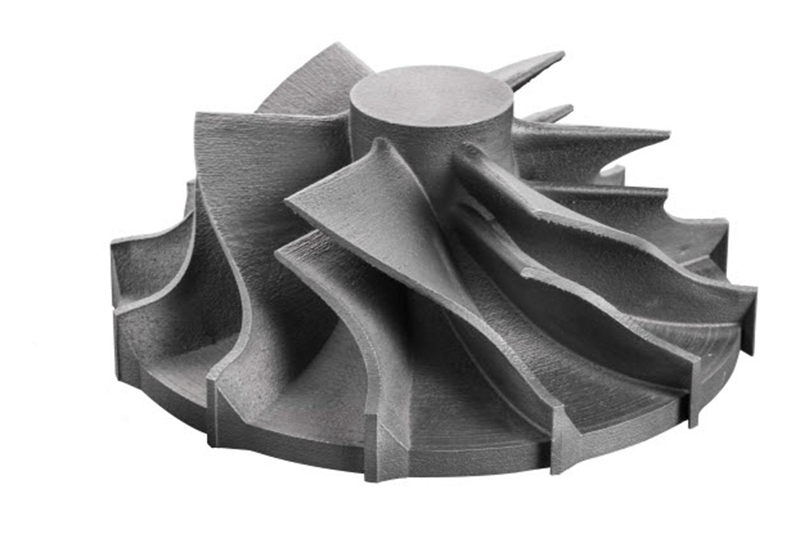
Modern aerospace manufacturing integrates a range of metals and advanced alloys, utilizing processes such as vacuum investment casting, superalloy precision forging, and 3D printing to achieve precise geometries and exceptional mechanical reliability.
Aluminum Alloys – The Lightweight Foundation
Aluminum remains the most widely used material for structural airframe components due to its excellent strength-to-weight ratio and resistance to corrosion. Alloys such as Al–Cu (2xxx series) and Al–Zn–Mg (7xxx series) are used in wing spars, fuselage frames, and control surfaces. Components manufactured via aluminum 3D printing or AlSi10Mg additive processes achieve high dimensional precision while reducing machining waste.
These alloys are often surface-treated through superalloy heat treatment or anodizing equivalents to enhance fatigue resistance and environmental durability.
Titanium Alloys – Strength Under Extreme Conditions
Titanium alloys are critical for load-bearing and high-temperature sections such as landing gear, engine pylons, and fasteners. Alloys like Ti-6Al-4V, Ti-6Al-2Sn-4Zr-2Mo, and Ti-5Al-5V-5Mo-3Cr (Ti5553) are commonly produced through precision casting or forging. Titanium’s outstanding corrosion resistance and fatigue strength make it ideal for both primary structures and engine mounts.
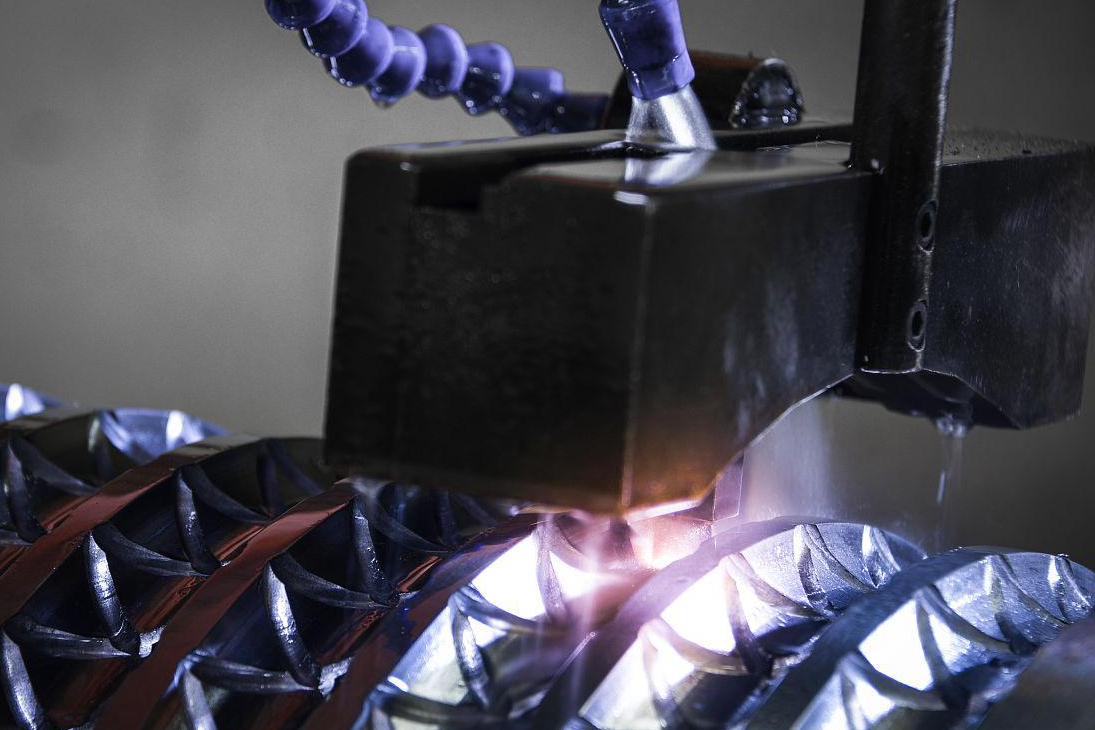
Post-processing techniques, such as hot isostatic pressing (HIP) and superalloy welding, further enhance density and eliminate internal defects, ensuring safety-critical reliability.
Nickel- and Cobalt-Based Superalloys – High-Temperature Resistance
For sections exposed to extreme heat—such as engine casings and turbine attachment points—nickel- and cobalt-based superalloys are indispensable. Alloys such as Inconel 718, Hastelloy X, and Stellite 6 exhibit structural stability and oxidation resistance above 1000°C. These materials are often used in combination with superalloy CNC machining and thermal barrier coating (TBC) for enhanced performance.
Advanced Composites and Hybrid Structures
Although metals dominate, composite materials such as carbon fiber-reinforced polymers (CFRPs) and glass fiber composites are increasingly adopted for weight reduction and improved fatigue life. These materials often integrate with metallic components forged or machined from titanium and superalloys to create hybrid structures that optimize performance and manufacturability.
Aerospace Applications
In the aerospace and aviation industry, material combinations are carefully selected based on location-specific stress and thermal conditions. For instance:
Aluminum alloys form the skin and ribs.
Titanium alloys support high-load and hot zones.
Nickel-based alloys sustain turbine and exhaust environments. Such integration ensures a balance between safety, efficiency, and cost.
Conclusion
The materials used for aircraft structural units represent a synergy between lightweight metals, high-temperature alloys, and composite materials. Through advanced forming and post-processing technologies, aerospace manufacturers achieve superior strength-to-weight ratios, thermal stability, and corrosion resistance—essential for safe, efficient, and long-lasting aircraft performance.