Why are high-temperature alloys essential for aircraft structural units?
Introduction
High-temperature alloys, also known as superalloys, are indispensable in modern aircraft design because they maintain exceptional mechanical strength, oxidation resistance, and dimensional stability under extreme heat. These materials are engineered to perform reliably in areas exposed to the most demanding thermal and mechanical conditions—such as turbine housings, exhaust systems, and structural joints near propulsion units.
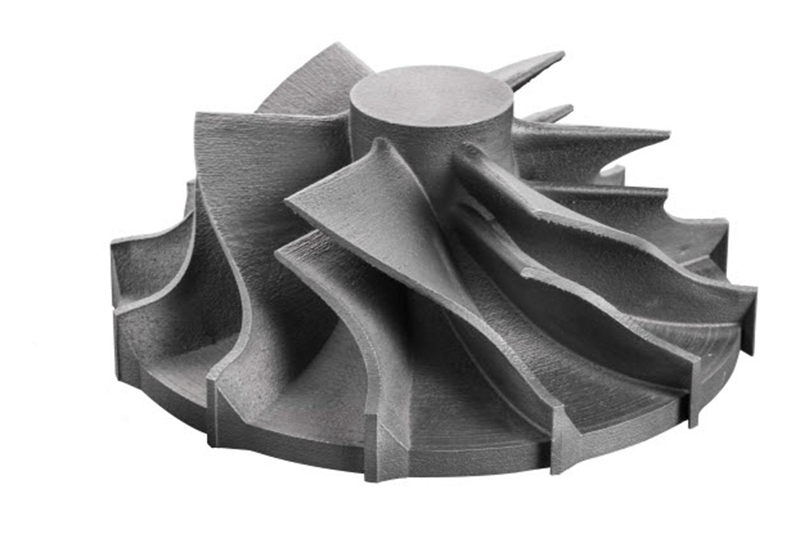
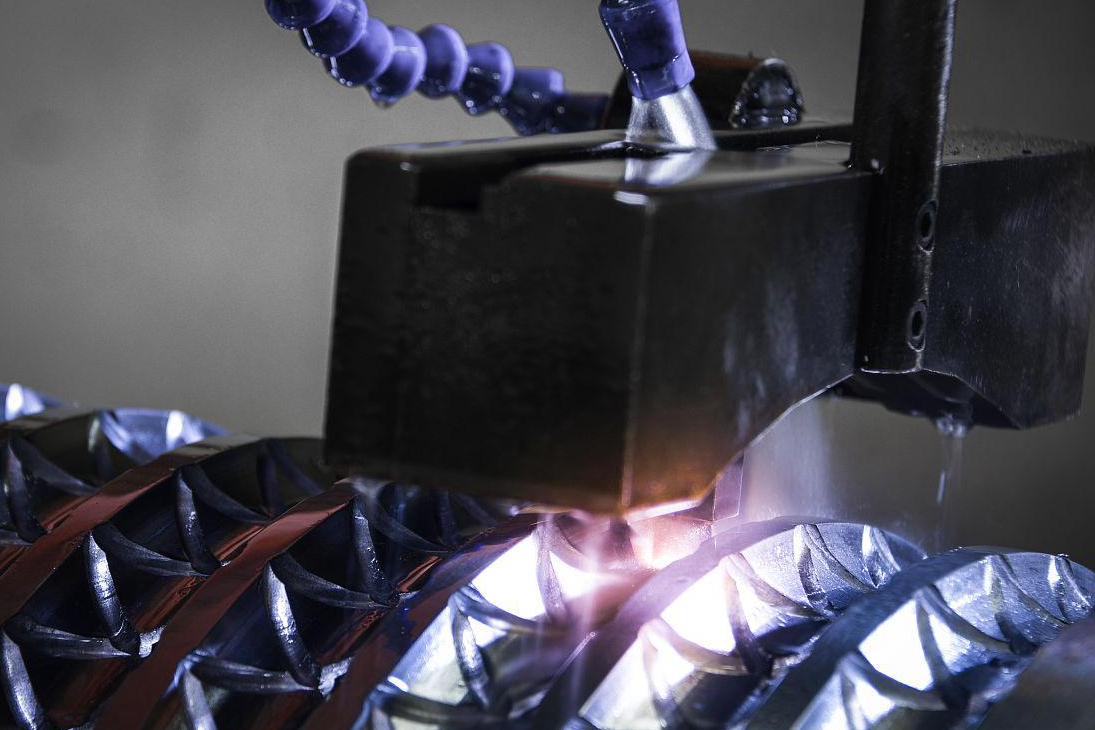
Through advanced processes such as vacuum investment casting and superalloy precision forging, manufacturers can produce components that can endure temperatures above 1000°C without compromising their structural integrity.
Superior Thermal and Mechanical Stability
High-temperature alloys such as Inconel 718, Rene 80, and Hastelloy X exhibit exceptional resistance to creep, fatigue, and oxidation. These properties are vital for engine mounts, turbine discs, and structural units located near exhaust flows, where continuous high-temperature exposure could otherwise lead to material degradation or deformation.
Processes such as superalloy heat treatment and hot isostatic pressing (HIP) are applied to optimize grain structure and eliminate porosity, enhancing long-term fatigue resistance and stability under stress. This ensures that critical components maintain precise dimensions and mechanical reliability during high-speed operation.
Resistance to Oxidation and Corrosion
Aircraft structures frequently experience extreme environmental conditions, including exposure to combustion gases and oxidizing atmospheres. Superalloys like Stellite 6 and Nimonic 90 form protective oxide layers that prevent corrosion and surface degradation. When combined with thermal barrier coating (TBC), these materials maintain their strength and functionality even after prolonged thermal cycling.
Such resistance ensures durability and performance consistency in high-stress assemblies, including exhaust frames and compressor casings, critical to maintaining aircraft efficiency and safety.
Integration with Lightweight and Hybrid Structures
In modern aircraft, high-temperature alloys complement materials like titanium alloys and aluminum-lithium composites. While titanium provides strength and weight efficiency for the airframe, superalloys handle the thermal loads of propulsion-related structures. This hybrid integration allows aerospace designers to achieve both lightweight construction and high-temperature resilience across different sections of the aircraft.
Applications in Aerospace Engineering
The aerospace and aviation industry relies heavily on superalloys for turbine blades, exhaust nozzles, and engine support structures. Their unique ability to retain strength at high temperatures ensures that performance and safety standards are consistently met, even in the most extreme flight conditions. These alloys are also critical in the power generation and military and defense sectors, where engines and thermal systems face similar stresses.
Conclusion
High-temperature alloys are essential to aircraft structural units because they provide the thermal endurance, mechanical stability, and oxidation resistance required for modern aerospace performance. Through precision casting, forging, and post-processing, superalloys enable the creation of lighter, stronger, and more efficient aircraft that can withstand the most severe flight environments.