How does rapid prototyping benefit the production of aircraft structural units?
Introduction
Rapid prototyping has become a cornerstone of modern aerospace manufacturing, transforming the way engineers design, test, and produce aircraft structural components. By leveraging technologies such as 3D printing services and additive manufacturing, manufacturers can develop complex geometries faster and validate new materials and structural designs with greater precision before committing to mass production. This approach significantly reduces lead time, risk, and cost while improving overall structural efficiency and performance.
Accelerating Design and Development Cycles
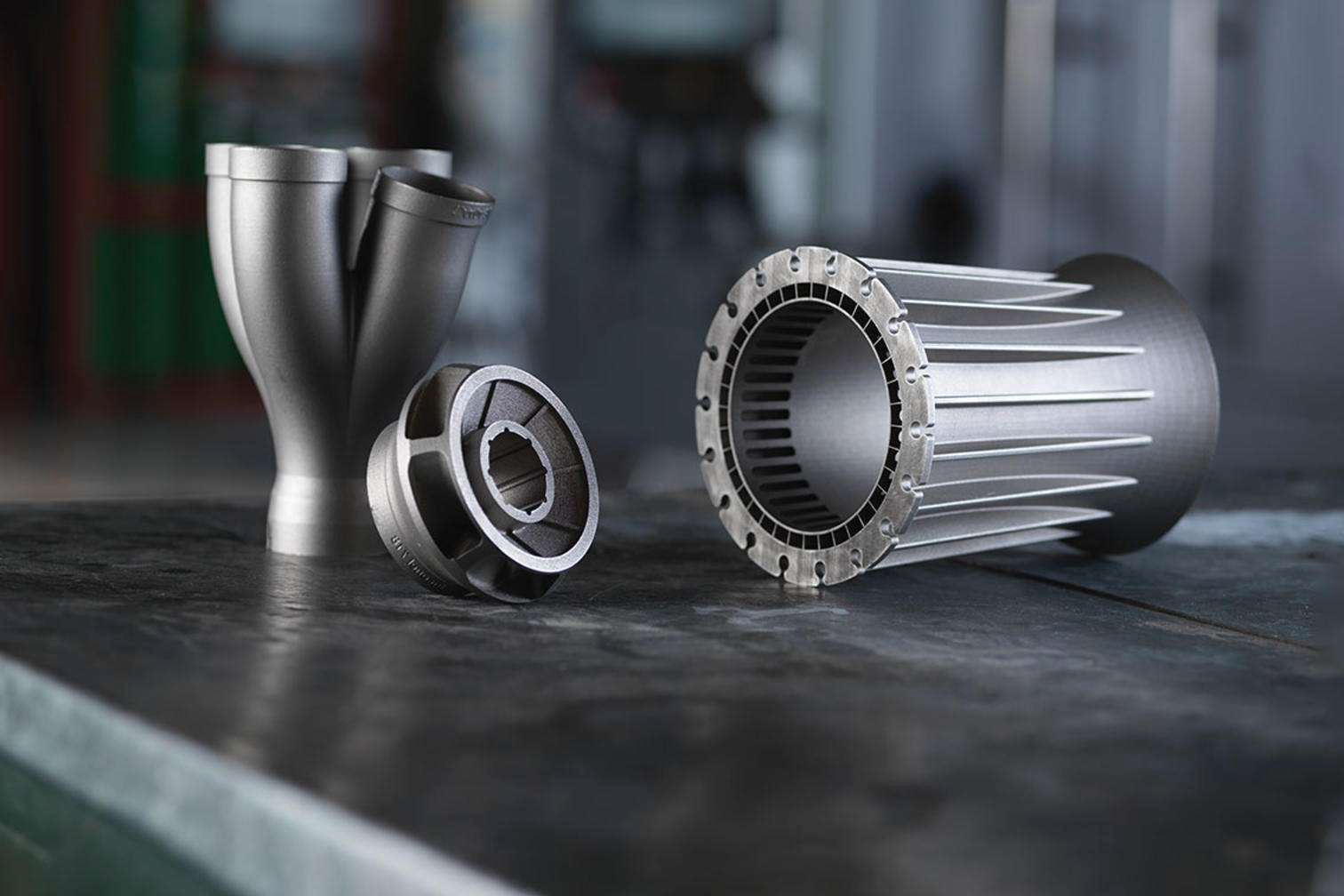
One of the primary advantages of rapid prototyping is the ability to shorten design-to-production timelines. Using aluminum 3D printing, stainless steel 3D printing, or titanium 3D printing, engineers can quickly produce functional prototypes of key aircraft components such as wing brackets, fuselage joints, and landing gear parts.
This enables early evaluation of form, fit, and aerodynamic behavior, allowing teams to identify potential design flaws before expensive forging or casting operations commence. The process complements traditional manufacturing methods, such as superalloy precision forging, ensuring that new designs are both manufacturable and structurally efficient.
Enabling Complex Geometry and Lightweight Design
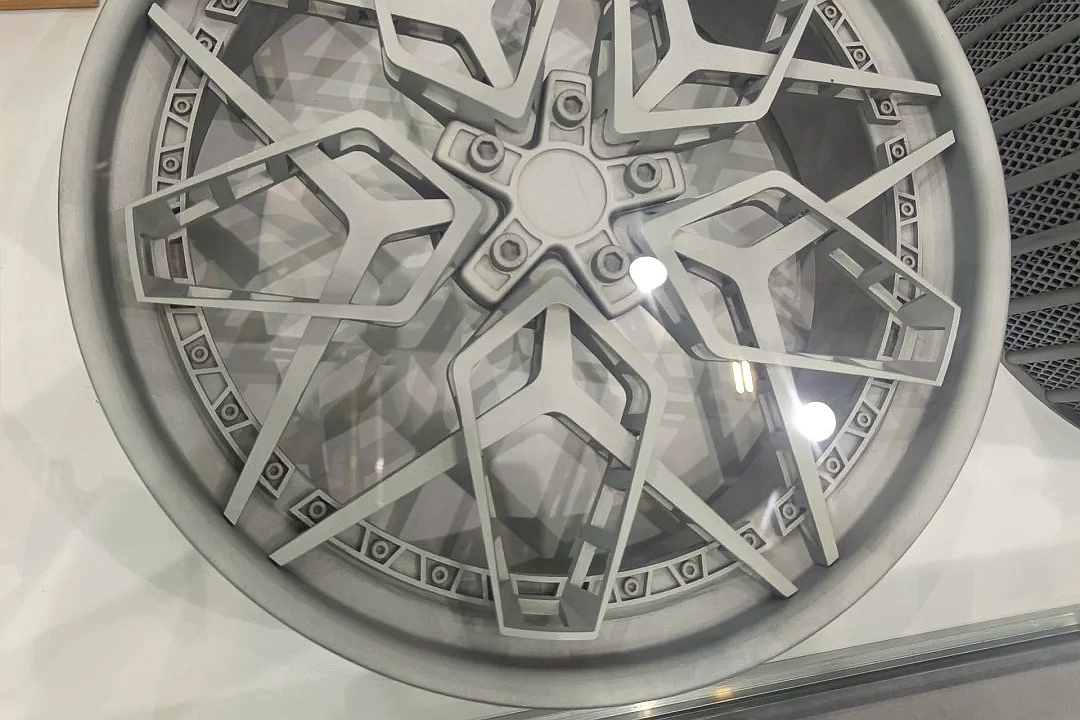
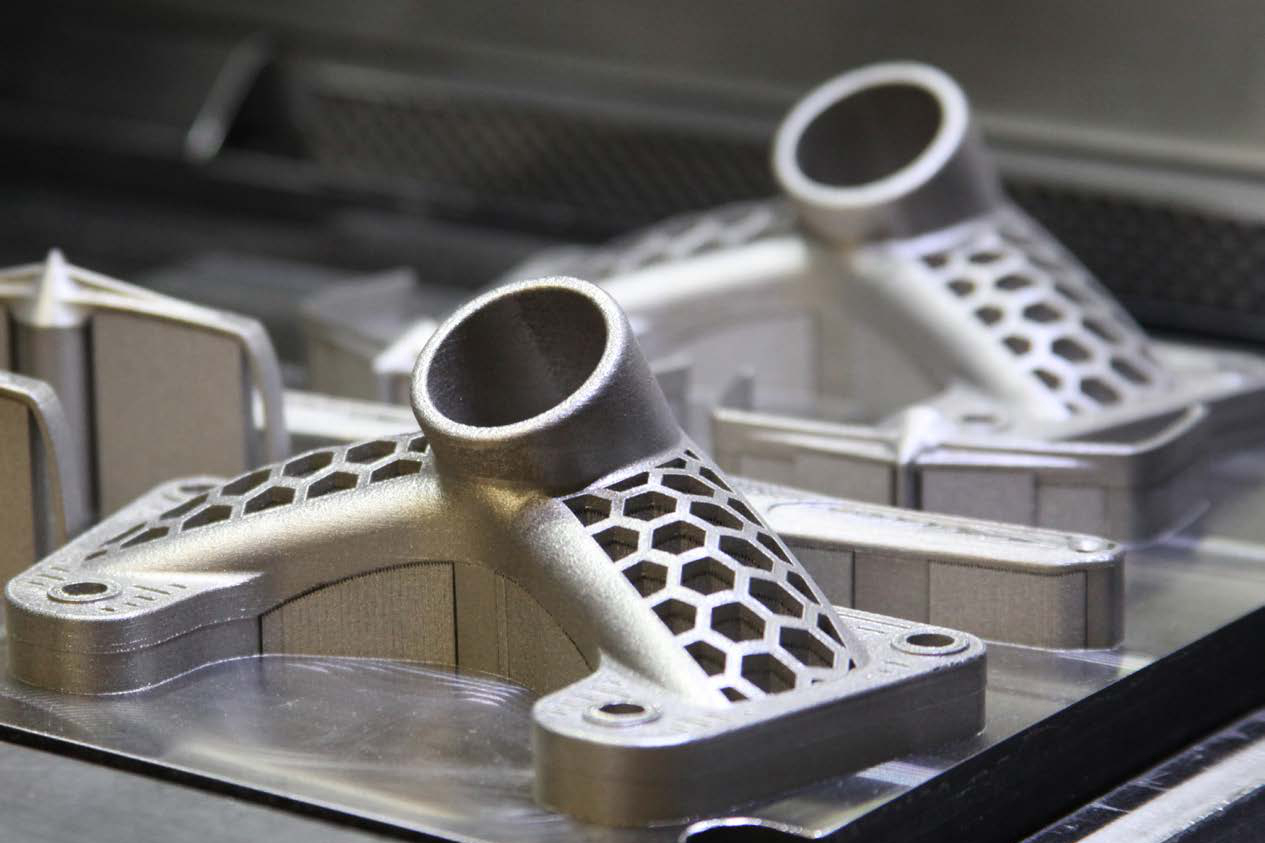
Rapid prototyping provides unprecedented design freedom for creating complex, weight-optimized structures that were once impossible to produce through conventional machining or casting. With superalloy 3D printing and high-performance materials like Inconel 718 and Ti-6Al-4V, manufacturers can design lattice or hollow structures that reduce weight without compromising mechanical strength.
These geometries improve stiffness-to-weight ratios, crucial for aircraft structures like frames and control surfaces. Additive manufacturing also enables near-net-shape fabrication, minimizing material waste and post-machining requirements—a major cost advantage in aerospace production.
Material Testing and Process Validation
Rapid prototyping allows the evaluation of new aerospace materials, including high-temperature superalloys and titanium alloys, under realistic operational conditions. Prototypes produced through additive manufacturing can undergo hot isostatic pressing (HIP) and superalloy heat treatment to simulate the properties of production-grade parts.
This step is vital for verifying fatigue performance, thermal stability, and structural reliability before transitioning to large-scale manufacturing. It also accelerates certification and compliance with standards of the aerospace and aviation industries.
Supporting Customization and Low-Volume Production
Aircraft structural components often require tailored designs for specific aircraft models or mission profiles. Rapid prototyping enables flexible, low-volume production using titanium alloys and superalloy materials. This is particularly valuable for prototype aircraft, limited-run defense programs, and next-generation aerospace development, where efficiency and adaptability are critical.
Integration with Conventional Manufacturing
Rapid prototyping doesn’t replace conventional methods—it enhances them. Components initially tested via 3D printing can later be manufactured at scale using vacuum investment casting or forging, once they have been validated. This seamless integration between prototyping and production ensures optimal alignment between digital design and physical fabrication, improving part quality and reducing iteration cycles.
Conclusion
Rapid prototyping plays a crucial role in modern aircraft manufacturing, enabling faster design iterations, material validation, and lightweight optimization. By integrating additive manufacturing with precision forging and post-processing, aerospace engineers achieve higher design flexibility, reduced costs, and superior performance in structural units that define the safety and efficiency of future aircraft.