
Турбинные детали из суперсплава Rene N6, полученные методом направленного литья
Введение
Турбинные компоненты, такие как лопатки, направляющие аппараты и сегменты в горячей части авиационных двигателей и газовых турбин, требуют материалов, обеспечивающих высокую механическую прочность, окалиностойкость и стабильность к ползучести при повышенных температурах. Rene N6, суперсплав на никелевой основе второго поколения, специально разработан для таких экстремальных условий. При изготовлении методом направленного литья достигается выравнивание столбчатых зерен, что значительно повышает сопротивление термической усталости и механическую надежность.
Neway AeroTech предоставляет услуги вакуумного литья по выплавляемым моделям для турбинных деталей из Rene N6 с использованием передовой технологии направленной кристаллизации. Наши компоненты служат для критически важных применений в аэрокосмической отрасли, энергетике и оборонном секторе, где первостепенное значение имеют точность размеров и целостность материала.
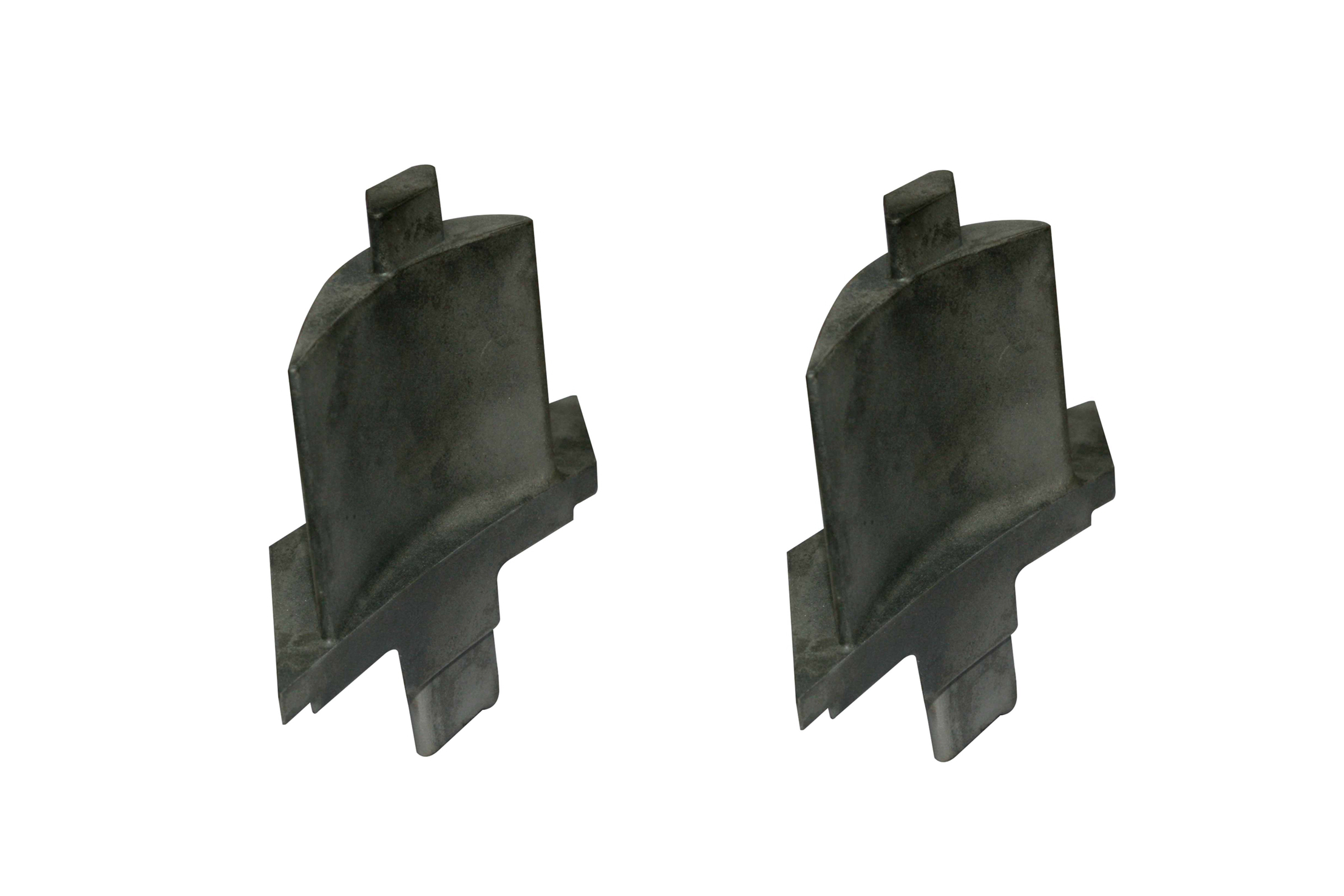
Основная технология направленного литья для турбинных деталей из Rene N6
Изготовление восковых моделей Литьевые восковые модели воспроизводят сложную геометрию деталей с допуском ±0,05 мм, включая профиль лопатки, платформу и бандажные элементы.
Изготовление оболочковой формы Оболочковые формы создаются послойно с использованием огнеупорных материалов, достигая толщины 6–10 мм и отличной стойкости к термическим напряжениям.
Интеграция селектора зерен Спиральные или мостовые селекторы зерен добавляются для обеспечения контролируемого столбчатого роста вдоль кристаллографического направления [001] во время затвердевания.
Вакуумно-индукционная плавка Rene N6 плавится в условиях высокого вакуума (≤10⁻³ Па) при температуре ~1450°C для достижения химической однородности и низкого содержания газов.
Направленная кристаллизация Форма извлекается с контролируемой скоростью (2–4 мм/мин) через температурный градиент, формируя столбчатые зерна, выровненные по направлению потока газа в турбине.
Удаление оболочки и очистка После затвердевания оболочки удаляются с помощью гидроабразивной обработки и кислотного травления, сохраняя четкость кромок и целостность охлаждающих каналов.
Горячее изостатическое прессование (ГИП) ГИП проводится при 1175°C и 150 МПа для устранения усадочной пористости и повышения сопротивления усталости.
Термическая обработка Применяется закалка и старение для оптимизации стабильности γ′-фазы и механических свойств.
Свойства материала Rene N6 для деталей, полученных направленным литьем
Максимальная рабочая температура: 1100°C
Предел прочности при растяжении: ≥1150 МПа при комнатной температуре
Длительная прочность (ползучесть): ≥230 МПа при 980°C, 1000 часов
Ориентация зерен: Столбчатая, направление [001] с отклонением <2°
Объемная доля гамма-прим фазы: ~70%
Окалиностойкость: Отличная при длительном воздействии высоких температур
Пример из практики: Турбинные детали из Rene N6, полученные направленным литьем, для авиационного двигателя
Предпосылки проекта
Neway AeroTech получила контракт на изготовление лопаток и направляющих аппаратов первой ступени турбины из Rene N6 для программы военного реактивного двигателя. Проект требовал точной ориентации зерен, минимальных литейных дефектов и долговременной стабильности к ползучести в условиях 1050–1100°C.
Типичные области применения
Лопатки и направляющие аппараты высоконапряженной турбины (ВНТ) авиадвигателей (например, F119, F135): Работа в условиях экстремальных температурных градиентов и высоких центробежных нагрузок.
Компоненты промышленных силовых турбин: Используются в горячей части крупногабаритных турбин для выработки электроэнергии с длительными межсервисными интервалами.
Лопатки турбин морских двигателей: Работа в термически и химически агрессивных средах, требующих окалиностойкости и сопротивления усталости.
Технологическое решение для изготовления деталей из Rene N6 методом направленного литья
Конструкция воскового блока Литниковые системы включают оптимизированные питатели и спиральные селекторы зерен, спроектированные с учетом CFD-анализа для управления процессом затвердевания.
Выполнение вакуумной заливки Rene N6 заливается в вакууме в керамические формы и подвергается направленной кристаллизации с тщательным контролем скорости вытягивания и температурного градиента.
ГИП и термическая обработка ГИП и термическая обработка повышают однородность γ′-фазы и устраняют остаточные литейные дефекты.
Окончательная механическая обработка и ЭЭО Критически важные охлаждающие каналы, отверстия под болты и сопрягаемые поверхности завершаются с использованием ЧПУ-обработки и электроэрозионной обработки (ЭЭО).
Контроль качества и испытания Компоненты проверяются с помощью КИМ, р�нтгеновского контроля и металлографического анализа для подтверждения внутренней сплошности и ориентации зерен.
Основные сложности при литье турбинных деталей из Rene N6
Избежание посторонних зерен в крупных профилях лопаток и направляющих аппаратов
Управление скоростями вытягивания для сложных геометрий
Сохранение точности размеров после последующей обработки
Обеспечение стабильной морфологии γ′-фазы после термической обработки
Результаты и проверка
Ориентация зерен [001] подтверждена с отклонением <2° с помощью EBSD
Достигнута длительная прочность >230 МПа при 980°C
После ГИП не обнаружено усадочной пористости
Допуск размеров в пределах ±0,03 мм для платформ и сопрягаемых элементов
100% прохождение рентгеновского и ультразвукового неразрушающего контроля
Часто задаваемые вопросы
Что делает Rene N6 подходящим для направленного литья турбинных деталей?
Как направленное литье улучшает сопротивление ползучести в турбинных компонентах?
В каких отраслях используются лопатки и направляющие аппараты из Rene N6?
Какие методы неразрушающего контроля используются после литья?
Можно ли применять направленное литье для крупных сегментов направляющих аппаратов или бандажей?
