
Индивидуальные детали из суперсплава Haynes 188, изготовленные методом 3D-печати. Услуги аддитивного...
Введение в аддитивное производство сплава Haynes 188
Haynes 188 — это кобальтовый суперсплав, известный своей выдающейся прочностью, стойкостью к окислению и термической стабильностью при температурах до 1095°C. Он широко используется в газовых турбинах, камерах сгорания, форсажных камерах и компонентах горячей части двигателей, где обычные сплавы неэффективны.
В компании Neway Aerotech наши услуги по 3D-печати суперсплавов обеспечивают прецизионное изготовление индивидуальных деталей из сплава Haynes 188 с использованием селективного лазерного плавления (SLM) для создания сложных геометрий и обеспечения превосходных высокотемпературных характеристик.
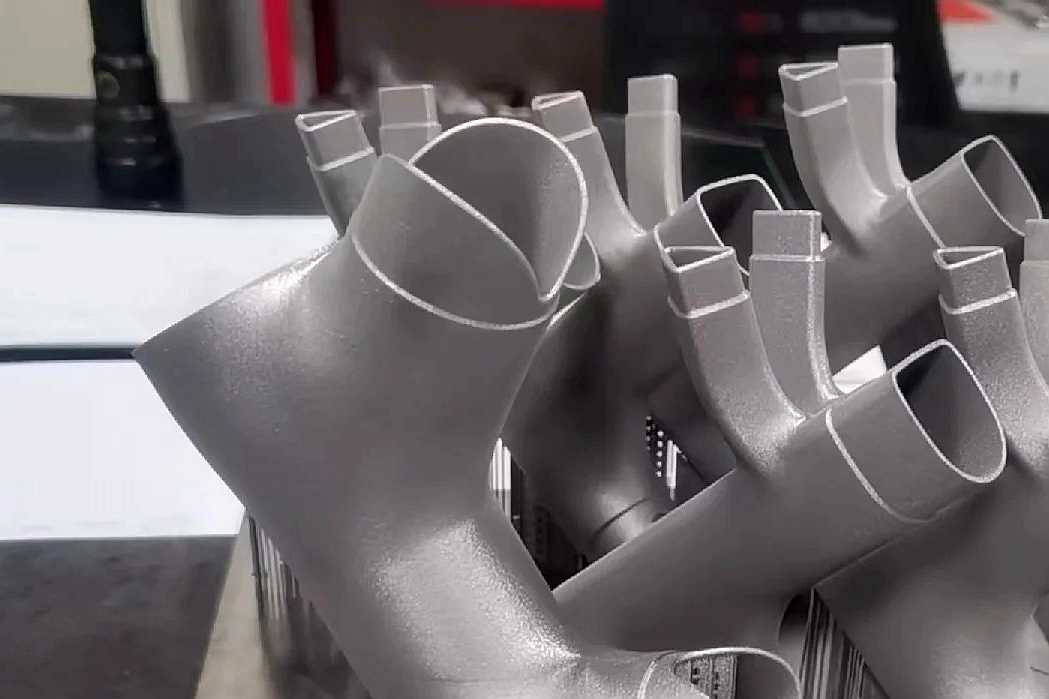
Возможности процесса SLM для компонентов из сплава Haynes 188
Параметры производства
Параметр | Значение | Описание |
|---|---|---|
Технология печати | Селективное лазерное плавление (SLM) | Обеспечивает высокое разрешение и изготовление сложных форм |
Толщина слоя | 30–50 мкм | Поддерживает создание тонких стенок, каналов и решетчатых структур |
Атмосфера камеры | Аргон, O₂ < 100 ppm | Предотвращает окисление во время печати |
Постобработка | ГИП (горячее изостатическое прессование), растворный отжиг, старение | Улучшает усталостные характеристики и ползучесть |
Достижимые допуски | ±0,05 мм | Подходит для элементов камер сгорания и сопел |
Почему сплав Haynes 188 идеально подходит для аддитивного производства
Свойство | Значение | Функциональное преимущество |
|---|---|---|
Температурный предел | До 1095°C | Подходит для облицовки камер сгорания и каналов форсажных камер |
Стойкость к окислению | Отличная | Сохраняет целостность в условиях высокоскоростного пламени |
Сопротивление ползучести | Стабильно при >1000°C | Долговечность в горячих зонах |
Свариваемость | Хорошая при АМ | Устойчивость к трещинам при быстром охлаждении |
Пластичность и усталостная прочность | Высокие | Надежность при циклических термических и механических нагрузках |
Стратегия постобработки для деталей из сплава Haynes 188, изготовленных методом 3D-печати
ГИП (горячее изостатическое прессование): 1180°C при 100 МПа в течение 4 часов для устранения пористости.
Растворный отжиг: 1175°C в течение 2 часов с последующим охлаждением на воздухе.
Старение: Опциональное старение при 870°C для повышения прочности.
Механическая обработка: ЧПУ-финишная обработка применяется к прецизионным отверстиям, уплотнительным поверхностям и резьбам.
Пассивация и полировка поверхности используются для деталей, подверженных воздействию продуктов сгорания.
Исследование случая: 3D-печатный завихритель из сплава Haynes 188 для авиационной камеры сгорания
Описание проекта
Производителю газовых турбин потребовался индивидуальный компонент завихрителя для высокотемпературной камеры сгорания. Деталь требовала наличия сложных лопаток, внутренних каналов потока и длительной эксплуатации при температуре 1000°C. Традиционное литье не позволяло достичь необходимой геометрии тонких стенок и каналов.
Производственный процесс
Проектирование: CAD-модель с толщиной лопатки 1 мм и интегрированными отражателями потока.
Материал: Распыленный порошок Haynes 188, D50 = 35 мкм.
Печать: SLM с толщиной слоя 40 мкм, лазер мощностью 350 Вт.
Постобработка: ГИП + отжиг + ЧПУ-обработка фланцев и внутренних отверстий.
Контроль: КИМ (координатно-измерительная машина) и РК-контроль (рентгеновский неразрушающий контроль) обеспечили соответствие размерным и металлургическим требованиям.
Результаты и верификация
Напечатанный завихритель из сплава Haynes 188 выдержал 1200-часовые циклические испытания пламенем при температуре 980–1040°C без образования трещин или повреждений от окисления. Конечный предел прочности на разрыв превысил 930 МПа, а внутренние каналы обеспечивали плавный и чистый поток без обнаруженной пористости при компьютерной томографии.
Часто задаваемые вопросы
Какие отрасли получают наибольшую выгоду от использования компонентов из сплава Haynes 188, изготовленных методом 3D-печати?
Как сплав Haynes 188 сравнивается с Inconel 625 или 718 при высокотемпературном использовании?
Каков максимальный размер детали, который можно напечатать из сплава Haynes 188 методом SLM?
Включены ли компьютерная томография и рентгеновский контроль для компонентов камер сгорания?
Можно ли использовать сплав Haynes 188 как для вращающихся, так и для статических деталей горячей части?
