
Производитель деталей газовых турбин методом литья по выплавляемым моделям
Введение
Литье по выплавляемым моделям обеспечивает непревзойденную точность (допуски ±0,05 мм) и превосходное качество поверхности (Ra ≤3,2 мкм), необходимые для производства сложных компонентов газовых турбин. В компании Neway AeroTech мы специализируемся на производстве высокопроизводительных деталей газовых турбин с использованием передовых технологий литья по выплавляемым моделям. Наши возможности гарантируют оптимальную функциональность в критически важных отраслях, включая аэрокосмическую, энергетику и нефтегазовую.
Наши турбинные компоненты демонстрируют высокие механические свойства (предел прочности при растяжении 900–1450 МПа), исключительную стойкость к коррозии и окислению, а также надежную работу при температурах до 1100°C.
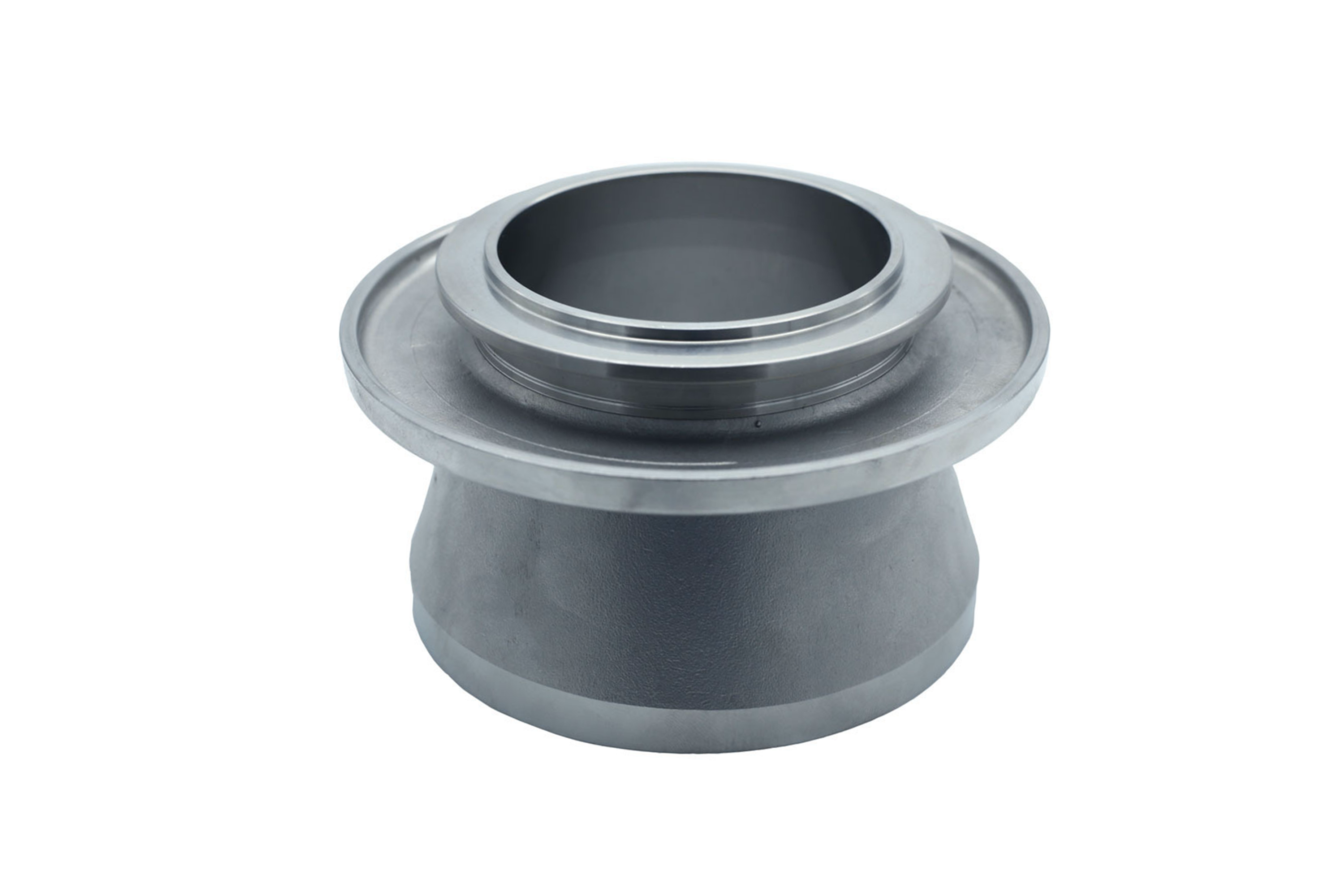
Основная технология литья по выплавляемым моделям
Изготовление восковых моделей: Высокоточные восковые модели создаются с точностью размеров ±0,03 мм, обеспечивая стабильное воспроизведение сложных геометрий турбины.
Изготовление керамической формы: Керамические оболочки (толщиной 10–15 мм), сформированные путем многократного погружения в суспензию, обеспечивают структурную целостность в процессе литья.
Контролируемое выплавление воска: Керамические формы нагреваются примерно до 250°C, что позволяет эффективно удалить воск без деформации, обеспечивая точное воспроизведение формы.
Вакуумное литье: Литье проводится при температурах до 1650°C в вакууме (<0,01 МПа кислорода), что обеспечивает минимальную пористость (<0,1%) и отсутствие окисления деталей.
Удаление оболочки и финишная обработка: Керамические оболочки удаляются механически; детали тщательно очищаются и обрабатываются для достижения шероховатости поверхности Ra ≤3,2 мкм.
Передовая термообработка: Компоненты проходят специализированную термообработку, включая гомогенизацию и старение (около 1050°C), что повышает предел прочности при растяжении и усталостную долговечность.
Характеристики материалов для компонентов газовых турбин
Свойство | Спецификация |
|---|---|
Типичные материалы | Никелевые сплавы (Inconel 718, Inconel 738), CMSX-4, Титановые сплавы (Ti-6Al-4V) |
Предел прочности при растяжении | 900–1450 МПа |
Предел текучести | ≥850 МПа |
Термостойкость | До 1100°C |
Точность размеров | ±0,05 мм |
Качество поверхности | Ra ≤3,2 мкм |
Коррозионная/окислительная стойкость | Исключительная при высоких температурах |
Рабочее давление | До 80 МПа |
Пример проекта: Литье деталей газовых турбин по выплавляемым моделям
Предпосылки проекта
Крупный мировой поставщик энергетических решений требовал высокоточных турбинных компонентов, способных работать в условиях длительных высокотемпературных (до 1100°C) и высокого давления (80 МПа). Ключевыми критериями производительности были точность размеров, высокие механические свойства и стойкость к окислению.
Распространенные компоненты газовых турбин и их применение
Лопатки турбины: Изготавливаются из монокристаллических сплавов (например, CMSX-4) для обеспечения максимальной ползучести при температурах до 1100°C.
Сопловые направляющие аппараты: Оптимизированы для направления высокотемпературных газов (≥1000°C), используют сплавы, такие как Inconel 738, для превосходной стойкости к термической усталости.
Огневые трубы камеры сгорания: Спроектированы для исключительной стойкости к окислению, долговечности и стабильности при непрерывной работе в условиях высоких температур (до 1050°C).
Диски турбины: Изготавливаются из никелевых жаропрочных сплавов, обеспечивая исключительную усталостную прочность и надежность во вращательных приложениях при повышенных температурах.
Выбор материалов и конструктивные особенности
Такие материалы, как CMSX-4 и Inconel 718, выбраны за высокую прочность при высоких температурах (>900 МПа предел прочности при растяжении), стойкость к окислению и ползучести. Структурные оптимизации включают аэродинамические формы, охлаждающие каналы и усиленные точки напряжения.
Решение для производства компонентов газовых турбин
Прецизионное изготовление восковых моделей: Восковые модели точно формируются (допуски ±0,03 мм), что позволяет стабильно воспроизводить сложные охлаждающие каналы и формы лопаток.
Изготовление керамической оболочки: Многократные покрытия суспензией обеспечивают толщину оболочки 10–15 мм, что необходимо для сохранения размеров и долговечности формы.
Вакуумное литье: Литье сплава при ~1600°C в вакууме (<0,01 МПа кислорода), обеспечивая пористость <0,1% и бездефектную микроструктуру.
Термообработка: Индивидуальная гомогенизация и старение при ~1050°C значительно повышают механическую прочность (до 1450 МПа предел прочности при растяжении).
Прецизионная обработка на станках с ЧПУ: Передовая обработка жаропрочных сплавов на станках с ЧПУ гарантирует точность размеров (±0,05 мм) и сложную детализацию поверхности.
Термобарьерные покрытия (ТБП): Нанесение специализированных термобарьерных покрытий повышает тепловую защиту и продлевает срок службы компонентов.
Неразрушающий контроль (НК): Тщательный радиографический (рентгеновский контроль) и ультразвуковой контроль подтверждают целостность внутренней структуры.
Испытания на эксплуатационные характеристики: Высокоточные испытания воспроизводят условия работы турбины, подтверждая надежность и производительность компонентов в реальных условиях.
Основные производственные задачи
Соблюдение строгих допусков размеров (±0,05 мм).
Минимизация уровня пористости отливки (<0,1%).
Обеспечение стабильных механических и термических свойств по всей сложной геометрии.
Обширные протоколы испытаний для проверки усталостной и коррозионной стойкости при экстремальных температурах.
Результаты и проверка
Проверка точности размеров: Передовые координатно-измерительные машины (КИМ) подтвердили точность в пределах требований по допуску ±0,05 мм.
Подтверждение механических испытаний: Предел прочности при растяжении стабильно достигал 900–1450 МПа, превышая проектные критерии и отраслевые стандарты.
Подтверждение стойкости к окислению: Циклические испытания на окисление по стандарту ASTM продемонстрировали выдающуюся стойкость при температурах выше 1000°C.
НК и обеспечение качества: Радиографический и ультразвуковой контроль подтвердили отсутствие внутренних дефектов, соответствуя строгим аэрокосмическим и промышленным стандартам.
Проверка качества поверхности: Шероховатость поверхности стабильно ниже Ra 3,2 мкм, что значительно снижает аэродинамическое сопротивление и повышает эффективность турбины.
Часто задаваемые вопросы
Какие материалы обычно использует Neway AeroTech для компонентов газовых турбин?
Какой уровень точности размеров может быть достигнут с помощью литья по выплавляемым моделям?
Как Neway AeroTech обеспечивает бездефектные отливки для турбинных компонентов?
Можно ли адаптировать индивидуальные проекты и спецификации для специализированных турбинных деталей?
Какие виды испытаний и процессов обеспечения качества используются для турбинных отливок?
