Haynes 188
Введение в материал
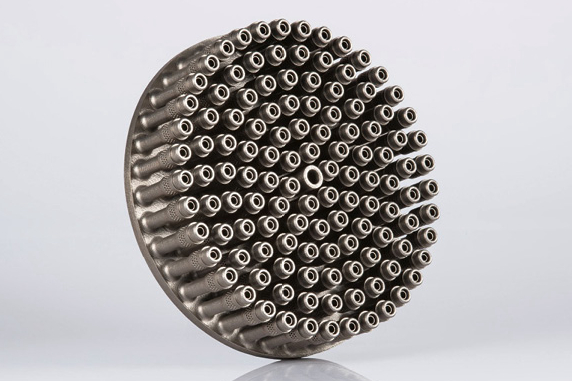
Haynes 188 — это кобальт-никель-хром-вольфрамовый суперсплав, разработанный для экстремальных высокотемпературных сред, где стойкость к окислению, термической усталости и ползучести имеет решающее значение для успеха миссии. Благодаря выдающемуся сохранению прочности при температурах выше 980 °C, Haynes 188 широко используется в аэрокосмической отрасли, энергетике и системах промышленных газовых турбин. При обработке на передовых платформах аддитивного производства металлов, таких как высокотемпературная 3D-печать суперсплавов от Neway AeroTech, Haynes 188 позволяет конструкторам создавать облегченные оптимизированные геометрии с внутренними каналами охлаждения, решетчатыми структурами и профилями с тонкими стенками, которые трудно или невозможно получить методами традиционного литья или ковки. Его исключительная стойкость к окислению, отличная металлургическая стабильность и высокая свариваемость делают его премиальным материалом для компонентов, которые должны выдерживать длительные термические циклы, воздействие коррозионных выхлопных газов и экстремальные механические нагрузки.
Международные названия или представительные марки
Страна/Регион | Общее название | Представительные марки |
|---|---|---|
США | Haynes 188 | Alloy 188 |
Европа | Co-Ni-Cr-W Суперсплав | 2.4684 |
Япония | Высокотемпературный кобальтовый сплав | Alloy 188 |
Китай | GH5188 | GH188 |
Аэрокосмическая промышленность | Жаропрочный сплав на кобальтовой основе | 188 |
Альтернативные варианты материалов
Для применений, требующих иного баланса характеристик, можно рассмотреть несколько альтернатив в зависимости от температурного диапазона, требований к окислению или стоимости. Никелевые суперсплавы, такие как Inconel 738 и Inconel 939, обеспечивают исключительную прочность на ползучесть при повышенных температурах и хорошо подходят для использования в лопатках турбин. Для еще большей долговечности монокристаллические сплавы, такие как CMSX-4, или направленно кристаллизованные суперсплавы, полученные методом направленной кристаллизации, обеспечивают экстремальную долгосрочную термическую стабильность. Когда основной проблемой является химическая коррозия, сплавы с высоким содержанием молибдена, такие как Hastelloy X, обеспечивают выдающуюся стойкость к окислительным и восстановительным средам. Облегченные альтернативы, такие как Ti-6Al-2Sn-4Zr-6Mo, могут быть выбраны, когда требуется высокая удельная прочность при умеренных температурах. Эти варианты позволяют конструкторам адаптировать выбор материалов в соответствии с стоимостью, термостойкостью и структурными требованиями.
Цель разработки
Haynes 188 был изначально разработан для суровых высокотемпературных окислительных сред, обычно встречающихся в камерах сгорания, выхлопных секциях турбин и аэрокосмических двигательных системах. Его состав, включающий кобальт, никель, хром и вольфрам, обеспечивает отличную термическую стабильность, стойкость к окислению и прочность на ползучесть, значительно превосходящую показатели обычных никелевых сплавов. В аддитивном производстве цель расширяется до создания структур с конформным охлаждением, облегченных и топологически оптимизированных, которые снижают массу, одновременно повышая тепловую эффективность, производительность топлива и долгосрочную долговечность в экстремальных услови�х эксплуатации.
Химический состав (типичный диапазон)
Элемент | Состав (%) |
|---|---|
Кобальт (Co) | Остальное |
Никель (Ni) | 22 |
Хром (Cr) | 22 |
Вольфрам (W) | 14 |
Железо (Fe) | ≤ 3 |
Марганец (Mn) | ≤ 1.25 |
Кремний (Si) | ≤ 0.5 |
Углерод (C) | 0.06–0.14 |
Физические свойства
Свойство | Значение |
|---|---|
Плотность | ~9.1 г/см³ |
Температура плавления | ~1260–1355 °C |
Теплопроводность | 10–12 Вт/м·К |
Удельное электрическое сопротивление | ~1.1 мкОм·м |
Удельная теплоемкость | ~430 Дж/кг·К |
Механические свойства
Свойство | Типичное значение |
|---|---|
Предел прочности на разрыв | 760–860 МПа |
Предел текучести | 450–520 МПа |
Относительное удлинение | 35–50% |
Твердость | 220–260 HB |
Прочность при высоких температурах | Отличная до 1100 °C |
Ключевые характеристики материала
Исключительная стойкость к высокотемпературному окислению для поверхностей турбин и камер сгорания
Выдающаяся стойкость к термической усталости при повторяющихся циклах нагрева и охлаждения
Высокая стойкость к ползучести при температурах, превышающих 980 °C
Отличная пластичность и вязкость в широком диапазоне температур
Стабильная микроструктура, идеальная для длительного воздействия в условиях высоких температур
Отличная свариваемость и стойкость к образованию трещин в процессах аддитивного сплавления
Высокая стойкость к горячей коррозии и воздействию газов сгорания
Превосходные характеристики в конструкциях с тонкими стенками и сложной геометрией
Высокая металлургическая стабильность при быстрых термических циклах в аэрокосмических двигателях
Пригодность для сред с экстремальными механическими напряжениями и повышенными температурами
Обрабатываемость различными методами
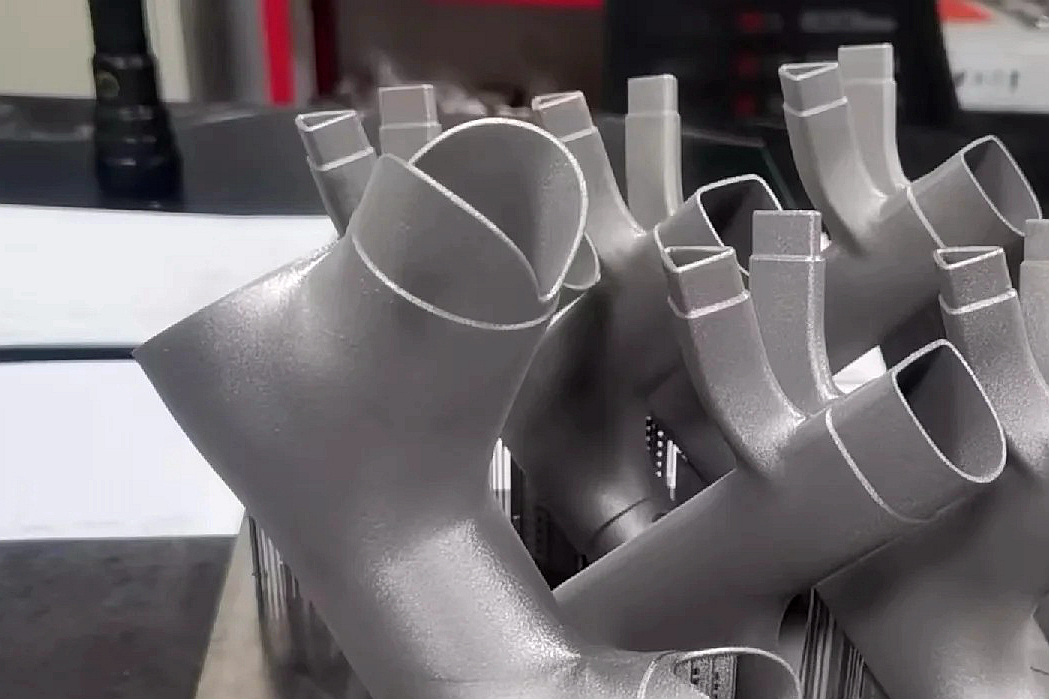
Аддитивное производство: Селективное лазерное сплавление порошков позволяет изготавливать высокоточные высокотемпературные компоненты со сложными внутренними каналами охлаждения с использованием передовой технологии 3D-печати суперсплавов от Neway.
ЧПУ обработка: Поведение материала при наклепе требует оптимизированных стратегий резания, поддерживаемых ЧПУ обработкой суперсплавов.
Электроэрозионная обработка (EDM): Сложные профили и охлаждающие каналы эффективно изготавливаются методом электроэрозионной обработки суперсплавов.
Глубокое сверление: Сохраняет размерную стабильность под тепловой нагрузкой при обработке с использованием передовых методов глубокого сверления.
Термическая обработка: Усовершенствование микроструктуры и снятие напряжений выполняются посредством точных циклов термической обработки суперсплавов.
Сварка: Высокая свариваемость обеспечивает эффективное соединение с использованием контролируемой сварки суперсплавов.
Литье по выплавляемым моделям: Применимо через контролируемое равноосное литье для конкретных форм, требующих функциональности сопротивления термической усталости.
Подходящие методы постобработки
Горячее изостатическое прессование (HIP) с использованием передовой технологии HIP для удаления пористости и повышения усталостной прочности
Высокотемпературная термическая обработка для максимизации стойкости к ползучести и однородности микроструктуры
Механическая обработка поверхности для точного контроля допусков в секциях турбин или камер сгорания
Покрытия, стойкие к окислению, такие как теплозащитное покрытие, для улучшения характеристик при термическом циклировании
Неразрушающий контроль посредством передового тестирования и анализа материалов
Полировка или абразивная отделка для снижения сопротивления и улучшения теплового потока в компонентах двигателей
Финишная электроэрозионная обработка для сложных внутренних путей, требующих плавного теплового потока
Распространенные отрасли и применения
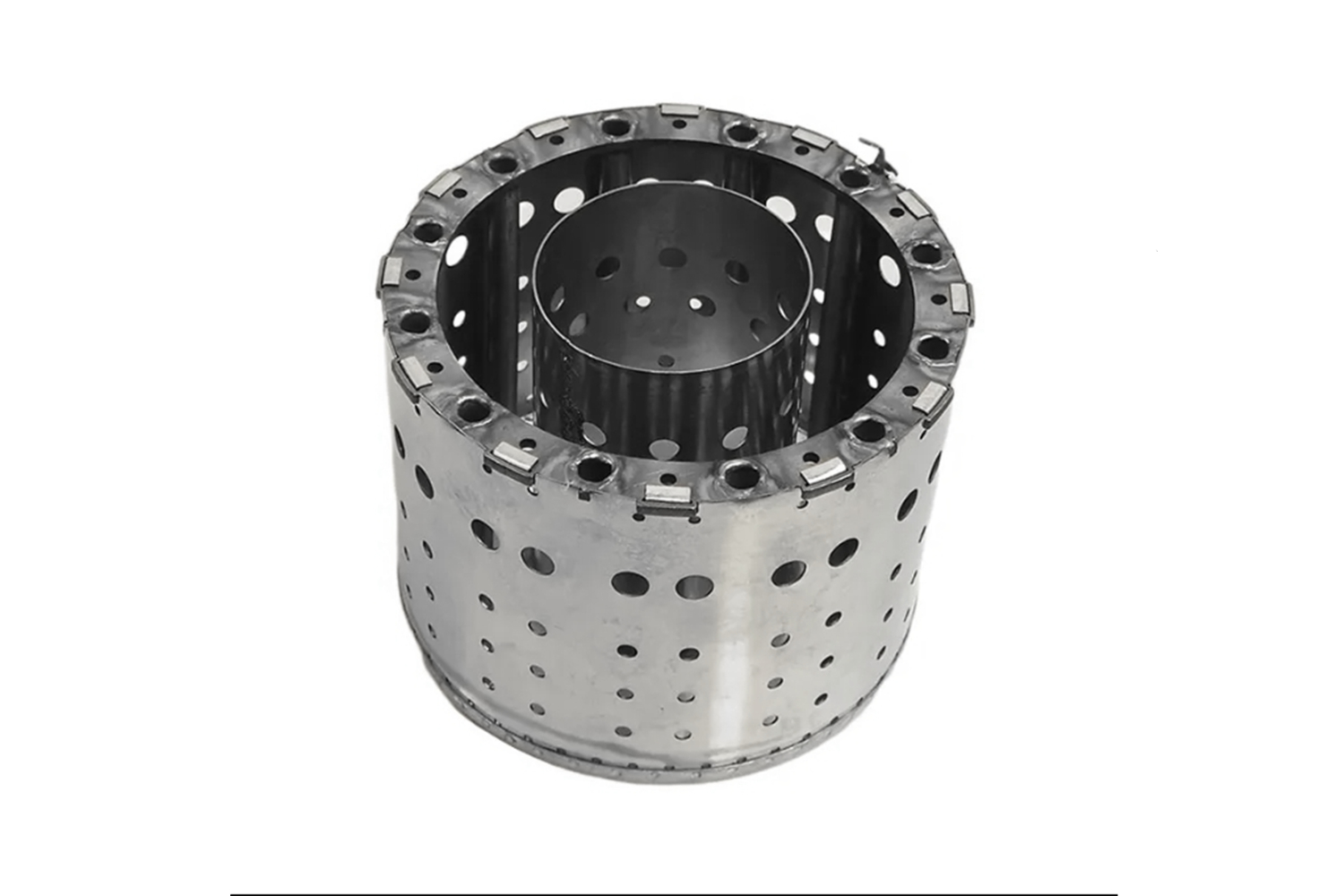
Компоненты аэрокосмических турбин, облицовка камер сгорания, выхлопные сегменты и конструкции топливных форсунок
Элементы горячей части газовых турбин для генерации энергии
Компоненты промышленных печей, подверженные экстремальному окислению
Высокотемпературные узлы и теплообменники в энергетическом секторе
Компоненты оборонных двигательных систем, требующие высокой термической выносливости
Среды химической переработки с участием коррозионных газов и экстремального тепла
Когда выбирать этот материал
Когда компоненты должны выдерживать температуры выше 980 °C с долгосрочной стойкостью к окислению
Когда термическая усталость является основной проблемой проектирования для турбинных или выхлопных систем
Когда необходимо производить конструкции с тонкими стенками, облегченные или с конформным охлаждением методом аддитивного производства
Когда механическая нагрузка остается серьезной при повышенных температурах
Когда коррозия и окисление горячими газами требуют исключительных характеристик сплава
Когда компонент� требуют длительного срока службы в условиях циклических тепловых воздействий
Когда никелевые сплавы не справляются из-за ограничений по ползучести или окислению
Когда аэрокосмические, энергетические или оборонные системы требуют максимальной надежности при высоких температурах
Изучить связанные блоги