17-4 PH
Введение в материал
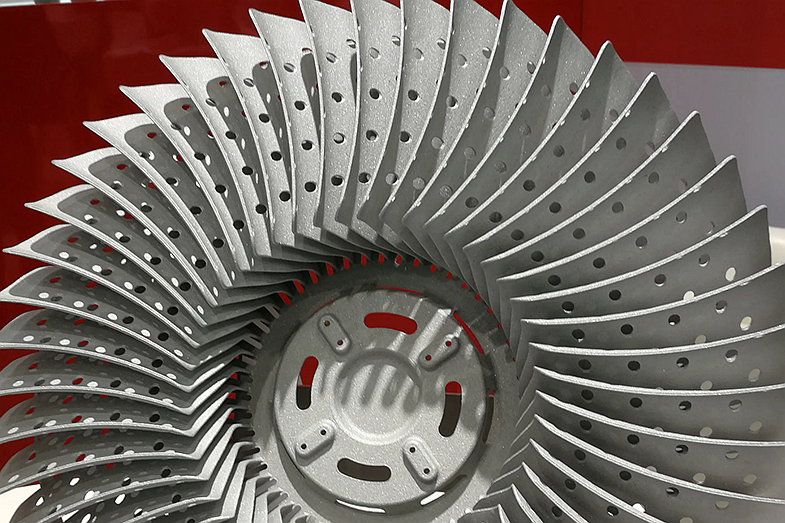
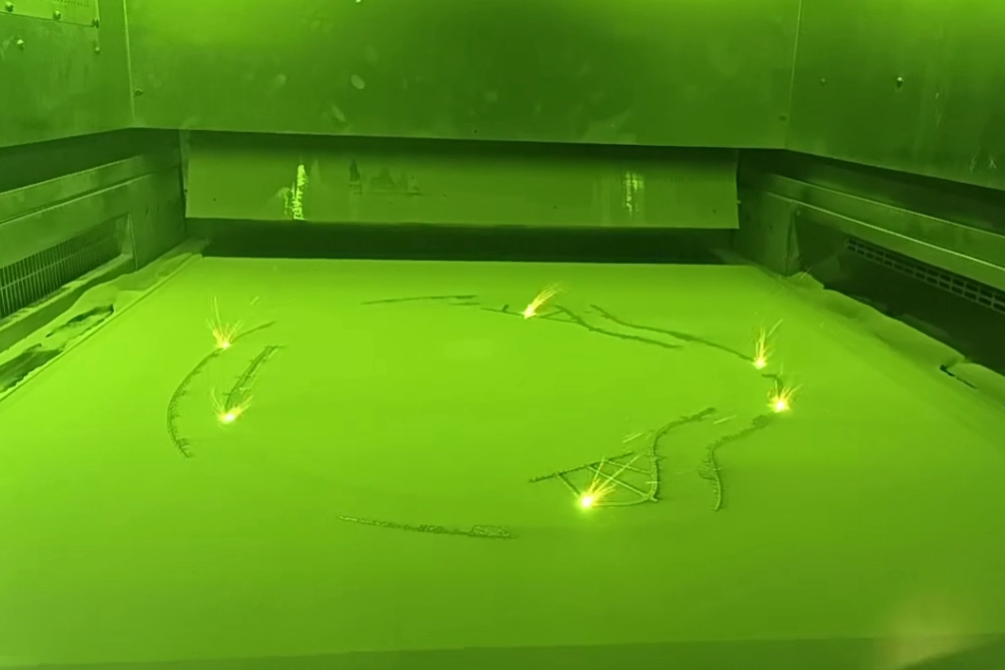
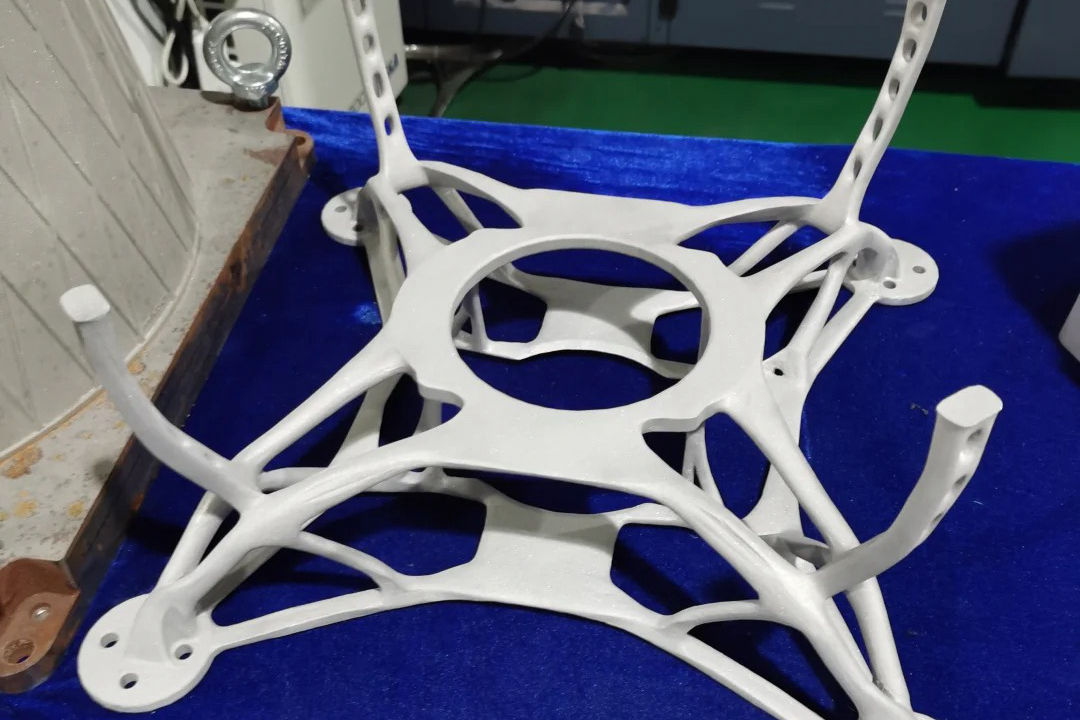
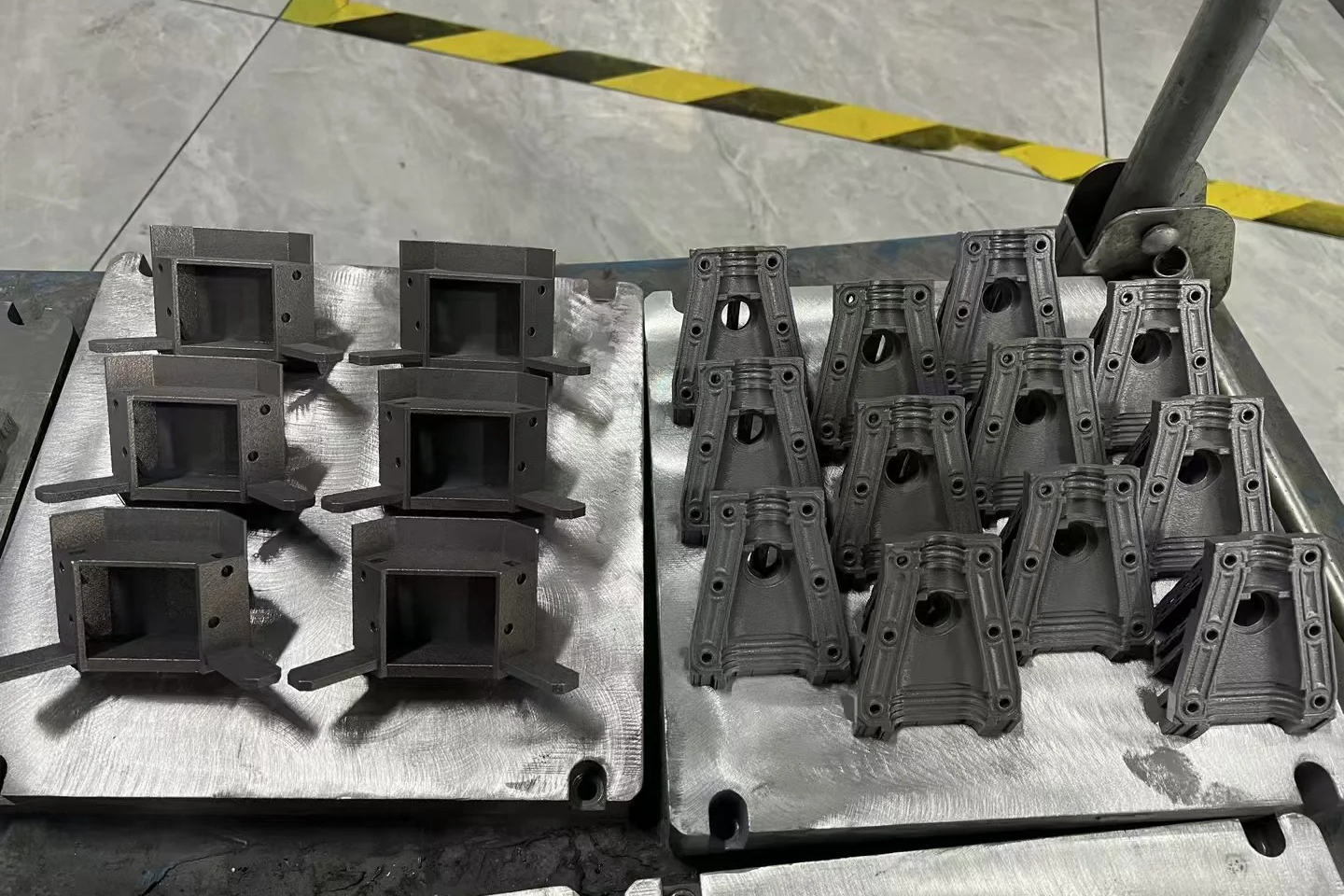
17-4 PH — это мартенситная нержавеющая сталь с дисперсионным твердением, известная своим выдающимся сочетанием высокой прочности, твердости, коррозионной стойкости и отличной механической стабильности. В металлическом аддитивном производстве 17-4 PH стала одной из наиболее широко используемых нержавеющих сталей благодаря предсказуемым характеристикам, возможности термической обработки и надежной однородности микроструктуры. Благодаря высокоточной 3D-печати 17-4 PH от Neway AeroTech этот сплав достигает почти полной плотности с высокой устойчивостью к усталости, износу и коррозионному растрескиванию под напряжением. Низкая деформация при печати и последующей термообработке делает его идеальным для аэрокосмической оснастки, медицинских инструментов, высокопрочных механических компонентов, прецизионных шестерен и конструкционных элементов, требующих долгосрочной стабильной работы. Универсальность и экономическая эффективность сплава дополнительно усиливают его роль в промышленном аддитивном производстве.
Международные названия или представительские марки
Регион | Общее название | Представительские марки |
|---|---|---|
США | Нержавеющая сталь 17-4 PH | UNS S17400 |
Европа | X5CrNiCuNb16-4 | 1.4542 |
Япония | SUS630 | JIS G4303 |
Китай | 0Cr17Ni4Cu4Nb | GB 07Cr17Ni4Cu4Nb |
Отрасль | Нержавеющая сталь с дисперсионным твердением | 17-4, 15-5 |
Альтернативные варианты материалов
Когда приоритетом является коррозионная стойкость, аустенитные нержавеющие стали, такие как 316L, обеспечивают превосходную стойкость в морских и химических средах. Для повышенной ударной вязкости и размерной стабильности 15-5PH предлагает улучшенную пластичность при аналогичном поведении дисперсионного твердения. Когда требуется экстремальная твердость или износостойкость, лучшим выбором является инструментальная сталь. При необходимости работы при высоких температурах никелевые сплавы, такие как Inconel 625, обеспечивают превосходную окалиностойкость и жаропрочность. Для применений с низким весом титановые сплавы, такие как Ti-6Al-4V, предлагают высокую удельную прочность с отличной коррозионной стойкостью.
Цель проектирования
17-4 PH была изначально разработана для обеспечения высокой прочности и коррозионной стойкости при сохранении отличной размерной стабильности после термообработки. Сочетание хрома, никеля, меди и ниобия позволяет осуществлять дисперсионное твердение посредством старения, создавая прочную и износостойкую микроструктуру. В аддитивном производстве цель проектирования расширяется до получения высокоплотных компонентов из нержавеющей стали с жесткими допусками, улучшенной усталостной прочностью и стабильной структурной целостностью. Это делает 17-4 PH идеальной для нагруженных, критически важных для безопасности приложений и деталей со сложной геометрией, где механическая надежность не может быть скомпрометирована.
Химический состав (типичный диапазон)
Элемент | Состав (%) |
|---|---|
Железо (Fe) | Остальное |
Хром (Cr) | 15–17,5 |
Никель (Ni) | 3–5 |
Медь (Cu) | 3–5 |
Ниобий + Тантал (Nb+Ta) | 0,15–0,45 |
Марганец (Mn) | ≤ 1 |
Кремний (Si) | ≤ 1 |
Углерод (C) | ≤ 0,07 |
Фосфор (P) | ≤ 0,04 |
Сера (S) | ≤ 0,03 |
Физические свойства
Свойство | Значение |
|---|---|
Плотность | ~7,75 г/см³ |
Температура плавления | 1400–1450°C |
Теплопроводность | ~18 Вт/м·К |
Удельное электрическое сопротивление | ~0,8 мкОм·м |
Удельная теплоемкость | ~500 Дж/кг·К |
Механические свойства (типичные для термообработанного состояния H900)
Свойство | Типичное значение |
|---|---|
Предел прочности на растяжение | ~1310 МПа |
Предел текучести | ~1170 МПа |
Относительное удлинение | 6–12% |
Твердость | 40–47 HRC |
Предел выносливости | Высокий при циклических нагрузках |
Ключевые характеристики материала
Высокая прочность на растяжение и предел текучести, идеальные для несущих и конструкционных компонентов
Отличная коррозионная стойкость, подходящая для морских, промышленных и химических сред
Высокие усталостные характеристики для механизмов с повторяющимися нагрузками
Хорошая износостойкость и твердость после дисперсионного твердения
Низкая деформация при печати и последующей обработке
Однородная мелкозернистая микроструктура, достижимая путем термообработки
Стабильные механические свойства в широком диапазоне температур
Хорошая обрабатываемость резанием после печати и старения
Высокая устойчивость к коррозионному растрескиванию под напряжением
Отличная разме�ная точность для прецизионных инструментов и аэрокосмической оснастки
Технологичность в различных процессах
Аддитивное производство: Селективное лазерное сплавление порошков обеспечивает получение точных и высокопрочных компонентов посредством 3D-печати 17-4 PH от Neway.
ЧПУ обработка: Поддерживает финишную обработку и жесткие допуски с помощью ЧПУ обработки суперсплавов.
Электроэрозионная обработка (ЭЭО): Подходит для формообразования сложных элементов с использованием ЭЭО суперсплавов.
Глубокое сверление: Хорошо работает в условиях прецизионного глубокого сверления.
Термообработка: Обработка старением повышает прочность посредством термообработки суперсплавов.
Сварка: Поддается сварке при контролируемых параметрах с использованием сварки суперсплавов.
Литье: Изделия из нержавеющей стали могут соответствовать процессу литья нержавеющей стали.
Подходящие методы постобработки
Дисперсионное твердение для достижения высокой прочности и твердости
Горячее изостатическое прессование (ГИП) через обработку ГИП для повышения плотности и усталостной долговечности
Прецизионная механическая обработка для критичных к допускам аэрокосмических и медицинских инструментов
Полировка, шлифовка или чистовая обработка поверхности для улучшения коррозионной стойкости
Пассивация или химическая обработка для повышения долговечности поверхности
Дробеструйная обработка для улучшения усталостной прочности и прочности поверхности
Контроль размеров и испытания материалов для обеспечения качества
Финишная ЭЭО для глубоких внутренних каналов или мелких деталей
Распространенные отрасли и применения
Аэрокосмическая конструкционная арматура, кронштейны и крепежные системы
Прецизионные шестерни, валы и механические узлы
Медицинские хирургические инструменты и инструменты для стерильных сред
Компоненты промышленного оборудования, требующие прочности и коррозионной стойкости
Элементы трансмиссии автомобилей и специальные высокопроизводительные детали
Оборудование для морской среды и коррозионностойкая оснастка
Когда выбирать этот материал
Когда необходимо сочетать высокую прочность и коррозионную стойкость в одном сплаве
Когда печатные детали требуют термообработки для достижения целевых механических свойств
Когда критически важны жесткие допуски и низкая деформация после старения
Когда компоненты должны выдерживать циклические нагрузки или интенсивные усталостные воздействия
Когда предпочтительна экономически эффективная высокопроизводительная нержавеющая сталь
Когда требуется структурная надежность при различных температурах
Когда необходима коррозионная стойкость без затрат, связанных с никелевыми суперсплавами
При производстве прецизионных компонентов для аэрокосмической, медицинской или промышленной сферы
Изучить связанные блоги