15-5PH
Введение в материал
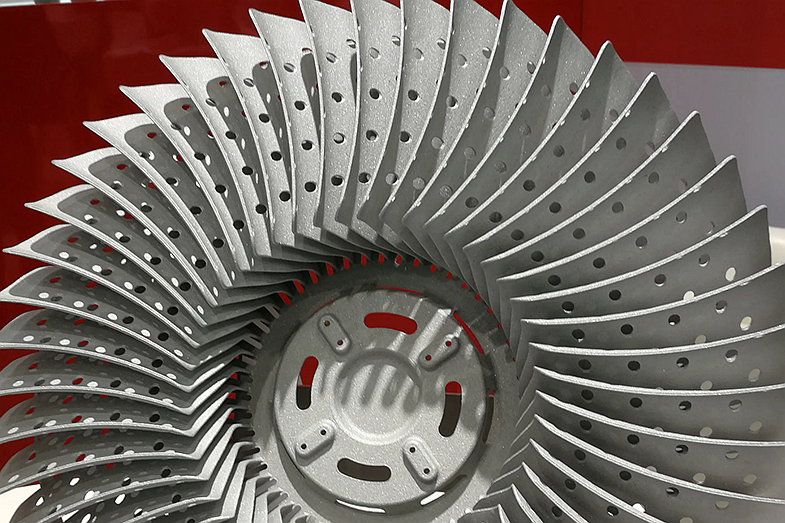
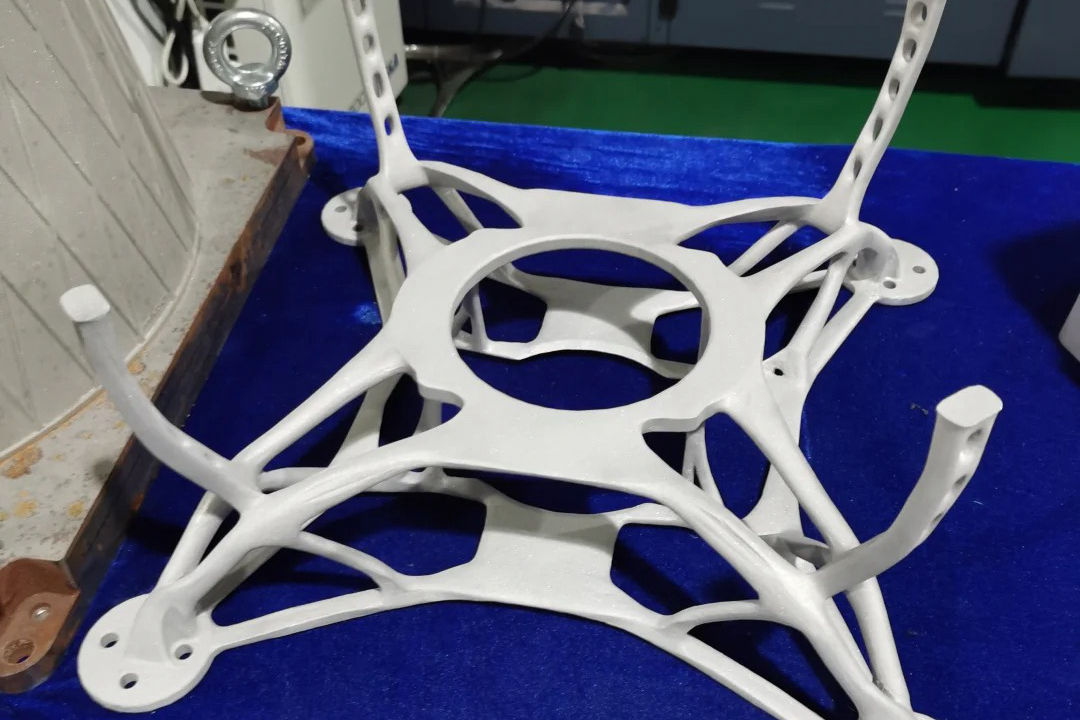
15-5PH — это дисперсионно-твердеющая мартенситная нержавеющая сталь, разработанная для обеспечения высокой прочности, отличной вязкости и сильной коррозионной стойкости. По сравнению с традиционными мартенситными сталями, 15-5PH обладает улучшенной пластичностью и лучшей механической однородностью благодаря своей усовершенствованной микроструктуре. В аддитивном производстве сплав демонстрирует исключительную печатаемость, низкую деформацию и стабильное поведение фазовых превращений, что делает его пригодным для высокопроизводительных применений в аэрокосмической, энергетической, медицинской отраслях и секторе промышленного оборудования. Благодаря передовой технологии 3D-печати 15-5PH от Neway AeroTech можно производить компоненты с плотностью, близкой к полной, обладающие отличными характеристиками на растяжение и надежным откликом на дисперсионное твердение. Баланс прочности, усталостной стойкости и коррозионной производительности этого сплава делает его идеальным решением для сложных геометрий, функциональных прототипов и готовых деталей производственного уровня.
Международные названия или представительские марки
Регион | Общее название | Представительские марки |
|---|---|---|
США | Нержавеющая сталь 15-5PH | UNS S15500 |
Европа | X5CrNiCu15-5 | 1.4545 |
Япония | SUS631J1 | JIS G4303 |
Китай | 0Cr15Ni5Cu4Nb | Марка GB |
Промышленная категория | Дисперсионно-твердеющая нержавеющая сталь (PH) | 15-5, 17-4 |
Альтернативные варианты материалов
Для применений, т�ебующих более высокой коррозионной стойкости, аустенитные нержавеющие стали, такие как 316L, обеспечивают превосходную стойкость в морских и химических средах. Когда требуется максимальная прочность, 17-4 PH предлагает более высокую твердость и предел текучести. Для экстремальной износостойкости или инструментальных применений более подходящим выбором является инструментальная сталь. Когда необходима производительность при повышенных температурах, никелевые суперсплавы, такие как Inconel 738, обеспечивают более сильную окислительную стойкость. Если требуется легкость, титановые сплавы, такие как Ti-6Al-2Sn-4Zr-6Mo, предлагают отличную удельную прочность при значительно меньшей плотности.
Цель разработки
15-5PH была изначально разработана для обеспечения высокой прочности, сильной коррозионной стойкости и улучшенной вязкости по сравнению с более ранними дисперсионно-твердеющими нержавеющими сталями. Контролируемый химический состав минимизирует содержание дельта-феррита, обеспечивая превосходную пластичность и лучшую механическую однородность после старения. В аддитивном производстве сплав разработан для обеспечения стабильного мартенситного превращения, сниженной пористости и высокой точности размеров. Это делает его идеальным для конструкционных компонентов, прецизионной арматуры, несущих узлов и механических элементов аэрокосмического класса, где надежность и точность имеют решающее значение.
Химический состав (типичный диапазон)
Элемент | Состав (%) |
|---|---|
Железо (Fe) | Остальное |
Хром (Cr) | 14–15.5 |
Никель (Ni) | 3.5–5.5 |
Медь (Cu) | 2.5–4.5 |
Ниобий (Nb) | 0.15–0.45 |
Марганец (Mn) | ≤ 1 |
Кремний (Si) | ≤ 1 |
Углерод (C) | ≤ 0.07 |
Фосфор (P) | ≤ 0.04 |
Сера (S) | ≤ 0.03 |
Физические свойства
Свойство | Значение |
|---|---|
Плотность | ~7.75 г/см³ |
Температура плавления | 1390–1450°C |
Теплопроводность | ~17 Вт/м·К |
Удельное электрическое сопротивление | ~0.8 мкОм·м |
Удельная теплоемкость | ~500 Дж/кг·К |
Механические свойства (типичные для состояния H900)
Свойство | Значение |
|---|---|
Предел прочности на растяжение | 1275–1310 МПа |
Предел текучести | 1170–1200 МПа |
Относительное удлинение | 8–12% |
Твердость | 38–44 HRC |
Предел выносливости | Высокая усталостная долговечность |
Ключевые характеристики материала
Высокий предел прочности на растяжение и предел текучести, подходящие для критически важных для безопасности компонентов
Отличная коррозионная стойкость в промышленных, морских и химических средах
Улучшенная вязкость по сравнению с 17-4PH для применений, требующих ударной производительности
Очень низкая деформация во время печати и последующей термообработки старением
Отклик на дисперсионное твердение обеспечивает стабильную микроструктуру с высокой прочностью
Сильная усталостная стойкость для компонентов, работающих под циклическими нагрузками
Хорошая свариваемость и размерная стабильность в аддитивном производстве
Тонкая микроструктура, обеспечивающая равномерные механические свойства по всему объему напечатанных деталей
Надежная производительность как в статических, так и в динамических условиях нагружения
Отличная пригодность для прецизионных приборов, аэрокосмической арматуры и механического оборудования
Обрабатываемость различными процессами
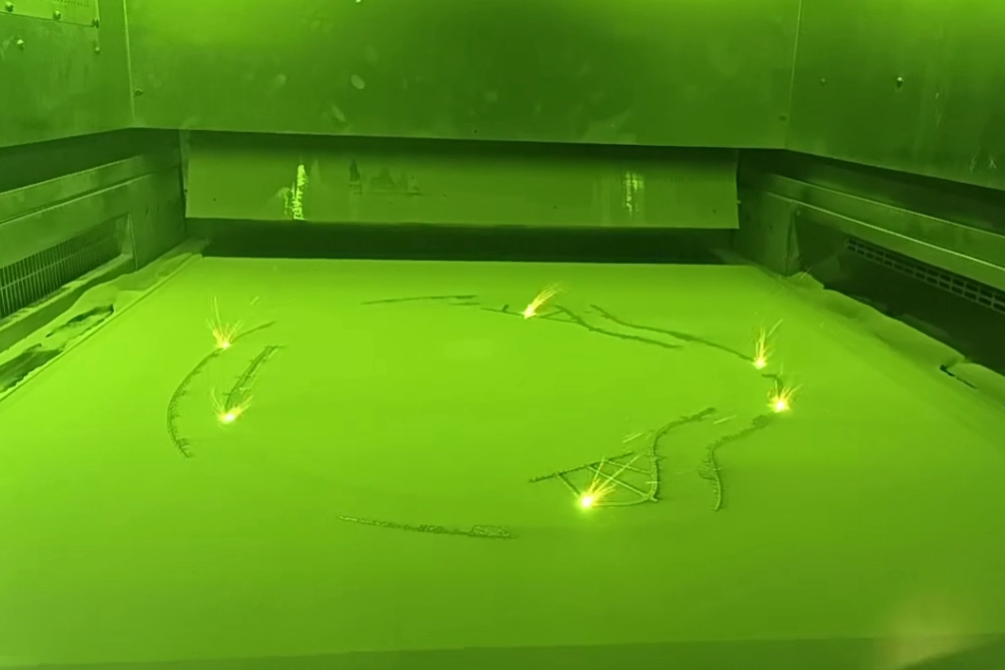
Аддитивное производство: Селективное лазерное сплавление порошков позволяет производить высокопрочные компоненты из нержавеющей стали с использованием технологии 3D-печати 15-5PH от Neway.
ЧПУ обработка: Поддерживает высокие допуски и оптимизацию чистоты поверхности посредством ЧПУ обработки суперсплавов.
Электроэрозионная обработка (EDM): Сложные внутренние геометрии и высокоточные элементы достижимы с помощью электроэрозионной обработки суперсплавов.
Глубокое сверление: Размерная стабильность сохраняется при прецизионном глубоком сверлении.
Термообработка: Дисперсионное твердение достигается за счет контролируемого старения с использованием термообработки суперсплавов.
Сварка: Поддается сварке с контролируемыми параметрами, поддерживаемыми сваркой суперсплавов.
Литье: В некоторых применениях используется формование нержавеющей стали посредством обработки нержавеющей стали.
Подходящие методы постобработки
Обработка старением для дисперсионного твердения с целью достижения максимальной прочности
Горячее изостатическое прессование (ГИП) через процесс ГИП для удаления пористости и повышения усталостной стойкости
Прецизионная механическая обработка для достижения допусков аэрокосмического класса
Полировка и шлифовка поверхности для улучшения коррозионной стойкости и износостойкости
Пассивация или химическая очи�тка для улучшения характеристик нержавеющей стали
Дробеструйная обработка для повышения усталостной прочности
Контроль размеров и испытания материалов для обеспечения качества
Электроэрозионная финишная обработка поверхности для глубоких или сложных полостей
Распространенные отрасли и применения
Аэрокосмические кронштейны, крепежные элементы, шарнирные системы и механические приводы
Медицинские устройства, хирургические инструменты и стерилизуемое оборудование
Промышленное оборудование, требующее надежных коррозионностойких компонентов
Оборудование для морской среды, валы и несущие детали
Клапаны, насосы и высокопрочная прецизионная арматура для энергетического сектора
Высокопроизводительные автомобильные компоненты и элементы трансмиссии
Когда выбирать этот материал
Когда одновременно требуются высокая прочность и улучшенная вязкость
Когда напечатанная нержавеющая сталь должна проходить обработку старением с минимальной деформацией
Когда важна коррозионная стойкость, но чрезмерное легирование (например, на основе никеля) не требуется
Когда необходимы усталостостойкие компоненты для динамических механических систем
Когда прецизионные детали должны сохранять стабильность в течение длительного срока службы
Когда для 3D-печати предпочтительна экономически эффективная высокопроизводительная нержавеющая сталь
Когда компоненты требуют жестких допусков и отличной однородности поверхности
Когда аэрокосмические или промышленные применения требуют долгосрочной надежности
Изучить связанные блоги