Инструментальная сталь
Введение в материал
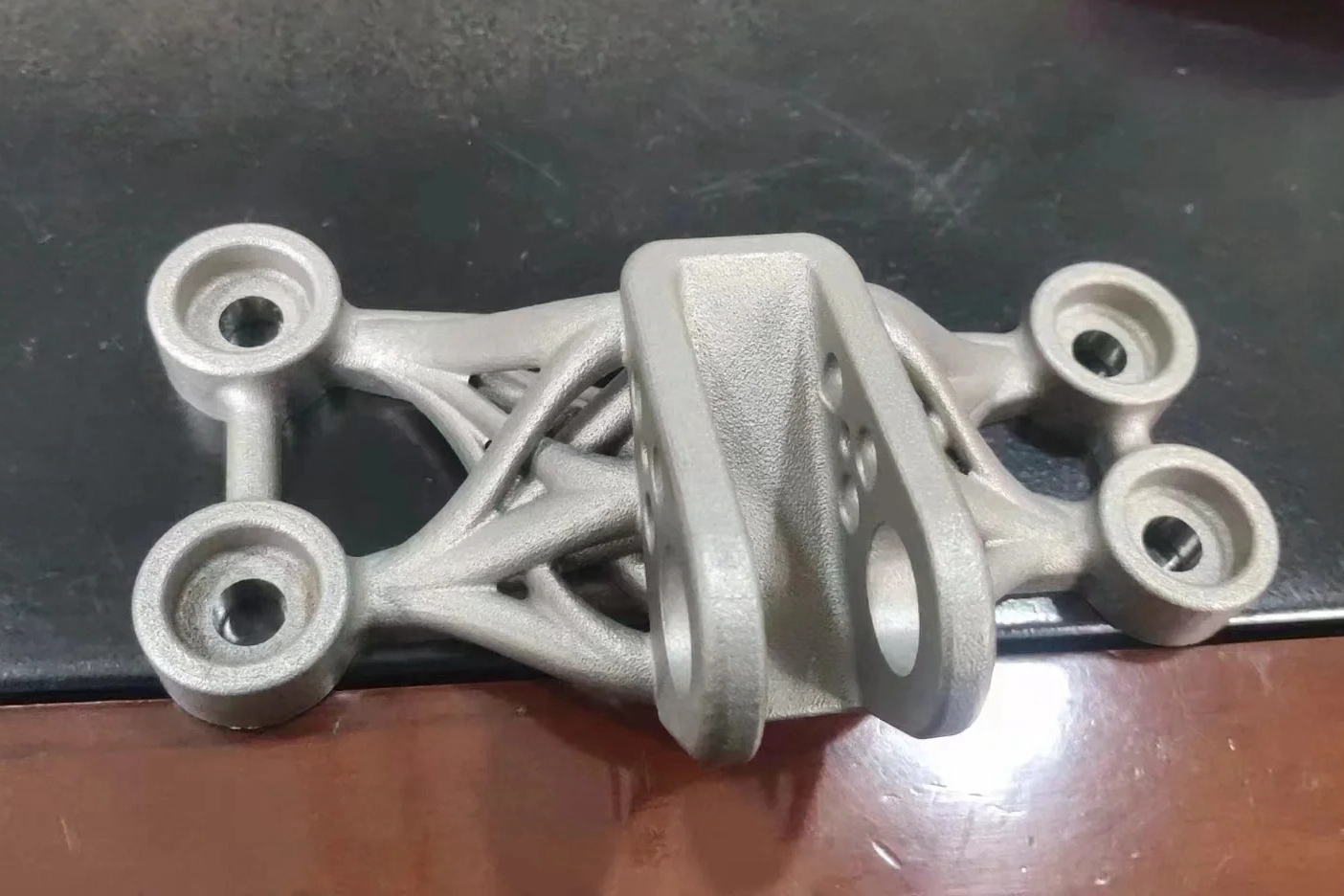
Инструментальная сталь — это семейство высокопрочных, износостойких и поддающихся термообработке сталей, разработанных для режущего инструмента, промышленных штампов, формообразующих вставок и механических компонентов, работающих под высокими нагрузками. При адаптации для аддитивного производства инструментальная сталь обеспечивает исключительную долговечность и стабильность размеров, позволяя создавать сложные геометрии, недостижимые при использовании только традиционной механической обработки или электроэрозионной обработки (EDM). Благодаря технологии селективного лазерного сплавления металлического порошка, поддерживаемой передовыми услугами 3D-печати инструментальной сталью от Neway AeroTech, становится возможным изготовление вставок пресс-форм с конформным охлаждением, износостойких шестерен, прецизионных приспособлений и режущих элементов для массового производства с сокращенными сроками поставки. Уникальное сочетание прочности, термостойкости и обрабатываемости после печати делает инструментальную сталь одним из самых универсальных материалов для промышленных применений, требующих экстремальной производительности и долгосрочной надежности.
Международные названия или представительские марки
Страна/Регион | Общее название | Представительские марки |
|---|---|---|
США | Tool Steel | H13, D2, A2, M2 |
Европа | Tool Steel | X40CrMoV5-1 |
Япония | Легированная инструментальная сталь | SKD61, SKH51 |
Китай | Tool Steel | H13, Cr12MoV |
Категория отрасли | Штамповая и формовочная сталь | Серия H, серия D |
Альтернативные варианты материалов
В зависимости от требований к твердости, вязкости и термостойкости, несколько передовых материалов могут служить альтернативой. Нержавеющие стали, такие как 17-4 PH или 15-5PH, обеспечивают коррозионную стойкость при высоких механических свойствах для инструмента, используемого во влажной или химической среде. Высокопрочные мартенситно-стареющие стали, такие как 18Ni300, обеспечивают исключительный предел текучести и отличную обрабатываемость для сердечников литьевых форм. Для экстремальной термостойкости никелевые сплавы, такие как Inconel 751, или кобальтовые материалы, такие как Stellite 6B, превосходят инструментальную сталь в условиях горячего износа. Когда критически важно снижение веса, титановые сплавы, такие как Ti-6Al-7Nb, обеспечивают высокую производительность при значительно меньшей плотности.
Цель проектирования
Инструментальная сталь была разработана для выдерживания экстремальных механических нагрузок, абразивного износа, ударов и термических циклов. Ее легированный состав обеспечивает контролируемую прокаливаемость, стабильность размеров после закалки и высокую сопротивляемость усталостному растрескиванию. В аддитивном производстве цель проектирования расширяется, чтобы обеспечить конформное охлаждение, сокращение времени цикла, гибридный инструмент, сложную геометрию каналов и быстрое прототипирование пресс-форм и штампов с улучшенным тепловым менеджментом и повышенной производительностью.
Химический состав (типичный для инструментальной стали H13)
Элемент | Состав (%) |
|---|---|
Углерод (C) | 0.32–0.45 |
Хром (Cr) | 4.75–5.5 |
Молибден (Mo) | 1.1–1.75 |
Ванадий (V) | 0.8–1.2 |
Кремний (Si) | 0.8–1.2 |
Марганец (Mn) | 0.2–0.5 |
Железо (Fe) | Остальное |
Физические свойства
Свойство | Значение |
|---|---|
Плотность | ~7.8 г/см³ |
Теплопроводность | 25–30 Вт/м·К |
Удельное электрическое сопротивление | ~0.7 мкОм·м |
Удельная теплоемкость | ~460 Дж/кг·К |
Температура плавления | ~1420–1500°C |
Механические свойства
Свойство | Типичное значение |
|---|---|
Предел прочности на разрыв | 1500–1900 МПа |
Предел текучести | 1200–1600 МПа |
Твердость (после термообработки) | 48–54 HRC |
Ударная вязкость | Высокая для горячей обработки |
Износостойкость | Отличная |
Ключевые характеристики материала
Высокая твердость и износостойкость, подходящие для применения в инструментах и штампах
Отличное сохранение прочности при повышенных температурах
Превосходная вязкость и сопротивляемость термической усталости и растрескиванию
Хорошая стабильность размеров после термообработки
Высокая сопротивляемость абразивному износу, деформации и циклическим механическим напряжениям
Отличная совместимость с аддитивным производством для детализированных и точных конструкций
Возможность достижения очень высоких значений твердости посредством постпечатной термообработки
Идеально подходит для каналов конформного охлаждения, которые значительно сокраща�т время цикла литья
Высокая способность к полировке поверхности для прозрачного литья или прецизионных эстетических деталей
Стабильные механические характеристики как в условиях холодной, так и горячей обработки
Обрабатываемость различными методами
Аддитивное производство: Селективное лазерное сплавление порошка поддерживает создание сложных каналов охлаждения и геометрий с использованием специализированной услуги 3D-печати инструментальной сталью от Neway.
ЧПУ обработка: Инструментальная сталь эффективно обрабатывается с контролируемыми параметрами резания благодаря передовой ЧПУ обработке суперсплавов.
Электроэрозионная обработка (EDM): Подходит для чистовой обработки деталей со сложной формой с использованием EDM обработки суперсплавов.
Глубокое сверление: Эффективно при использовании высокоточного глубокого сверления для каналов охлаждения или путей выталкивателей.
Термообработка: Может быть закалена и отпущена через оптимизированные циклы термообработки суперсплавов для достижения максимальных свойств.
Сварка: Ремонт и модификация возможны с использованием контролируемой сварки суперсплавов.
Литье: Определенные марки подходят для точного литья специальных сталей по выплавляемым моделям, включая заготовки для штампов и форм.
Подходящие методы постобработки
Термообработка и отпуск для достижения желаемой твердости и вязкости
Горячее изостатическое прессование (HIP) посредством обработки HIP для устранения пористости и повышения усталостной прочности
Прецизионная механическая обработка для обеспечения окончательной точности размеров компонентов форм и штампов
Полировка поверхности для оптических применений или прозрачного литья
Азотирование или цементация для повышения твердости поверхности и износостойкости
Пассивация или химическая очистка для сред, чувствительных к коррозии
Неразрушающий контроль с использованием испытаний и анализа материалов для обеспечения качества
Чистовая электроэрозионная обработка (EDM) для внутренних элементов с жесткими допусками или глубоких пазов
Распространенные отрасли и применения
Вставки для пресс-форм литья под давлением и литья в кокиль
Режущий инструмент, пуансоны и промышленные ножницы
Шестерни, кулачки и прецизионные компоненты движения, работающие в условиях высокого износа
Аэрокосмические приспособления, кондукторы и несущие элементы
Автомобильный инструмент для массового производства
Компоненты робототехники и автоматизации, требующие долгосрочной износостойкости
Когда выбирать этот материал
Когда требуются высокая твердость и износостойкость для литья, резки или штамповки
Когда необходимо интегрировать сложные каналы конформного охлаждения в вставки пресс-форм
Когда компоненты должны иметь длительный срок службы при циклической термической нагрузке
Когда необходима высокая стабильность размеров после термообработки
При производстве гибридного инструмента, сочетающего печатные сердечники с обработанными поверхностями
Когда критически важно оптимизировать время цикла и снизить термические градиенты
Когда основными соображениями при проектировании являются сопротивляемость абразивному износу и ударам
При изготовлении прочных, износостойких компонентов со сложной геометрией
Изучить связанные блоги