
Завод по производству турбинных компонентов методом вакуумного литья из жаропрочных сплавов
Введение
Neway AeroTech производит высокопроизводительные турбинные компоненты с использованием передовой технологии вакуумного литья по выплавляемым моделям. Используя специализированные жаропрочные сплавы, такие как Inconel и CMSX, мы производим турбинные компоненты, достигая допусков размеров в пределах ±0,05 мм и чистоты поверхности до Ra ≤1,6 мкм.
Наше предприятие включает строгие процессы обеспечения качества и прецизионно контролируемые среды, что позволяет турбинным деталям надежно работать при температурах, превышающих 1100°C, соответствуя строгим стандартам аэрокосмической и энергетической отраслей.
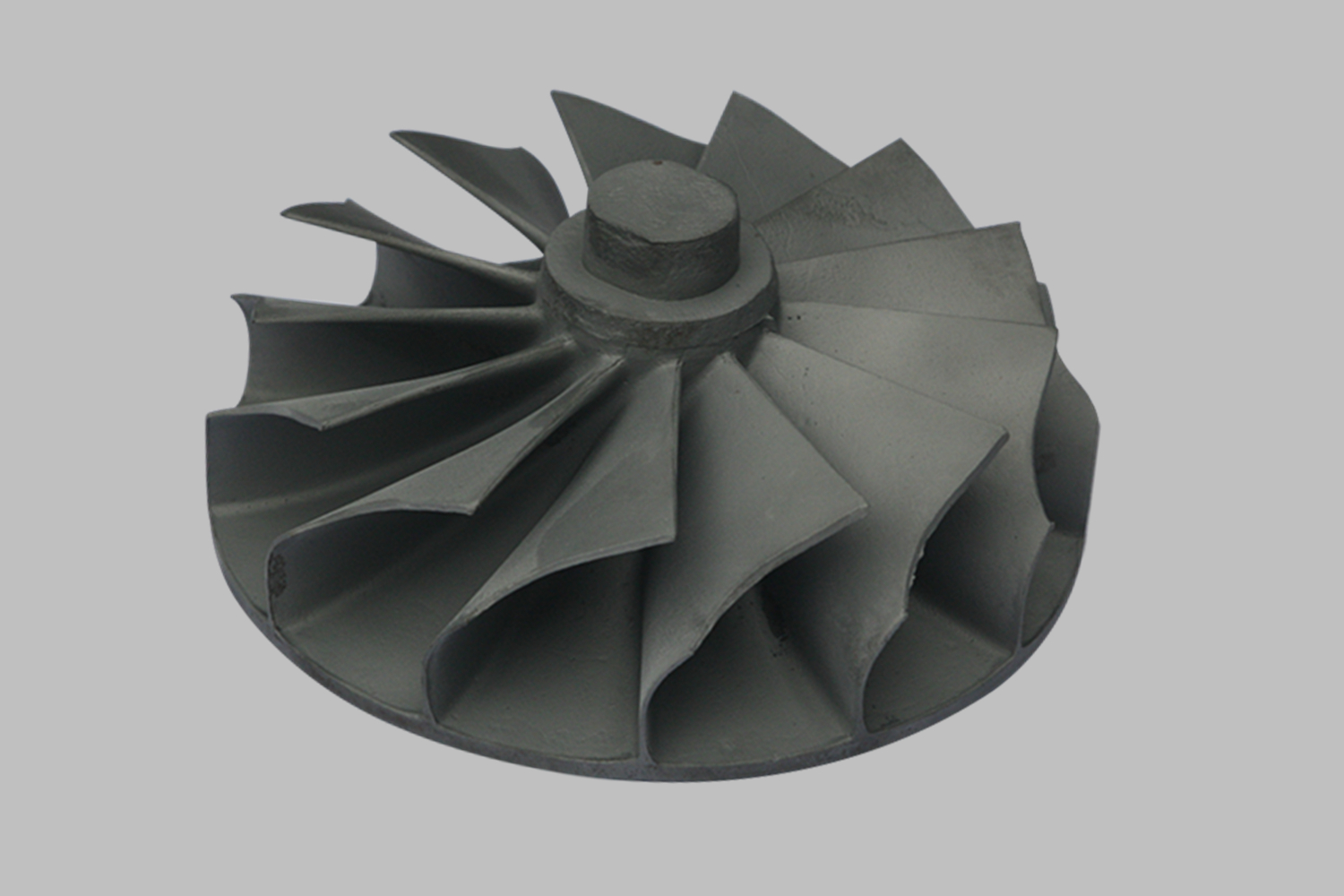
Основные проблемы вакуумного литья турбинных компонентов
Производство турбинных компонентов из высокотемпературных сплавов, таких как CMSX-4, Inconel 713C и Hastelloy X, представляет значительные технические трудности:
Достижение равномерной кристаллизации и контроль структуры зерна (монокристаллическая, направленная, равноосная).
Высокие температуры плавления (1300-1450°C), требующие передовых возможностей вакуумных печей.
Строгая точность размеров в пределах ±0,05 мм для сложных геометрий.
Превосходная целостность поверхности (Ra ≤1,6 мкм), необходимая для аэродинамической и тепловой эффективности.
Подробный процесс вакуумного литья
Процесс вакуумного литья турбинных компонентов состоит из следующих ключевых этапов:
Изготовление восковых моделей: Прецизионные восковые модели, изготовленные с использованием технологий ЧПУ или аддитивного производства.
Создание керамической оболочки: Послойное нанесение керамической оболочки путем многократного погружения в суспензию и нанесения огнеупорного песка.
Выплавление воска и обжиг оболочки: Удаление воска в автоклаве (приблизительно 150°C) с последующим обжигом при приблизительно 1000°C для прочности оболочки.
Вакуумная плавка и заливка: Плавка сплава в условиях высокого вакуума (<0,01 Па) для устранения окисления и включений, обеспечивая чистоту.
Контролируемая кристаллизация: Прецизионный контроль скорости охлаждения и направленной кристаллизации для достижения желаемой структуры зерна и превосходных механических свойств.
Удаление оболочки и финишная обработка: Механическое и химическое удаление керамических оболочек, окончательная обработка на станках с ЧПУ для точного соблюдения размеров и улучшения чистоты поверхности.
Сравнение методов производства турбинных компонентов
Метод | Точность размеров | Чистота поверхности (Ra) | Контроль структуры зерна | Механические свойства | Экономическая эффективность |
|---|---|---|---|---|---|
Вакуумное литье по выплавляемым моделям | ±0,05 мм | ≤1,6 мкм | Отличный | Превосходные | Средняя |
Порошковая металлургия | ±0,03 мм | ≤1,2 мкм | Отличный | Превосходные | Высокая |
Прецизионная ковка | ±0,2 мм | ≤3,2 мкм | Хороший | Хорошие | Средняя |
Обработка на станках с ЧПУ | ±0,01 мм | ≤0,8 мкм | Ограниченный | Хорошие | Высокая |
Критерии выбора метода производства
Оптимальный выбор методов производства для турбинных компонентов включает:
Вакуумное литье по выплавляемым моделям: Наиболее подходит для сложных форм, приемлемой точности размеров (±0,05 мм), отличного качества поверхности (Ra ≤1,6 мкм) и специализированных структур зерна.
Порошковая металлургия: Идеальна для сверхвысокой механической прочности и точности (±0,03 мм) в передовых аэрокосмических турбинах.
Прецизионная ковка: Подходит для умеренно сложных конструкций с хорошими механическими свойствами, пригодна для крупносерийного производства.
Обработка на станках с ЧПУ: Эффективна для прототипов, ограниченного производства или финишных операций, требующих чрезвычайно жестких допусков (±0,01 мм).
Матрица характеристик жаропрочных сплавов
Сплав | Диапазон плавления (°C) | Макс. рабочая темп. (°C) | Предел прочности (МПа) | Стойкость к окислению | Типичные применения |
|---|---|---|---|---|---|
1315-1345 | 1150 | 1250 | Превосходная | Монокристаллические лопатки турбин | |
1310-1355 | 950 | 1200 | Исключительная | Высокотемпературные турбинные компоненты | |
1260-1355 | 900 | 860 | Превосходная | Компоненты камер сгорания | |
1320-1360 | 950 | 1200 | Отличная | Высокотемпературные газовые турбины | |
1320-1365 | 1150 | 1150 | Превосходная | Компоненты передовых авиационных двигателей | |
1260-1350 | 800 | 870 | Отличная | Износостойкие компоненты |
Рекомендации по выбору материала
Стратегический выбор сплава включает:
CMSX-4: Идеален для монокристаллических лопаток турбин, требующих экстремальной ползучести и прочности при температурах до 1150°C.
Inconel 713C: Оптимален для высокопрочных турбинных компонентов, работающих при повышенных температурах (до 950°C).
Hastelloy X: Подходит для камер сгорания, нуждающихся в превосходной стойкости к окислению и умеренном пределе прочности (860 МПа).
Nimonic 90: Лучший выбор для высокотемпературных турбинных деталей, требующих высокого предела прочности (1200 МПа) и стойкости к ползучести (950°C).
Rene N5: Рекомендуется для передовых аэрокосмических турбинных компонентов благодаря исключительной усталостной прочности при экстремальных рабочих температурах (1150°C).
Stellite 6: Выбирается для турбинных применений, требующих высокой износостойкости при умеренных температурах (800°C).
Ключевые методы последующей обработки
Необходимая последующая обработка включает:
Горячее изостатическое прессование (ГИП): Устраняет внутреннюю пористость, значительно повышая усталостную долговечность.
Теплозащитное покрытие (ТЗП): Керамические покрытия снижают температуру поверхности компонентов, продлевая срок службы.
Прецизионная обработка на станках с ЧПУ: Окончательная корректировка размеров, достигающая аэрокосмической точности (±0,01 мм).
Контролируемая термообработка: Оптимизированные циклы отжига и старения улучшают структурную целостность и производительность.
Методы испытаний и обеспечение качества
Neway AeroTech проводит комплексные испытания и протоколы обеспечения качества, включая:
Координатно-измерительная машина (КИМ): Проверяет точные размеры (точность ±0,005 мм).
Рентгеновский неразрушающий контроль: Выявляет внутренние дефекты и пористость.
Металлографическая микроскопия: Оценивает структуру зерна и микроструктурную целостность.
Испытание на растяжение: Гарантирует соответствие предела прочности и предела текучести спецификациям.
Наши строгие процедуры контроля качества строго соответствуют стандартам AS9100, гарантируя надежность в экстремальных рабочих условиях.
Пример из практики: Монокристаллические лопатки турбин из CMSX-4
Neway AeroTech успешно поставила лопатки турбин из CMSX-4 для аэрокосмических применений, продемонстрировав:
Рабочая температура: Непрерывная работа при 1150°C
Усталостная долговечность: Улучшена на 40%
Точность размеров: Поддерживается ±0,03 мм
Сертификация: Полное соответствие аэрокосмическим стандартам AS9100
Часто задаваемые вопросы
Каковы преимущества вакуумного литья по выплавляемым моделям для турбинных компонентов?
Какие сплавы лучше всего подходят для высокотемпературных турбинных применений?
Какой точности размеров можно достичь с помощью вакуумного литья?
Как методы последующей обработки улучшают производительность турбинных компонентов?
Какие методы испытаний обеспечивают качество и надежность турбинных компонентов?
