
Компания по индивидуальному производству высокотемпературных аэрокосмических деталей из сплава Stell...
Введение в сплавы Stellite в аэрокосмическом производстве
Сплавы Stellite известны в авиации благодаря своей исключительной износостойкости, превосходной прочности и выдающейся термической стабильности при повышенных температурах. Как ведущий производитель на заказ, Neway AeroTech специализируется на прецизионных компонентах аэрокосмического класса с использованием передовых процессов, таких как вакуумное литье по выплавляемым моделям и направленное литье суперсплавов.
Используя передовые технологии и глубокий опыт, мы поставляем индивидуальные компоненты из Stellite, адаптированные к строгим авиационным стандартам. Наши высококачественные решения повышают долговечность компонентов, оптимизируют производительность и поддерживают устойчивую, эффективную работу в экстремальных авиационных условиях.
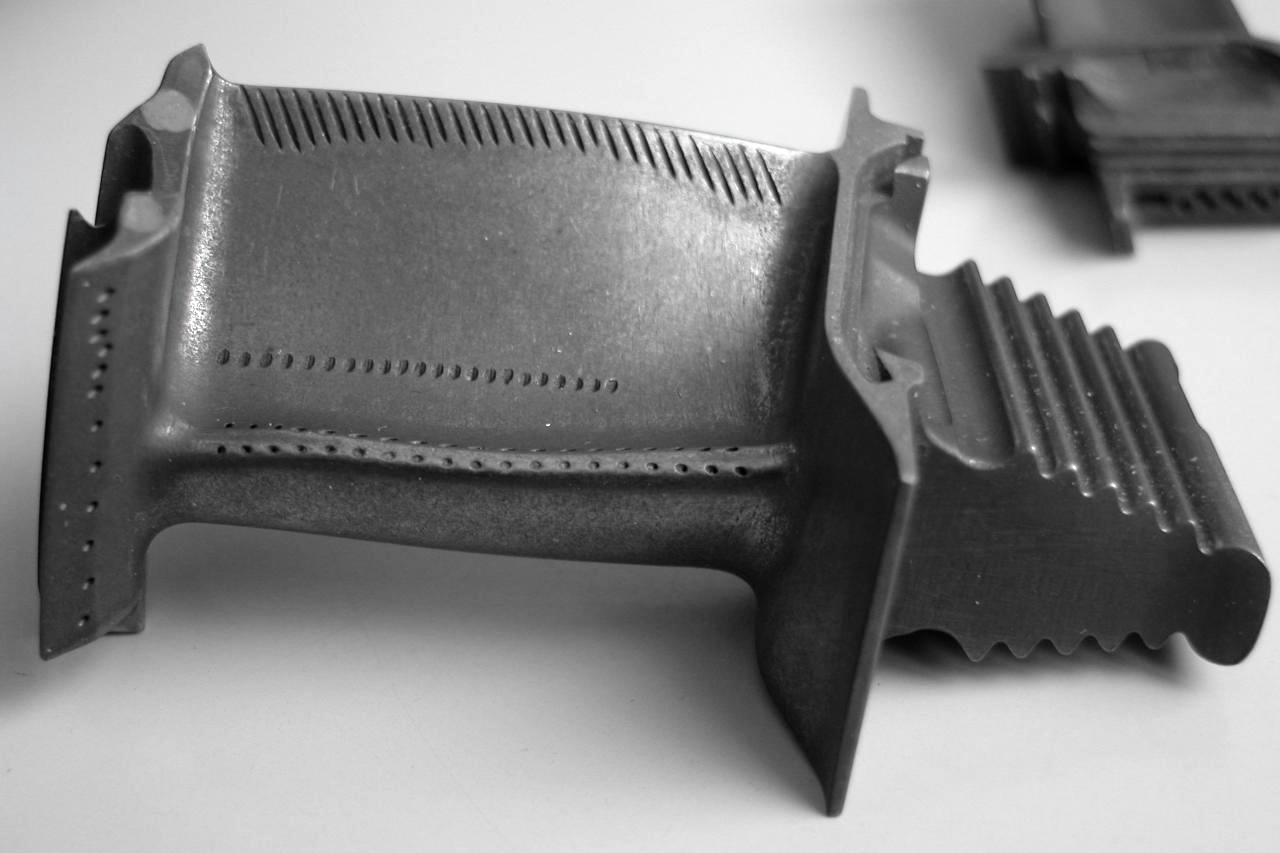
Основные производственные задачи для аэрокосмических деталей из Stellite
Производство аэрокосмических деталей из Stellite включает преодоление сложных технических задач:
Износостойкость: Достижение исключительной поверхностной твердости (до 60 HRC) без ущерба для пластичности.
Термическая стабильность: Сохранение механической целостности при рабочих температурах до 950°C.
Обрабатываемость: Решение проблемы сложности механической обработки из-за высокой твердости и абразивных характеристик, требующей специализированного инструмента.
Стойкость к окислению: Обеспечение долгосрочной стойкости к окислению и коррозии в суровых аэрокосмических условиях.
Подробное объяснение производственных процессов для деталей из Stellite
Вакуумное литье по выплавляемым моделям
Прецизионные восковые модели точно воспроизводят геометрию конечного компонента.
Керамические формы создаются путем покрытия восковых моделей огнеупорной суспензией.
Удаление воска в автоклаве при температуре около 180°C.
Заливка расплавленного сплава Stellite в вакууме (<0.01 Па), что сводит к минимуму примеси.
Контролируемое охлаждение (≤50°C/час) предотвращает внутренние напряжения и деформации.
Направленное литье
Контролируемая направленная кристаллизация обеспечивает выровненную структуру зерен.
Улучшенная ползучесть и повышенная усталостная прочность благодаря выравниванию зерен.
Оптимизированные скорости охлаждения (20-40°C/час) минимизируют внутренние напряжения и микродефекты структуры.
Сравнительный анализ методов производства Stellite
Процесс | Точность размеров | Шероховатость поверхности | Срок выполнения | Возможность сложности |
|---|---|---|---|---|
Вакуумное литье по выплавляемым моделям | ±0.15 мм | Ra 3.2-6.3 мкм | Умеренный | Высокая |
Направленное литье | ±0.20 мм | Ra 6.3-12.5 мкм | Умеренный | Умеренная |
ЧПУ обработка | ±0.01 мм | Ra 0.8-3.2 мкм | Умеренный | Умеренная |
SLM 3D печать | ±0.05 мм | Ra 6.3-12.5 мкм | Короткий | Очень высокая |
Стратегический выбор производственного процесса для аэрокосмических деталей из Stellite
Вакуумное литье по выплавляемым моделям: Предпочтительно для сложных геометрий и средних объемов производства, обеспечивая надежную точность размеров (±0.15 мм).
Направленное литье: Оптимально для лопаток турбин и направляющих аппаратов, требующих превосходной стойкости к ползучести и направленной структуры зерен при точности ±0.20 мм.
ЧПУ обработка: Идеально для прецизионной чистовой обработки критических поверхностей, обеспечивая превосходную точность (±0.01 мм) и отличное качество поверхности (Ra 0.8-3.2 мкм).
SLM 3D печать: Подходит для сложных внутренних структур, быстрого прототипирования и точного контроля (±0.05 мм точности) аэрокосмических компонентов.
Матрица анализа материалов Stellite для авиационных применений
Материал | Твердость (HRC) | Предел прочности (МПа) | Макс. рабочая темп. (°C) | Износостойкость | Авиационное применение |
|---|---|---|---|---|---|
45-50 | 900 | 950 | Отличная | Эрозионные щитки лопаток турбин | |
47-53 | 850 | 850 | Выдающаяся | Седла и направляющие клапанов | |
30-40 | 700 | 820 | Отличная | Подшипники и втулки | |
50-56 | 950 | 900 | Исключительная | Камеры сгорания | |
53-58 | 920 | 870 | Выдающаяся | Сборки топливных форсунок | |
56-60 | 970 | 950 | Исключительная | Высокопроизводительные уплотнения турбин |
Оптимальный выбор сплава Stellite для аэрокосмических компонентов
Stellite 6: Выбирается для эрозионных щитков турбин благодаря сбалансированной твердости (45-50 HRC) и стойкости к высокотемпературному окислению при 950°C.
Stellite 12: Идеален для критических компонентов клапанов, обеспечивая превосходную износостойкость (47-53 HRC) и надежную прочность при температурах около 850°C.
Stellite 21: Выбирается для подшипников и втулок, требующих сочетания износостойкости (30-40 HRC) и долговечности при 820°C.
Stellite 31: Оптимален для камер сгорания, обеспечивая исключительный предел прочности (950 МПа) и твердость (50-56 HRC) при повышенных температурах до 900°C.
Stellite 3: Предпочтителен для сборок топливных форсунок, обеспечивая выдающуюся твердость (53-58 HRC), стойкость к эрозии и надежность при температурах до 870°C.
Stellite 1: Наиболее подходит для уплотнений турбин, требующих максимальной твердости (56-60 HRC) и износостойкости при интенсивных тепловых циклах при 950°C.
Основные методы последующей обработки для аэрокосмических компонентов из Stellite
Горячее изостатическое прессование (ГИП): Улучшает механические свойства за счет устранения внутренней пористости под давлением около 150 МПа и температурами до 1200°C.
Теплозащитное покрытие (ТЗП): Значительно снижает температуру поверхности (снижение ~200°C), что жизненно важно для высокотемпературных компонентов, подверженных воздействию газов сгорания.
Электроэрозионная обработка (ЭЭО): Обеспечивает точные допуски (±0.005 мм) для сложных внутренних каналов и критических элементов.
Термическая обработка: Оптимизирует микроструктуру сплава Stellite, улучшая твердость, усталостную прочность и коррозионную стойкость при рабочих температурах.
Анализ отраслевого случая: Аэрокосмические камеры сгорания из Stellite
Neway AeroTech поставила передовые камеры сгорания из Stellite 31 с использованием процессов вакуумного литья по выплавляемым моделям и направленной кристаллизации, усиленных точной термической обработкой и технологией ГИП. Это комплексное решение обеспечило превосходную точность размеров (±0.15 мм), исключительную износостойкость и термическую стабильность при 900°C.
Наши глубокие технические знания и строгий контроль качества обеспечили соответствие аэрокосмическим стандартам, значительно улучшив долговечность и производительность компонентов в условиях непрерывных высоких температур.
Часто задаваемые вопросы о производстве аэрокосмических деталей из Stellite
Какие сроки выполнения вы можете обеспечить для производства индивидуальных аэрокосмических компонентов из Stellite?
Можете ли вы поддерживать заказы малого объема и прототипирование для авиационных применений?
Каким сертификатам аэрокосмической отрасли соответствует ваше производство Stellite?
Какие методы последующей обработки вы рекомендуете для максимизации производительности деталей из Stellite?
Предоставляете ли вы техническую помощь в выборе оптимальных сплавов Stellite для конкретных аэрокосмических применений?
