
Компания по литью равноосных кристаллов лопаток турбин из жаропрочного сплава Inconel 738
Введение
Inconel 738, никелевый суперсплав, обладает выдающейся жаропрочностью, отличной окислительной стойкостью и хорошей коррозионной стойкостью, что делает его идеальным для изготовления лопаток турбин, работающих в тяжелых условиях. В Neway AeroTech мы специализируемся на литье равноосных кристаллов сплавов Inconel, производя лопатки турбин из Inconel 738 с точными допусками размеров (±0,05 мм), однородной структурой зерен и улучшенными механическими характеристиками для промышленных и аэрокосмических турбинных систем.
Используя передовые технологии вакуумного литья по выплавляемым моделям, мы поставляем высоконадежные лопатки, способные к непрерывной работе в условиях экстремальных термических и механических нагрузок.
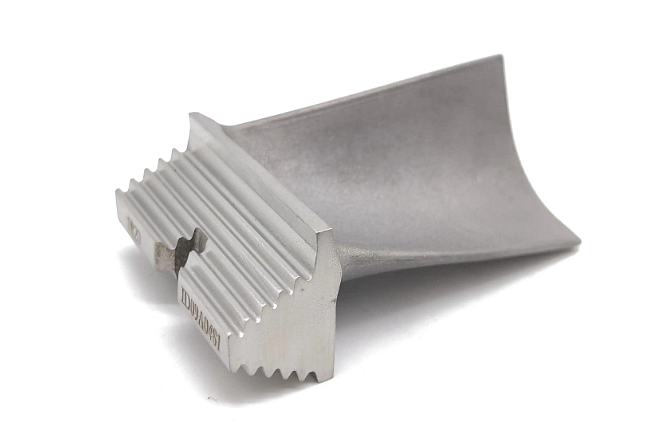
Основные производственные задачи для равноосных лопаток турбин из Inconel 738
Производство лопаток турбин из равноосных кристаллов из Inconel 738C связано со специфическими техническими трудностями:
Достижение контролируемых скоростей затвердевания для формирования однородной равноосной зеренной структуры с минимальной ликвацией.
Соблюдение жестких допусков размеров (±0,05 мм), необходимых для сборки лопатки с диском и аэродинамической эффективности.
Контроль однородности микроструктуры для обеспечения отличной усталостной и ползучестной стойкости при рабочих температурах.
Избежание внутренних усадочных дефектов и пористости, которые могут снизить механическую прочность.
Процесс литья равноосных кристаллов для лопаток турбин из Inconel 738
Наш процесс вакуумного литья равноосных кристаллов по выплавляемым моделям включает:
Изготовление восковых моделей: Высокоточные восковые формы, воспроизводящие геометрию лопаток, изготавливаются на станках с ЧПУ.
Формирование керамической оболочки: Многослойное нанесение керамической суспензии и огнеупорного песка создает прочные оболочки, устойчивые к термическому удару.
Выплавление воска и обжиг оболочки: Удаление воска при ~150°C с последующим обжигом оболочки при ~1000°C для прочности и термической стабильности.
Вакуумная плавка и заливка: Суперсплав Inconel 738 плавится в вакуумных условиях (<0,01 Па) для обеспечения чистоты и минимизации окисления.
Равноосная кристаллизация: Контролируемые температуры формы и металла способствуют равномерному образованию зерен без направленной ориентации.
Удаление оболочки и термообработка: Удаление керамической оболочки с последующей гомогенизацией (~1120°C) и старением для оптимизации механических свойств.
Прецизионная механическая обработка на станках с ЧПУ: Финальная обработка для достижения допусков размеров (±0,01 мм) и качества поверхности (Ra ≤1,6 мкм).
Сравнение методов производства лопаток турбин из Inconel 738
Метод производства | Точность размеров | Микроструктура | Стойкость к ползучести | Усталостная стойкость | Экономическая эффективность |
|---|---|---|---|---|---|
Литье равноосных кристаллов | ±0,05 мм | Равноосное зерно | Хорошая | Хорошая | Высокая |
Направленная кристаллизация | ±0,05 мм | Столбчатое зерно | Отличная | Отличная | Средняя |
Литье монокристаллов | ±0,05 мм | Монокристалл | Превосходная | Превосходная | Средне-высокая |
Стратегия выбора метода производства
Выбор метода производства зависит от рабочих температур, требований к усталостной стойкости и целевых показателей стоимости:
Литье равноосных кристаллов: Идеально подходит для промышленных газовых турбин, лопаток ступеней низкого давления и применений, где допустимы умеренная усталостная и ползучестная стойкость при экономической эффективности.
Направленная кристаллизация: Используется для высоконагруженных лопаток, требующих повышенной стойкости к ползучести и усталостной долговечности.
Литье монокристаллов: Выбирается для лопаток, работающих при самых высоких температурах (обычно первой ступени), где критически важны максимальная производительность и срок службы.
Матрица характеристик Inconel 738C
Свойство | Значение | Примечания |
|---|---|---|
Максимальная рабочая температура (°C) | 980 | Возможность непрерывной работы |
Предел прочности при растяжении (МПа) | 1240 | Высокая механическая прочность |
Предел текучести (МПа) | 860 | Отличная несущая способность |
Относительное удлинение (%) | 6–8% | Типично для высокопрочных суперсплавов |
Окислительная стойкость | Отличная | До 980°C с превосходной защитой от горячих газов |
Стойкость к ползучести | Хорошая | Подходит для промышленных и вторичных ступеней лопаток |
Преимущества равноосных лопаток турбин из Inconel 738
Использование Inconel 738C для лопаток турбин предлагает множество преимуществ:
Жаропрочность: Сохраняет механические свойства при рабочих температурах около 980°C.
Отличная окислительная и коррозионная стойкость: Защищает от горячих газов и агрессивных сред сгорания.
Хорошая стойкость к ползучести и усталости: Обеспечивает стабильную работу в промышленных и вторичных ступенях турбин.
Экономически эффективное производство: Равноосное литье снижает производственные затраты, обеспечивая при этом адекватные механические характеристики для многих применений.
Ключевые методы последующей обработки
Критические этапы последующей обработки включают:
Горячее изостатическое прессование (ГИП): Уплотняет материал, устраняя внутреннюю пористость, улучшая усталостную долговечность и структурную целостность.
Термообработка: Для оптимизации механических свойств, гомогенизация и циклы старения (~1120°C гомогенизация + старение при ~850°C).
Прецизионная механическая обработка на станках с ЧПУ: Финальная отделка для достижения жестких допусков (±0,01 мм) и аэродинамического качества поверхности.
Защитные покрытия поверхности: Теплозащитные покрытия (ТЗП) для повышения стойкости к окислению и термической усталости.
Методы испытаний и обеспечение качества
Все лопатки турбин из Inconel 738 проходят строгую проверку по аэрокосмическим стандартам:
Координатно-измерительная машина (КИМ): Проверка точности размеров в пределах ±0,005 мм.
Рентгеновский неразрушающий контроль: Анализ внутренних дефектов для обеспечения целостности.
Металлографическая микроскопия: Оценка зеренной структуры и анализ дефектов.
Испытания на растяжение и ползучесть: Проверка механических свойств в условиях эксплуатации.
Все процедуры соответствуют стандартам качества аэрокосмического производства AS9100.
Пример из практики: Равноосные кристаллические лопатки турбин из Inconel 738C
Neway AeroTech поставила равноосные кристаллические лопатки турбин из Inconel 738C для производителя промышленных газовых турбин:
Рабочая температура: До 980°C непрерывно
Точность размеров: Достигнуто ±0,05 мм на сложных профилях лопаток
Качество поверхности: Ra ≤3,0 мкм после последующей обработки
Механические характеристики: Увеличение усталостной долговечности на 25% после ГИП и термообработки
Сертификация: Полное соответствие аэрокосмическим стандартам AS9100
Часто задаваемые вопросы
Каковы преимущества литья равноосных кристаллов для лопаток турбин из Inconel 738?
Как ведет себя Inconel 738C при непрерывной высокотемпературной эксплуатации?
Какие допуски размеров могут быть достигнуты при равноосном литье?
Как обработка ГИП улучшает характеристики лопаток турбин из Inconel 738?
Какие стандарты качества аэрокосмической отрасли применяет Neway AeroTech к производству лопаток турбин?
