
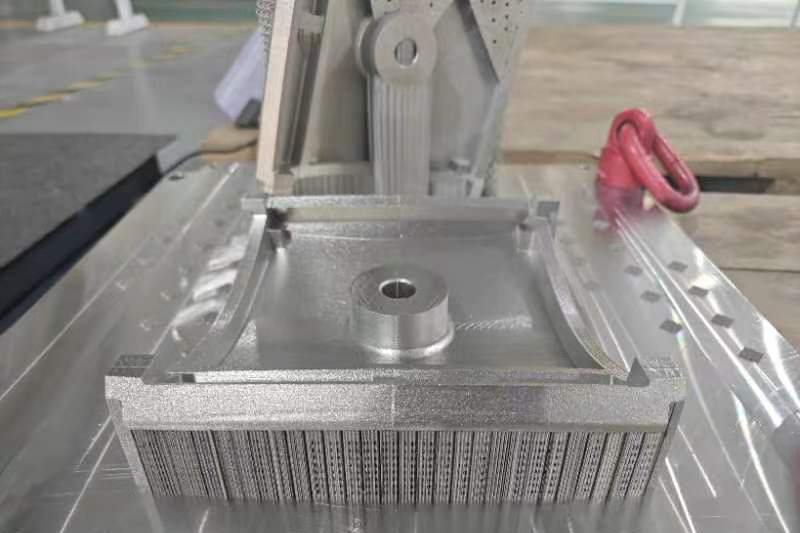
Теплозащитные экраны из сплава Hastelloy, изготовленные методом 3D-печати для повышенного термическо...
Введение
Сплавы Hastelloy разработаны для превосходной коррозионной стойкости, термической стабильности и механической прочности, что делает их высоко подходящими для производства современных систем теплозащиты. В Neway AeroTech мы специализируемся на услугах 3D-печати для сплавов Hastelloy. Мы производим высокопроизводительные теплозащитные экраны со сложной геометрией, отличными механическими свойствами и исключительной стойкостью к экстремальным термическим и химическим средам.
Используя передовую технологию селективного лазерного плавления (SLM), мы создаем легкие, высоконадежные тепловые экраны из Hastelloy для аэрокосмической, энергетической и промышленной отраслей.
Основные производственные задачи для теплозащитных экранов из Hastelloy
Производство теплозащитных экранов методом 3D-печати из Hastelloy X и Hastelloy C-22 связано с преодолением значительных технических трудностей:
Управление остаточными напряжениями и деформациями во время 3D-печати из-за высоких термических градиентов.
Достижение плотности сборки выше 99,5% для гарантии термической и структурной целостности.
Соблюдение размерных допусков в пределах ±0,05 мм для сложных и замысловатых поверхностей.
Достижение шероховатости поверхности Ra ≤5 мкм критически важно для повышения эффективности теплозащиты и снижения риска окисления.
Процесс 3D-печати сплавами Hastelloy для теплозащитных экранов
Наш аддитивный производственный процесс для тепловых экранов из Hastelloy включает:
Подготовка порошка: Использование газоатомизированных высокочистых порошков Hastelloy с контролируемым распределением частиц по размерам.
Селективное лазерное плавление (SLM): Послойное сплавление в инертной атмосфере аргона для предотвращения окисления.
Оптимизация процесса: Точный контроль мощности лазера, скорости сканирования и расстояния между линиями для максимизации плотности и минимизации остаточных напряжений.
Удаление опор и ГИП: Удаление опорных структур после сборки и горячее изостатическое прессование (ГИП) для устранения внутренней пористости и улучшения механических свойств.
Прецизионная обработка на станках с ЧПУ: Финальная механическая обработка для достижения размерных допусков (±0,01 мм) и гладких поверхностей (Ra ≤1,6 мкм) при необходимости.
Термическая обработка: Снятие напряжений и растворный отжиг для оптимизации прочности, пластичности и усталостной стойкости.
Сравнение методов производства для теплозащитных экранов из Hastelloy
Метод производства | Размерная точность | Качество поверхности (Ra) | Термическая стойкость | Коррозионная стойкость | Экономическая эффективность |
|---|---|---|---|---|---|
3D-печать (SLM) | ±0,05 мм | ≤5 мкм | Превосходная | Превосходная | Средняя |
Вакуумное литье по выплавляемым моделям | ±0,1 мм | ≤3,2 мкм | Хорошая | Хорошая | Средняя |
Обработка на станках с ЧПУ (из цельного материала) | ±0,01 мм | ≤0,8 мкм | Отличная | Хорошая | Высокая |
Стратегия выбора метода производства
Выбор оптимального метода производства для теплозащитных экранов из Hastelloy зависит от сложности конструкции и эксплуатационных требований:
3D-печать (SLM): Идеально подходит для легких, сложных теплозащитных экранов со сложными охлаждающими каналами, внутренними решетками и оптимизированной геометрией, недостижимыми традиционными методами.
Вакуумное литье по выплавляемым моделям: Подходит для деталей с менее сложной геометрией, где допустимы умеренные механические и термические характеристики.
Обработка на станках с ЧПУ (из цельного материала): Подходит для сверхточных тепловых экранов, где сложность конструкции ограничена, но требуется высочайшая точность обработки.
Матрица характеристик сплавов Hastelloy
Материал сплава | Макс. рабочая темп. (°C) | Предел прочности (МПа) | Коррозионная стойкость | Термическая стабильность | Типичные области применения |
|---|---|---|---|---|---|
900 | 860 | Отличная | Превосходная | Аэрокосмические тепловые экраны, каналы газовых турбин | |
800 | 690 | Исключительная | Хорошая | Тепловые экраны, стойкие к химическим воздействиям | |
850 | 790 | Исключительная | Хорошая | Тепловые экраны выхлопных систем, промышленные применения | |
815 | 750 | Отличная | Хорошая | Тепловые экраны для сред с высокой коррозией |
Стратегия выбора сплава для теплозащитных экранов
Правильный выбор сплава обеспечивает максимальную защиту и срок службы:
Hastelloy X: Наиболее подходит для высокотемпературных аэрокосмических теплозащитных экранов до 900°C, требующих термической и окислительной стойкости.
Hastelloy C-22: Идеален для сред химической переработки, где критически важна превосходная коррозионная стойкость наряду с умеренными термическими характеристиками.
Hastelloy C-276: Выбирается для применений, подверженных воздействию агрессивных коррозионных атмосфер и повышенных температур (~850°C).
Hastelloy C-2000: Оптимален для сложных промышленных теплозащитных экранов, где необходима комбинированная коррозионная и умеренная термическая стойкость.
Ключевые методы последующей обработки
Необходимая последующая обработка повышает производительность:
Горячее изостатическое прессование (ГИП): Увеличивает плотность, удаляет внутреннюю пористость и улучшает усталостную долговечность.
Термическая обработка: Снимает внутренние напряжения и улучшает механические свойства.
Прецизионная финишная обработка на ЧПУ: Достигает окончательной размерной точности (±0,01 мм) и превосходного качества поверхности.
Защитные поверхностные покрытия: Наносятся для повышения окислительной стойкости и защиты от экстремальных сред.
Методы испытаний и обеспечение качества
Все теплозащитные экраны из Hastelloy проходят строгие испытания аэрокосмического класса:
Координатно-измерительная машина (КИМ): Проверка размерных допусков в пределах ±0,005 мм.
Рентгеновский неразрушающий контроль: Инспекция внутренних дефектов.
Металлографическая микроскопия: Проверка микроструктуры на плотность и распределение фаз.
Испытания на растяжение: Проверка механической прочности и пластичности.
Мы работаем в соответствии с сертифицированными по стандарту AS9100 системами менеджмента качества аэрокосмической отрасли.
Пример из практики: Тепловые экраны из Hastelloy X, изготовленные методом 3D-печати
Neway AeroTech успешно изготовила тепловые экраны из Hastelloy X методом 3D-печати для авиационных двигателей:
Рабочая температура: Непрерывная работа при 900°C
Размерная точность: Достигнута ±0,05 мм на сложных поверхностях
Качество поверхности: Ra ≤4,5 мкм после финишной обработки
Сертификация: Полное соответствие требованиям аэрокосмического качества AS9100
Часто задаваемые вопросы
Почему для теплозащитных экранов, изготовленных методом 3D-печати, выбирают сплавы Hastelloy?
Какие размерные допуски могут быть достигнуты для компонентов из Hastelloy, изготовленных методом 3D-печати?
Как горячее изостатическое прессование (ГИП) улучшает детали из Hastelloy, изготовленные методом 3D-печати?
Какое качество поверхности может быть достигнуто для тепловых экранов из Hastelloy, изготовленных методом 3D-печати?
Какие сертификаты качества применяются к вашему производству теплозащитных экранов из Hastelloy?
