
Прецизионная обработка сплавов Хастеллой на станках с ЧПУ для деталей турбонагнетателей с превосходн...
Введение
Сплавы Хастеллой известны своей выдающейся коррозионной стойкостью, термической стабильностью и механической прочностью, что делает их идеальными материалами для деталей турбонагнетателей, работающих в суровых условиях. В Neway AeroTech мы специализируемся на прецизионной обработке на станках с ЧПУ сплавов Хастеллой, производя компоненты турбонагнетателей с исключительными допусками размеров (±0,005 мм) и превосходной стойкостью к усталости и термоусталости.
Используя передовое многоосевое оборудование с ЧПУ, оптимизированные параметры обработки и контроль качества аэрокосмического класса, Neway гарантирует, что каждый компонент турбонагнетателя из Хастеллоя соответствует высочайшим стандартам долговечности и эксплуатационной надежности.
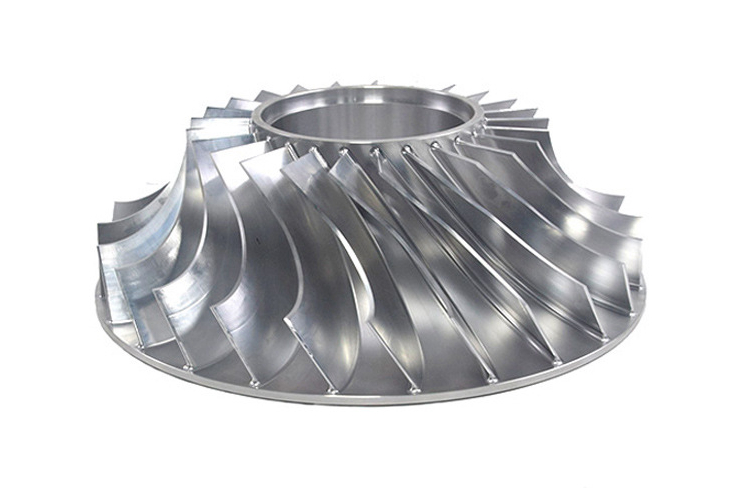
Основные производственные проблемы для компонентов турбонагнетателей из Хастеллоя
Обработка на станках с ЧПУ сплавов Хастеллой, таких как Hastelloy X и Hastelloy C-22, представляет несколько технических проблем:
Высокая прочность и склонность к наклепу приводят к быстрому износу инструмента.
Соблюдение сверхточных допусков (±0,005 мм) критически важно для аэродинамических и уплотнительных функций турбонагнетателя.
Управление тепловыделением и минимизация термических деформаций во время обработки.
Достижение высококачественной отделки поверхности (Ra ≤0,8 мкм) для оптимального воздушного потока и производительности сборки.
Процесс прецизионной обработки на станках с ЧПУ для деталей турбонагнетателей из Хастеллоя
Наш процесс обработки на станках с ЧПУ для деталей турбонагнетателей из Хастеллоя включает:
Анализ материала: Оценка свойств Хастеллоя для выбора правильного инструмента и стратегии обработки.
Передовой инструмент: Использование пластин из карбида или керамики, оптимизированных для материалов с низкой теплопроводностью и высокой твердостью.
Многоосевая обработка на станках с ЧПУ: 5-осевая обработка для сокращения числа установок, повышения точности элементов и соблюдения жестких допусков.
Оптимизированные параметры обработки: Контролируемые скорости (15–40 м/мин) и подачи (0,02–0,10 мм/об) для баланса скорости съема материала и качества поверхности.
Проходы для чистовой обработки поверхности: Легкие чистовые проходы для достижения Ra ≤0,8 мкм при сохранении целостности размеров.
Финальный контроль: Комплексная проверка размеров и качества поверхности с использованием КИМ и оптических систем.
Сравнение методов производства для компонентов турбонагнетателей из Хастеллоя
Метод производства | Точность размеров | Качество поверхности (Ra) | Термическая стабильность | Механическая прочность | Экономическая эффективность |
|---|---|---|---|---|---|
Прецизионная обработка на станках с ЧПУ | ±0,005 мм | ≤0,8 мкм | Превосходная | Отличная | Средне-высокая |
Электроэрозионная обработка проволокой | ±0,003 мм | ≤0,4 мкм | Превосходная | Отличная | Высокая |
Традиционная механическая обработка | ±0,01 мм | ≤1,6 мкм | Хорошая | Хорошая | Средняя |
Стратегия выбора метода производства
Выбор наилучшего производственного подхода зависит от сложности геометрии, требований к точности и объема:
Прецизионная обработка на станках с ЧПУ: Наиболее подходит для производства сложных компонентов турбонагнетателей, таких как корпуса турбин, выпускные фланцы и уплотнительные кольца, требующих высокой прочности, стойкости к усталости и допусков размеров в пределах ±0,005 мм.
Электроэрозионная обработка проволокой: Используется для высоко сложных или внутренних элементов, где критически важен жесткий допуск (±0,003 мм), хотя обычно медленнее и дороже.
Традиционная механическая обработка: Подходит для менее критичных деталей или компонентов с более простой геометрией, где допустимы допуски ±0,01 мм.
Матрица характеристик сплавов Хастеллой
Материал сплава | Макс. рабочая темп. (°C) | Предел прочности (МПа) | Коррозионная стойкость | Термическая стабильность | Типичные области применения |
|---|---|---|---|---|---|
900 | 860 | Превосходная | Отличная | Горячие секции турбонагнетателей, выпускные фланцы | |
800 | 690 | Исключительная | Хорошая | Корпуса компрессоров, уплотнения турбонагнетателей | |
850 | 790 | Исключительная | Хорошая | Выпускные коллекторы турбонагнетателей, каналы турбин | |
815 | 750 | Отличная | Хорошая | Компоненты промышленных турбонагнетателей |
Стратегия выбора сплава для деталей турбонагнетателей
Выбор подходящего сплава Хастеллой имеет решающее значение для эксплуатационных характеристик:
Hastelloy X: Наиболее подходит для деталей горячей секции турбонагнетателей, работающих непрерывно до 900°C, с отличной стойкостью к окислению и термоусталости.
Hastelloy C-22: Идеален для корпусов компрессоров и уплотнительных компонентов, требующих превосходной коррозионной стойкости и умеренной термической стабильности.
Hastelloy C-276: Предпочтителен для деталей выхлопной системы, подверженных агрессивным химическим и термическим воздействиям.
Hastelloy C-2000: Выбирается для деталей промышленных турбонагнетателей, обеспечивая баланс между коррозионной стойкостью и механическими характеристиками.
Ключевые методы последующей обработки
Критически важные операции последующей обработки для деталей турбонагнетателей из Хастеллоя включают:
Прецизионная финишная обработка поверхности: Шлифовка и полировка для достижения Ra ≤0,8 мкм для эффективности потока.
Термическая обработка: Отпуск для снятия напряжений и закалка для оптимизации механических свойств.
Защитные покрытия: Нанесение коррозионно- и окислительно-стойких покрытий для продления срока службы детали.
Горячее изостатическое прессование (ГИП): Устранение внутренних пор и повышение усталостной прочности.
Методы испытаний и обеспечение качества
Neway AeroTech обеспечивает превосходное качество для каждого компонента турбонагнетателя из Хастеллоя посредством:
Координатно-измерительная машина (КИМ): Контроль размеров с точностью ±0,005 мм.
Рентгеновский неразрушающий контроль: Обнаружение внутренних дефектов.
Металлографическая микроскопия: Оценка структуры зерна и микроструктуры.
Испытания на растяжение: Проверка механической прочности и удлинения.
Все системы качества работают в соответствии со стандартами, сертифицированными по AS9100.
Пример из практики: Компоненты горячей секции турбонагнетателя из Хастеллой X, обработанные на станках с ЧПУ
Neway AeroTech произвела прецизионные компоненты горячей секции из Хастеллой X, обработанные на станках с ЧПУ, для высокопроизводительных турбонагнетателей:
Рабочая температура: Эксплуатация до 900°C непрерывно
Точность размеров: Последовательно достигается ±0,005 мм
Качество поверхности: Ra ≤0,6 мкм после чистовых проходов
Сертификация: Полное соответствие аэрокосмическим стандартам качества AS9100
Часто задаваемые вопросы
Почему сплавы Хастеллой идеальны для компонентов турбонагнетателей и нагнетателей?
Какие допуски обработки на станках с ЧПУ могут быть достигнуты для деталей турбонагнетателей из Хастеллоя?
Как Neway AeroTech управляет износом инструмента при обработке Хастеллоя?
Какие марки Хастеллоя рекомендуются для деталей горячей секции турбонагнетателей?
Какие методы последующей обработки и контроля качества обеспечивают надежность деталей турбонагнетателей из Хастеллоя?
