Superalloy Transmission Component Assemblies Manufacturing Hub
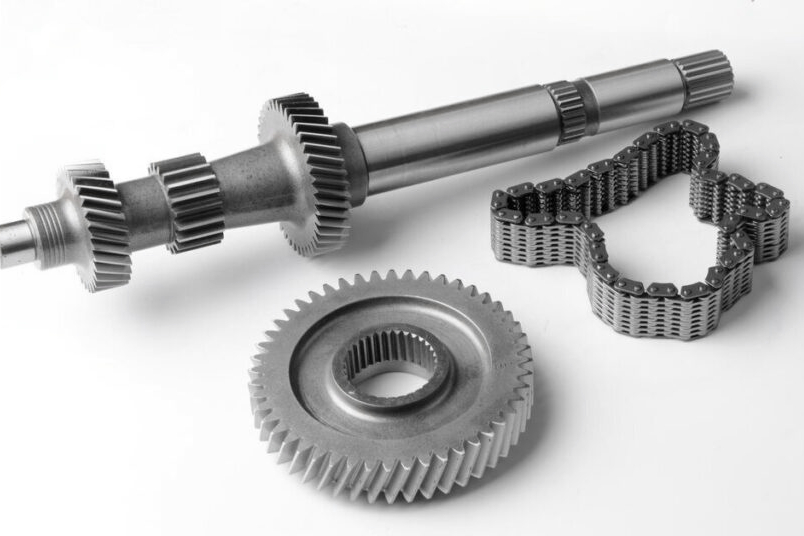
A transmission-component-assembly RFQ should define torque path, bearing interfaces, lubrication passages, and replaceable accessory boundaries before a supplier selects material or process route. Transmission assemblies can include housings, sleeves, retainers, bearing supports, spacer rings, clutch-adjacent parts, oil-flow inserts, brackets, sensor bosses, and heat-exposed accessory details. Some components carry torque or alignment. Others only support lubrication, sealing, or installation. The quote should not treat every part as a generic superalloy block.
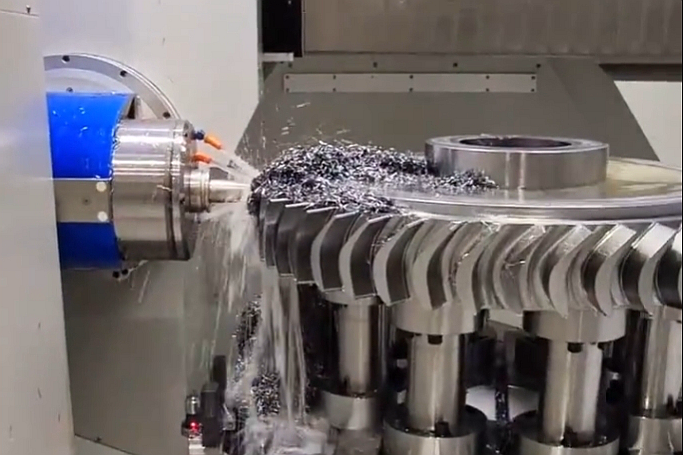
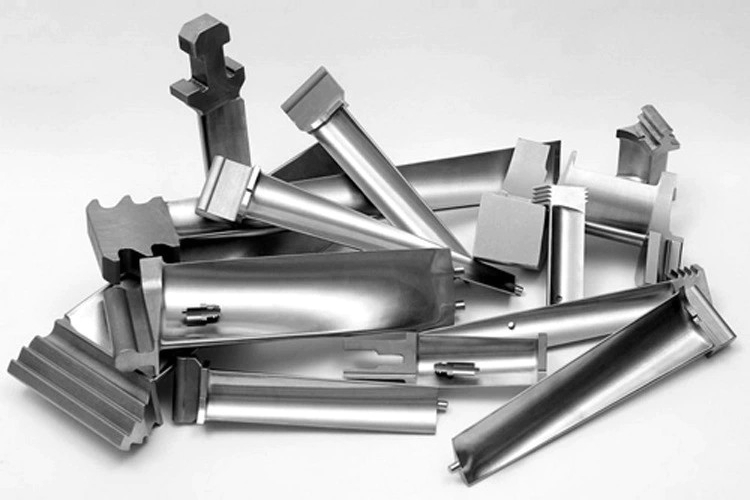
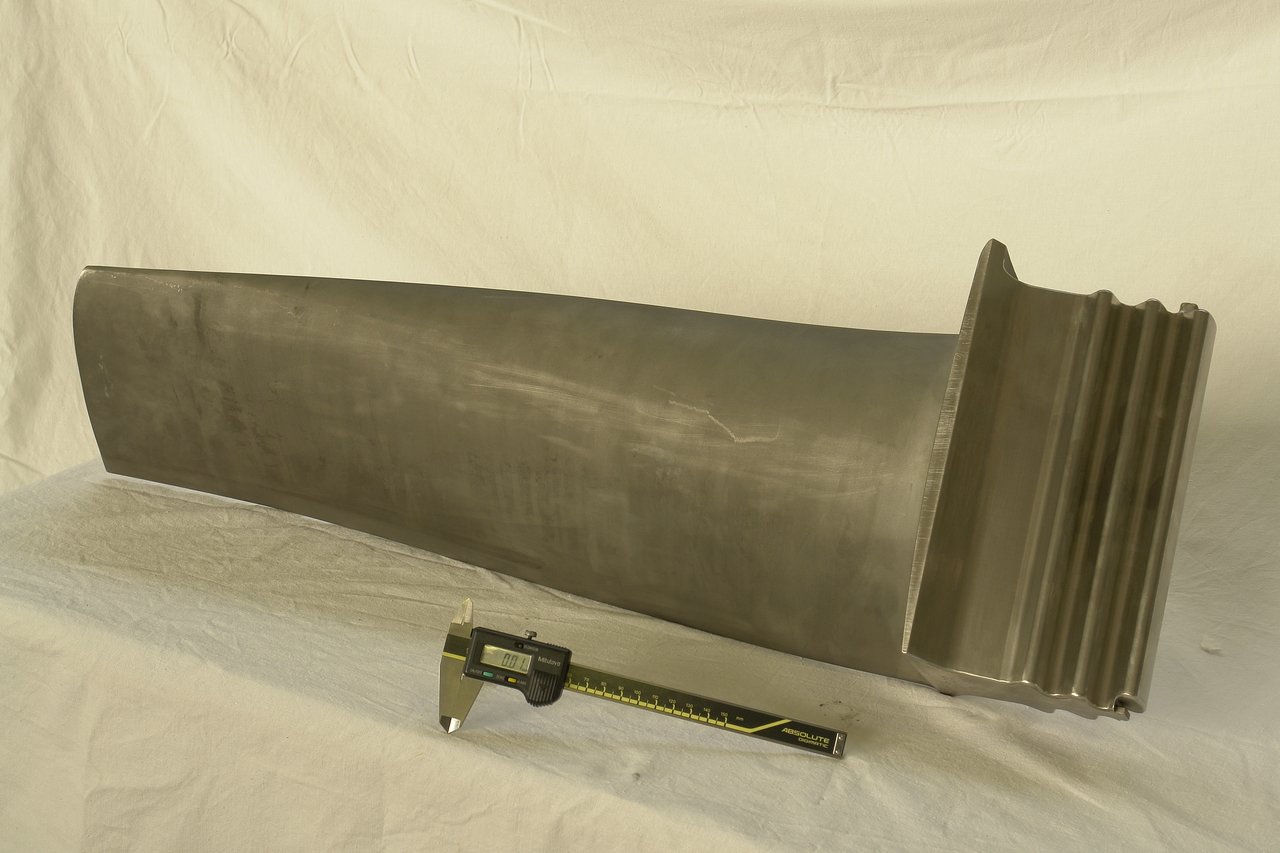
NewayAeroTech supports high-performance transmission components through vacuum investment casting, special alloy casting, powder metallurgy review where suitable, CNC machining, heat treatment, post-process work, and material inspection. A useful RFQ separates casting blanks, machined housings, finished rings, prototype inserts, and sample-based replacement parts.
Define torque path and assembly boundary before quoting
The first review should identify whether the component transmits torque, locates a bearing, seals lubricant, guides oil flow, supports a sensor, or only mounts adjacent hardware. A bearing support needs bore geometry, roundness, and stable datums. A spacer ring needs face parallelism and thickness control. A housing or carrier detail may need casting soundness and final machining. A lubrication insert needs clean passages and burr control. These functions drive different inspection plans.
Buyers should state load direction, temperature, lubricant exposure, rotational or static condition, mating materials, and whether the part is replaceable. A replaceable sleeve can be optimized differently from a housing feature that carries alignment. A bracket or sensor boss may require precise location but not the same material as a gear-adjacent insert. The supplier needs this boundary to avoid overbuilding or underquoting the component.
For sample-based work, worn splines, rubbed faces, fretted holes, and distorted rings should be documented. A used transmission part may not show the original geometry at contact surfaces. The buyer should define whether the sample is a dimensional reference, a failure example, or a direct-fit replacement target.
Select superalloy by temperature, wear, and machining risk
Superalloys may be reviewed for transmission component assemblies when temperature, wear, corrosion, or dimensional stability exceed conventional material capability. Inconel alloy casting may be discussed for heat-exposed parts. Stellite alloy casting may be reviewed for wear-facing details. Nickel or cobalt alloy choices should be linked to the actual duty, not selected only because the assembly is high performance.
The material decision should also consider machining. Bores, grooves, holes, threads, and spline-adjacent features may be difficult in hard alloys. If the component requires tight bearing fits or lubrication passages, the supplier should review tool access and stock allowance before quoting. A material that performs well in the assembly may be impractical if the final geometry cannot be machined repeatably.
When the buyer is open to material review, the RFQ should list current material, observed wear or heat issue, and any restrictions on mating materials. That information lets the supplier separate manufacturing advice from design responsibility.
Choose casting, machining, or powder route by geometry and volume
Vacuum investment casting can support transmission housings, carriers, support brackets, and oil-flow features with complex shapes or integrated bosses. A casting can reduce material waste and provide near-net form while leaving stock on bores, faces, and mounting pads. It also requires tooling, shrinkage review, surface cleanup, first-article measurement, and inspection around heavy sections.
CNC machining may be better for spacer rings, sleeves, retainers, and simple precision parts. Superalloy CNC machining controls bearing bores, face runout, grooves, thread features, and datum surfaces. Powder metallurgy discussion may be relevant only where the design and material route justify it. The supplier should not add it automatically to every transmission component quote.
Prototype routes should be labeled. A machined prototype can confirm fit and assembly clearance. A printed development model can check packaging and oil-passage layout. A casting or powder route still needs route-specific first-article review before repeat supply.
Control bores, faces, and lubrication passages separately
Transmission components are usually accepted by interfaces. Bearing bores need roundness, size, and surface condition. Faces need flatness, parallelism, or runout. Oil passages need cleanliness and burr-free intersections. Threaded ports need clean entry and orientation. Retainers or spacers need thickness and edge condition. The RFQ should mark which of these features control assembly function.
Machining allowance should be assigned feature by feature. Cast housings may need stock around bores and faces. Thin retainers may distort if excessive stock is removed late. Oil-passage features may need drilling, EDM, or staged machining with inspection access. The supplier response should state how datums will be established and which features are inspected after heat treatment or post-process work.
Cleanliness can be critical where lubrication is involved. Chips, abrasive media, or casting residue should not remain in small passages or grooves. If flushing, borescope review, or special packaging is required, the buyer should state that before quotation.
Sequence heat treatment and post-process work around final fits
Heat treatment should be coordinated with final machining. If a housing or ring moves during thermal processing, finish machining should happen afterward on bearing and seal surfaces. If a component is thin or asymmetric, fixture planning may be needed to reduce movement. The RFQ should state which dimensions are final after all processing steps.
Post-process work should protect bores, faces, grooves, and passage cleanliness. Deburring, cleaning, surface preparation, and handling can affect assembly fit. If coating, polishing, or surface treatment is needed, the RFQ should identify treated and masked surfaces. A process list has value only when it is tied to the actual component features.
For cast transmission components with heavy sections, HIP may be reviewed if internal soundness is a major concern and the alloy supports the process. The buyer should ask what risk HIP addresses and what inspection follows.
Build inspection evidence around alignment, wear, and oil flow
Material testing and analysis should support the component's function. Cast parts may need chemistry, visual inspection, dimensional reporting, penetrant inspection, radiographic review where agreed, and hardness checks where required. Machined parts may need CMM reports, bore measurements, face runout, surface finish, thread gauging, and cleanliness evidence.
The buyer should separate component inspection from complete transmission validation. NewayAeroTech can document the supplied part against agreed drawing and process criteria. The buyer or assembly owner remains responsible for system-level validation unless a separate scope is defined. This boundary prevents a component quote from carrying unsupported assembly assumptions.
Reports should identify the actual acceptance features: bores, faces, grooves, holes, passages, and contact surfaces. A focused report helps buyers compare suppliers on measurable evidence instead of broad quality language.
Clarify material-change and sample boundary before ordering
Transmission component RFQs sometimes begin because an older part overheats, wears quickly, or is no longer easy to source. If the buyer wants to change material, the RFQ should state who owns that design decision and what validation will follow. A component supplier can advise on casting, machining, heat treatment, and inspection, but the buyer should retain responsibility for the complete transmission assembly unless a separate engineering scope is defined.
When a used part is the only reference, the supplier should separate measurable original features from wear, fretting, galling, and impact damage. Mating parts are also important. A new sleeve, spacer, or support ring can change the wear pattern on adjacent parts if material or surface finish changes. These questions should be closed before the first article is accepted.
Use first articles to confirm route before small-batch supply
A first article should prove the chosen route. For a casting, that means stock distribution, surface condition, internal soundness review where applicable, and finish-machined interfaces. For a machined sleeve or spacer, that means bores, faces, finish, and edge condition. For a prototype, the report should state whether the part proves fit only or also validates the final route.
Small-batch transmission parts need revision and matching control. If components work in sets, the buyer should state whether they are interchangeable or location-specific. If a sample is used, worn faces and damaged passages should be documented before approval. These notes reduce surprises when the next release moves beyond one first article.
What to send for a transmission component assembly RFQ
A complete RFQ includes drawings, models, current material, candidate material, load or torque notes, temperature, lubricant exposure, mating parts, quantity range, sample condition if available, critical bores and faces, passage-cleanliness needs, and inspection requirements. For aerospace and aviation, automotive, or energy equipment, the component's assembly function is more useful than the industry label.
The supplier response should separate material review, casting or machining route, powder-route assumptions where relevant, machining stock, heat-treatment sequence, post-process cleaning, inspection evidence, and open questions. If the quote covers only one part of a larger assembly, that boundary should be explicit.
NewayAeroTech's value is connecting superalloy manufacturing to torque path, heat, wear, lubrication, and inspection evidence. A clear RFQ gives both sides a controlled route from first article to small-batch transmission component supply.
Related FAQs
What benefits do superalloys provide in transmission component assemblies?
How does vacuum investment casting enhance transmission component quality?
How does powder metallurgy contribute to high-performance transmission parts?
How can 3D printing accelerate the prototyping of transmission components?
What inspection methods are crucial in the manufacturing of transmission components?