What benefits do superalloys provide in transmission component assemblies?
High Strength and Load-Bearing Capacity
Transmission assemblies operate under constant torque, vibration, and dynamic loading. Superalloys such as Inconel 718 and powder metallurgy alloys like FGH97 deliver outstanding mechanical strength and fatigue resistance. Their ability to maintain structural integrity under high rotational stress makes them ideal for gearbox casings, drive shafts, and torque transmission elements.
Thermal Stability and Friction Management
Transmission components generate heat through friction and power transfer. Nickel-based alloys with stable γ′ strengthening phases, such as Inconel 713C, retain mechanical properties at elevated temperatures. Cobalt-based superalloys like Stellite 6B provide superior wear resistance, reducing friction-induced wear in mating surfaces and rotational joints.
Manufacturing Flexibility for Complex Assemblies
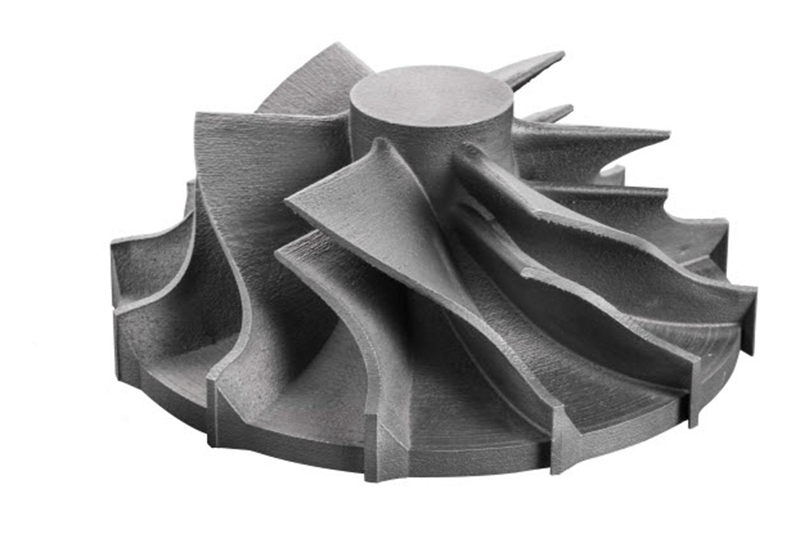
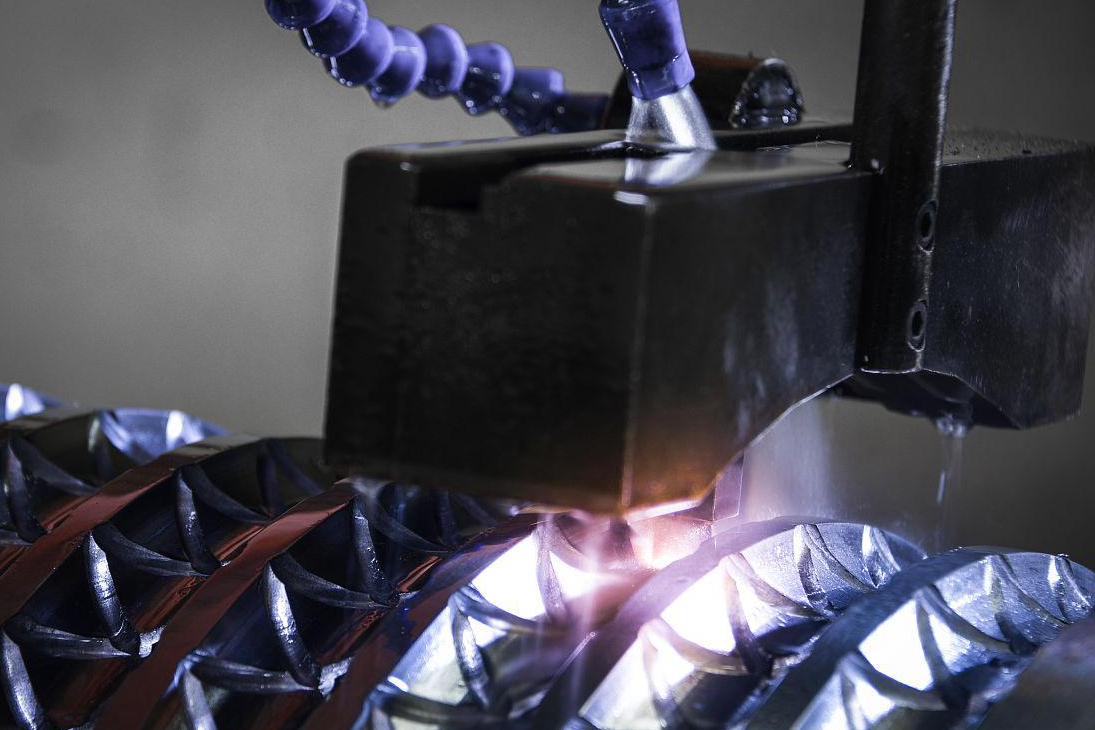
Superalloys support multiple manufacturing processes depending on assembly requirements. Near-net-shape parts can be produced via vacuum investment casting, while deep bores and internal channels can be precisely machined with deep hole drilling and electrical discharge machining (EDM). For prototype development, superalloy 3D printing enables fast validation of assembly layout and mounting geometry.
Long-Term Durability and Environmental Resistance
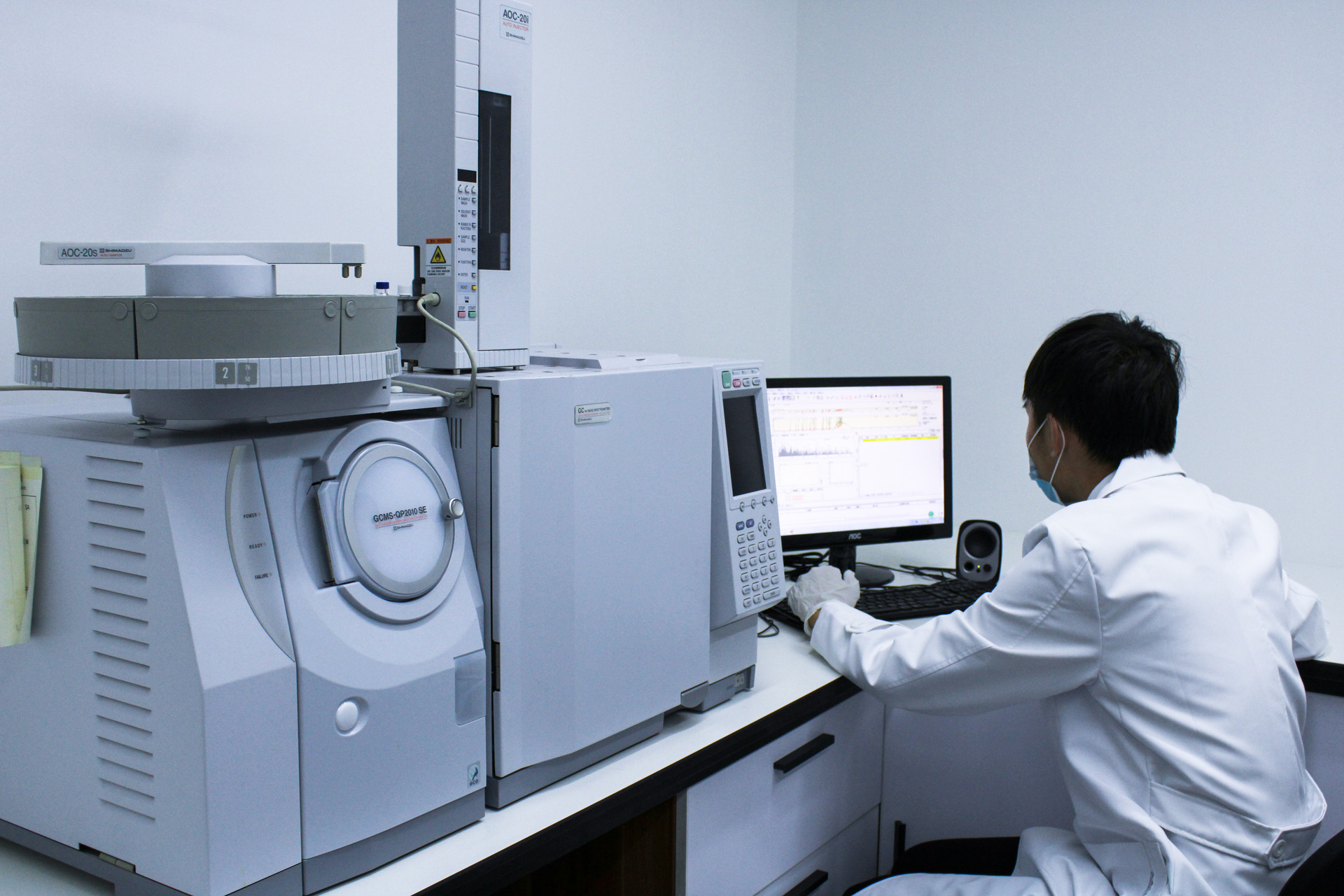
Transmission parts for marine and heavy-duty power applications require resistance to corrosion and wear. Protective thermal barrier coating (TBC) and performance verification via material testing and analysis ensure operational stability under extended service intervals. These characteristics make superalloys reliable choices for transmissions used in aerospace, automotive, power generation, and defense industries.