How can 3D printing accelerate the prototyping of transmission components?
Rapid Design Validation and Cost Efficiency
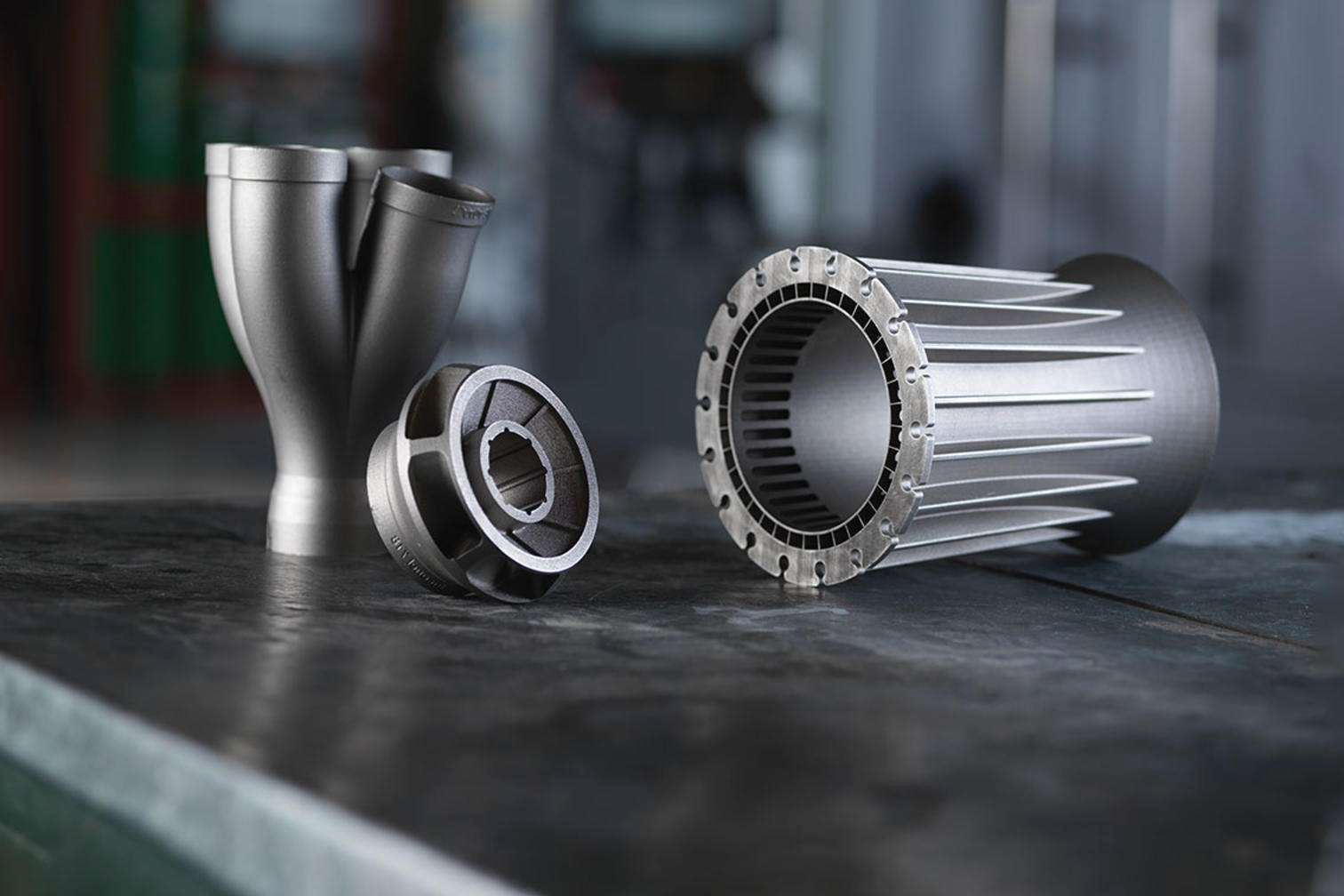
Transmission components typically require multiple iterations to refine torque transfer efficiency, lubrication flow, and assembly geometry. With the use of 3D printing service, prototypes can be built within days, reducing reliance on tooling and speeding up evaluation of dimensional fit, shaft alignment, and bearing interface performance. This drastically cuts development cost and lead time compared to conventional machining-based prototyping.
Functional Features and Complex Geometry Capability
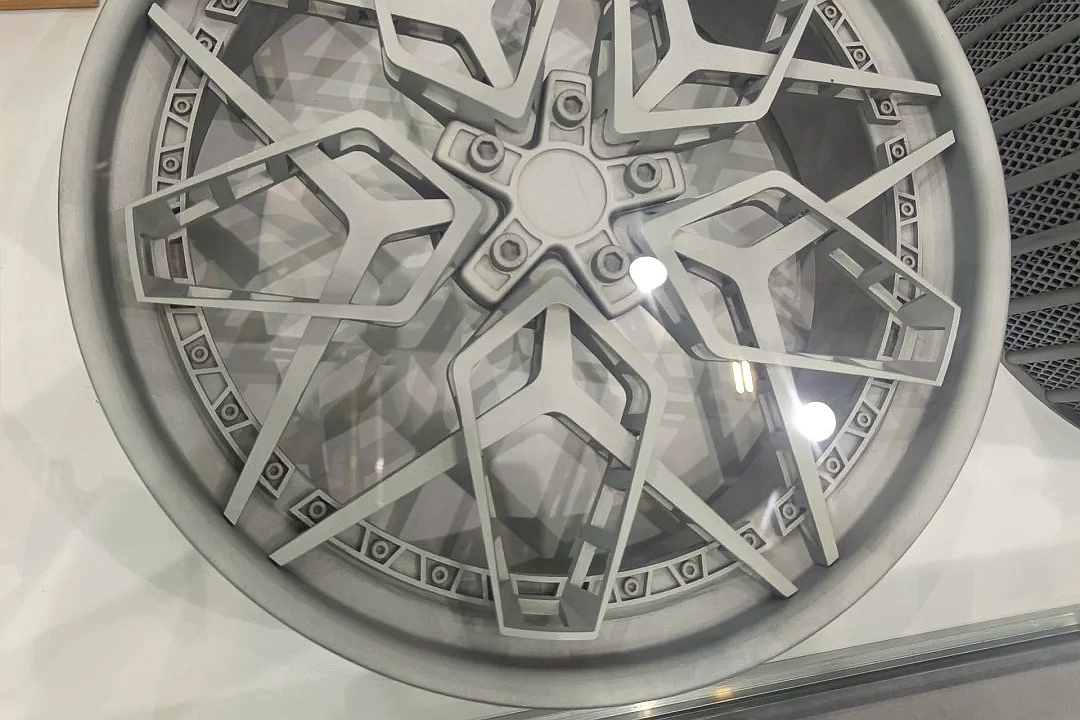
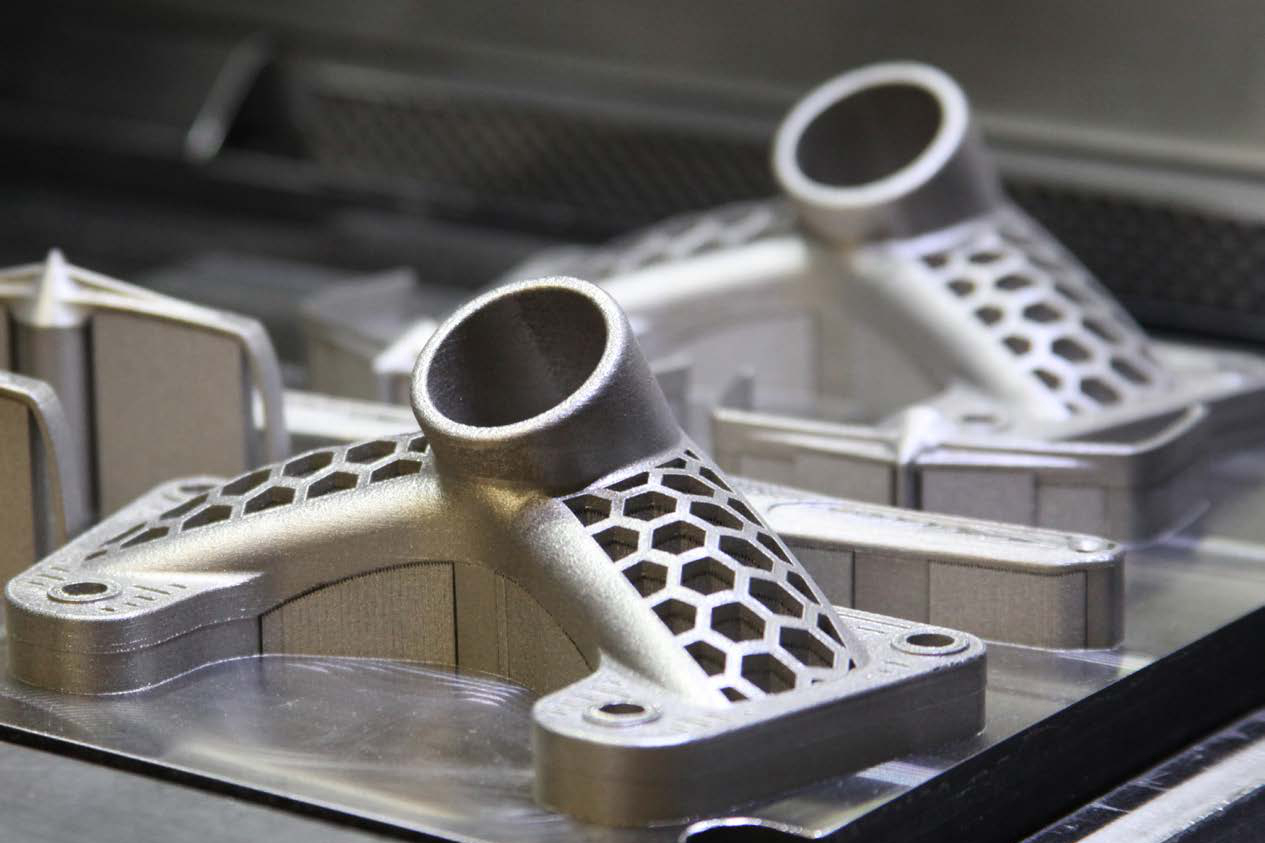
Superalloy transmission parts often require internal channels, topology-optimized structures, or weight-reduction features. Through superalloy 3D printing, engineers can produce testable components incorporating complex detailing such as lattice reinforcements, lubrication tunnels, or dynamic mounting zones—without multi-piece assemblies or excess machining.
Material Testing and Performance Simulation
Alloys like Inconel 718 and powder metallurgy materials such as FGH96 can be printed to evaluate their torque-bearing potential and thermal fatigue response. These prototypes allow engineers to simulate operating conditions before committing to production processes such as vacuum investment casting or deep hole drilling.
Post-Processing for Prototype-to-Production Transition
Once the prototype proves functional, structural reliability is enhanced through hot isostatic pressing (HIP) and evaluated using material testing and analysis. Final tolerances are achieved through superalloy CNC machining, ensuring seamless transition into aerospace, automotive, and marine transmission assemblies.