How does vacuum investment casting enhance transmission component quality?
Enhanced Alloy Purity and Material Consistency
Vacuum investment casting eliminates exposure to oxygen during solidification, allowing transmission components made from alloys such as Inconel 713C and Rene 77 to maintain chemical purity. This results in improved fatigue resistance and greater reliability under high torque and thermal stress conditions.
Precision Forming of Complex Structures
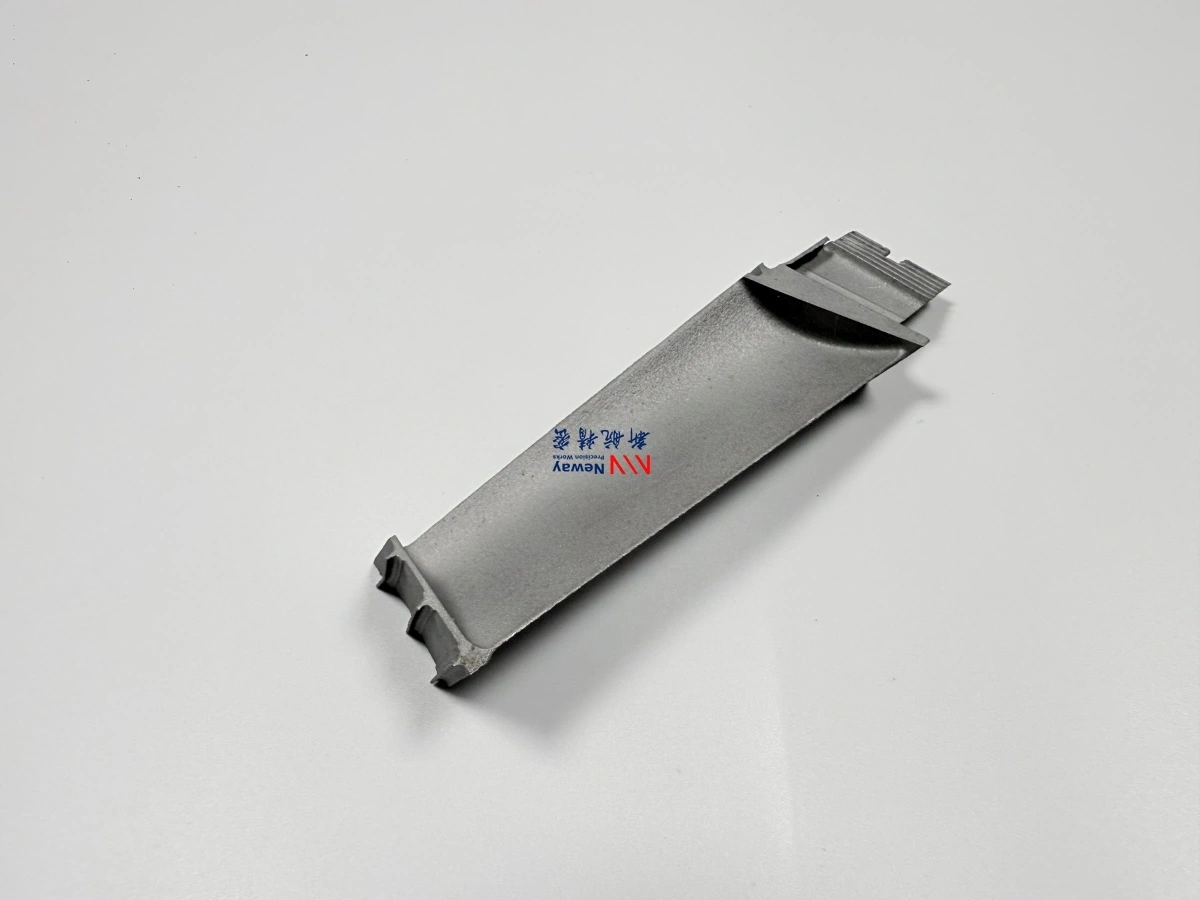
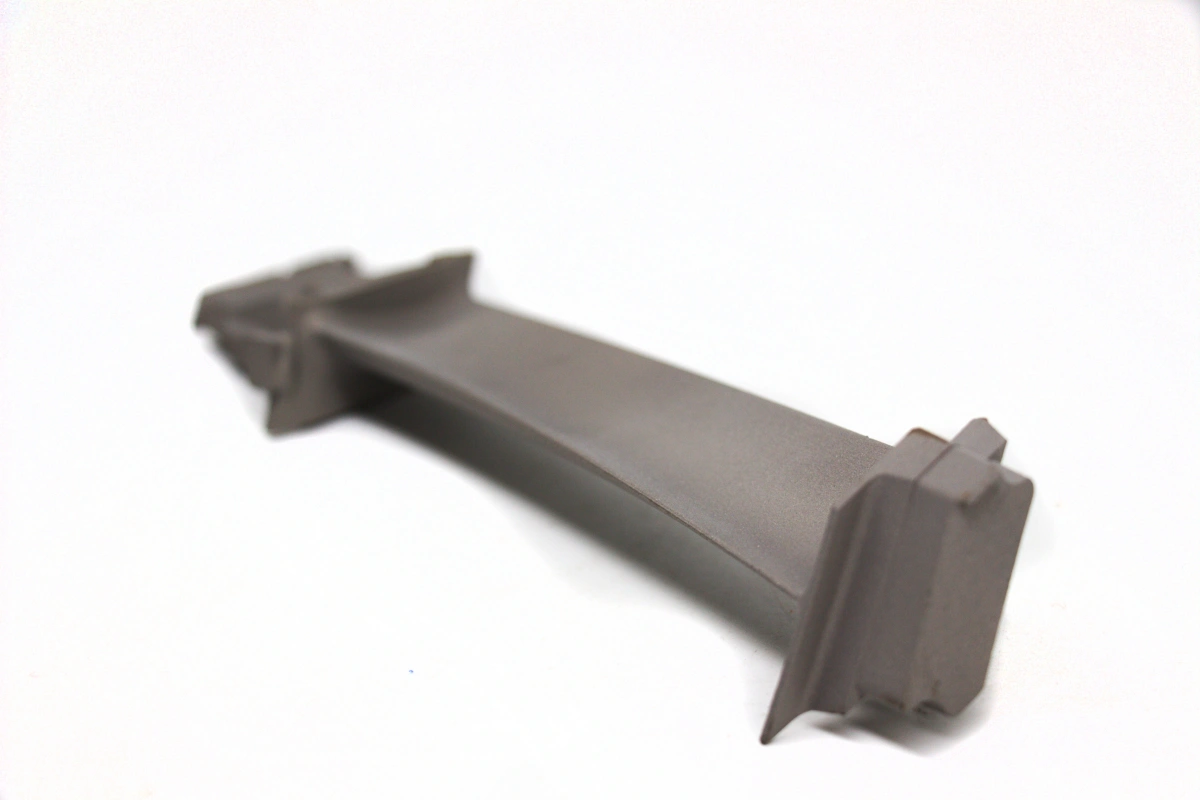
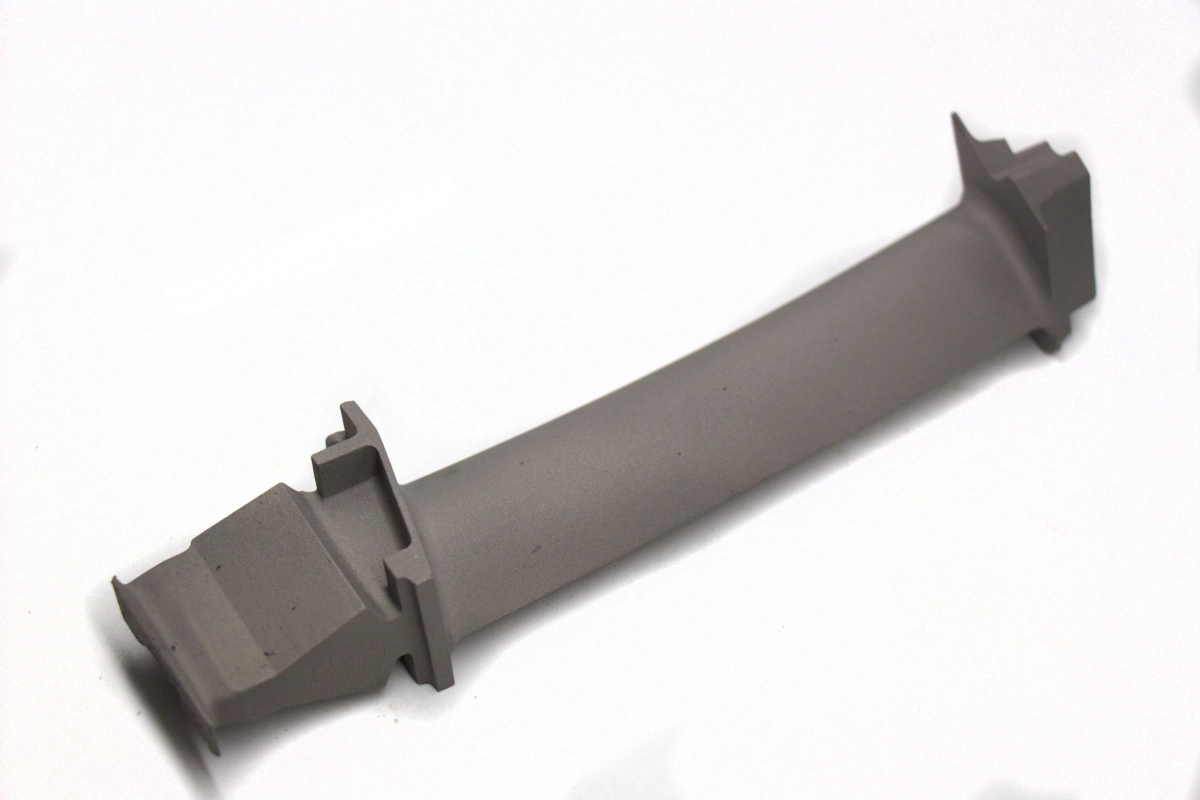
Transmission assemblies often require intricate geometries, mounting features, and flow or lubrication channels. Vacuum investment casting enables near-net-shape formation of these features, reducing machining requirements and ensuring dimensional consistency. Follow-up finishing through superalloy CNC machining provides optimal surface quality and assembly fit.
Optimized Microstructure for Fatigue Resistance
The controlled cooling environment of vacuum casting improves grain uniformity and reduces segregation. This significantly enhances creep and fatigue resistance—crucial for drive shafts, torque transmission housings, and rotating couplings. For performance-critical zones, directional solidification or single crystal casting may be integrated to further strengthen material performance.
Post-Processing Integration for Lifetime Performance
After casting, components are commonly strengthened using hot isostatic pressing (HIP) and stabilized through tailored superalloy heat treatment. These procedures enhance durability and prevent crack initiation during rotational loads. Mechanical validation through material testing and analysis confirms the long-term reliability of this product for use in the automotive, aerospace, and power transmission sectors.