What inspection methods are crucial in the manufacturing of transmission components?
Material Verification and Chemical Analysis
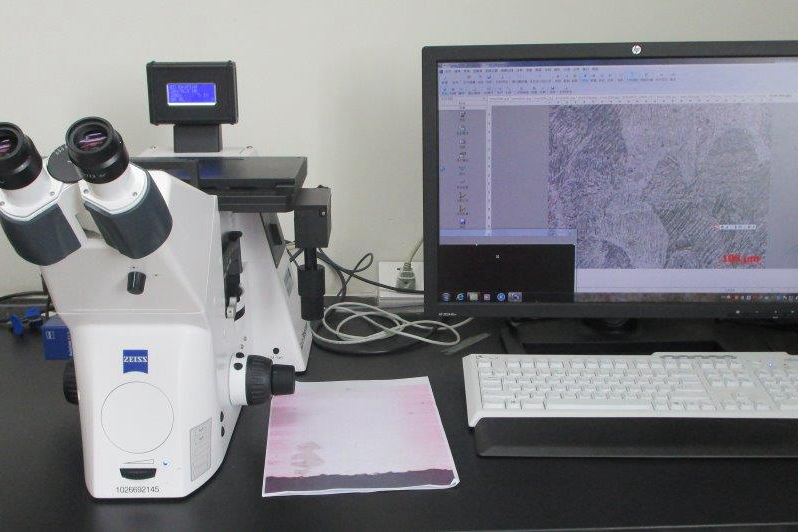
Ensuring alloy consistency is essential for high-stress transmission components. Material testing and analysis confirms chemical composition, grain structure, and impurity levels—particularly for alloys like Inconel 718 and powder metallurgy materials such as FGH96. This prevents material degradation in torque-loaded applications.
Dimensional Inspection and Precision Validation
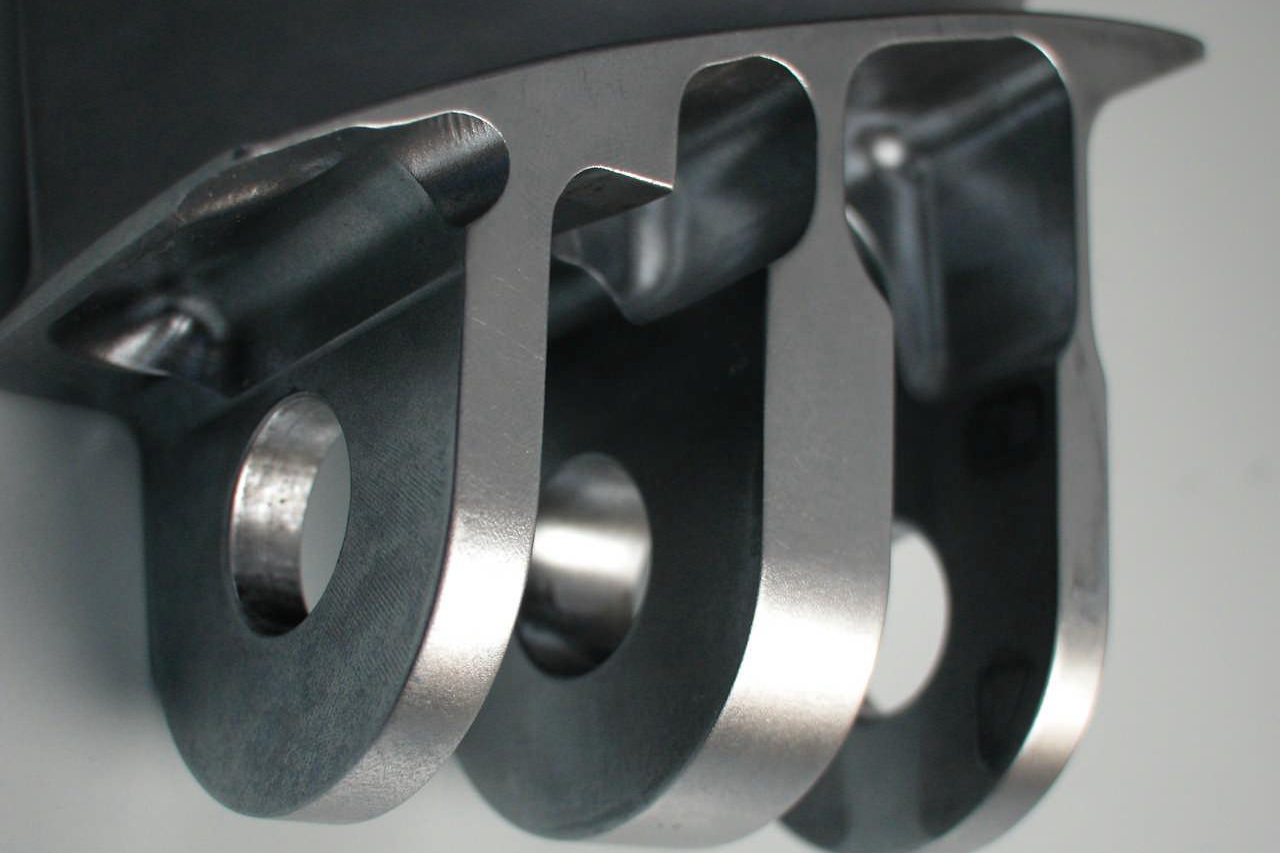
Transmission assemblies require stringent tolerance control to ensure proper gear meshing, shaft alignment, and rotational stability. Laser scanning, CMM measurement, and functional gauging are used to validate geometry. Final machining is achieved via superalloy CNC machining to ensure precise fit with mating components.
Defect Detection and Microstructure Evaluation
Internal voids and microcracks compromise durability and fatigue resistance. Components must undergo X-ray scanning, ultrasonic testing, and penetrant inspection to evaluate structural soundness. If needed, densification via hot isostatic pressing (HIP) removes porosity and improves creep performance under rotational loading.
Surface Quality and Wear Assessment
Transmission components subject to sliding or rotational wear are evaluated through hardness testing, tribology assessment, and thermal cycling tests. Protective layers such as thermal barrier coating (TBC) are inspected for adhesion quality and uniformity using microscopy and coating thickness measurement.
Industry Compliance and Functional Validation
For aerospace, marine, and automotive transmissions, regulatory compliance is mandatory. Components undergo durability testing, dynamic load simulation, and sealing integrity checks, fully documented for certification within aerospace and aviation and military and defense sectors.