Superalloy Superfinishing for Aerospace Surface Acceptance
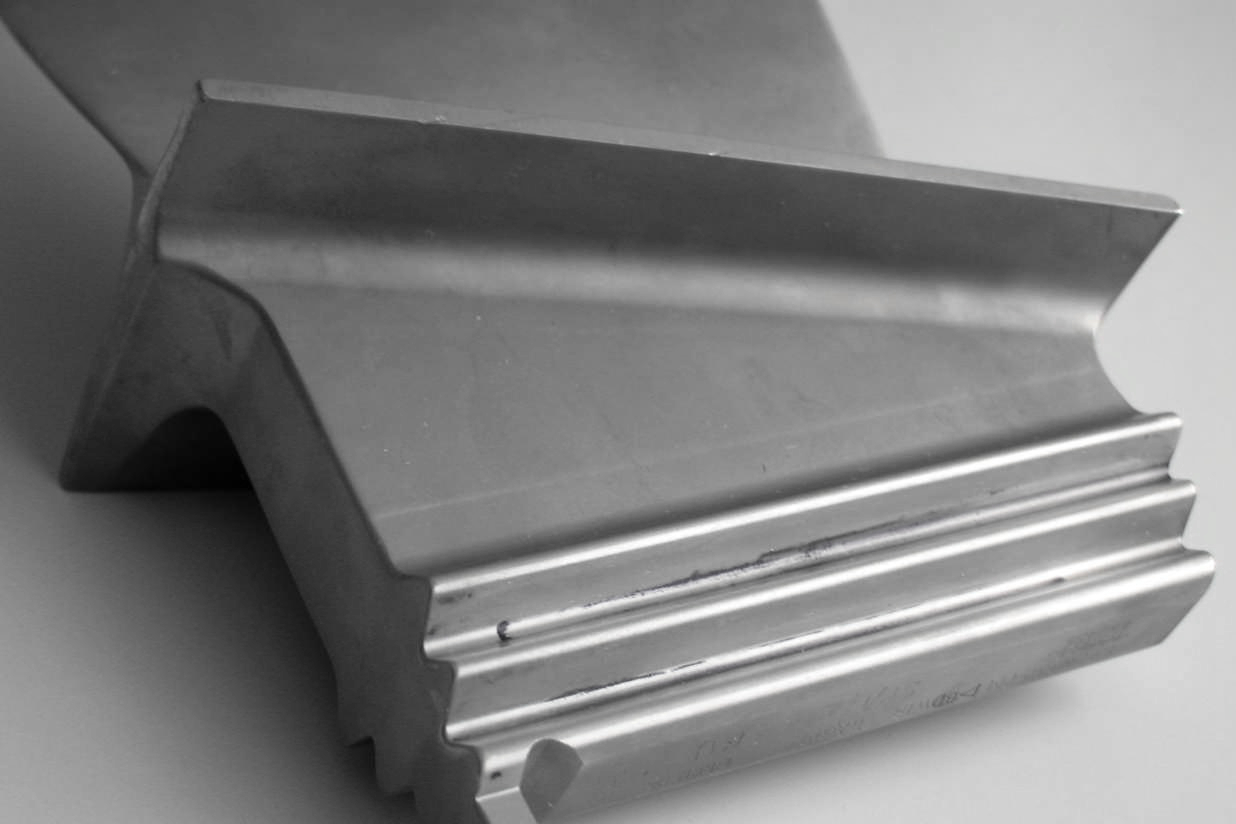
Superalloy superfinishing RFQs for aerospace components should start with the surface that must be accepted, not with a broad request for polishing. A turbine component, bracket, seal land, air-path surface, fuel-system part, or hot-section support can need very different finishing limits. The buyer should define surface function, protected datums, coating readiness, inspection method, and whether finishing is part of final supply or only an intermediate process.
NewayAeroTech can review superalloy post-process work for cast, forged, machined, and additive superalloy components when buyers provide drawings, roughness callouts, feature maps, material grade, quantity, and acceptance records. For this RFQ, the useful question is not whether a part can be made shinier. It is whether the required surface can be produced without damaging geometry, coating readiness, or inspection traceability.
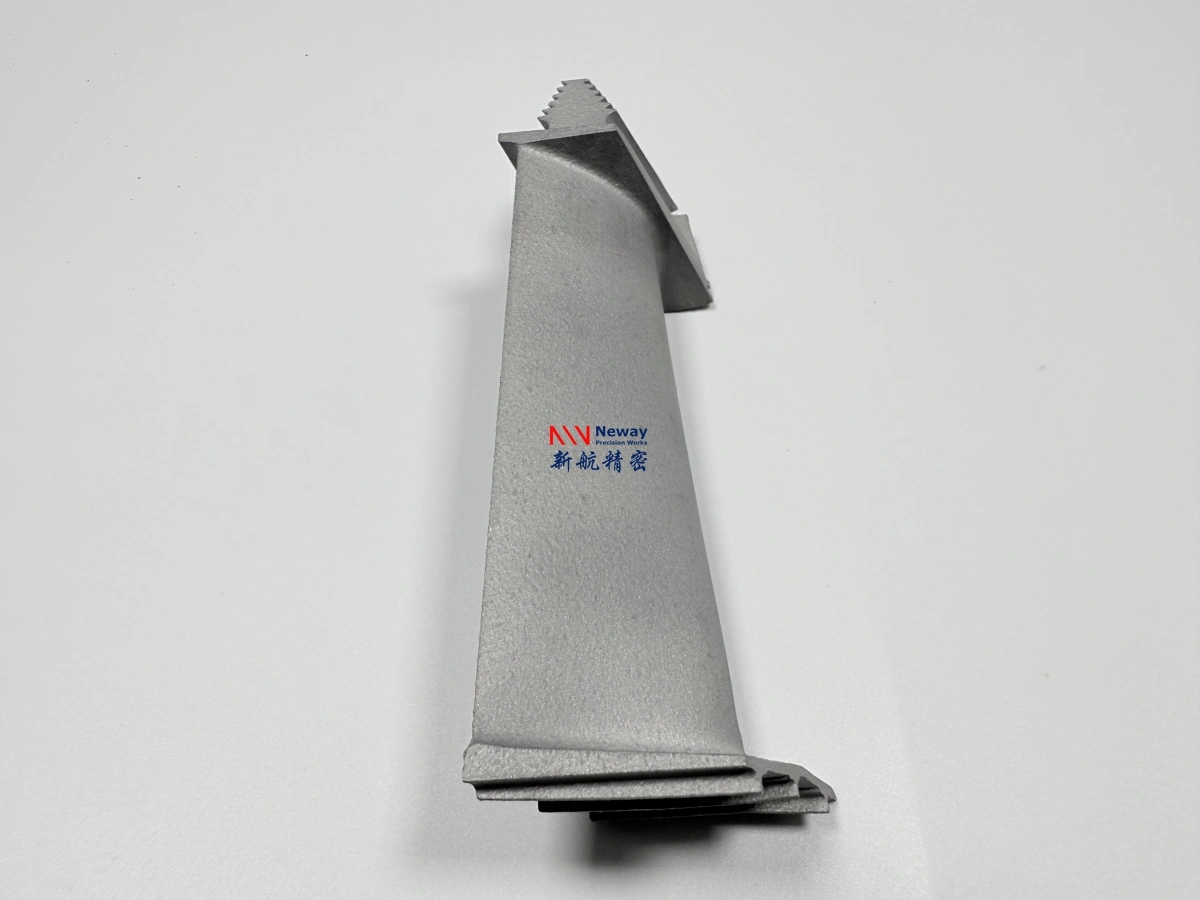
Define Which Aerospace Surfaces Need Superfinishing
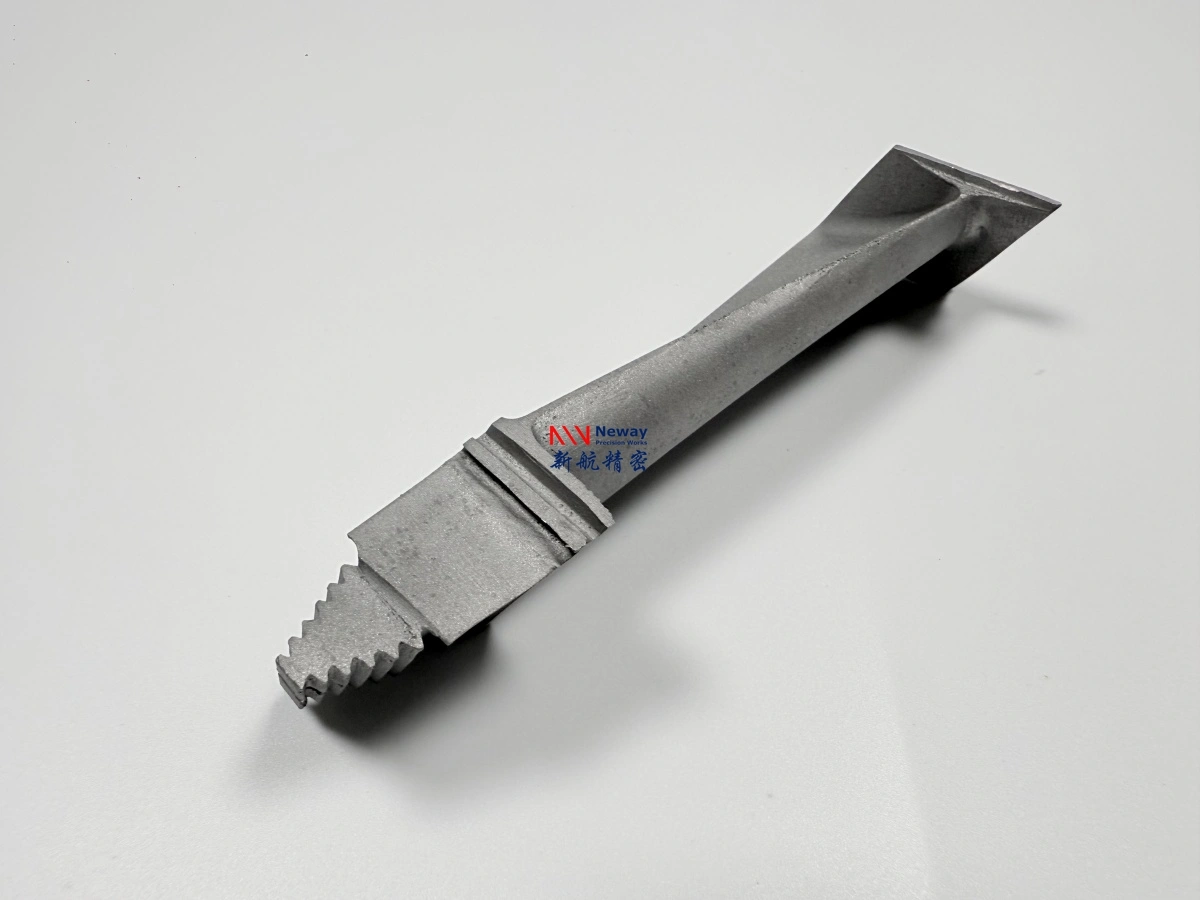
For this RFQ, buyers should mark the exact surfaces that require superfinishing. A drawing may include gas-path surfaces, seal lands, bearing-adjacent faces, attachment features, coating surfaces, and nonfunctional outside contours. Treating all of them the same can add cost and may remove material where stock should be protected. The supplier needs a feature map that separates functional finish from cosmetic cleanup.
Surface function should be stated in buyer language. A surface may control flow, sealing, fatigue initiation risk, coating adhesion, friction, inspection visibility, or assembly fit. Each purpose leads to different finishing limits. A surface prepared for coating may not need the same final roughness as a seal face. A datum face may need dimensional protection more than aggressive smoothing.
Surface function | Buyer should define | Supplier response should clarify |
|---|---|---|
Seal or contact surface | Roughness, flatness, wear direction, and mating part. | Finishing method, stock removal risk, and final inspection record. |
Air-path or flow surface | Area to be blended, surface target, and edges to protect. | Whether finishing is local, full-surface, or buyer-completed later. |
Coating-preparation surface | Required condition before TBC, bond coat, or other coating step. | Cleaning, masking, roughness, and coating-readiness evidence. |
Datum or assembly face | Features that must not lose position or stock. | Protection plan and dimensional check after finishing. |
Buyers should avoid relying only on one roughness number. Location, direction, measurement length, and inspection method can all change whether a surface is accepted. If the supplier must finish only selected zones, include a marked drawing or color-coded image so the quote does not assume full-part finishing.
The starting condition should be included with the surface map. A finish callout on a final drawing does not tell the supplier whether the incoming part is as-cast, EDM cut, turned, milled, ground, blasted, heat treated, coated, or locally repaired. Each starting condition changes the amount of stock that may be removed and the risk of uncovering subsurface defects. Photos, sample records, or a roughness reading before finishing can help the supplier quote the actual work instead of an idealized final step.
How Finishing Changes Datum, Coating, and Inspection Scope
Superfinishing can change more than surface appearance. It can remove stock, soften sharp transitions, expose prior machining marks, alter coating-preparation texture, or make a surface harder to inspect if the operation is not controlled. The RFQ should state which datums and edges are protected before work begins. If a datum is finished after CMM inspection, the buyer may need a second dimensional check.
For aerospace components that later receive thermal barrier coating or another coating process, surface condition before coating is part of the manufacturing route. The buyer should indicate whether NewayAeroTech is responsible only for pre-coating surface preparation or also for coating-readiness inspection. A finished-looking surface may be unsuitable for coating if the required texture, cleanliness, or masking boundary is wrong.
Fixture contact should be discussed when a thin component, precision bore, blade-like feature, or fragile edge is involved. Superfinishing may require holding the part in a way that protects datums while exposing the surface to media, tool, or abrasive flow. If the buyer has no-clamp zones, thin-wall limits, or features that cannot be loaded, those restrictions should be marked. The quotation should state whether additional soft jaws, custom fixtures, or staged handling are needed.
Boundary to define | Risk if omitted | Better RFQ instruction |
|---|---|---|
Protected datum | Finishing changes a face used for final inspection or assembly. | Mark datums that must not be altered or must be rechecked. |
Coating interface | Surface becomes too smooth, contaminated, or mismatched for coating. | State pre-coating texture, cleaning, and masking requirements. |
Edge condition | Blend radius or burr removal changes fit or stress concentration. | Define edges to break, hold, blend, or leave untouched. |
Inspection timing | Report no longer reflects final surface condition. | State before-finish and after-finish inspection requirements. |
Material and Geometry Limits for Nickel Superalloy Finishing
Nickel and cobalt superalloys can be difficult to finish because of hardness, work-hardening behavior, abrasive wear resistance, and complex geometry. Thin walls, cooling features, narrow slots, sharp corners, and internal passages may limit tool access. The RFQ should identify surfaces that are accessible from one side only, surfaces near delicate features, and areas where material removal must be minimized.
If the part is cast, forged, or additively manufactured, the starting surface condition also matters. A cast surface may need local blend and inspection after defect cleanup. A machined surface may need burr control and roughness improvement. An additive surface may require machining, heat treatment, HIP, or additional post-process review before final finishing. The supplier should quote from the real starting condition, not from an ideal model.
Buyers should provide material grade and heat-treated condition if known. Finishing response can differ between Inconel, Rene, Hastelloy, Stellite, CMSX, and titanium alloy components. If the material condition is still under development, state whether NewayAeroTech should review finish risk before or after heat treatment. Finishing before heat treatment can be wasted if distortion or scale changes the surface later.
Material removal limits are especially important on surfaces close to minimum wall thickness or on features already machined to near-final size. The buyer should state whether finishing is allowed to remove measurable stock or only to improve texture within an existing tolerance band. If the component has cooling holes, slots, or coating edges, the RFQ should define whether edge rounding is acceptable. A supplier should not have to infer that from the model.
Surface Acceptance Evidence Buyers Should Request
Surface acceptance should be measurable. The RFQ may request roughness readings, visual inspection, dimensional check after finishing, burr review, coating-readiness confirmation, FPI where specified, or a CMM report for protected datums. The buyer should name the record needed for release and avoid a broad instruction such as "polish to aerospace quality" without a drawing callout.
NewayAeroTech can combine finishing review with superalloy CNC machining and material testing and analysis when the buyer defines the work scope. If a finished surface is critical, the report should identify where it was measured, what instrument or method was used, and whether the part was inspected before or after cleaning.
Acceptance evidence | When to request it | What to include in RFQ |
|---|---|---|
Roughness measurement | Surface finish is a drawing requirement or coating-preparation gate. | Location, direction, value, unit, and report format. |
Dimensional recheck | Finishing touches datums, seal faces, or assembly features. | Feature list, datum scheme, and inspection stage. |
Visual or burr review | Edges, holes, slots, or thin features may retain burrs or blended marks. | Acceptance description and photo record if needed. |
Coating-readiness note | Surface will move to TBC, bond coat, or buyer-side coating. | Cleaning, masking, texture, and hold-point requirements. |
If the buyer needs process traceability, the RFQ should also state whether the finish method, abrasive media, cleaning route, or handling protection must be documented. This is especially useful for small batches where one damaged surface can decide the entire order acceptance.
Cleaning and packaging should be part of the acceptance discussion. A polished or superfinished surface can be damaged by residue, handling marks, or unsuitable packaging before incoming inspection. The buyer should define whether parts need individual wrapping, protected seal faces, clean bags, or photos before shipment. These requirements are small compared with manufacturing cost, but they can decide whether the surface arrives in the same condition shown on the final report.
RFQ Checklist for Superalloy Superfinishing Service
A complete superalloy superfinishing RFQ should include the drawing, 3D model if available, material grade, heat-treated condition, starting surface condition, marked surfaces to finish, protected datums, roughness requirements, coating-readiness requirements, quantity, inspection records, and packaging expectations. If NewayAeroTech is also quoting machining, separate machining stock from finishing stock.
The quote should identify surface preparation, finishing method, protected features, inspection stage, report package, and any limits caused by geometry. Buyers can then compare suppliers by the surfaces they actually protect and document. A low finishing price is not useful if it assumes open-access flat surfaces while the real part has thin edges, holes, seal lands, and coating-sensitive areas.
For first-article approval, buyers should define whether one component, one representative coupon, or one selected surface will release the finishing route. The first article should show stock removal, final roughness, dimensional stability, cleaned condition, and any coating-readiness evidence required by the buyer. Once that package is accepted, repeat orders can follow a clearer inspection plan instead of renegotiating the finish standard part by part.
Send the drawing, marked surface map, material condition, finish callouts, protected datums, coating notes, quantity, and inspection records. NewayAeroTech can review whether superfinishing, post-process support, machining, and inspection evidence fit the aerospace superalloy component RFQ.
Related FAQs
Which post-processes enhance aerospace superalloy component performance?
What is the primary purpose of post-processing for superalloy parts?
Essential surface finishing standards for superalloy components in aerospace and power
Electropolishing for aerospace enhancing corrosion resistance and surface integrity
Which CNC techniques achieve high surface finish on superalloy parts?
How do tests and inspections verify CNC surface quality meets standards?
What should be controlled before applying TBC to superalloy components?