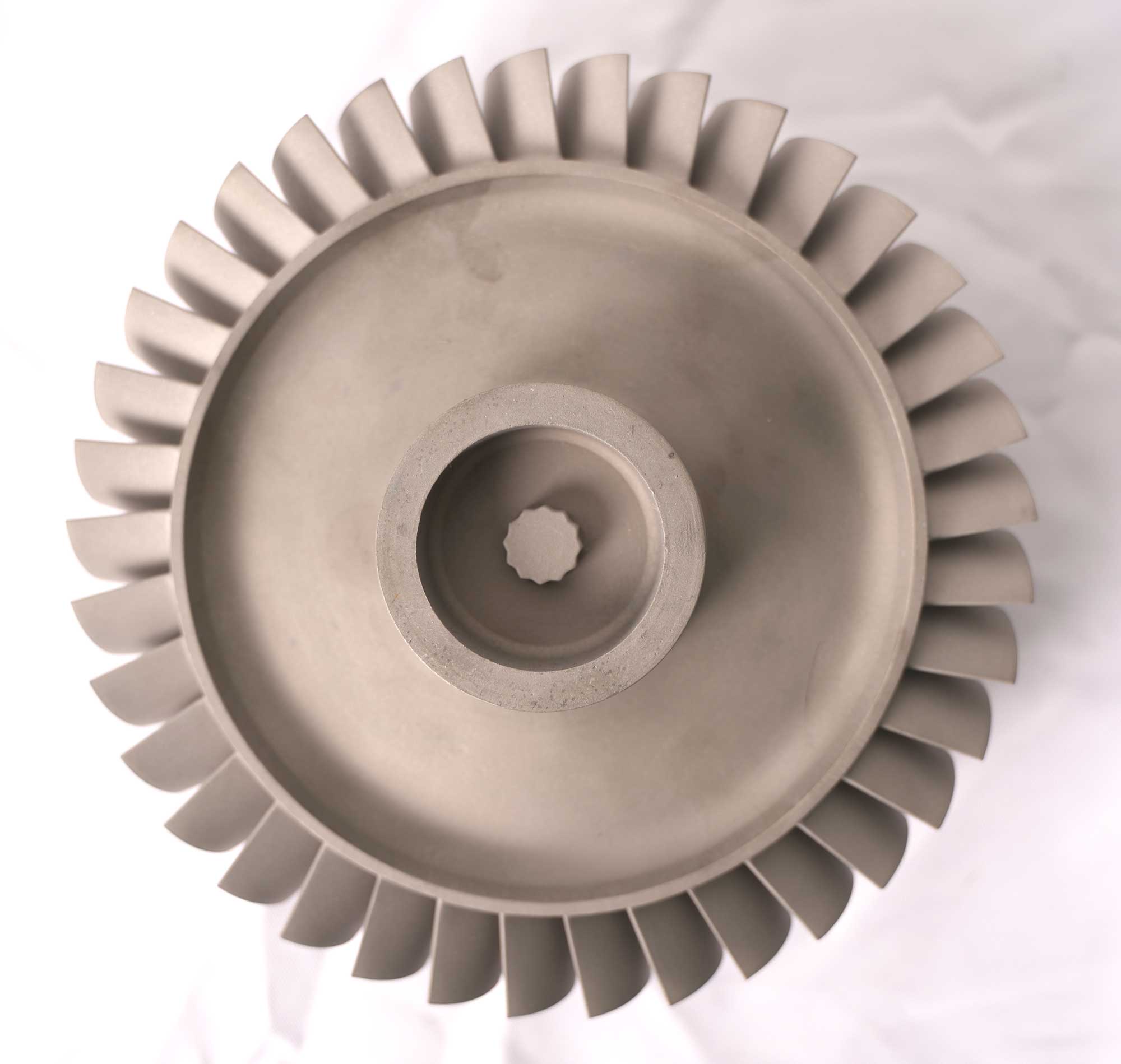
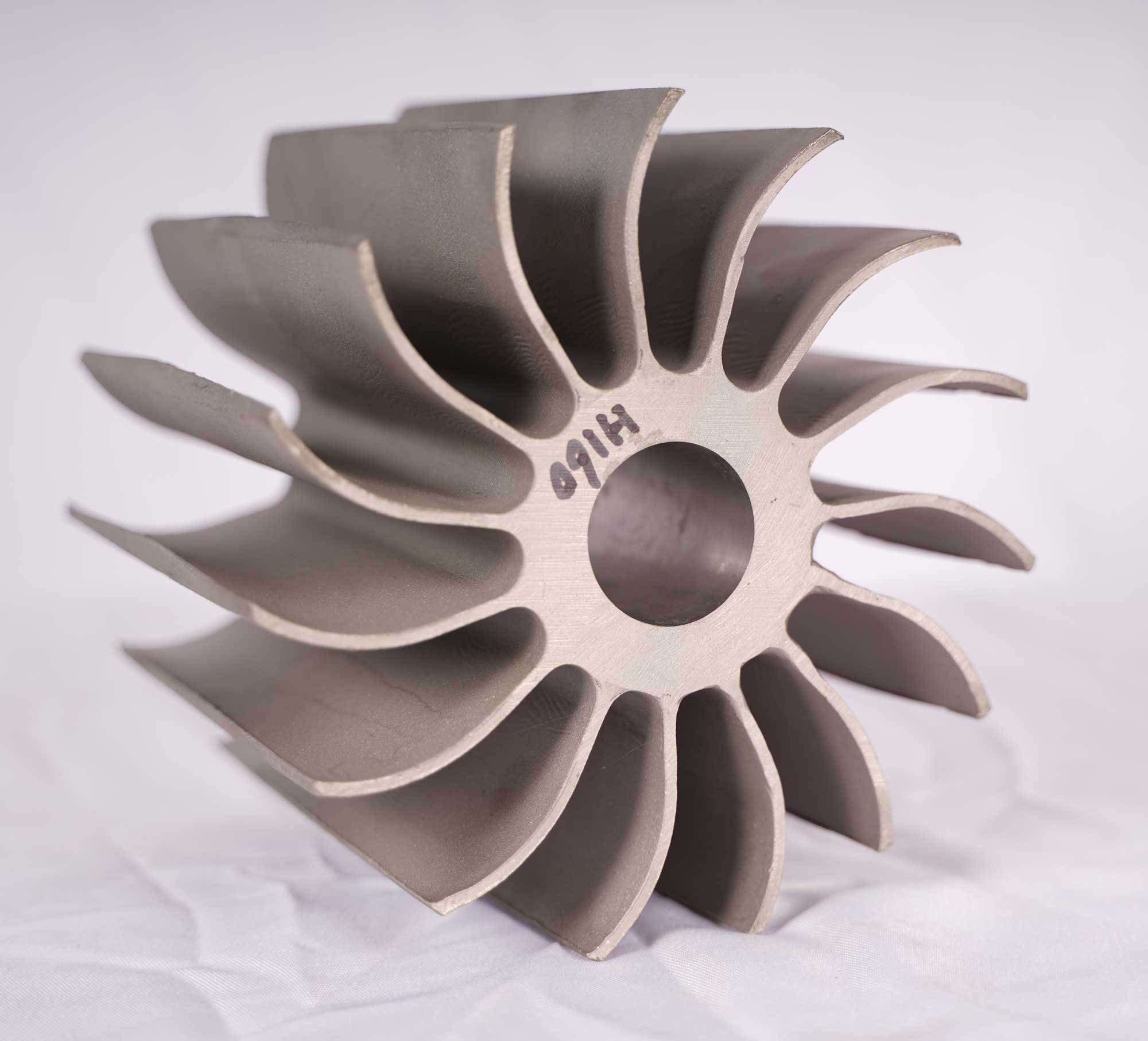
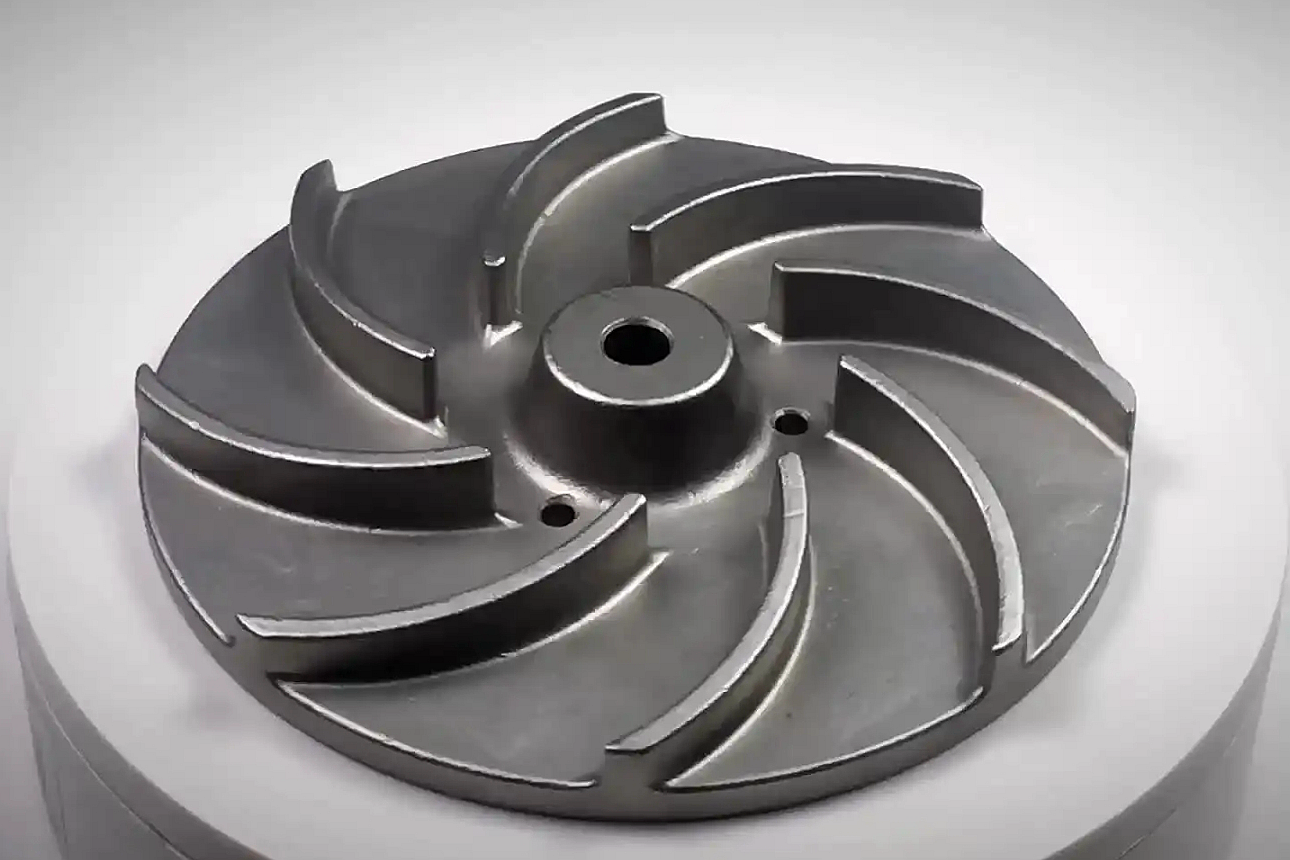
Superalloy Marine Engine Components Manufacturer
A marine engine superalloy component RFQ should separate hot-gas exposure, seawater contact, and rotating or sealing responsibility before price is discussed. The phrase marine engine components can include turbocharger wheels, exhaust elbows, valve seats, burner or fuel-system fittings, pump segments, brackets, heat shields, and high-temperature fastener features. Some parts live near salt spray but do not carry pressure. Others see exhaust heat, vibration, condensate, and tight assembly interfaces. A supplier cannot judge the proper alloy or process route from the equipment name alone.
NewayAeroTech reviews custom marine and engine-adjacent alloy parts through vacuum investment casting, special alloy casting, CNC machining, heat treatment, and inspection. For the buyer, the useful question is not whether a superalloy is strong in general. It is whether the proposed route can deliver the wall thickness, sealing surface, bore position, corrosion resistance, and inspection evidence required by a specific marine engine part.
Separate heat, seawater, and load boundaries in the RFQ
The same alloy part can face very different risks in a marine engine package. A turbocharger hot-side component is judged by heat, oxidation, rotational or gas-path loads, and dimensional stability. A seawater pump segment is judged by corrosion, erosion, pressure boundary, and seal alignment. An exhaust fitting may see condensate, thermal cycling, and flange movement. A bracket or fixture may carry vibration load but never touch seawater or hot gas. Buyers should state where the part sits, what media it sees, which surfaces seal, and whether the part is static, rotating, or only supporting nearby hardware.
A drawing review should mark all functional zones. The supplier needs to know if a rib is structural, if a bore controls shaft or valve alignment, if a face seals against a gasket, if a passage needs flow continuity, and if an outer surface is only clearance. Without that context, a quote may assume the wrong inspection burden. A cast exhaust body with generous outside surfaces but tight flange flatness should be quoted differently from a simple heat shield with broad tolerance and no sealing duty.
Buyers should also identify sample condition. Marine engine samples often arrive with scale, salt contamination, wear at sealing areas, distorted flanges, or removed coatings. A used sample can support dimensional investigation, but it should not be treated as final design geometry until wear and service damage are separated from intended dimensions. If an existing drawing is available, the sample should be used to clarify routing, not to override controlled dimensions.
Choose the alloy by corrosion, oxidation, and temperature together
Marine engine alloy selection is a balance, not a one-name answer. Nickel-based alloys may be reviewed for heat and oxidation resistance. Cobalt-based alloys may be useful where wear and hot corrosion are major concerns. Titanium alloys may be considered for weight and corrosion needs when the assembly environment supports their use. Stainless steels can work for less severe zones, but they may not solve high-temperature oxidation or aggressive-media exposure. If the RFQ only lists a preferred alloy grade without the reason, the supplier cannot tell whether the grade is solving heat, saltwater, wear, or machining history.
For cast geometries, alloy choice must be paired with foundry behavior. Some alloys are easier to cast into thin walls or complex ribs than others. Some need stronger attention to shrinkage, hot tearing, or surface condition. For marine engine parts with both thick bosses and thin flow walls, Inconel alloy investment casting, Hastelloy alloy investment casting, or Stellite alloy casting may be reviewed against the actual media and geometry. The quote should explain why the selected alloy and route fit the part, rather than only repeating a grade name.
Heat treatment and post-processing should be specified only where they answer the part's risk. Superalloy heat treatment may be needed to develop the intended microstructure or relieve process stress. Post-process steps may address surface cleaning, machining preparation, coating preparation, or inspection readiness. If the part will see salt-laden condensate or hot exhaust, the buyer should describe that environment so surface and material decisions are not made blindly.
Match the process route to marine engine geometry
Investment casting is attractive when the part has curved gas paths, integral bosses, flanges, pockets, or non-rectangular forms that would waste material in billet machining. A cast exhaust transition or pump segment can reduce rough machining time and keep complex shapes close to net form. However, the casting route also adds tooling, gating, shrinkage review, and first-article evaluation. It is not automatically better for a flat spacer, simple ring, or plate-like bracket. The RFQ should make the route decision visible: casting blank, near-net casting plus machining, machined-from-solid prototype, or combined manufacturing support.
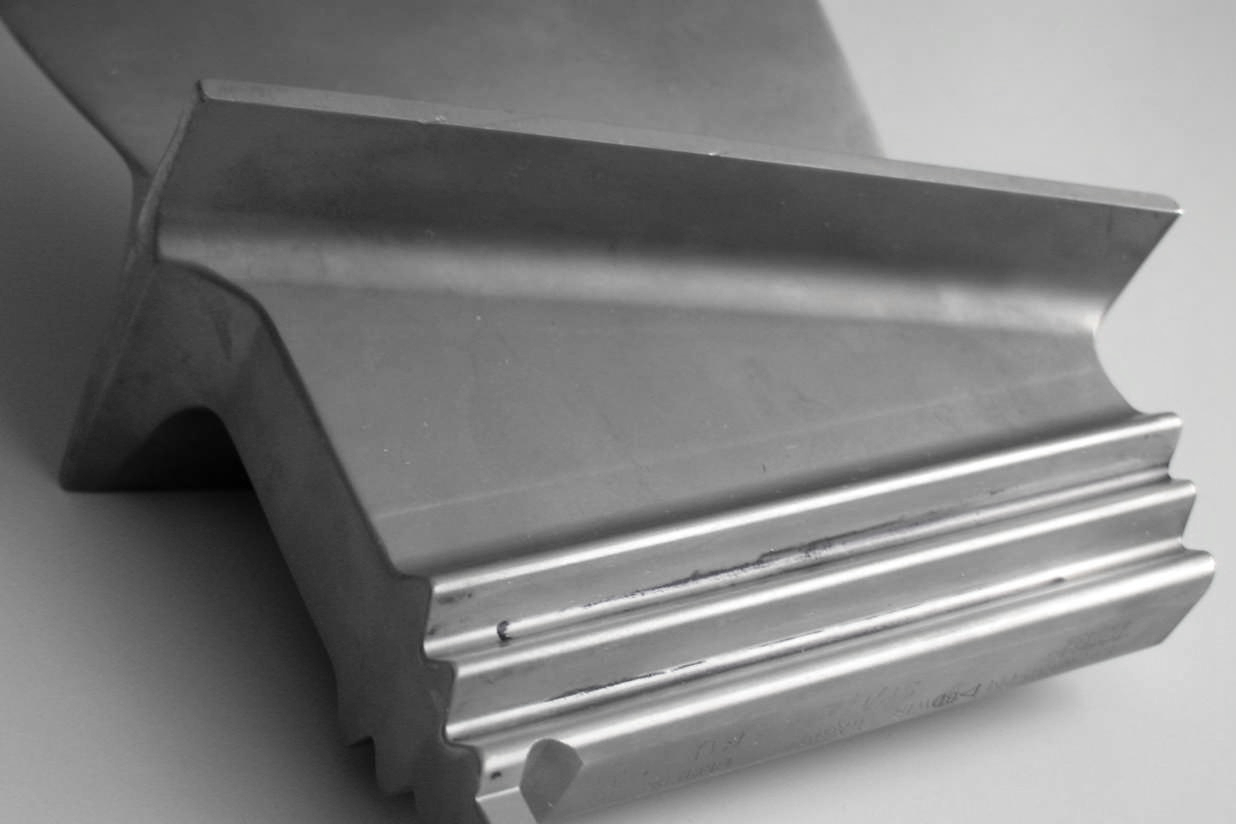
Superalloy CNC machining becomes central when the part has bearing bores, gasket lands, threaded ports, dowel holes, turbine-side interfaces, or flange faces. Tool access must be checked early. Deep pockets, cross holes, undercuts, and thin flanges can drive the fixture strategy and inspection sequence. A marine engine component that looks simple in a 3D model may become expensive if every surface is curved and no reliable datum exists after casting.
Prototype route and production route may differ. A machined prototype can validate fit in a test engine, but a small batch may need casting to control cost and material waste. An additively made development piece can help review packaging, cooling, or flow concept, but the buyer should not assume it proves a casting route unless the later route is also planned. A responsible quote should separate prototype evidence from repeat manufacturing evidence.
Plan machining allowance for seal faces, bores, and flanges
Marine engine components often combine as-cast surfaces with tight machined interfaces. The supplier needs enough stock on seal faces, flange lands, threaded bosses, and bearing or valve bores to remove casting skin and reach the required surface condition. Too little allowance creates risk after cleaning, heat treatment, or first-article measurement. Too much allowance increases cycle time, tool wear, and distortion risk on thin sections. The buyer should mark functional surfaces and allow the supplier to propose stock strategy before tooling is frozen.
Sealing surfaces deserve special attention because the part may see vibration, thermal cycling, and media exposure. A gasket face may need flatness and surface finish. A valve-seat region may need concentricity and edge condition. A threaded or bolted flange may need position control after heat treatment. An exhaust interface may tolerate broader geometry on an outer wall but not on the connection face. These distinctions should appear in the drawing notes or RFQ comments.
For reverse-sample work, machining allowance must not be inferred from worn parts alone. A sample pulled from service may have eroded edges, fretted holes, or distorted flanges. NewayAeroTech can review samples and drawings together, but the buyer should state whether the goal is a manufacturing quotation, a geometry investigation, or a first-article route proposal. That boundary prevents a damaged surface from becoming a false nominal dimension.
Build inspection evidence around function, not paperwork volume
Marine engine alloy parts need inspection evidence that answers the failure risk of the part. For castings, the supplier may review radiographic inspection, penetrant inspection, dimensional reports, material chemistry, heat-treatment records, and surface condition. For machined components, CMM data, bore gauges, thread gauges, surface finish checks, and visual review of burr-sensitive features may be more important. Material testing and analysis should be chosen for the actual geometry, media exposure, and acceptance criteria.
Parts with thick-to-thin transitions, bosses, and pressure boundaries may need extra attention to internal soundness. Hot gas parts may need surface and dimensional checks after thermal process steps. Seawater-contact components may need material confirmation and surface review tied to corrosion resistance. A rotating or near-rotating part needs careful dimensional and balance-related communication, but the supplier should only commit to the evidence agreed in the RFQ and drawing.
The inspection package should state what is included with the first article and what remains under the buyer's engine-level validation. Component inspection can confirm that a casting or machined part meets agreed drawing and process criteria. It does not replace the buyer's engine test, system pressure test, or operating validation unless a separate test scope is defined. Clear responsibility helps both sides avoid unsupported assumptions.
Use first articles to lock the route before small-batch orders
A first article for marine engine components should prove the selected manufacturing route, not only provide one sample that looks correct. For an investment casting, the first article should review stock distribution, shrinkage behavior, surface condition, machining datum plan, and inspection results around functional regions. For a machined billet part, the first article should review fixture repeatability, burr control, surface finish, and measured location of critical holes or bores. For a development part, the report should identify which results apply to the final process and which are only prototype findings.
Small-batch manufacturing adds different questions. If the buyer needs five pieces for bench testing and then thirty for vessel trials or engine rebuild support, the supplier should know that up front. Tooling, fixture design, inspection frequency, and material purchase strategy can change between one-off prototype and repeat batch. A clear release quantity and revision-control plan helps the supplier quote a route that can continue beyond the first sample.
When a marine engine component is being replaced from a sample, the buyer should provide operating notes and known failure symptoms where possible: oxidation, cracking, wear at the seat, corrosion at a passage, flange distortion, or repeated assembly damage. The supplier can then separate manufacturing suggestions from design responsibility. The result is a more useful RFQ discussion than a request to copy a part without context.
What to include in a marine engine component RFQ
A clear RFQ should include the drawing, 3D model when available, current alloy or candidate alloy, media exposure, maximum and normal operating temperature, pressure or sealing notes, quantity range, surface treatment expectations, inspection requirements, and whether the part is new design or sample-based replacement. If the part belongs to a marine propulsion or auxiliary system, the RFQ should also state whether it sees seawater, condensate, exhaust gas, fuel, lubricant, cleaning fluids, or only ambient salt spray.
Buyers should ask the supplier to answer with a route proposal instead of only a price. The response should identify casting or machining route, material comments, heat-treatment scope, post-process scope, machined-surface plan, inspection evidence, and open questions. If the supplier needs drawing changes for manufacturability, those should be listed before the order, not discovered after tooling or first machining.
This engineering structure keeps the RFQ practical. It lets the buyer compare a cast near-net route against a machined-from-solid route, review where corrosion and heat are being handled, and understand which inspection records will be delivered. It also helps NewayAeroTech align alloy selection, process route, machining, and inspection with the real marine engine component instead of a generic industry label.
Related FAQs
What are the critical characteristics of superalloy materials used in marine engines?
What are the advantages of using vacuum investment casting for marine engine components?
How do you ensure the quality of superalloy components for marine engines?
How does additive manufacturing benefit the production of marine engine components?
What is the most common superalloy used for marine turbine blades?