How do you ensure the quality of superalloy components for marine engines?
Precision Manufacturing and Controlled Casting Environments
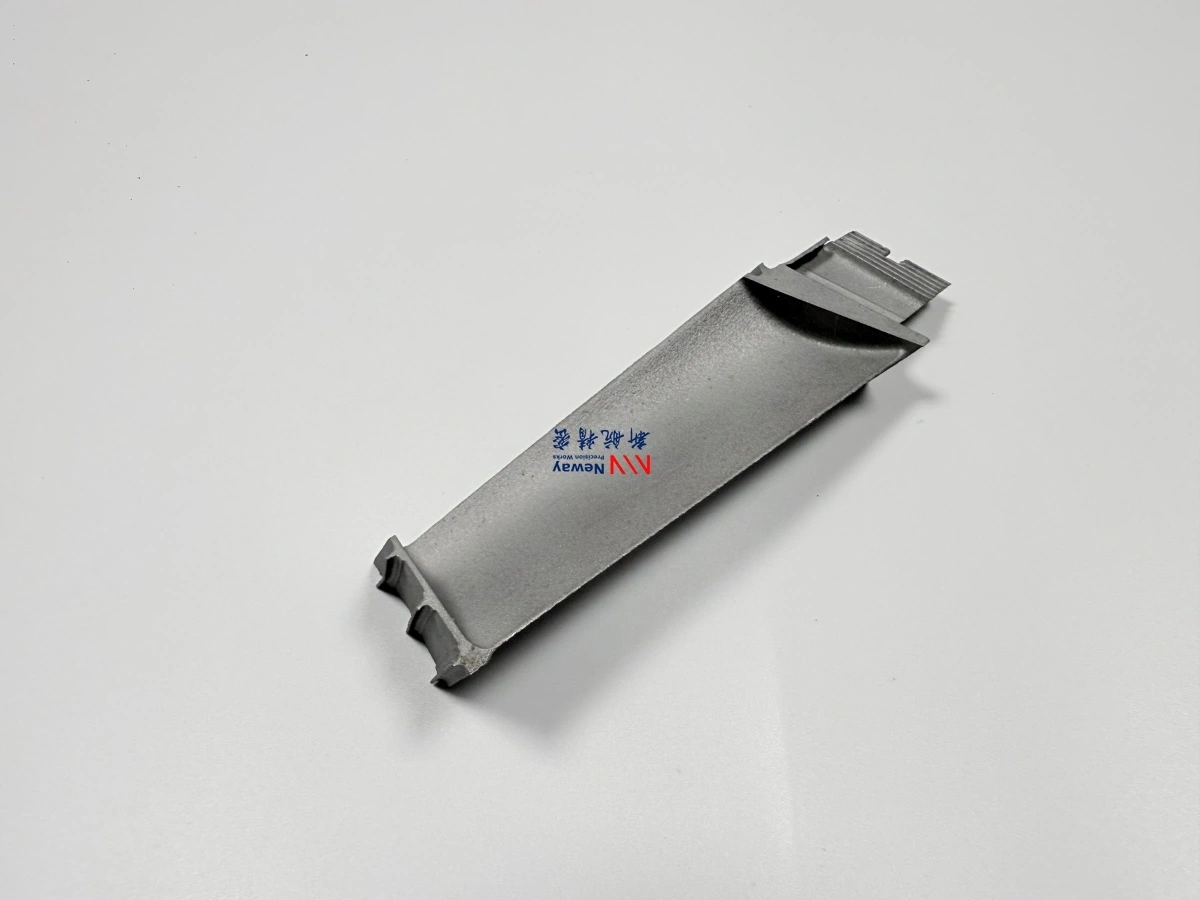
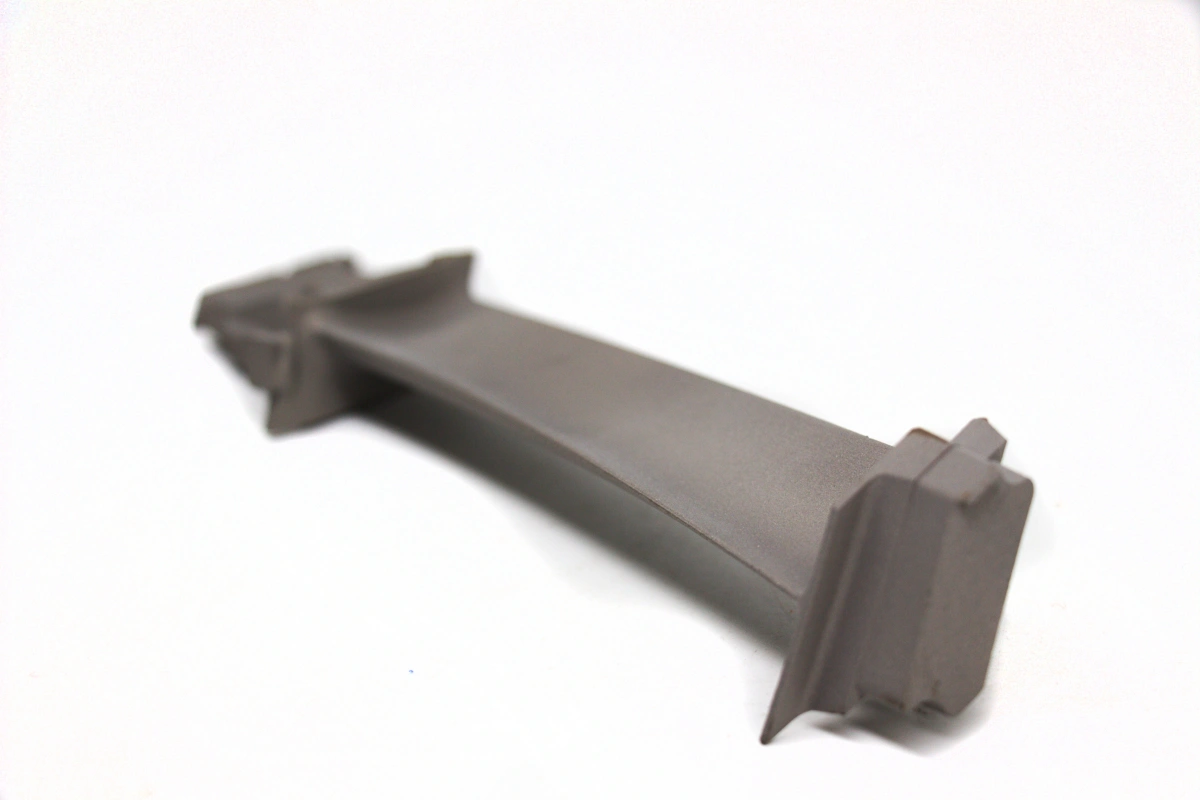
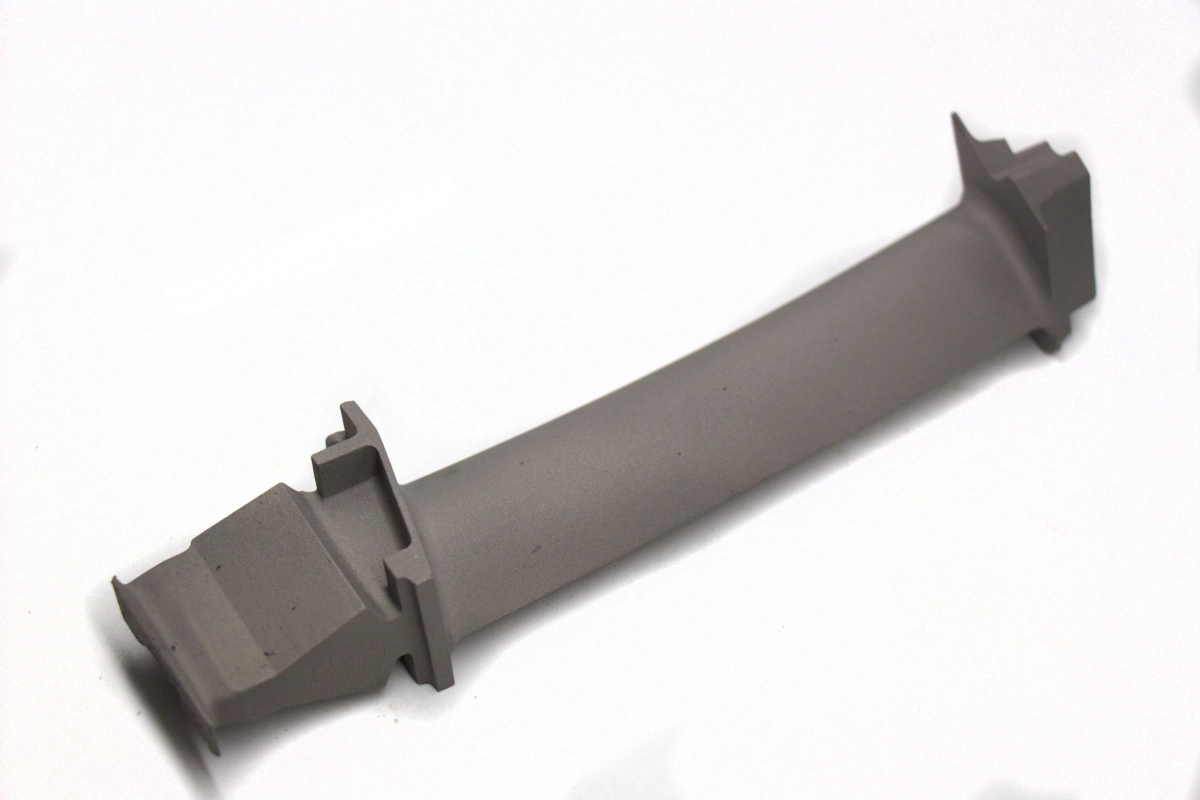
Quality assurance begins with process control during vacuum investment casting, where molten metal is solidified under vacuum to prevent oxidation and gas porosity. For components such as turbine blades or exhaust sections, single crystal casting and directional solidification ensure grain orientation aligns with mechanical stress paths, improving creep resistance and fatigue life. Advanced process monitoring maintains strict control of melt chemistry, mold temperature, and solidification rate, guaranteeing metallurgical uniformity essential for marine engine reliability.
Post-Processing and Densification
Following casting, superalloy parts undergo hot isostatic pressing (HIP) to close internal voids and achieve near-forged density. Subsequent heat treatment stabilizes the microstructure, optimizes precipitation hardening, and enhances tensile and creep strength. Additional post-processing steps, such as superalloy welding, thermal barrier coating (TBC), and superalloy CNC machining, refine mechanical and surface properties, ensuring components meet stringent marine operation standards.
Comprehensive Inspection and Testing
Every superalloy component undergoes dimensional verification, non-destructive inspection, and metallurgical testing. Material testing and analysis include chemical composition checks, ultrasonic testing, X-ray inspection, and metallographic examination to confirm structural integrity. Surface finish and dimensional accuracy are verified using CMM and optical scanning. High-cycle and low-cycle fatigue tests simulate the operating conditions of marine turbines, confirming resistance to stress corrosion and thermal fatigue.
Alloy Selection and Traceability
Proper material selection plays a crucial role in ensuring consistent performance. Alloys such as Inconel 718, Hastelloy C-22, Rene 80, and Nimonic 90 are selected for their exceptional corrosion, oxidation, and fatigue resistance. Each heat lot and melt batch is fully traceable, meeting ISO and marine classification standards for propulsion and auxiliary systems.
Quality Assurance Across Marine Applications
These quality measures are applied throughout the manufacturing of components for the marine propulsion, power generation, and energy sectors. By integrating advanced manufacturing processes, rigorous inspection, and continuous monitoring, Neway AeroTech ensures that every superalloy component meets the reliability, durability, and safety standards demanded by marine engine environments.