What are the advantages of using vacuum investment casting for marine engine components?
Exceptional Metallurgical Purity
Vacuum investment casting eliminates atmospheric contamination during melting and solidification, producing alloys with minimal gas porosity and oxide inclusions. This is essential for marine engine components that endure high-temperature combustion and environments laden with salt. Vacuum conditions ensure superior homogeneity and fine-grain structures in nickel-based alloys such as Inconel 718, Rene 80, and Hastelloy C-276. The resulting parts exhibit improved fatigue life, oxidation resistance, and structural stability across extended service intervals.
Superior Dimensional Accuracy and Complex Geometry Capability
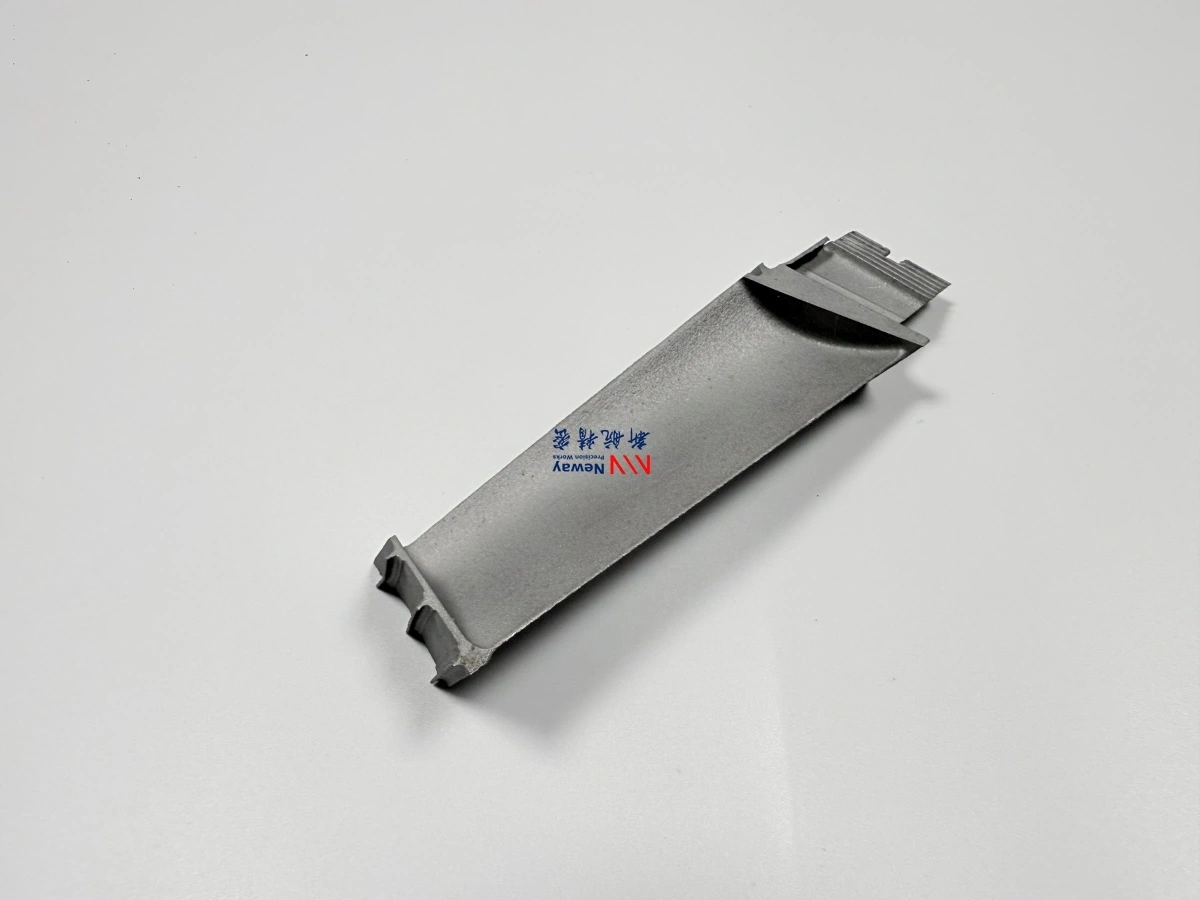
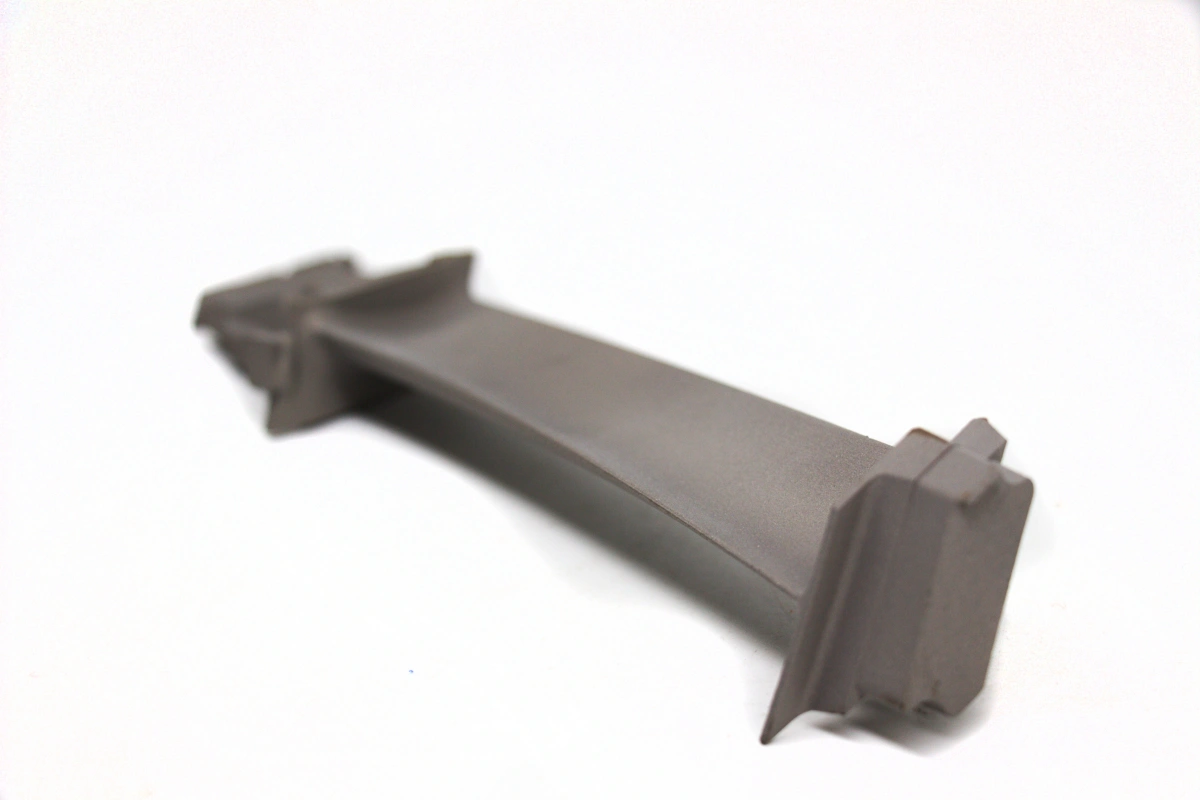
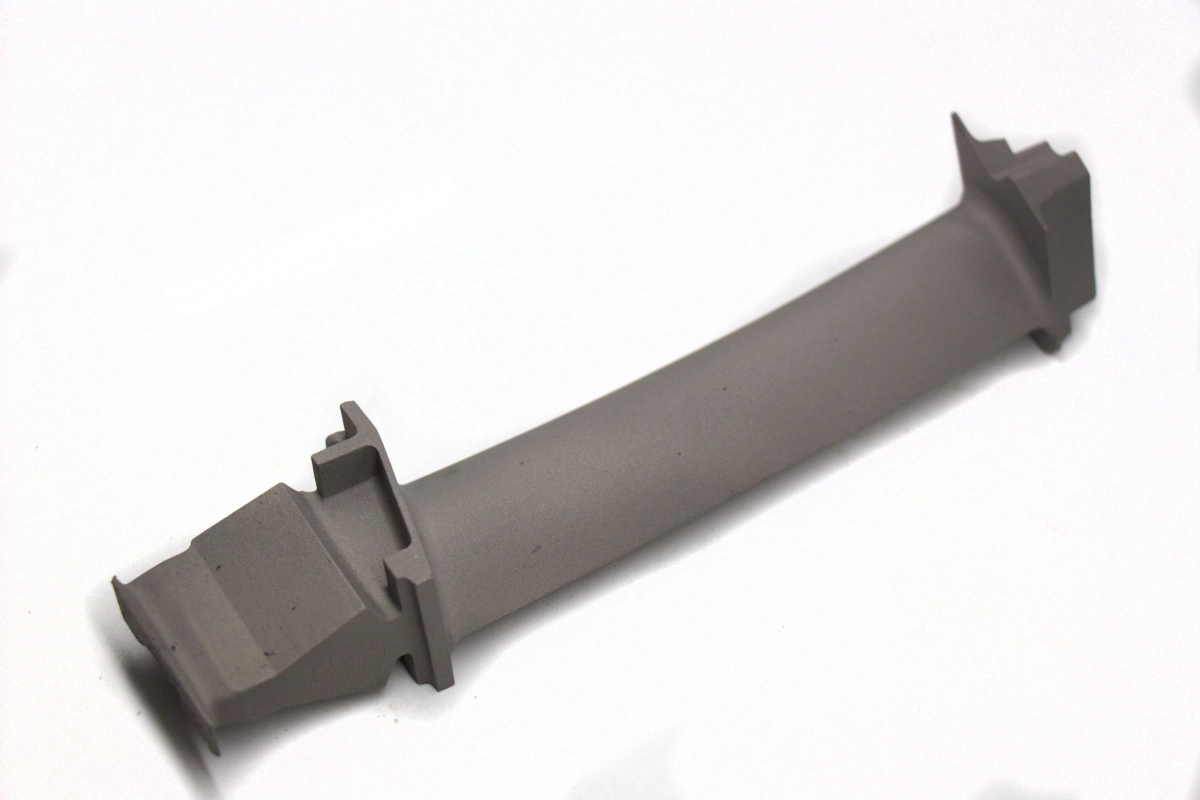
Marine turbine blades, exhaust components, and housings often require intricate cooling channels and tight tolerances. The vacuum investment casting process offers net-shape accuracy with minimal post-machining requirements. Complex components, including single crystal castings and directionally solidified parts, can be produced with precise wall thickness and smooth surface finishes. This ensures efficient thermal management, optimized aerodynamics, and consistent performance under cyclic marine engine loads.
Enhanced Mechanical and Thermal Properties
Vacuum casting yields refined microstructures, improving creep, fatigue, and thermal shock resistance. When combined with hot isostatic pressing (HIP) and heat treatment, the resulting components achieve near-forged density and exceptional durability. For high-load turbine rotors and blades, superalloy precision forging is often integrated to strengthen grain alignment, further enhancing fatigue endurance in marine propulsion systems.
Corrosion Resistance and Surface Integrity
Saltwater corrosion is a major challenge in marine applications. Vacuum investment casting facilitates the production of dense, non-porous superalloy surfaces that resist chloride-induced corrosion and oxidation. Alloys like Monel K500 and Nimonic 90 are commonly cast for propeller hubs, turbine nozzles, and afterburner sections. These components can be further protected using thermal barrier coatings (TBC) for hot gas exposure or superalloy CNC machining for precision finishing.
Applications in Marine and Energy Sectors
Vacuum investment casting is indispensable in producing high-integrity components for marine propulsion, power generation, and energy conversion systems. Its ability to deliver consistent metallurgical quality and precise geometry underpins long service life, reduced maintenance, and improved thermal efficiency for both naval and commercial vessels.