How does additive manufacturing benefit the production of marine engine components?
Design Freedom and Lightweight Integration
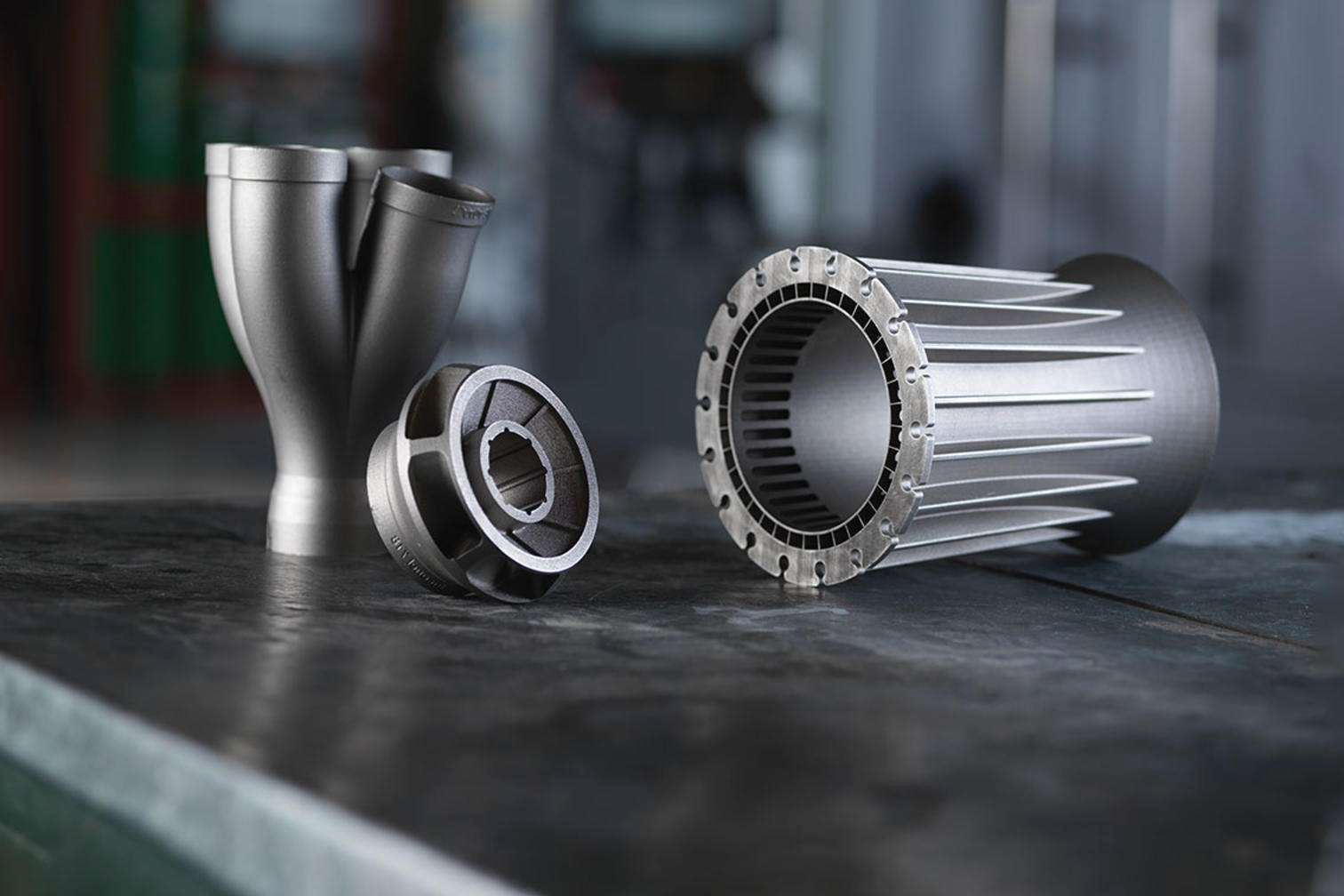
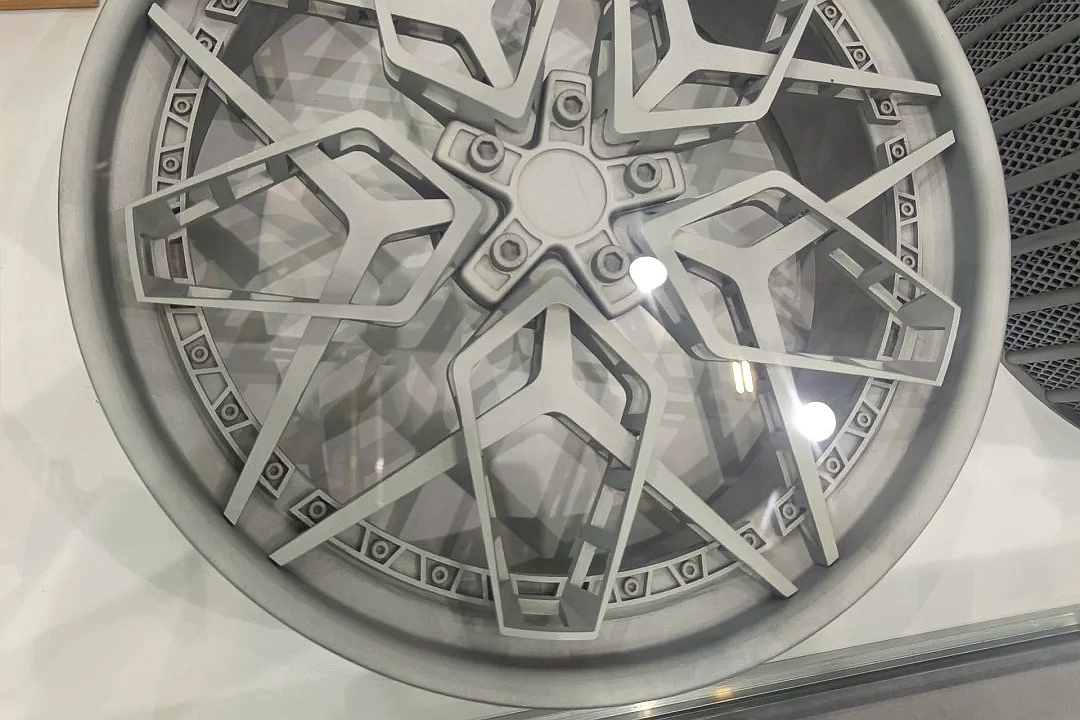
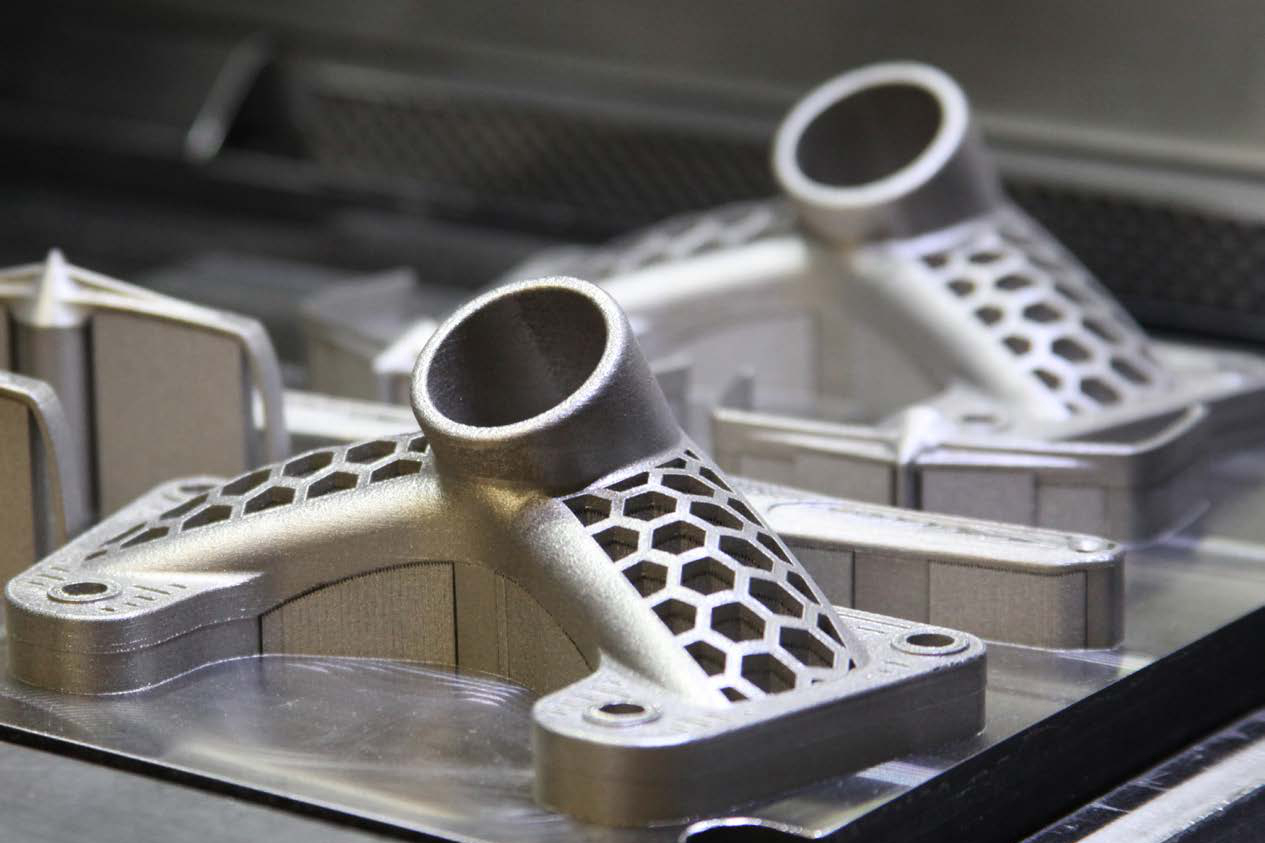
Additive manufacturing enables marine engineers to design intricate, high-performance components without the geometric limitations of conventional machining or casting. By utilizing superalloy 3D printing and titanium 3D printing, complex internal cooling channels, lattice structures, and optimized stress paths can be created in turbine blades, impellers, and exhaust modules. This not only reduces component weight but also enhances fuel efficiency and thrust-to-weight ratios across marine propulsion systems. The aluminum 3D printing process is also advantageous for producing lightweight housings and brackets with corrosion-resistant finishes for seawater exposure.
Material Efficiency and Waste Reduction
Traditional marine engine manufacturing often requires extensive subtractive processes to produce components from forged or cast billets. In contrast, 3D printing services build parts layer by layer, minimizing waste and reducing raw material consumption—particularly valuable when working with costly alloys like Inconel 625 or Hastelloy X. This material efficiency supports both cost reduction and sustainability goals in the marine sector.
Enhanced Thermal and Mechanical Performance
Additive techniques allow engineers to blend material compositions and microstructures tailored for specific operating zones. Components produced from Inconel 718, Nimonic 90, or Rene 80 exhibit superior fatigue and oxidation resistance, making them ideal for use in combustion and exhaust systems. Post-processing steps such as hot isostatic pressing (HIP) and heat treatment further densify the printed microstructure, eliminating porosity and enhancing fatigue life under cyclic marine loading.
Rapid Prototyping and Maintenance Efficiency
Marine engine development cycles demand frequent testing of new designs and cooling geometries. Additive manufacturing enables the rapid production of prototypes for turbine blades, injectors, and housings using stainless steel 3D printing or plastic 3D printing, allowing for a more informed decision before committing to full-scale metal fabrication. This accelerates innovation and allows maintenance teams to produce replacement components on demand during vessel downtime, avoiding lengthy supply chain delays.
Application in Marine and Energy Industries
These advantages have driven strong adoption of additive methods in marine propulsion systems, power generation turbines, and energy applications. The combination of design freedom, material optimization, and near-net-shape precision ensures the production of reliable, high-performance components that meet the demanding conditions of marine operations.