What is the primary purpose of post-processing for superalloy parts?
Purpose of Post-Processing in Superalloy Manufacturing
The primary purpose of post-processing for superalloy parts is to transform a near-net casting or 3D-printed structure into a fully engineered, high-performance component suitable for service in extreme environments. Post-processing ensures dimensional accuracy, eliminates residual stresses, validates microstructure integrity, and enhances surface durability. It bridges the gap between raw casting and final functional hardware, enabling superalloys to meet stringent performance requirements in aerospace, energy, and high-pressure systems.
Post-processing is typically implemented after casting processes such as vacuum investment casting or additive methods like superalloy 3d printing, where internal porosity, microstructural variability, and dimensional deviation may exist.
Key Objectives of Post-Processing
Core goals of post-processing include:
Enhancing mechanical strength and creep resistance through heat treatment or hot isostatic pressing (HIP).
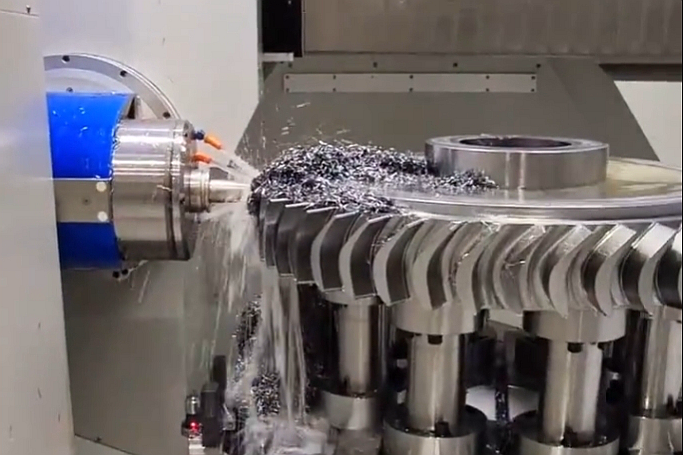
Restoring dimensional accuracy and machining critical features using superalloy CNC machining or EDM machining.
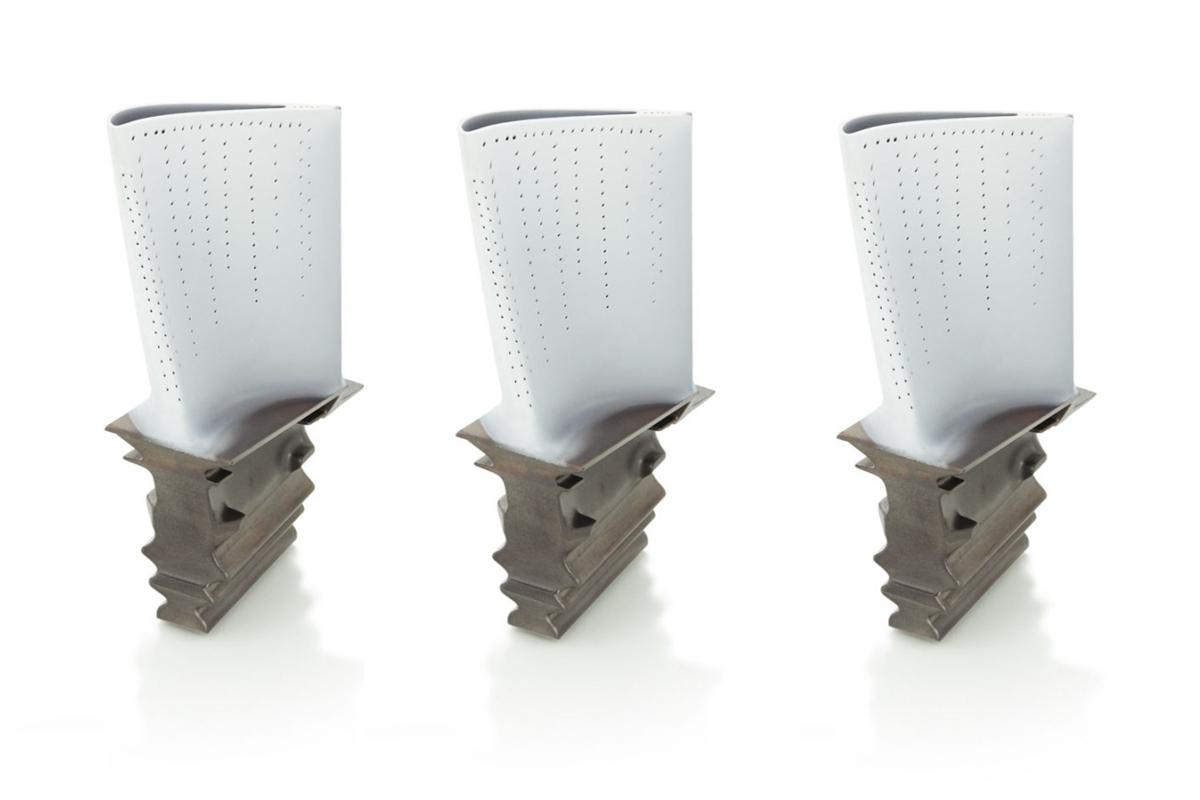
Improving surface integrity and oxidation resistance via thermal barrier coating (TBC) or diffusion coatings.
Ensuring quality verification through advanced material testing and analysis.
Without post-processing, critical components such as turbine blades, valve bodies, or combustor liners would not meet fatigue, thermal, or pressure performance specifications for operational environments.
Role in Severe Application Sectors
Industries including aerospace and aviation, power generation, and oil and gas rely heavily on post-processing to ensure functional reliability. This step enables castings and additive parts to perform as efficiently as wrought materials, preserving strength while resisting oxidation, creep, thermal fatigue, and corrosive agents.
Only after complete post-processing can superalloy components be certified for service—meeting OEM specifications, safety requirements, and lifecycle reliability targets.