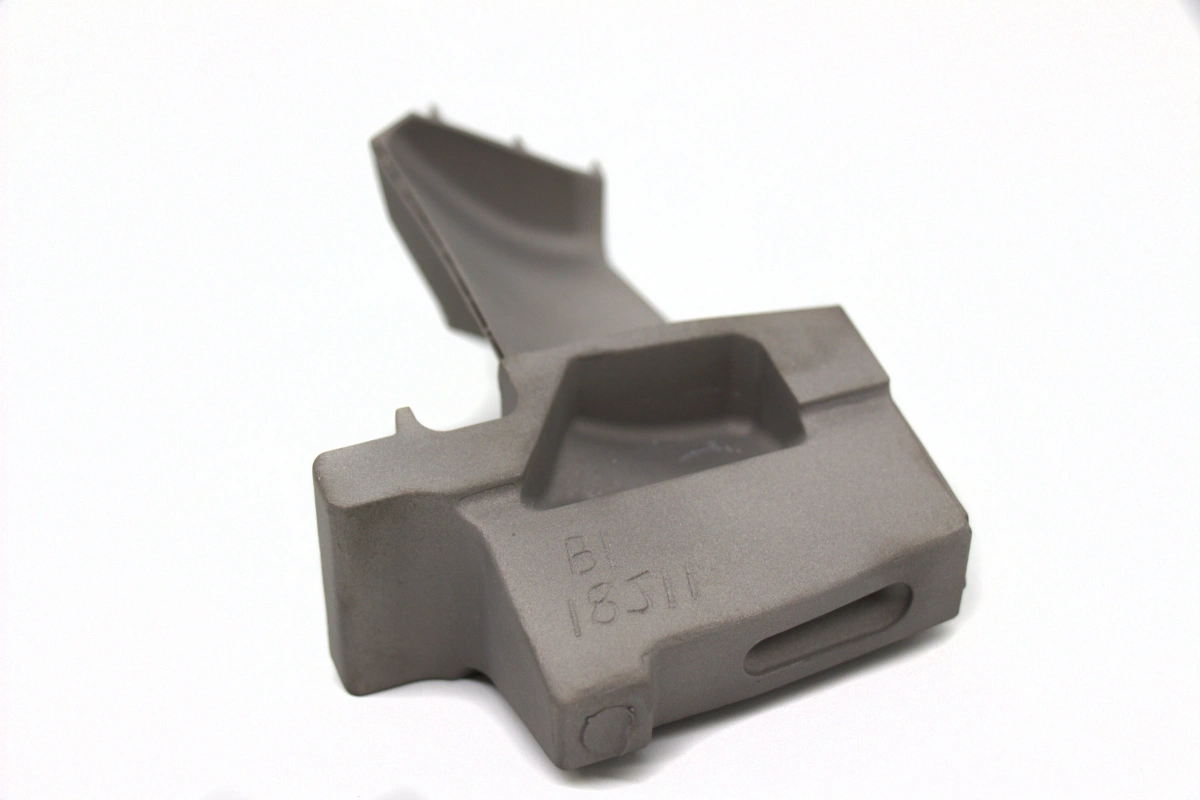
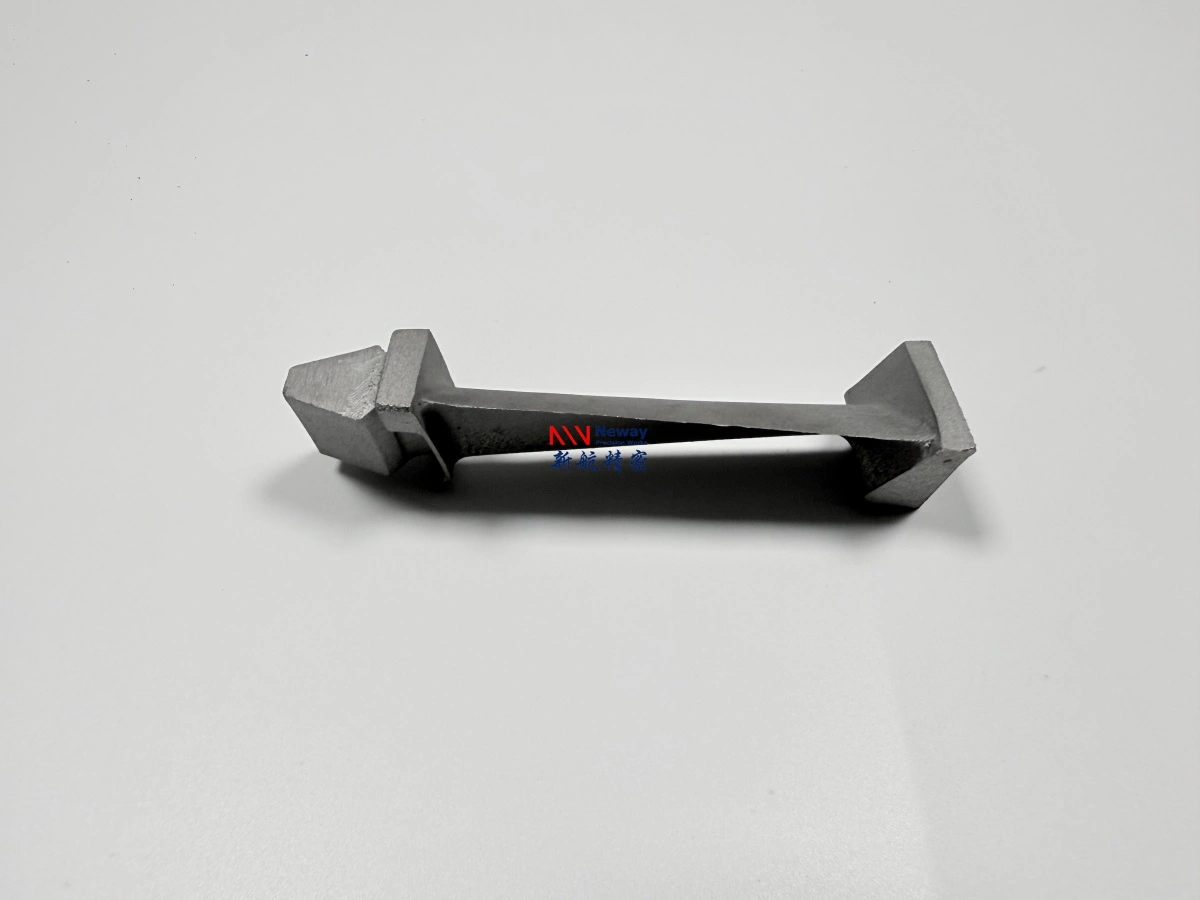
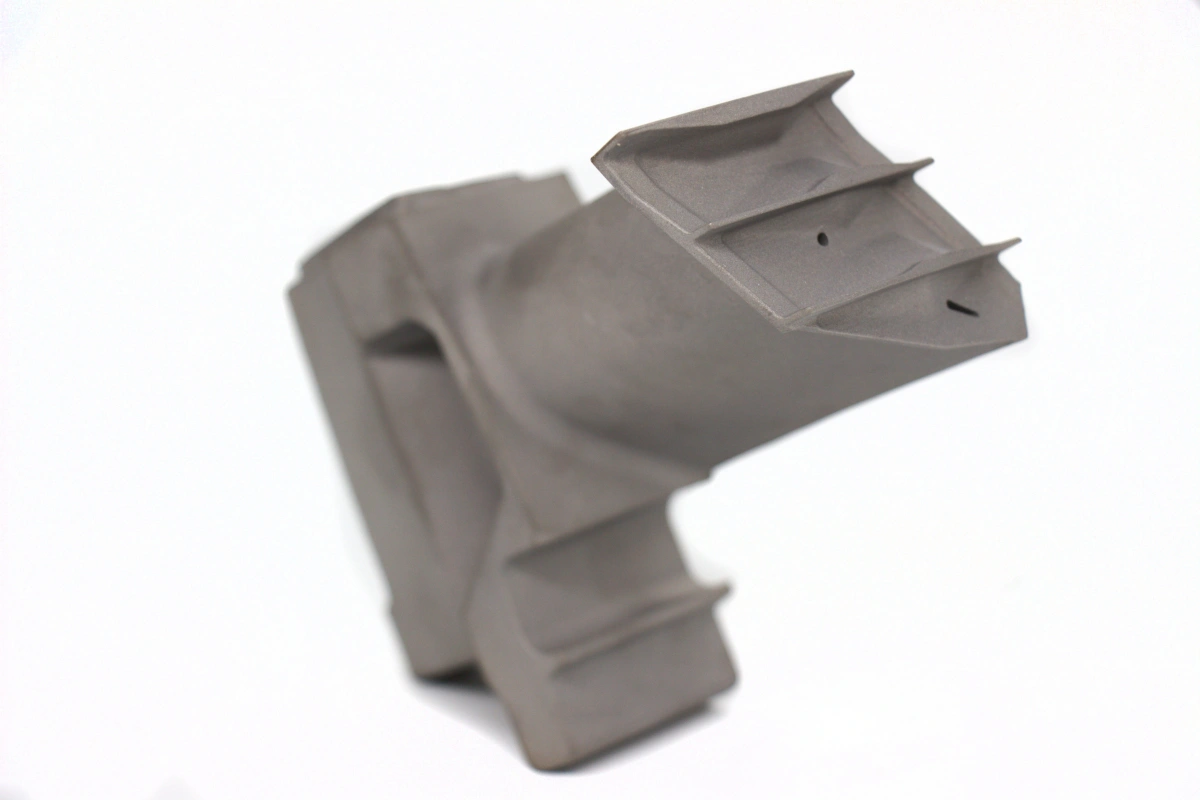
Single Crystal Turbine Blade Prototype Casting First-Article Route
A single crystal turbine blade prototype RFQ should be treated as a first-article route, not only a request for one or two sample castings. The buyer needs to define the maturity of the airfoil geometry, root and platform surfaces, internal cooling features, alloy selection, selector or seed approach, orientation requirement, machining allowance, and inspection evidence before the supplier can judge the route. The first casting may be useful even when it is not yet a production-ready blade, because it exposes which assumptions must be corrected before small-batch work begins.
NewayAeroTech can review drawing-based single crystal casting RFQs for turbine blade prototypes, depending on geometry, alloy, inspection requirement, and project boundary. The work is suitable when a buyer needs custom superalloy blade casting from drawings, models, or carefully reviewed samples. It is not a catalog spare-part route and should not begin from a worn blade alone unless the buyer accepts that service wear, oxidation, coating residue, and deformation can make some geometry unreliable.
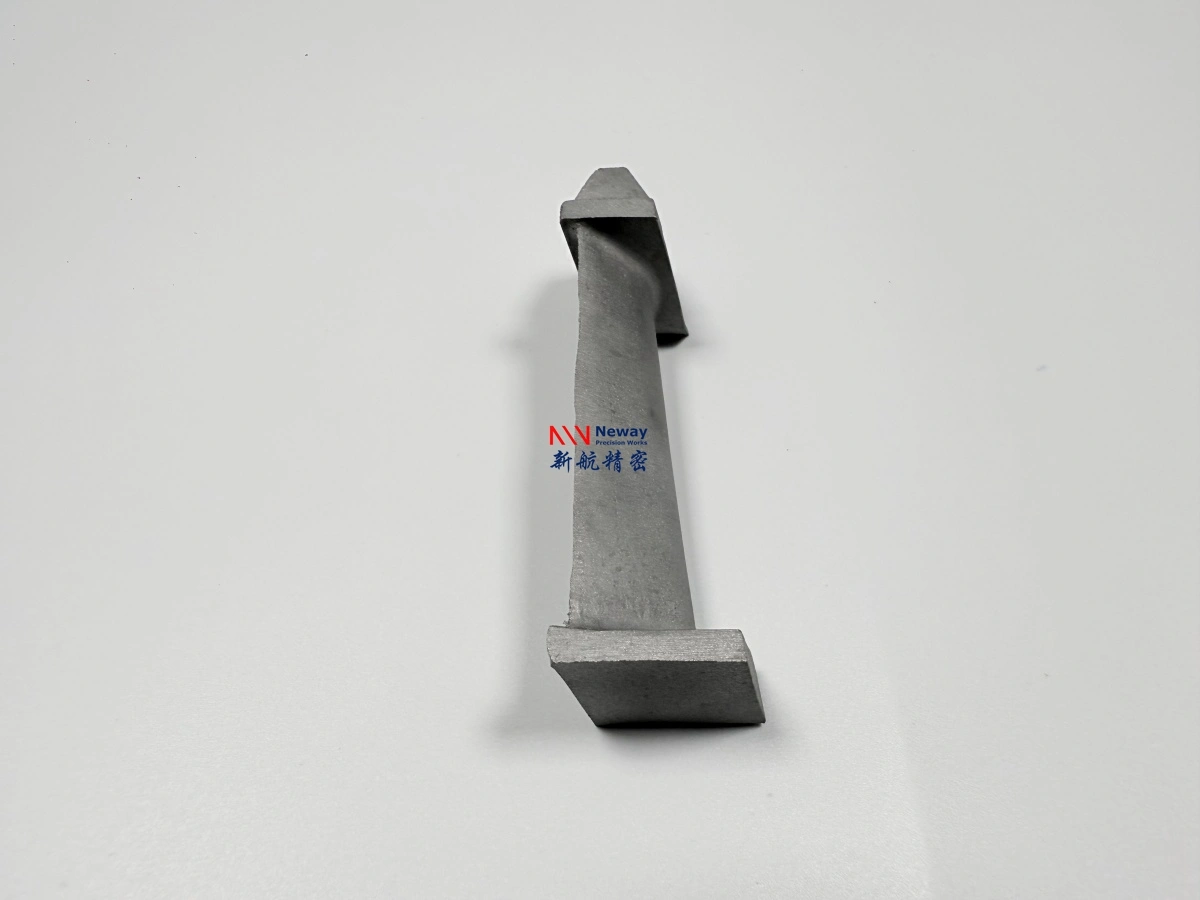
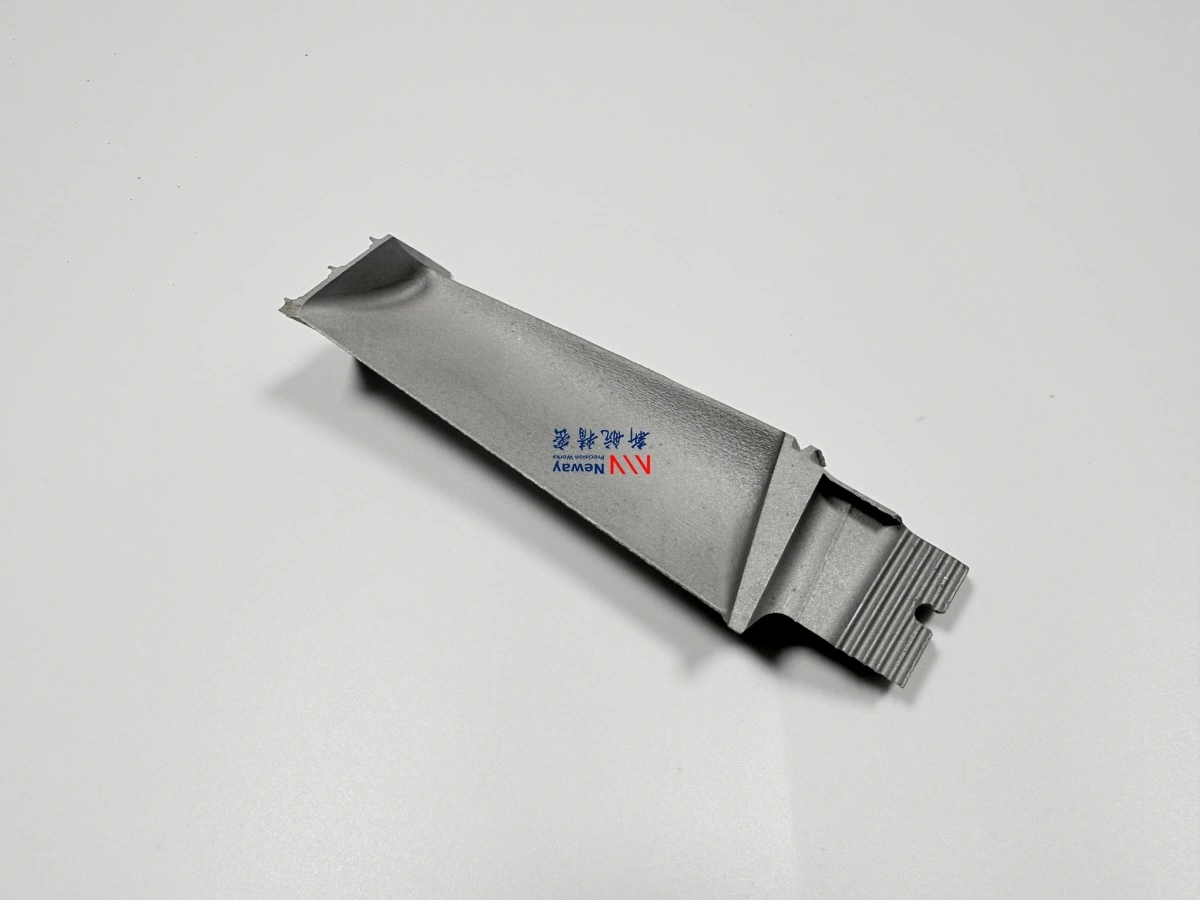
Start the Prototype RFQ With Geometry Maturity
For this RFQ, buyers should first separate confirmed geometry from geometry that is still under design review. A prototype blade drawing may already fix the root attachment, platform, airfoil envelope, tip feature, and cooling hole positions. Another project may only have an aerodynamic surface and a rough root concept. These two RFQs require different supplier responses. A route quote for the first case can discuss tooling, ceramic core approach, stock allowance, and inspection. The second case may need manufacturability review before casting scope is priced.
Geometry maturity is especially important for a single crystal blade because the casting route must protect crystal growth while still filling thin walls and core-defined passages. If the platform transition, trailing edge, root corner, or internal passage layout is unstable, the first article may reveal tooling and solidification risks rather than final blade quality. That is acceptable when the buyer understands the purpose of the prototype. It becomes a problem when a sample order is expected to act like a released production purchase.
Prototype input | Buyer should define | Supplier review output |
|---|---|---|
2D drawing and 3D model | Which dimensions are released and which features may change after review. | Feasibility notes, missing dimensions, and surfaces that need machining allowance. |
Airfoil and platform geometry | Wall thickness intent, transition radii, platform sealing surfaces, and critical flow-path regions. | Casting risk points, core planning notes, and inspection hold points. |
Root and attachment region | Finished root profile, stock allowance, datum plan, and machining responsibility. | Blank boundary, CNC sequence concern, and CMM reporting scope. |
Cooling feature concept | Internal passages, film cooling holes, drilling or EDM scope, and blockage tolerance if specified. | Core feasibility, post-cast machining route, and inspection method recommendation. |
Selector, Seed, and Orientation Decisions Before Tooling
The supplier cannot quote a responsible single crystal prototype route until the crystal control approach is discussed. Some blade geometries may use a selector method, while others may involve seed-based decisions depending on the project requirement and route review. The RFQ should state the target crystallographic orientation if it is controlled by the buyer's specification. If the buyer does not have a defined orientation requirement, the supplier needs to know whether the prototype is for manufacturability learning, material comparison, or a future qualified blade route.
Selector and seed decisions affect mold design, starter block planning, casting orientation, yield risk, and inspection evidence. They also affect how the first article should be judged. A prototype casting that shows airfoil fill but fails orientation requirement is not the same problem as a prototype with correct orientation but a core shift, trailing-edge issue, or root stock problem. Buyers should ask the supplier to separate crystal-growth risk from geometry and machining risk in the response.
Alloy choice belongs in this section as well. CMSX, Rene, PWA-type, and other single crystal superalloys may have different route assumptions, heat treatment needs, and inspection concerns. If the buyer names only "single crystal superalloy" without a grade, NewayAeroTech can discuss candidate families, but final material approval should remain tied to the buyer's drawing, performance requirement, and acceptance standard.
Crystal-route item | RFQ decision to make | First-article evidence to request |
|---|---|---|
Orientation target | Whether a controlled orientation is required and how it will be accepted. | Orientation inspection record and statement of measurement location. |
Selector or seed approach | Which route is proposed for the blade geometry and alloy family. | Route notes tied to mold design, starter region, and growth-risk review. |
Defect screening | How stray grain, freckle, sliver, or recrystallization risk will be checked. | Visual, macro, metallographic, X-ray, CT, EBSD, or other evidence when specified. |
Alloy responsibility | Whether the grade is fixed, suggested, or still under buyer review. | Material record, chemistry evidence, and heat-treatment boundary. |
Prototype Blade Surfaces That Need Machining Allowance
A prototype casting quote should not treat the blade as a finished airfoil by default. The buyer must decide which surfaces are delivered as cast, which surfaces need stock for CNC machining, and which features require EDM, drilling, grinding, or finishing after casting. Root serrations, fir-tree or dovetail areas, platform seal faces, tip features, datum pads, and attachment holes often carry different acceptance requirements than the airfoil surface. These surfaces change the quotation more than the part count does.
Machining allowance is also a protection against prototype uncertainty. If the first tool or first wax route is still being refined, the supplier may recommend additional stock on root, platform, or non-flow-path surfaces while keeping the airfoil envelope under engineering review. Too little stock can make a successful casting unusable after cleanup. Too much stock can hide casting issues and increase machining cost. The RFQ should therefore make stock allowance a named item in the first-article plan.
NewayAeroTech can review the boundary between superalloy CNC machining, EDM, deep hole drilling, heat treatment, and inspection when the buyer provides the final drawing and model. If the buyer wants a cast blank only, the downstream machining surfaces still need to be identified so the blank can be evaluated against future cleanup needs.
First-Article Evidence for Orientation, FPI, X-Ray, and CMM
The first article should answer a defined set of manufacturing questions. It is not useful to ask for every possible inspection if the route is still unstable, and it is risky to ask for only visual approval when the blade has internal passages, controlled orientation, and machining-critical surfaces. For a single crystal turbine blade prototype, the buyer should normally define orientation evidence, surface indication inspection, internal defect review, dimensional reporting, and any material or heat-treatment records required by the project.
FPI can help screen surface indications after casting and processing. X-ray or CT may be needed for internal features, shrinkage, core shift, inclusions, or cooling-passage concerns depending on the blade geometry and acceptance plan. CMM reporting can confirm root, platform, datum, and selected airfoil dimensions, but the buyer should state which dimensions are meaningful in the prototype stage. Metallography, chemical analysis, or EBSD may be added when the acceptance question requires them.
First-article question | Evidence to consider | How buyers should read the result |
|---|---|---|
Did the blade meet the crystal requirement? | Orientation inspection, macro review, EBSD or other method when specified. | Separates crystal control from geometric cleanup issues. |
Are internal features acceptable for prototype review? | X-ray, CT, core shift review, or sectioning when permitted. | Identifies casting and core risks before small-batch tooling commitment. |
Are critical surfaces ready for machining? | Stock check, datum review, surface indication inspection, and CMM on selected regions. | Shows whether root, platform, tip, and seal surfaces can clean up as intended. |
Does the route need post-process adjustment? | Heat-treatment record, HIP review if required, metallography, and defect evidence. | Defines whether the next article should change process route or only inspection scope. |
When to Move From Prototype Casting to Small-Batch Review
A buyer should move from prototype casting to small-batch review only after the first-article evidence answers the route questions that blocked production planning. The decision does not require pretending that every future part is identical to the first sample. It requires agreement on which design, tooling, casting, machining, and inspection items are stable enough for the next step. If the first article shows unresolved orientation, core, stock, or inspection issues, the next order should be another controlled iteration rather than a larger batch.
Small-batch review should include lot boundary, casting quantity, acceptable scrap discussion, inspection sampling plan, machining delivery condition, heat treatment, HIP or coating requirement when specified, and the records needed at release. If the buyer needs finished blades, the quotation should include casting plus downstream operations. If the buyer needs prototype blanks for internal machining, the RFQ should state which surfaces NewayAeroTech is not responsible for after delivery.
Move-forward condition | Acceptable next step | Information still needed before batch quote |
|---|---|---|
Geometry stable, crystal route acceptable, stock sufficient | Small-batch casting review with defined inspection hold points. | Batch quantity, delivery condition, and inspection sampling plan. |
Geometry stable but crystal evidence uncertain | Repeat first article with revised selector, seed, or mold-route review. | Updated orientation requirement and defect screening method. |
Crystal acceptable but machining stock weak | Revise blank boundary before finished-blade quotation. | Root, platform, tip, and datum stock allowance decisions. |
Internal features not yet proven | Core and passage review before small-batch commitment. | CT, X-ray, sectioning permission, or design change boundary. |
Send the blade drawing, 3D model, alloy grade, orientation requirement, prototype quantity, delivery condition, machining surfaces, internal feature notes, and required first-article evidence. NewayAeroTech can review whether a single crystal turbine blade prototype casting route fits the project and what evidence should be collected before small-batch discussion.
Related FAQs
What information is needed to quote single crystal turbine blade?
Which inspections are used for single crystal blade castings?
What is the role of directional solidification in the crystal selection process?
Why is the helical selector method critical in achieving defect-free crystal structures?
What testing methods best detect defects in single crystal turbine blades?
How do HIP and heat treatment affect single crystal casting properties?
Can Neway AeroTech support custom single crystal blade manufacturing?