Defect and Inspection Control for Single Crystal Blade Castings
Defect and Inspection Control for Single Crystal Blade Castings
Direct Answer Summary
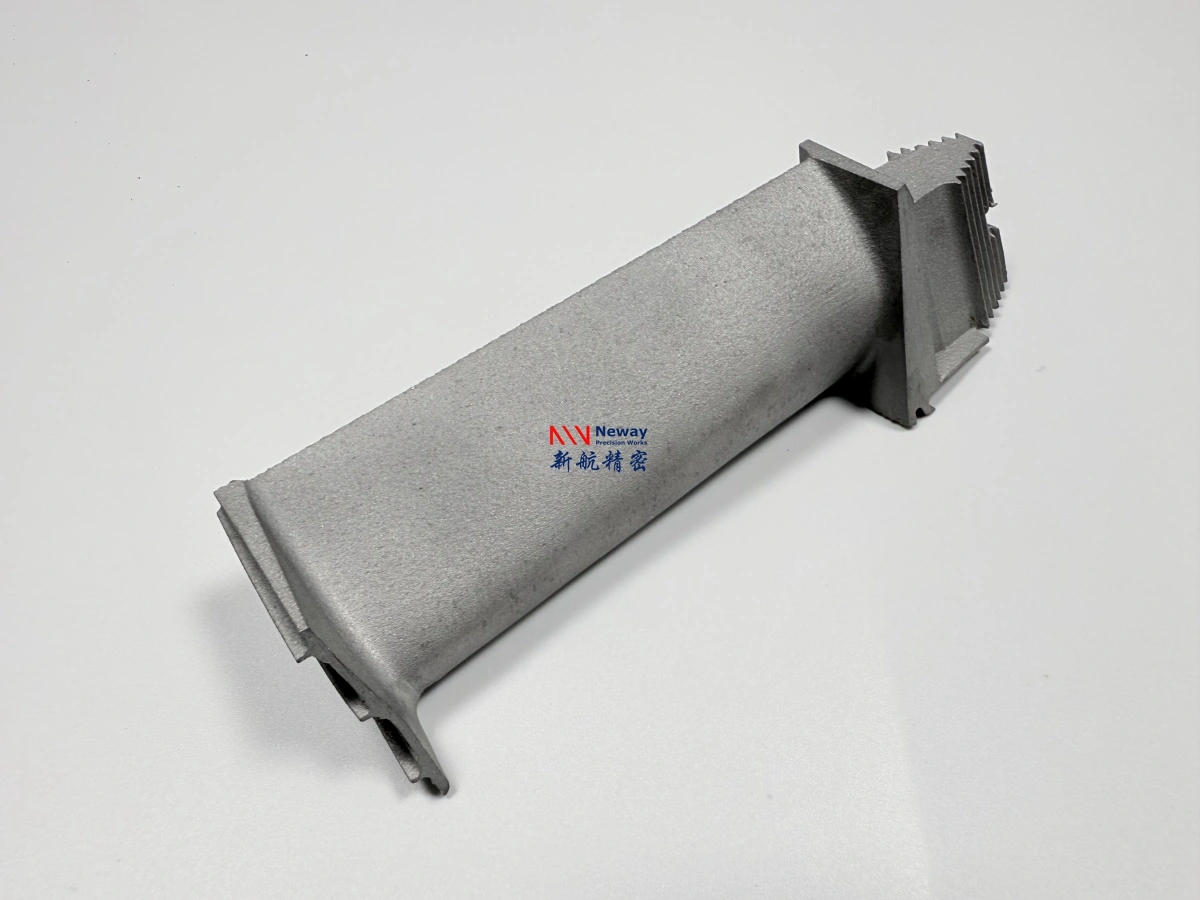
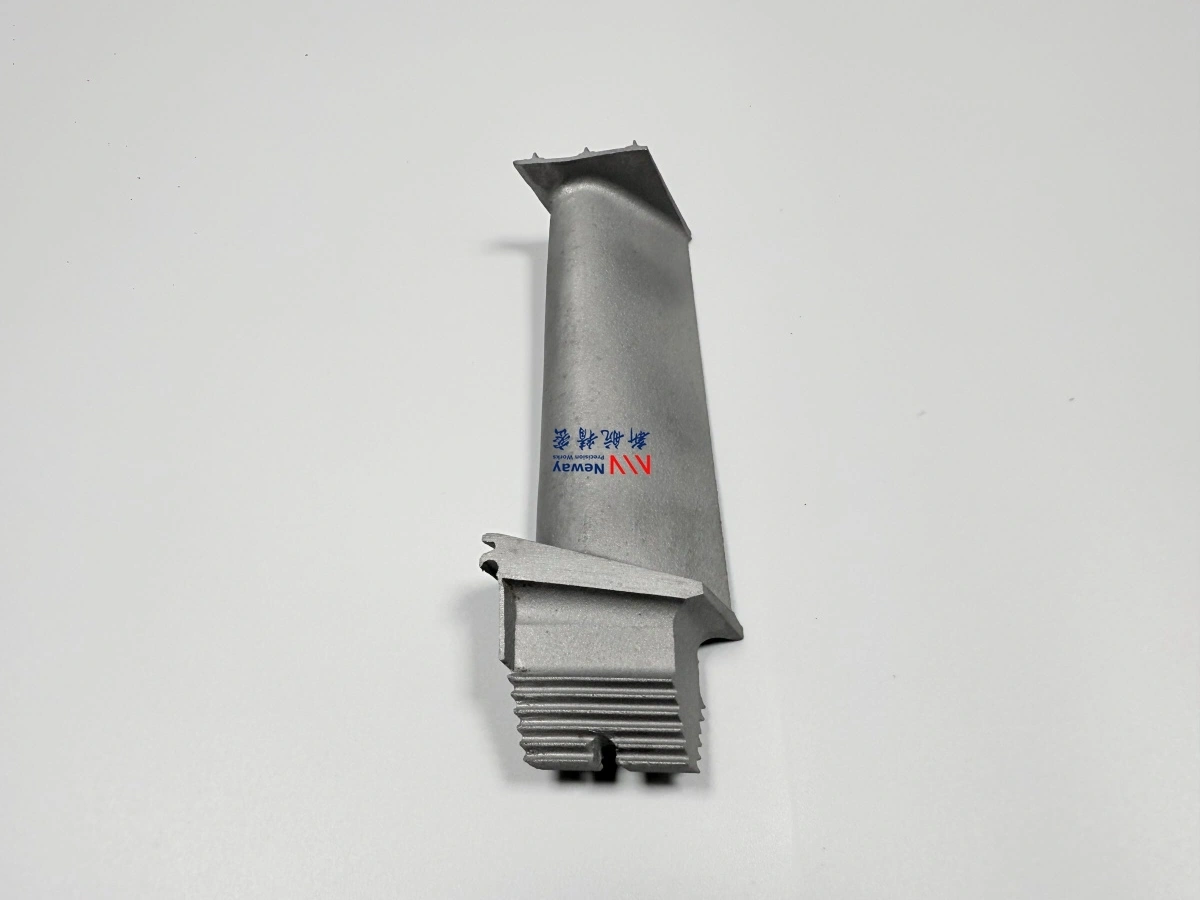
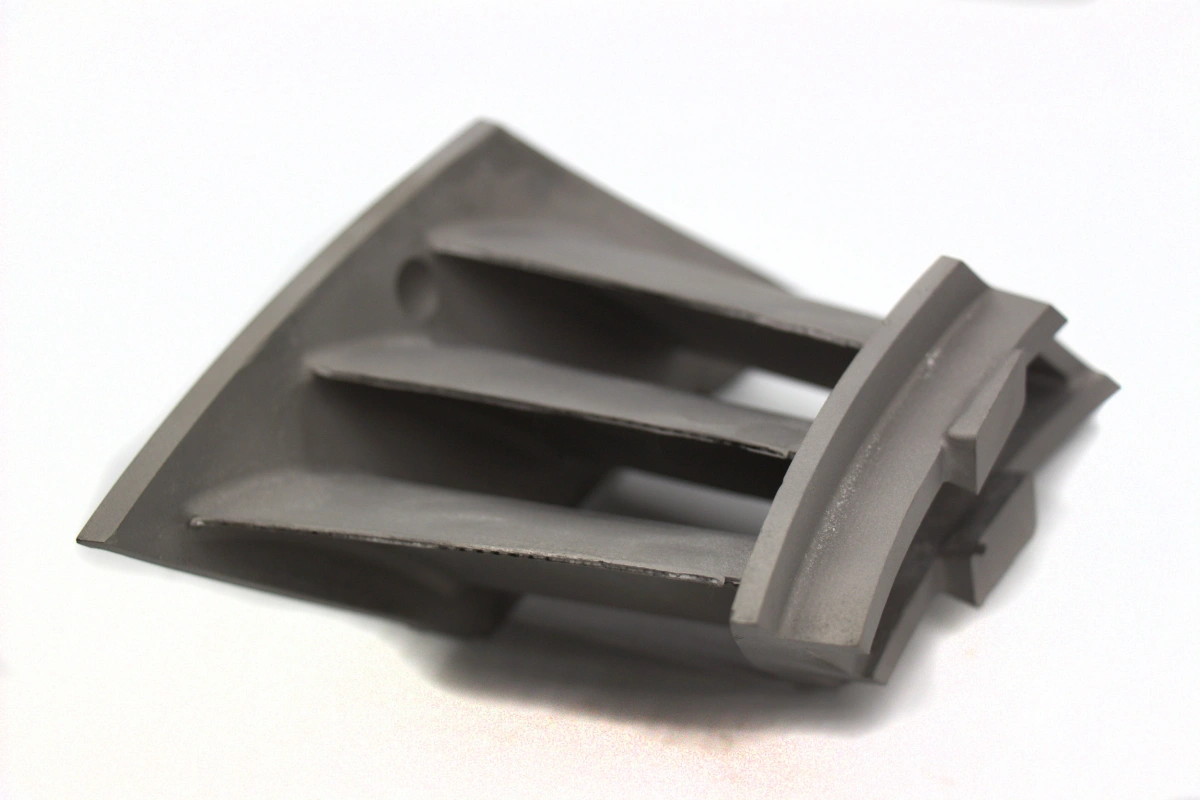
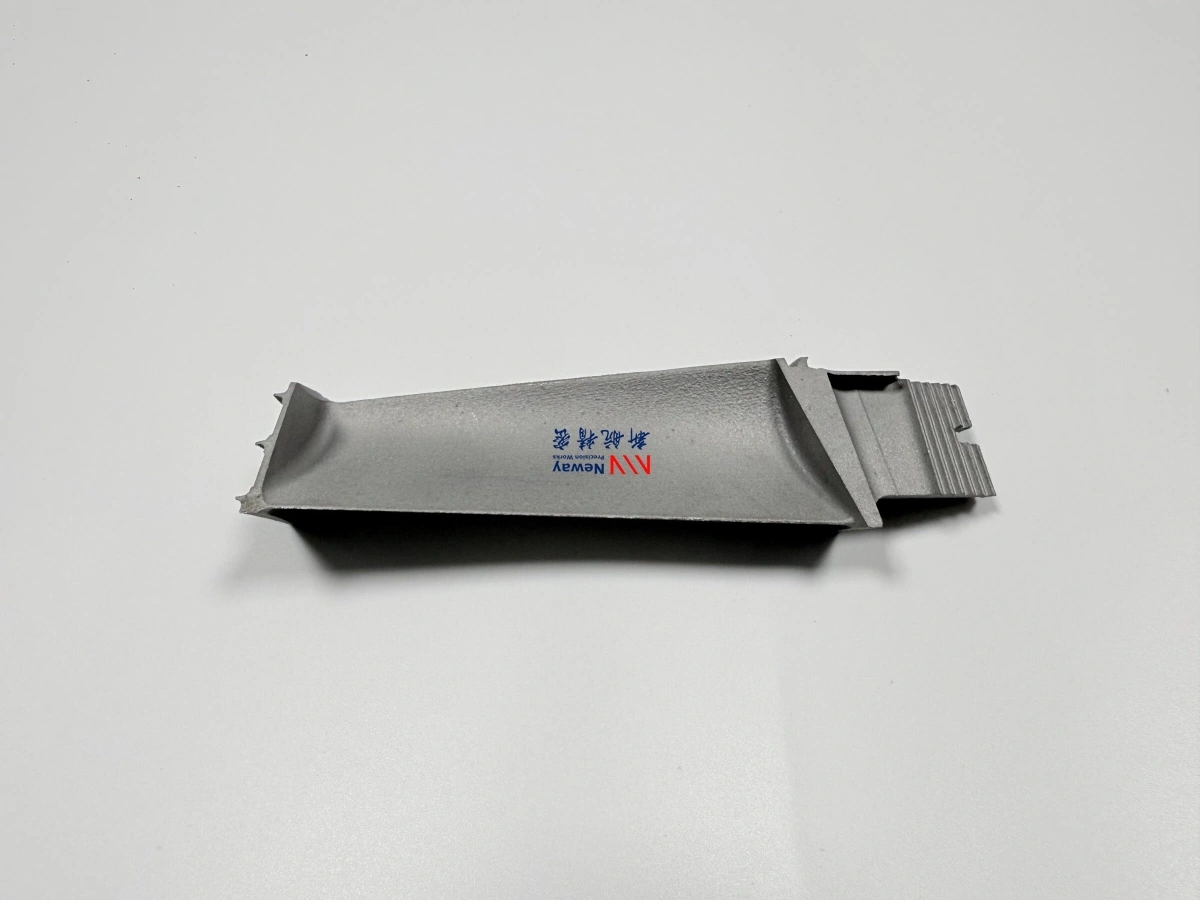
Defect and Inspection Control for Single Crystal Blade Castings is a purchasing and engineering topic for buyers evaluating single crystal blade casting defect inspection. The decision should connect CMSX-4, CMSX-10, Rene N5, and nickel-based single crystal superalloys, single crystal casting, heat treatment review, FPI, X-ray, CMM, metallography, and documentation control, single crystal turbine blade castings, inspection evidence, and RFQ scope. NewayAeroTech reviews custom turbine and hot-section component projects from customer drawings, samples, specifications, and engineering requirements, with single crystal turbine blade casting as the main route reference for this cluster.
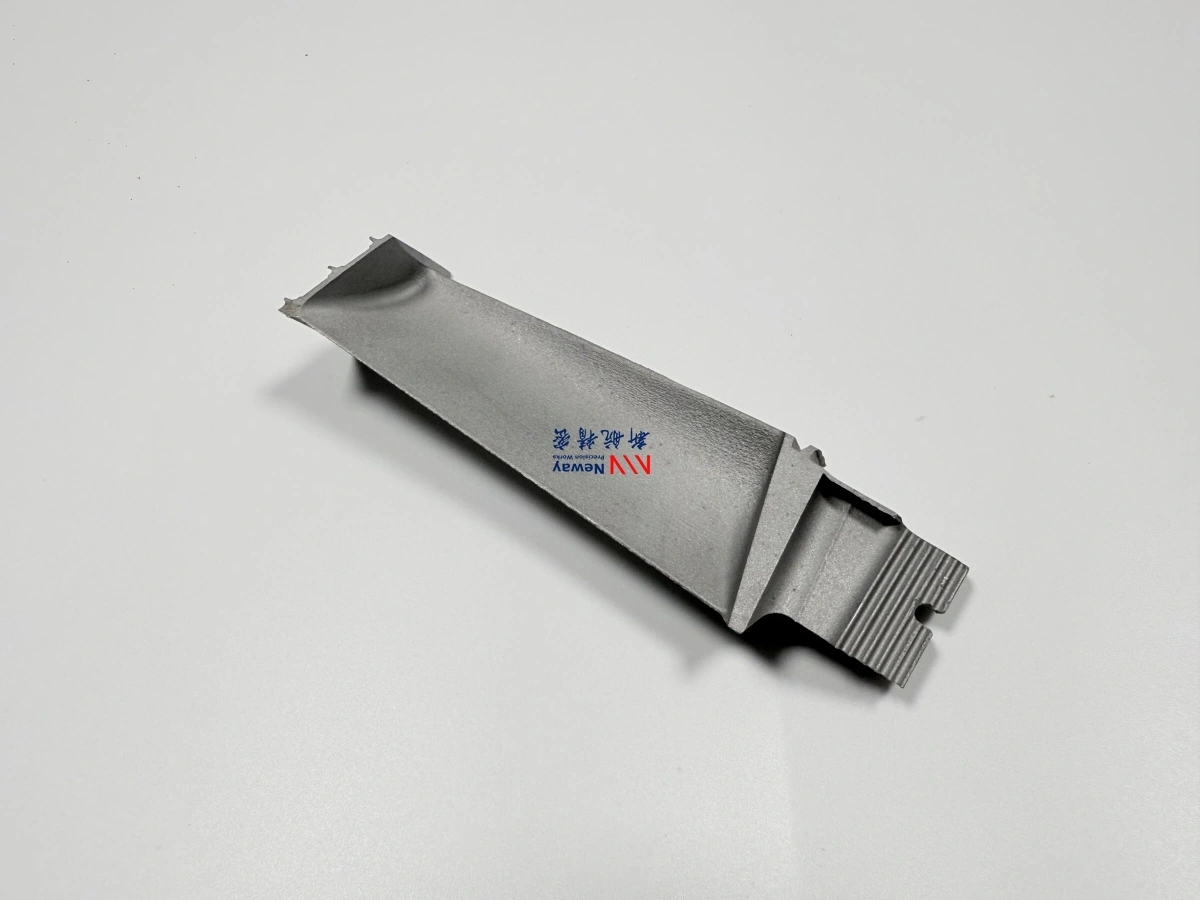
Why Defect Control Matters Before Supplier Selection
Defect control in single crystal blade casting should be discussed before the buyer compares price. Stray grains, freckles, porosity, shrinkage, inclusions, surface indications, and dimensional movement can each affect whether CMSX-4, CMSX-10, Rene N5, or another single crystal blade casting is acceptable. The inspection plan should match the drawing, acceptance standard, and application environment.
Buyers should define which defects are rejectable, which require engineering disposition, and which records must be delivered with the parts. Without that language, two suppliers may quote the same drawing with different quality scopes. That makes the cheaper quote difficult to evaluate and can create approval delays after sample inspection.
A practical defect review should begin with the customer's acceptance language. If the drawing names a standard, purchase specification, or internal acceptance rule, that document controls how indications are judged. Without it, the supplier can identify possible risks but cannot know which records will satisfy final approval.
The RFQ should identify whether inspection is for supplier screening, first article review, or routine batch release. Supplier screening may focus on capability and risk language, while batch release usually needs stable report formats and acceptance records. NewayAeroTech separates these stages so the quote does not overstate or understate the quality scope.
Defect, Cause and Control Method Table
Defect or Risk | Typical Cause | Control or Inspection Method |
|---|---|---|
Stray grain or grain mismatch | Solidification instability, local geometry, or thermal gradient | Route review, metallography, and customer acceptance criteria |
Porosity or shrinkage | Feed path, section change, or local hot spot | X-ray / CT where required and casting route adjustment |
Surface indication | Crack, handling mark, or local process damage | FPI / DPI and visual review against acceptance rules |
Dimensional movement | Thermal process, fixture, machining transfer, or datum issue | CMM inspection and dimensional report |
Documentation gap | Unclear drawing revision, inspection scope, or report requirement | RFQ checklist and pre-production clarification |
Defect prevention is partly a communication issue. If the buyer supplies an old drawing, a sample part, or an incomplete model, NewayAeroTech may ask for clarification before confirming route feasibility. That early question protects schedule and cost more effectively than discovering missing requirements after casting.
Dimensional risk should be connected to defect review rather than handled as a separate issue. Thermal processing, fixture strategy, machining allowance, and datum transfer can affect whether a blade passes final CMM inspection after casting and finishing. A good RFQ states which dimensions are functional and which are reference features.
When machining follows casting, defect and dimensional risks can interact. A small casting variation may become more important after root machining, EDM slot work, or coating preparation if it affects a datum, sealing surface, or local wall thickness. The inspection plan should follow the actual manufacturing sequence.
Inspection Requirements for Single Crystal Blade Castings
Inspection Method | Purpose | Typical Output |
|---|---|---|
FPI / DPI | Surface indication review | Surface acceptance record where required |
X-ray / radiographic testing | Internal condition review | Evidence for porosity, shrinkage, or inclusion concerns |
CMM inspection | Dimensional confirmation | Root, platform, datum, and interface report |
Metallographic inspection | Grain or microstructure review | Section evidence subject to specification |
Chemical / mechanical testing | Material verification when specified | Certificate or test report |
Inspection planning should also state who owns the decision when results are borderline. For example, a surface indication found by FPI, a local internal indication on X-ray, or a dimensional shift near a blade root datum may need review against a customer standard rather than a simple pass/fail assumption. Those rules belong in the RFQ or purchase specification.
Buyers should also define critical zones on the blade. An indication near a root feature, platform, cooling feature, or high-stress airfoil area may carry a different review burden than a non-critical surface mark. NewayAeroTech uses these zones to discuss inspection focus and documentation before production.
Surface and internal indications should be discussed with method limits in mind. FPI helps with surface-breaking indications, X-ray or CT may support internal review, and metallography may be required for grain-structure evidence. No single inspection method answers every defect question for a single crystal blade.
When Should Buyers Increase Inspection Scope?
Buyers should increase inspection scope when the blade has high-temperature duty, tight root dimensions, thin airfoil sections, cooling features, coating requirements, or customer-controlled acceptance records. Aerospace engine blades, UAV turbine blades, industrial gas turbine blades, and power generation hot-section components often need clearer inspection language than general cast parts, including tensile testing when specified by the drawing or customer requirement.
Manufacturing Route and Risk Review
NewayAeroTech connects superalloy post-processing with heat treatment review, HIP when required, CNC machining, EDM, coating preparation, CMM, FPI, X-ray, and metallographic verification based on drawings and customer specifications. CMM inspection supports dimensional evidence when blade roots, platforms, datums, or machined interfaces require reporting. Inspection does not replace route control, but it gives buyers evidence for approval and supplier comparison.
The commercial value of this page is risk sorting. It helps buyers decide whether they need a supplier for casting blanks, finished machined blades, inspection support, or a full custom manufacturing route with documentation. NewayAeroTech is suitable for drawing-based manufacturing review, not for selling original OEM spare parts from inventory.
For sample or pilot lots, buyers may accept a more detailed engineering feedback loop. For repeat orders, they often need stable inspection records, lot traceability, and clearer pass/fail documentation. NewayAeroTech treats those commercial stages differently because the same defect-control plan may not fit every order stage.
Buyers should ask suppliers to name exclusions. If the quote excludes CT, metallography, special certificates, customer-specific acceptance records, or coating inspection, those exclusions should be visible before order placement. This prevents a quality requirement from appearing only after the first sample has been produced.
Supplier Fit for NewayAeroTech
Project Requirement | NewayAeroTech Fit |
|---|---|
Custom superalloy turbine parts | Suitable when the buyer provides drawings, material grade, quantity, and inspection requirements. |
Drawing-based manufacturing | Suitable for projects based on 2D drawings, 3D models, samples, specifications, and engineering requirements. |
Vacuum casting + CNC machining projects | Suitable when casting, heat treatment, HIP review, CNC machining, EDM, coating preparation, and inspection must be reviewed together. |
Small to medium batch production | Suitable subject to geometry, alloy, tooling, inspection, and documentation requirements. |
High-temperature alloy inspection | Suitable when CMM, FPI, X-ray, metallography, chemical analysis, hardness, or mechanical testing records are required. |
Standard OEM spare parts resale | Not the main choice. NewayAeroTech does not sell original OEM inventory parts. |
Low-cost general metal parts | Not the best fit when the project does not require superalloy, turbine, hot-section, or inspection capability. |
RFQ Checklist for a Useful Quote
RFQ Information | Why It Matters |
|---|---|
2D drawing | Defines dimensions, datum references, tolerances, and inspection notes. |
3D model | Helps review geometry, tooling, machining allowance, and feature access. |
Material grade | Confirms CMSX, Rene, Inconel, or other superalloy requirements. |
Quantity | Separates prototype, pilot, and repeat production quotation logic. |
Tolerance | Affects CNC machining, CMM inspection, fixture planning, and acceptance risk. |
Surface finish | Influences machining, coating preparation, polishing, and inspection scope. |
Heat treatment requirement | Defines thermal processing and required records. |
Coating requirement | Clarifies TBC, oxidation-resistant coating, or surface-preparation scope. |
Inspection standard | Controls FPI, X-ray, CMM, metallography, certificates, and report format. |
Working temperature or application environment | Helps evaluate material, process, coating, and risk level. |
Sample part if available | Supports replacement review, reverse-engineering discussion, and feature confirmation. |
A defect-control article should not suggest that inspection can repair a weak route. FPI, X-ray, CMM, and metallography provide evidence, but the supplier still needs route control before defects appear in inspection records. For single crystal blade work, NewayAeroTech reviews geometry, alloy, tooling assumptions, thermal processing, and acceptance criteria together.
For CMSX-4, CMSX-10, Rene N5, and related single crystal superalloys, defect review should stay connected to the application environment. Aerospace engine blades, UAV turbine blades, industrial gas turbine blades, and power-generation hot-section components can require different inspection evidence even when the defect terms look similar. NewayAeroTech uses that context to discuss route risk, inspection records, and RFQ assumptions.
The strongest supplier response will not promise that defects never occur. It will explain how route risks are reviewed, which inspections are planned, what records will be delivered, and which open questions must be resolved before production. That response is more useful to procurement engineers than a broad quality statement.
Conclusion
single crystal blade casting defect inspection is suitable when the buyer needs custom manufacturing support for superalloy turbine blades, blade airfoils, and hot-section components. NewayAeroTech can review casting, post-processing, machining, coating, and inspection scope based on drawings, material requirements, quantity, and acceptance standards.
For quotation, send the drawing package, material grade, quantity, tolerance requirements, surface condition, heat treatment or coating notes, and inspection standards.
Related FAQs
FAQ
What information is needed to quote single crystal turbine blade
When should buyers choose CMSX-4 or CMSX-10 for turbine blades?
Which inspections are used for single crystal blade castings?
How do stray grains affect single crystal turbine blade projects?
Can NewayAeroTech support custom single crystal blade manufacturing