PWA 1483 Single Crystal Casting for Power Turbine Blade RFQs
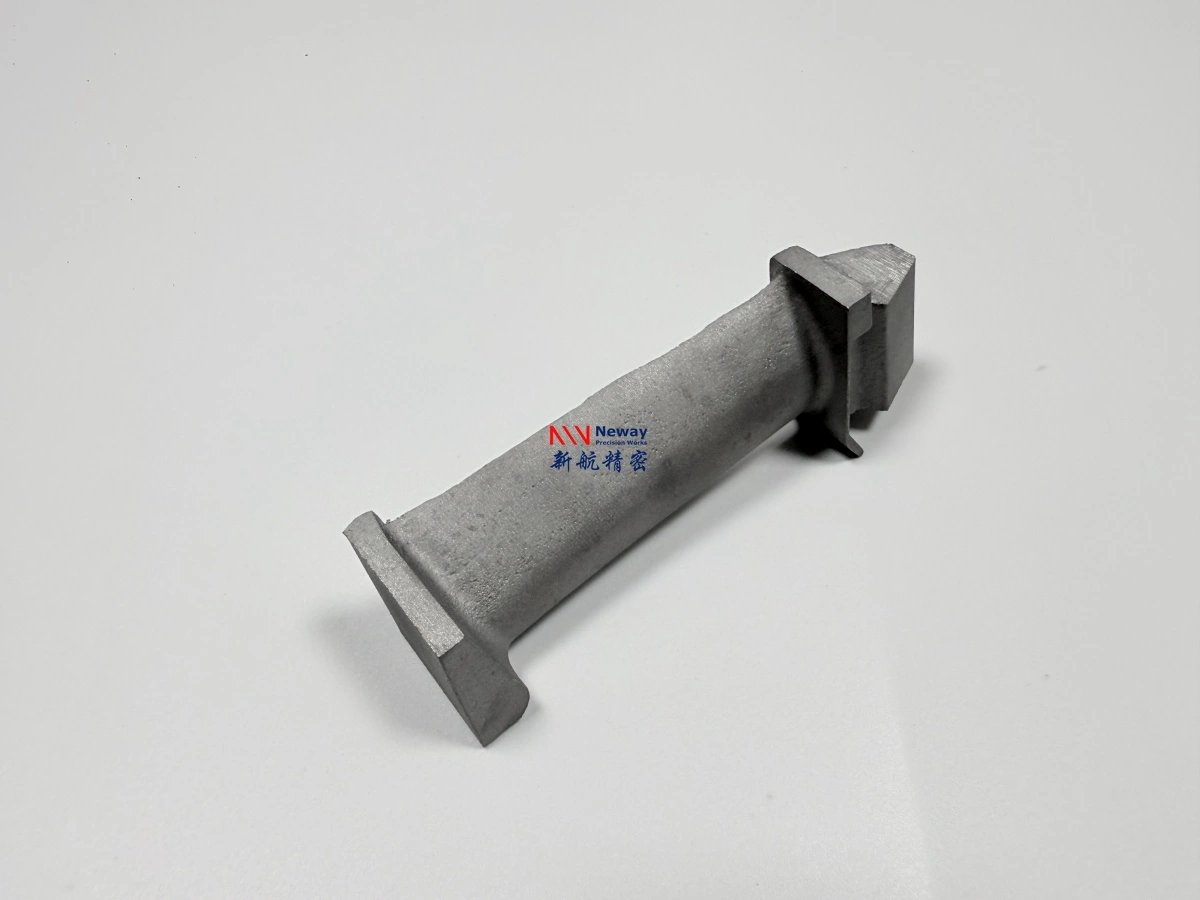
A PWA 1483 single crystal turbine blade RFQ should define the alloy requirement, blade delivery state, crystal orientation target, root and airfoil machining allowance, cooling-feature boundary, heat-treatment requirement, and inspection evidence before price comparison. The material name alone does not tell the supplier whether the buyer needs a casting blank, semi-finished blade, or finished blade package. It also does not define how the first article will be accepted.
NewayAeroTech can review custom power turbine blade projects through single crystal casting, power generation application support, HIP, superalloy CNC machining, and material testing and analysis. The project must remain drawing-based and buyer-approved; NewayAeroTech can quote manufacturing and inspection scope, while the buyer controls final application validation.
PWA 1483 Boundary Before the SX Route
The buyer should state whether PWA 1483 is mandatory on the drawing or one alloy candidate for review. If the grade is mandatory, the supplier should quote the SX route around that requirement. If the grade is still under review, the RFQ should ask for manufacturability comments and risks, not a final material decision without the buyer's engineering approval. This distinction keeps the quote from drifting into unsupported alloy substitution.
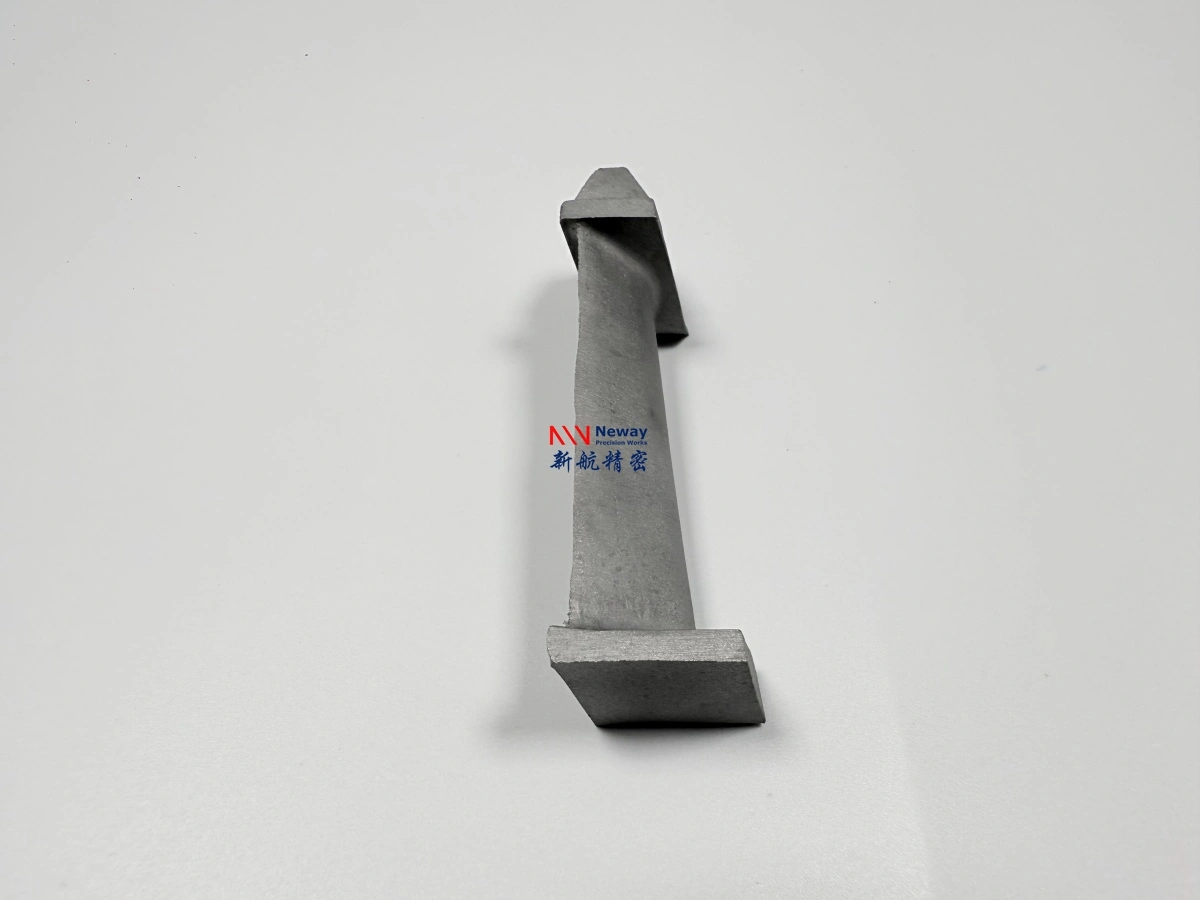
The material boundary should also include delivery condition. A casting blank may leave root stock, airfoil stock, or platform stock for later buyer machining. A semi-finished blade may include heat treatment, HIP, datum preparation, and rough machining. A finished package may require final CNC machining, EDM or drilling features, FPI, orientation evidence, CMM report, and other records. Each boundary changes cost and responsibility.
RFQ boundary | Supplier responsibility | Buyer decision |
|---|---|---|
PWA 1483 as fixed grade | Review SX casting route, heat treatment, machining allowance, and inspection evidence. | Confirm drawing grade and acceptance requirement. |
PWA 1483 as candidate grade | Provide manufacturability feedback and route risk for buyer review. | Approve final material before production commitment. |
Blank, semi-finished, or finished blade | Quote only the agreed delivery state and records. | Define which features are buyer-side and supplier-side. |
Orientation Control and Grain Defect Evidence
Single crystal blade casting depends on controlling crystal growth through the selector, blade root, platform, and airfoil. The RFQ should state the orientation requirement, the inspection method expected, and the buyer's acceptance rule. Stray grain, recrystallization, low-angle boundary, freckles, and surface indications are not generic quality words; they represent different rejection or review conditions that should be tied to the drawing and first-article plan.
Buyers should define when orientation evidence is needed. Some projects need orientation review before final machining, because later machining adds cost to a part that may not pass crystal acceptance. Other projects may require FPI after machining or final finishing. The sequence should be written into the RFQ so the supplier does not quote a finished blade while the buyer actually needs intermediate hold points.
Root Airfoil Platform and Cooling Feature Scope
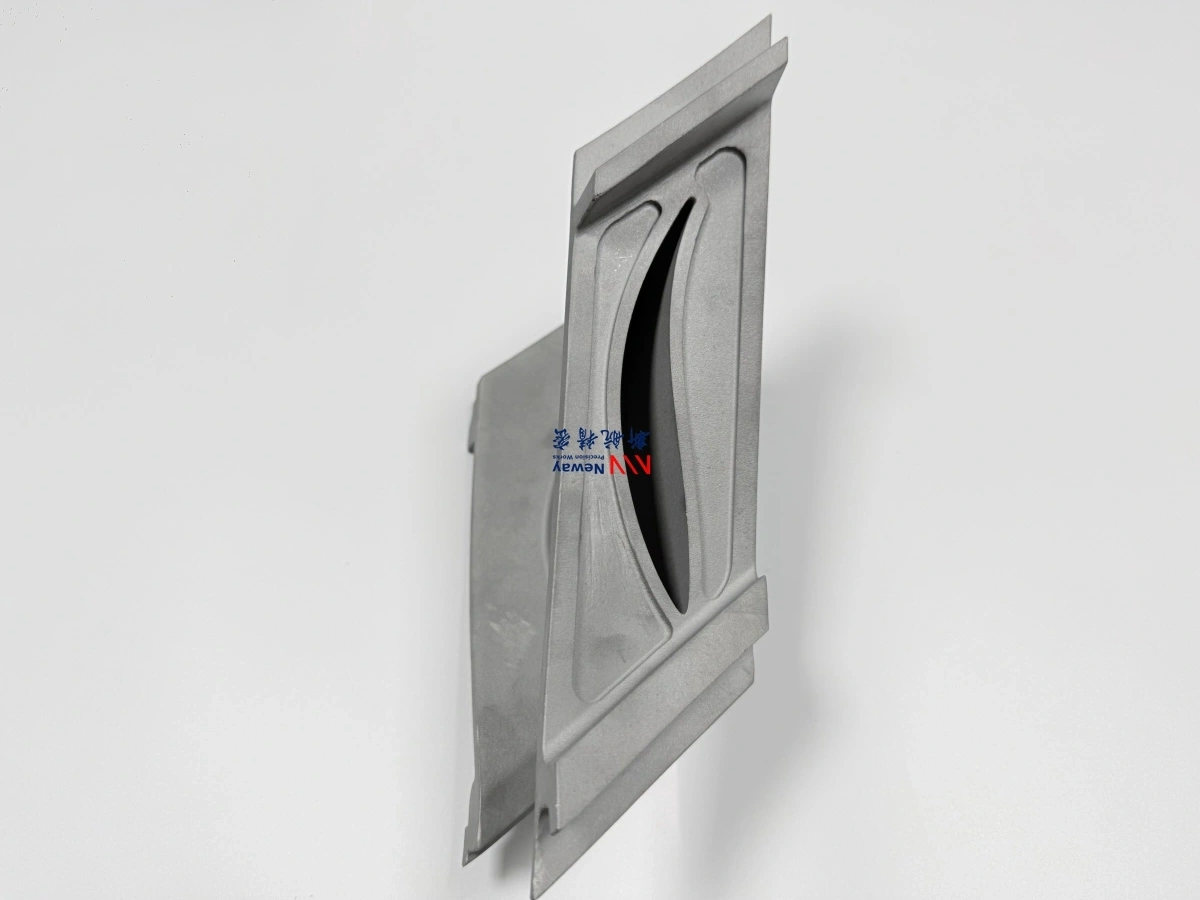
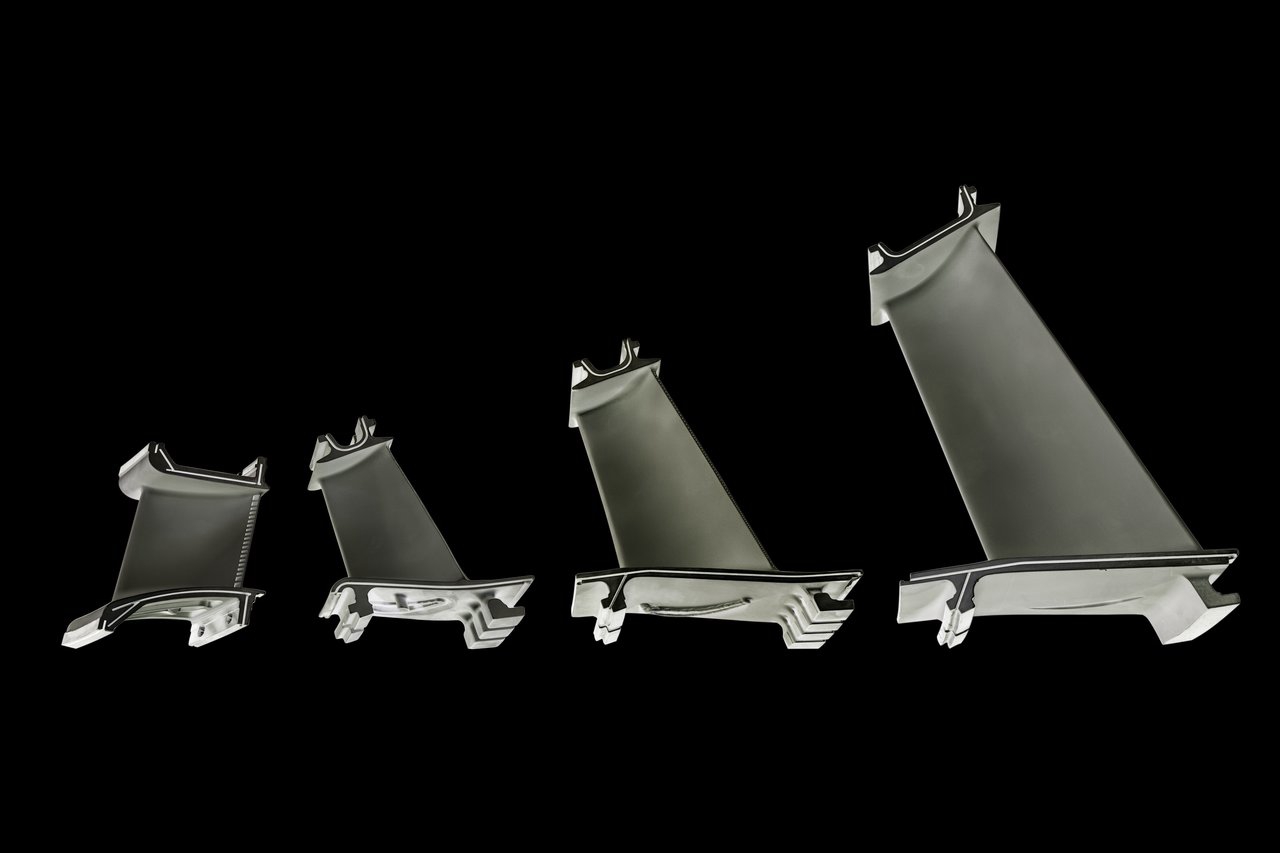
A power turbine blade is not one surface. The root needs stock and machining allowance for attachment geometry. The airfoil needs surface control and may need cooling-feature discussion. The platform affects sealing and gas-path interface. Tip, trailing edge, leading edge, and fillet zones may carry different casting and finishing risks. The buyer should mark which dimensions require CMM reporting and which features remain reference surfaces.
Cooling-feature scope needs its own line in the quotation. The supplier may quote only the SX casting blank, or it may quote EDM, drilling, or inspection of selected holes depending on geometry and requirement. If the buyer performs those features elsewhere, the casting still needs enough stock and access for downstream work.
Blade areas should also be separated by inspection timing. Root stock may be checked after rough machining because the datum scheme becomes clearer. Airfoil surfaces may need review before and after finishing because casting indications and handling marks are different problems. Platform and tip features may need dimensional checks after heat treatment, since distortion can shift a surface that looked acceptable at the wax or casting stage. Writing these hold points into the RFQ prevents the supplier from treating the blade as one final-inspection item.
Blade area | RFQ risk | Evidence buyers may request |
|---|---|---|
Root | Machining stock, datum control, and attachment geometry. | CMM report, machining allowance review, and FPI after machining. |
Airfoil | SX integrity, surface indications, wall behavior, and cooling-feature relation. | Orientation evidence, FPI, X-ray or CT when required. |
Platform | Seal surface, gas-path transition, and distortion after heat treatment. | Dimensional report and surface review. |
Tip and edges | Thin geometry, finishing risk, and inspection access. | Feature-specific inspection and buyer acceptance note. |
Heat Treatment HIP and Machining Sequence
PWA 1483 blade RFQs should define whether heat treatment and HIP are part of the supplier scope. These steps affect when inspection should occur and how much machining stock should remain. CNC machining before the correct hold point may remove evidence or add cost before crystal acceptance. Machining too late may expose allowance problems after expensive processing has already been completed.
The buyer should specify whether the supplier is responsible for rough machining, datum preparation, final root machining, EDM features, or only casting stock. NewayAeroTech can review route sequence and manufacturing feasibility based on drawings and requirements. The quote should show what is included and what remains with the buyer.
If HIP is requested, the RFQ should state whether the buyer expects inspection before HIP, after HIP, or at both stages. A route that waits until final machining for all checks may hide which process step created the issue. A route with sensible hold points gives the buyer clearer feedback on casting, heat treatment, machining, and inspection responsibility.
First Article Validation for SX Blade Projects
The first article should answer more than one question. It should show whether the PWA 1483 SX casting route can produce the required orientation, whether the selector and blade geometry support the grain boundary requirement, whether root and platform allowance are enough for machining, and whether the selected inspection sequence finds relevant defects before the buyer spends money on the next batch. A first article accepted only by visual appearance is too weak for this type of RFQ.
Buyers should decide before quotation how nonconforming first-article findings will be handled. A small orientation deviation, surface indication, machining stock shortage, or cooling-feature issue may trigger rejection, controlled rework, design review, or a second sample. The supplier needs to know which findings stop the project and which findings can be reviewed with the buyer's engineering team. This is especially important when the first sample is also used to freeze tooling, machining datums, and inspection hold points.
First-article check | Evidence requested | Buyer decision after review |
|---|---|---|
Crystal orientation | Orientation record and grain-defect review. | Accept route, adjust process, or stop before machining. |
Machining allowance | Root, platform, and datum stock review. | Approve machining plan or revise casting stock. |
Surface and internal quality | FPI plus X-ray or CT when required by the drawing. | Define whether the issue is rejectable or suitable for engineering review. |
Claim Boundary for Model-Related Material Content
Material names and turbine blade terminology require careful boundaries. A supplier can quote custom manufacturing from customer drawings and specifications; it should not imply original spare-part status, engine approval, or field performance results without buyer-provided evidence. For a PWA 1483 RFQ, the useful claim is practical: casting route review, sample manufacturing, post-processing, machining, and inspection support for a buyer-controlled project.
The RFQ should avoid asking the supplier to guarantee application behavior from alloy name alone. Instead, it should ask which manufacturing records can be provided, where the process risks are, and what the first article should prove. That makes the supplier response useful to the buyer's engineering review.
Claim area | Acceptable supplier response | Buyer-owned decision |
|---|---|---|
Material grade | Quote PWA 1483 route if specified and feasible. | Approve the grade and any substitute discussion. |
Blade application | Manufacture to buyer drawings and agreed inspections. | Validate the component for the final system. |
Inspection records | Provide orientation, FPI, CMM, and other agreed evidence. | Decide pass or rework based on acceptance criteria. |
RFQ Checklist for PWA 1483 SX Blades
Send the 2D drawing, 3D model, PWA 1483 material note, orientation requirement, grain acceptance rule, delivery state, quantity, heat-treatment requirement, HIP requirement, machining surfaces, cooling-feature scope, FPI requirement, CMM reporting dimensions, and any X-ray, CT, metallography, or chemical analysis expectations. If a sample is provided, state whether it is a worn reference or approved geometry source.
A strong PWA 1483 RFQ lets NewayAeroTech quote the route as a controlled manufacturing package: SX casting, heat treatment or HIP where required, machining allowance, inspection hold points, and buyer validation boundary. It should also state whether rejected first-article findings trigger rework, another sample, or buyer-side design review. That is more useful than a broad request for a "single crystal blade price."
Related FAQs
How does single crystal casting improve the performance of turbine blades?
How do single crystal and equiaxed crystal casting differ in manufacturing superalloy components?
How do materials affect DS, equiaxed, and single crystal route selection?
Can vacuum cast hot gas path parts be machined after heat treatment?
What inspections are typically conducted to ensure quality in gas turbine components?