How do single crystal and equiaxed crystal casting differ in manufacturing superalloy components?
Microstructural Fundamentals
In superalloy manufacturing, the microstructure directly determines mechanical and thermal performance. Single crystal casting and equiaxed crystal casting represent two distinct approaches for controlling grain structure. Single crystal casting produces components with a continuous lattice orientation and no grain boundaries, while equiaxed crystal casting forms a fine-grained structure with multiple randomly oriented crystals. This microstructural difference leads to significant variation in creep resistance, fatigue life, and oxidation behavior—key performance criteria in turbine and aerospace applications.
Single Crystal Casting: Maximizing Creep and Fatigue Resistance
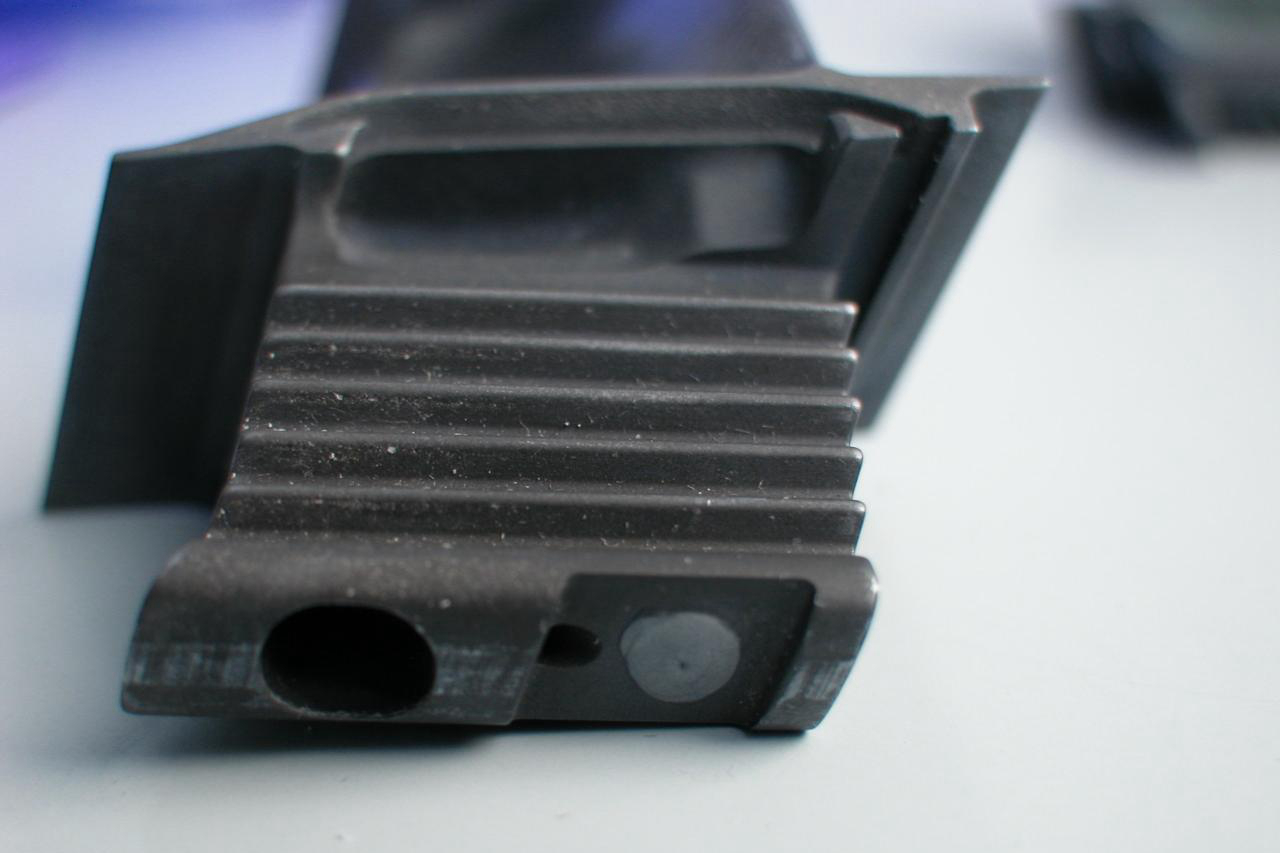
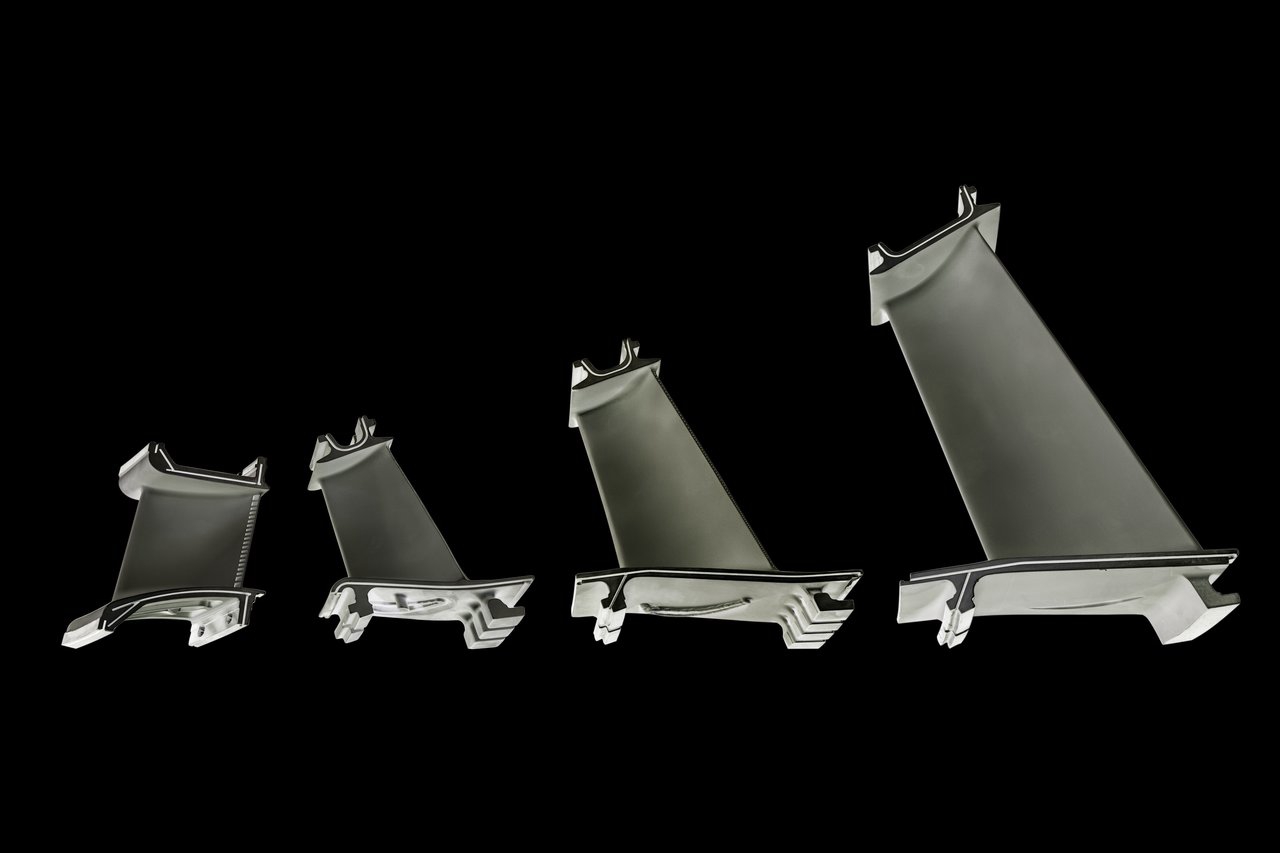
Single-crystal superalloys such as CMSX-4, Rene N5, and PWA 1484 are cast using a carefully controlled directional solidification technique that eliminates grain boundaries. This structure prevents boundary diffusion and sliding, which are primary causes of creep at high temperatures. Components such as turbine blades, vanes, and high-stress nozzles benefit from the superior creep rupture strength and oxidation resistance achieved through vacuum investment casting combined with directional solidification. These alloys often undergo hot isostatic pressing (HIP) and superalloy heat treatment to further homogenize the microstructure and relieve residual stresses.
Equiaxed Crystal Casting: Cost-Effective Versatility
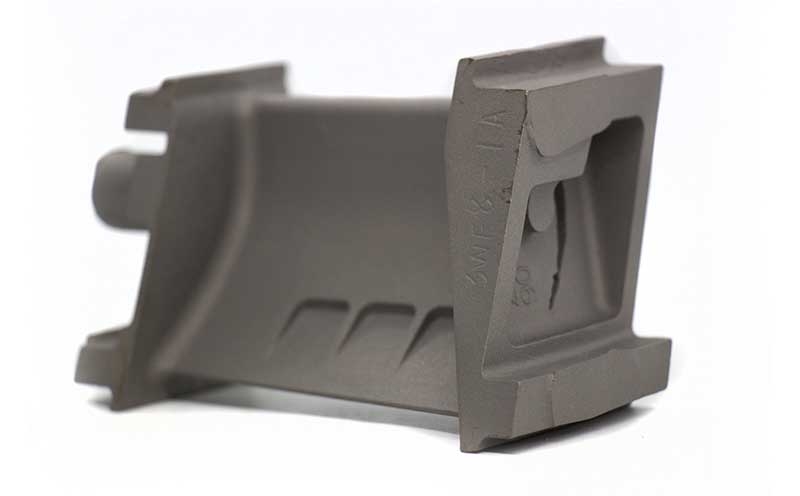
Equiaxed crystal casting yields multiple small grains solidified without directional control. While these materials—such as Inconel 713C, Hastelloy X, and Stellite 6—have lower creep resistance than single crystal alloys, they offer superior castability, dimensional stability, and cost-effectiveness. This makes them ideal for combustion housings, seals, impellers, and other components where thermal loads are moderate. When combined with superalloy CNC machining and material testing and analysis, equiaxed parts achieve high geometric precision and dependable mechanical integrity.
Industrial Applications and Alloy Selection
In the aerospace and aviation sector, single crystal alloys dominate high-pressure turbine stages and nozzle guide vanes, where efficiency and long-term durability are critical. Equiaxed alloys are widely used in secondary propulsion accessories, combustor liners, and power generation systems. For energy and marine applications, equiaxed alloys provide a balanced solution between cost, performance, and manufacturability.
Summary
In short, single crystal casting maximizes high-temperature mechanical strength through microstructural continuity, while equiaxed casting optimizes cost and manufacturability for less demanding thermal zones. Manufacturers select the appropriate method based on the operating environment, stress profile, and performance targets of the superalloy component.