Non-OEM Gas Turbine Replacement Parts Manufacturing RFQ Review
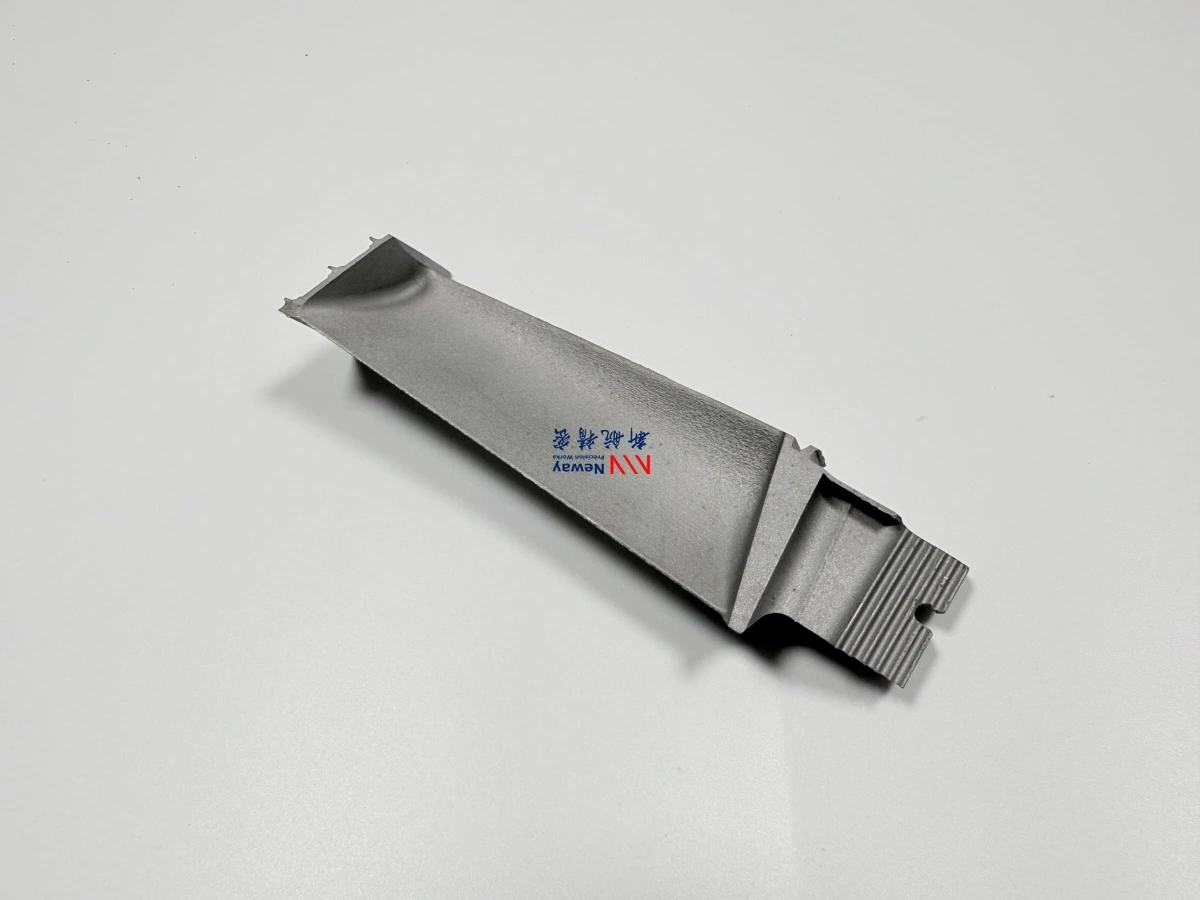
A non-OEM gas turbine replacement part RFQ should first define who owns the design evidence and what NewayAeroTech is being asked to manufacture. A vane segment, blade, shroud, nozzle, seal segment, or hot gas path wear part cannot be quoted responsibly from a part name alone. The supplier needs the drawing or model, material requirement, sample condition if a sample exists, delivery condition, and inspection evidence expected before any custom manufacturing route can be priced.
NewayAeroTech can review drawing-based and sample-supported requests for custom superalloy replacement components when the buyer controls the technical basis. The scope should be described as custom manufacturing from buyer-provided requirements, not original inventory resale. That boundary protects the RFQ while still allowing a practical route review for IN738LC, Rene 80, CMSX-4, cobalt-base wear alloys, and similar turbine materials used in gas turbine and power generation maintenance programs.
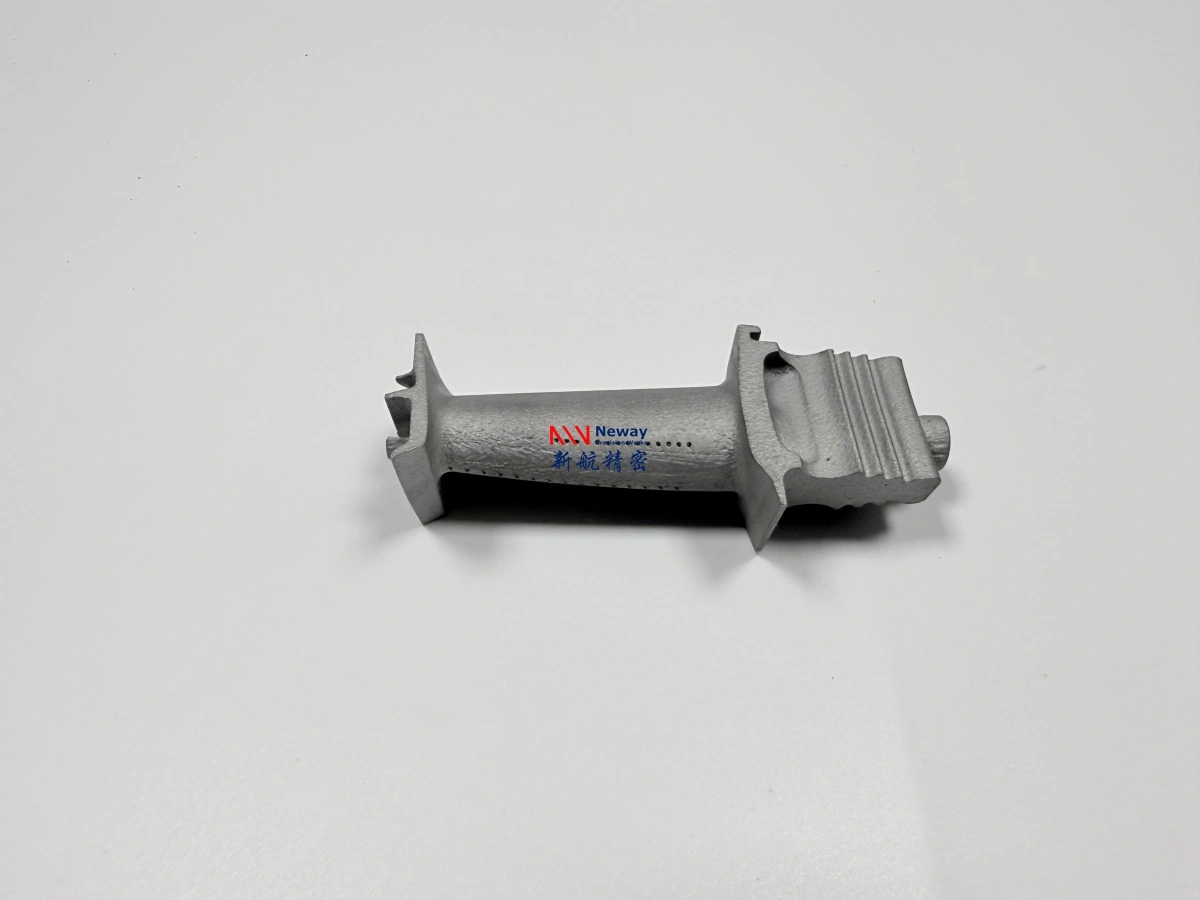
Non-OEM Boundary Before Pricing
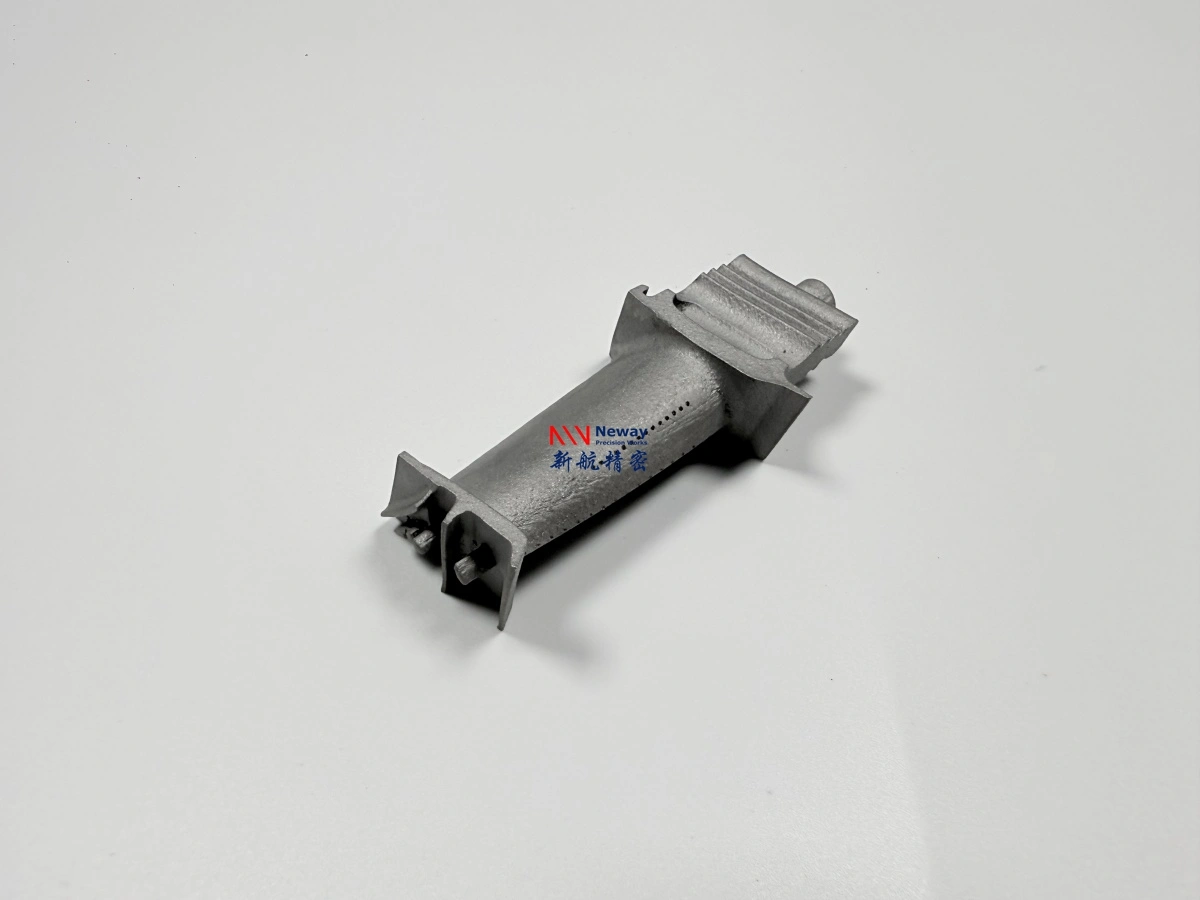
For this RFQ, buyers should first separate custom manufacturing permission from any resale or inventory claim. The quote can discuss manufacturing a buyer-defined part from drawings, samples, and specifications; it should not imply that the component is an original spare part. The purchase file should say whether the buyer provides the drawing package, owns the sample, approves reverse engineering output, and accepts first article review before repeat production.
This boundary affects the wording in the quotation. A useful supplier response names the component, alloy, process route, included post-processing, and inspection package without borrowing unsupported language from a turbine platform or service manual. When the RFQ includes an old sample, the supplier should treat it as evidence to review, not as a complete design authority. Worn edges, coating residue, oxidation, and previous repair marks can mislead the manufacturing route if they are not separated from the intended geometry.
NewayAeroTech fits projects where the buyer needs custom superalloy casting, machining, heat treatment, HIP, material testing, or inspection support against buyer-provided requirements. It is not the right fit when the buyer only wants catalogue spare parts, original stock, or a quote with no drawing, sample, material, or inspection basis.
Boundary Item | Buyer Decision Needed | Quote Risk if Unclear |
|---|---|---|
Design authority | Confirm whether the 2D drawing, 3D model, approved sample, or buyer specification controls the replacement part | The supplier may quote from worn geometry or incomplete assumptions |
Non-OEM wording | Describe the work as custom manufacturing to buyer requirements | The quote may be interpreted as an original inventory or resale claim |
Material basis | State IN738LC, Rene 80, CMSX-4, Stellite, or the required alloy family with permitted alternatives | Material substitution may be hidden inside the price |
Delivery condition | Choose casting blank, heat-treated casting, machined component, coated-ready part, or inspected first article | Buyers may compare unequal scopes across suppliers |
Drawing Sample and Alloy Evidence
The supplier cannot quote the replacement route until the technical evidence is sorted into usable categories. A drawing controls nominal geometry and datums. A 3D model helps tooling, machining allowance, and fixture planning. A used sample can show fit features, cooling passages, platform wear, coating build-up, and fracture or rub marks, but it may not represent the intended final shape. Material evidence should come from the drawing, purchasing standard, previous records, or chemical verification when the buyer requests it.
For a hot gas path component, the evidence package should identify which surfaces are functional. A blade root, vane platform, seal land, shroud hook, nozzle throat, or bolt feature may drive the manufacturing route more than the general outer profile. If the buyer marks these surfaces before quotation, NewayAeroTech can review whether vacuum investment casting, machining allowance, heat treatment, HIP, or inspection should be included in the same delivery scope.
Evidence Type | How NewayAeroTech Uses It | Buyer Note Before RFQ Release |
|---|---|---|
Controlled drawing | Checks datums, critical surfaces, tolerances, material notes, heat treatment, and inspection requirements | Send the drawing revision and mark non-negotiable features |
Used sample | Supports dimensional review, damage mapping, coating-residue review, and route feasibility discussion | Do not treat worn or oxidized surfaces as final design geometry |
Alloy evidence | Confirms whether the quote uses the specified grade or an approved alternative review | State whether chemical analysis or material verification is required |
Operating context | Helps distinguish hot gas path exposure, wear part duty, seal contact, and static support features | Provide application notes without requesting unsupported service-life promises |
Route Choice by Component Risk
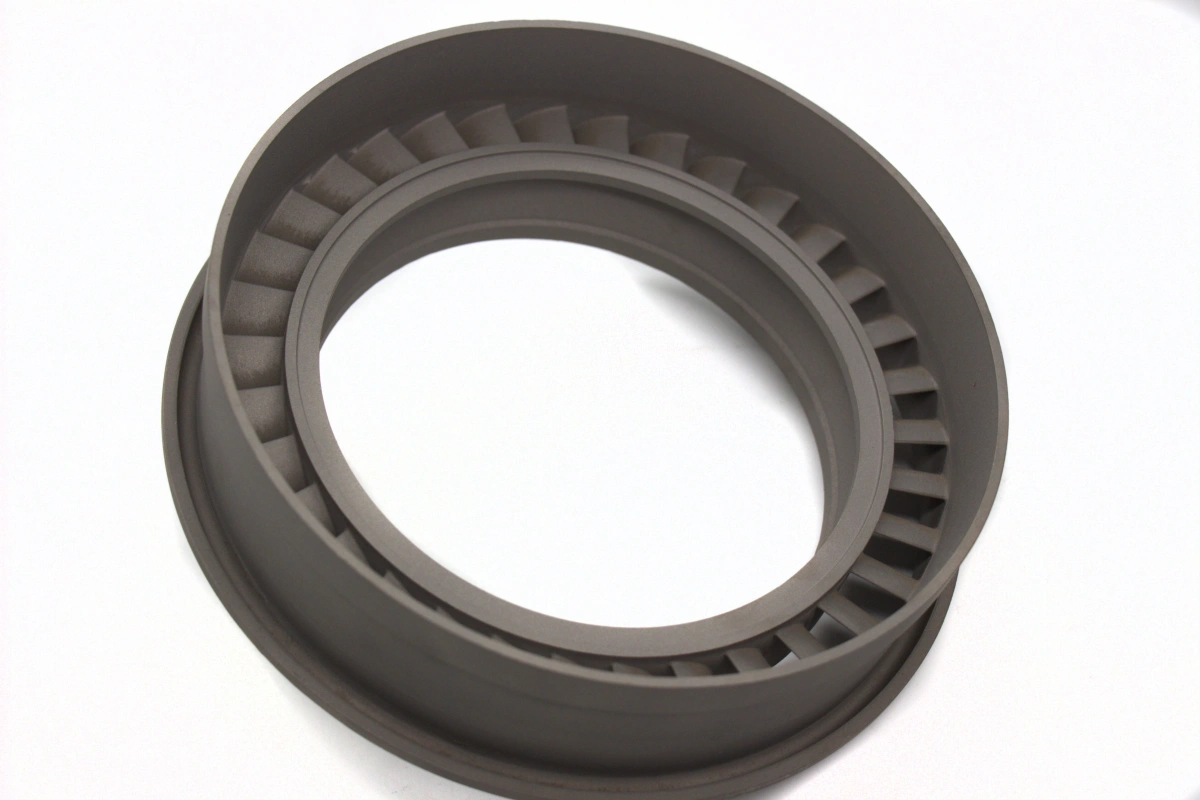
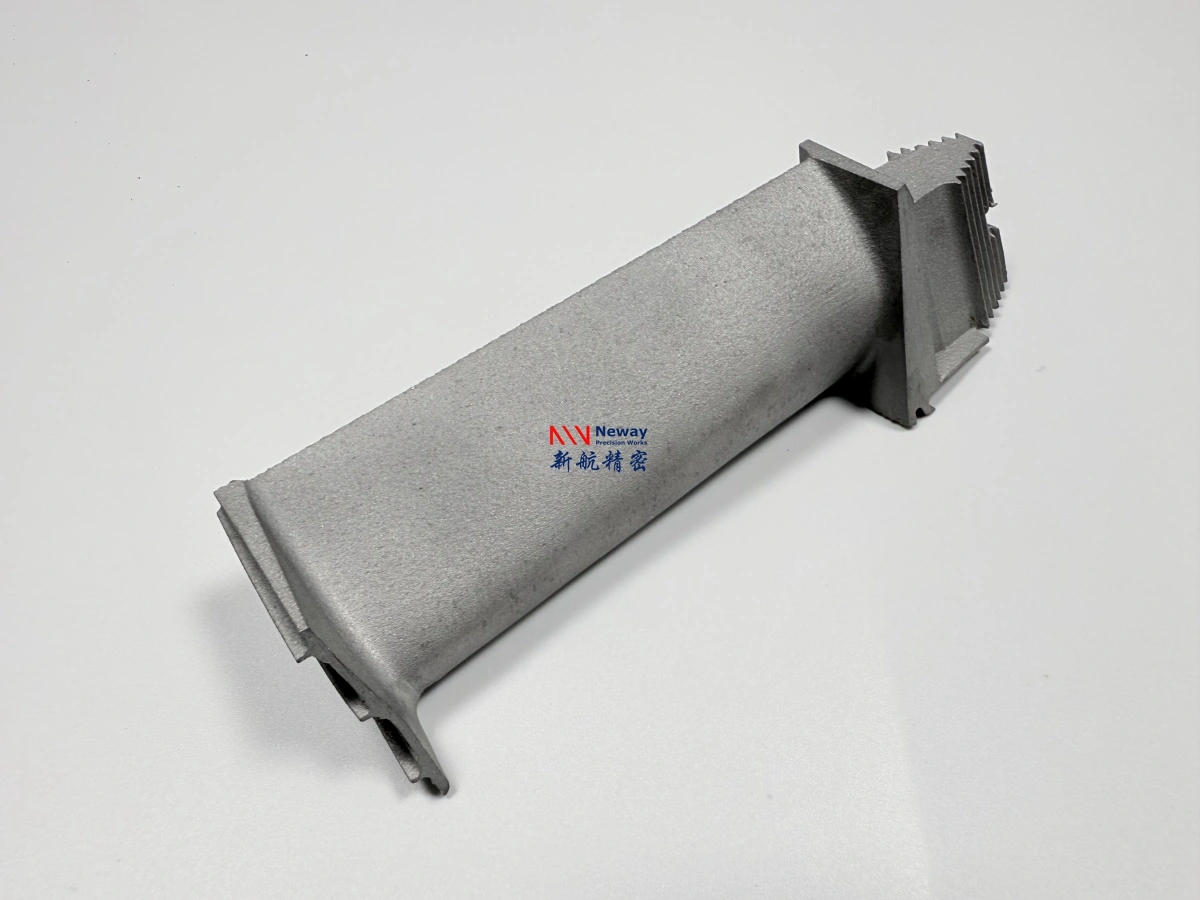
A non-OEM replacement RFQ should not ask for one generic process chain across all turbine parts. A static vane segment may need a thin-wall casting review and platform machining. A blade or bucket may require root-form control, airfoil inspection, and cooling-feature review. A shroud or seal segment may be driven by hook geometry, seal face condition, and wear-resistant alloy choice. The selected route should follow the part risk, not the broad replacement label.
NewayAeroTech can review whether the project belongs in casting, machining from a supplied blank, post-process work, or a combined route. Superalloy CNC machining should be discussed before tooling when datums, seal surfaces, dovetail roots, bolt holes, or coating-mask areas control the final acceptance. HIP and heat treatment may be added when the drawing or buyer acceptance plan requires post-casting densification or thermal processing.
Component Risk | Route Discussion to Have Before Quotation | Evidence That Should Appear in the Supplier Response |
|---|---|---|
Blade or bucket root | Casting route, machining datum order, root contact surfaces, and optional EDM or drilling scope | Root surface notes, machining allowance, CMM plan, and first article hold point |
Vane or nozzle segment | Wall thickness, ceramic core risk, platform flatness, seal face machining, and flow path inspection | X-ray or CT need, platform datum plan, FPI timing, and CMM scope |
Shroud or seal segment | Hook geometry, wear face, distortion risk, alloy selection, and coating-ready surfaces | Marked seal surfaces, heat treatment notes, wear alloy assumption, and final inspection records |
Hot gas path bracket or support | Material grade, castability, machining access, and load-bearing surfaces | Drawing notes, material requirement, fixture access review, and inspection package |
Inspection and First Article Boundary
Inspection evidence should be linked to the risk that the replacement program is trying to control. Dimensional checks help confirm machined datums and assembly surfaces. FPI can be relevant after casting or machining when surface-breaking discontinuities are a concern. X-ray or CT may be needed for internal casting features, especially for vanes, nozzles, or parts with cores. Chemical analysis, metallography, hardness, and heat-treatment records may be requested when material condition has to be documented for buyer approval.
First article validation is the point where custom manufacturing assumptions become measurable. Buyers should define whether the first article is used only for dimensional approval, for material and inspection evidence, or for process release into a small batch. The supplier response should separate first article work from repeat production so the buyer can see what will be learned before ordering more parts.
Where material testing is part of the decision, NewayAeroTech can connect the manufacturing route with superalloy material testing and analysis. The useful quote is the one that names required records, optional records, and open assumptions instead of promising acceptance without the buyer's standards.
Acceptance Question | Inspection or Record to Discuss | Why It Belongs in the RFQ |
|---|---|---|
Did the route produce usable geometry? | CMM report, marked datum scheme, first article dimensional review | Shows whether the manufactured part matches the buyer-controlled geometry |
Are casting risks visible? | FPI, X-ray, CT, or visual inspection as required by drawing and risk | Connects inspection cost to the actual casting concern |
Is material condition documented? | Chemistry, heat treatment record, hardness, or metallography when requested | Prevents alloy and processing assumptions from staying hidden |
Can the batch be repeated? | First article approval point and repeat-batch inspection plan | Separates trial learning from production release |
Small Batch RFQ Scope
Small-batch replacement work needs a quote structure that shows which costs belong to feasibility review, tooling or fixture work, first article validation, and repeat parts. If the buyer asks only for a unit price, the supplier may hide engineering review, sample capture, route validation, or inspection records inside assumptions. A better RFQ asks for line items that match the decision path.
The buyer should send the drawing, model, sample notes, material grade, quantity, target delivery condition, required reports, and any surfaces that control fit. NewayAeroTech can then review custom manufacturing options for suitable gas turbine and power generation components. If the project needs casting plus machining plus HIP or heat treatment, the scope should say whether HIP is included before or after machining review.
For quotation, send the controlled drawing or sample basis, alloy requirement, quantity range, required delivery condition, inspection standards, and first article expectation. NewayAeroTech can review whether the project fits custom superalloy manufacturing and identify the open decisions before the buyer compares suppliers.
RFQ Line Item | What the Buyer Should Ask For | Decision It Supports |
|---|---|---|
Feasibility review | Route proposal, missing information list, and manufacturing boundary | Confirms whether the request is ready for quotation |
First article | One part or defined sample lot with inspection records and buyer approval point | Reduces risk before repeat parts are ordered |
Small batch | Quantity range, repeat inspection level, and process hold points | Keeps prototype pricing separate from repeat manufacturing |
Optional work | Coating preparation, repair review, extra testing, or route comparison listed separately | Avoids comparing suppliers with hidden exclusions |
Related FAQs