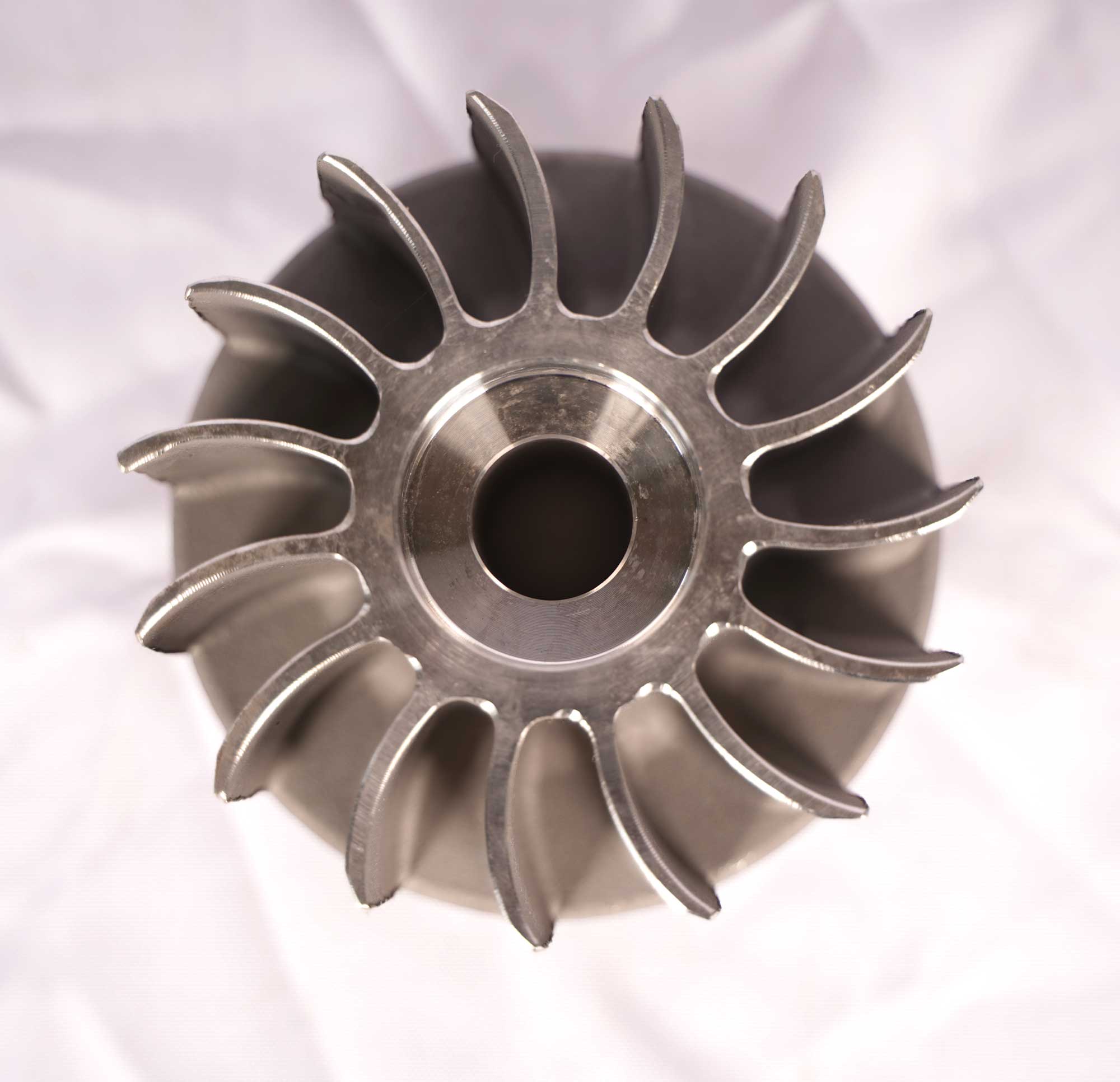
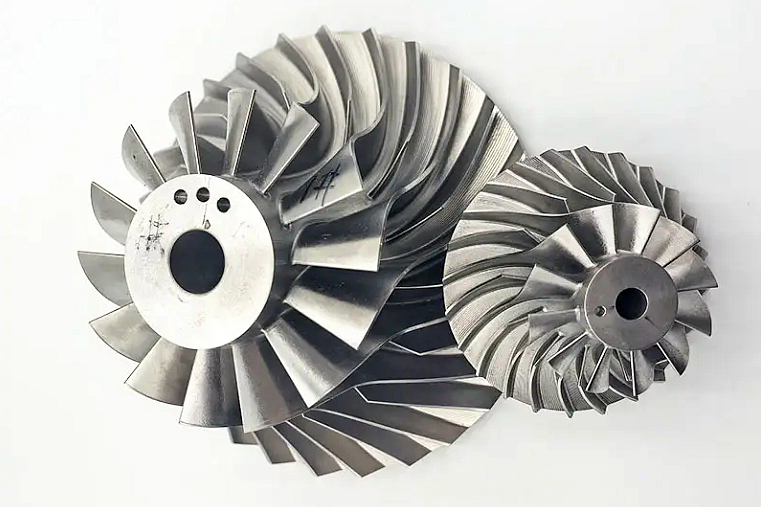
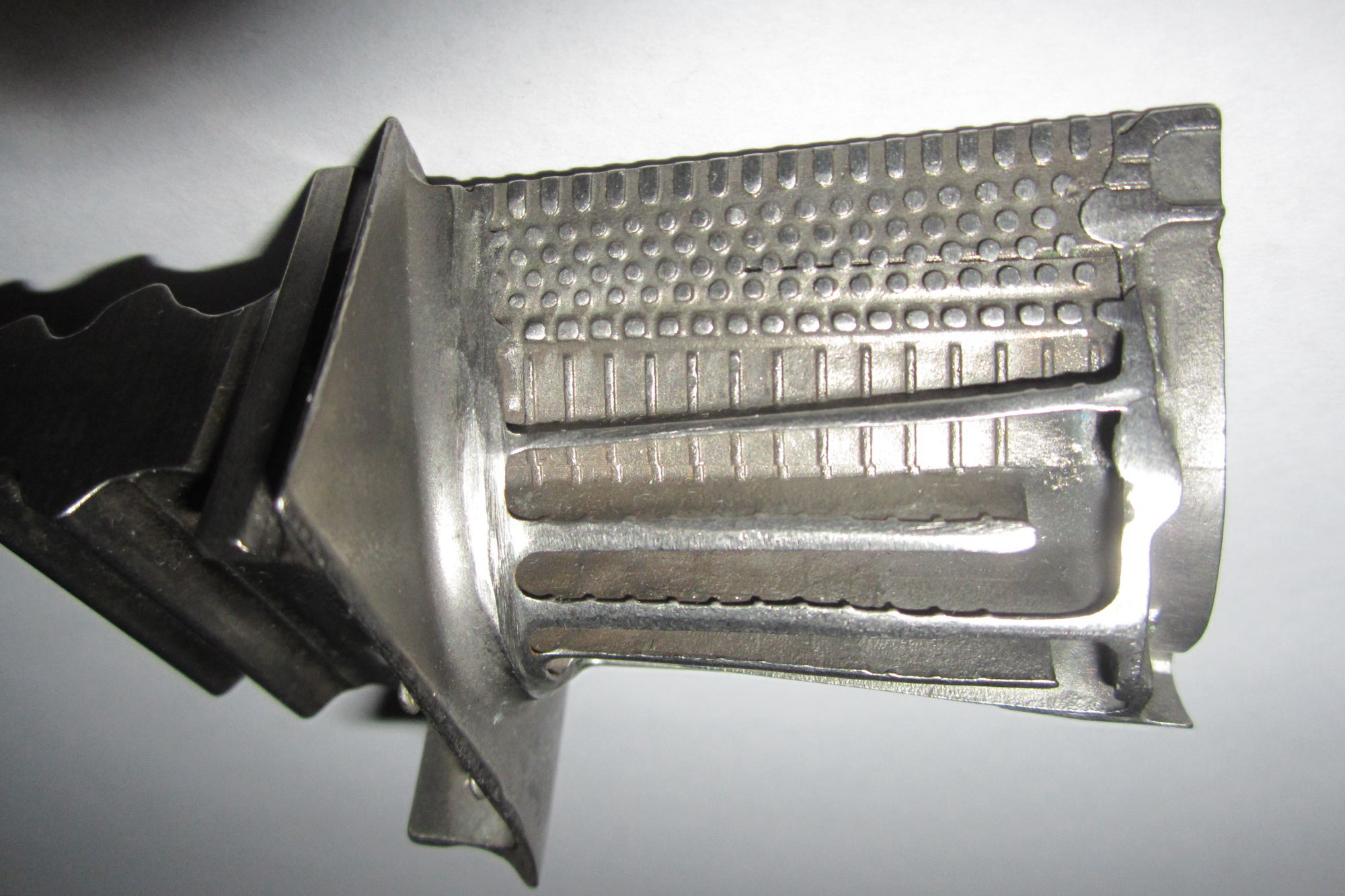
Nickel-Based Alloy Drilling Tool Parts Production Unit
A nickel-based drilling-tool-part RFQ should define downhole load, abrasive media, pressure exposure, and replaceable-feature boundaries before alloy selection is finalized. Drilling tool parts may include sleeves, nozzles, flow inserts, bearing-adjacent parts, stabilizer details, threaded adapters, sensor housings, retainers, and wear-resistant inserts. Some parts face erosive drilling fluid. Others see high temperature, pressure, corrosive media, vibration, and repeated assembly torque. The supplier needs to know which features carry load, which features guide flow, and which surfaces must be finish machined.
NewayAeroTech supports nickel-based and high-temperature drilling components through vacuum investment casting, special alloy casting, CNC machining, deep-hole drilling, EDM, heat treatment, HIP review, and material testing. For buyers, a practical RFQ separates cast blanks, machined inserts, threaded components, sample-based replacement work, and small-batch production parts.
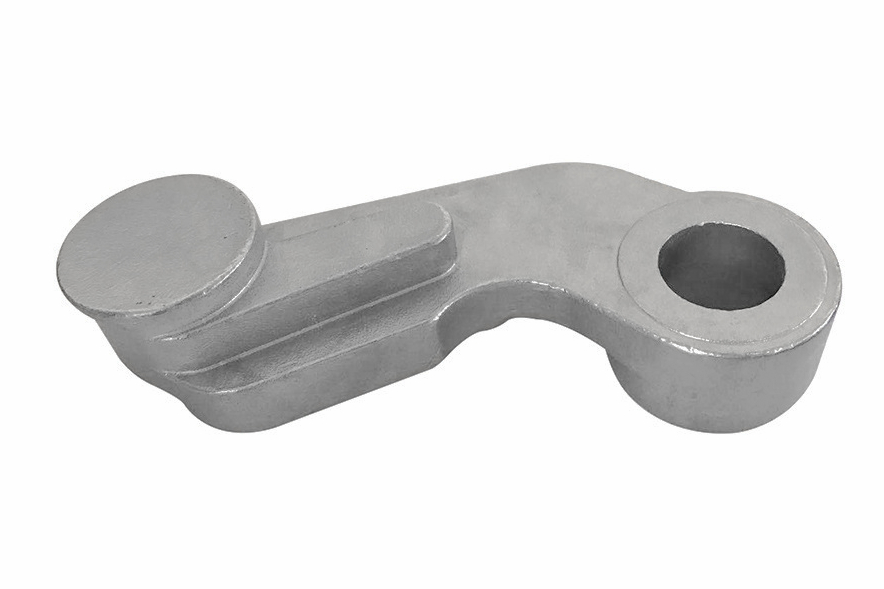
Define downhole duty and replaceable feature boundaries
The first review should identify the drilling tool location and function. A nozzle or flow insert needs erosion resistance and clean internal passages. A sleeve may need roundness, wear behavior, and surface finish. A threaded adapter needs thread form, seal geometry, and torque-related fit. A sensor housing needs pressure boundary and port alignment. A retainer may need vibration resistance and secure assembly. These features should not be quoted as one generic nickel alloy item.
The buyer should describe drilling fluid, sand or particle exposure, sour or corrosive media concerns, temperature, pressure, and whether the part is sacrificial or structural. A replaceable insert can be optimized differently from a main tool-body feature. A component that only guides flow needs a different inspection plan from a pressure-retaining part. If the buyer cannot share all well details, it should at least state the damage mode or operating risk that led to the RFQ.
Sample-based requests need clear boundaries. Removed drilling tool parts often show erosion, impact marks, galling, thread damage, or deformation. These marks can help diagnose manufacturing requirements, but they should not all become nominal geometry. The buyer should identify original drawing data, used-sample condition, and the acceptance method for the first article.
Choose nickel alloy by erosion, corrosion, heat, and machinability
Nickel-based alloys are often considered for drilling tool parts because downhole environments can combine heat, pressure, corrosive media, and abrasive flow. Inconel alloy casting may be reviewed when strength and temperature are important. Hastelloy alloy casting may be reviewed when corrosion resistance is the main driver. Stellite alloy casting may be reviewed for wear-facing details when the geometry and route support it.
The selected alloy should be tied to the component role. A nozzle insert may need erosion resistance and passage integrity. A pressure housing may need material soundness and machined seal surfaces. A threaded adapter may need machinability and thread quality. A sleeve may need stable diameter and surface condition. If the buyer only gives an alloy grade without duty details, the supplier may miss why that grade is being requested.
Nickel-based alloys can be difficult to machine, especially when thin walls, deep holes, narrow slots, or hard wear surfaces are involved. The RFQ should allow the supplier to comment on tool access, datum strategy, and whether a cast or machined route makes sense for the required quantity.
Select casting, machining, deep-hole drilling, and EDM route by features
Vacuum investment casting can support complex inserts, curved flow forms, integral bosses, and non-rectangular shapes that would waste material if fully machined. A casting can leave extra stock on seal faces, threads, and locating surfaces. It also needs first-article review for shrinkage, surface condition, internal soundness, and cleaning. The buyer should identify whether the quote is for a rough casting, machined casting, or finished tool part.
Superalloy CNC machining controls final threads, bores, slots, shoulders, and sealing features. Where long passages or cooling/flow holes are part of the tool, deep hole drilling may be required. Where sharp internal features, hard alloys, or narrow slots limit tool access, EDM may need review. These operations should be planned before material is ordered.
A prototype route may differ from a production route. A one-off machined insert can validate fit and passage orientation. A casting route may be better for repeat quantities or complex geometry. A printed model can support layout review, but it does not automatically validate a final nickel alloy manufacturing process. The supplier response should separate prototype evidence from production-route evidence.
Control threads, seal lands, and flow passages separately
Drilling tool parts often combine external threads, internal bores, cross holes, seal lands, grooves, and wear surfaces. Each feature has a different failure mode. Threads can gall or misfit. Seal lands can leak if surface finish or flatness is poor. Flow passages can erode or trap burrs. Wear inserts can loosen if mating geometry is wrong. The drawing should mark these features clearly and define which surfaces are functional.
Machining stock should be planned around final interfaces. Cast or near-net features need enough stock on threads, shoulders, bores, and seal lands for cleanup. Thin inserts can distort if too much stock is removed late in the process. Deep-hole features need inspection access and burr control at intersections. The buyer should ask the supplier to describe datum strategy and final measurement points.
If the part is part of a matched drilling assembly, mating dimensions should be shared where possible. A sleeve, insert, and retainer may need to be evaluated together. A threaded adapter may depend on a mating connection supplied by the buyer. Component manufacturing can only be precise when interface responsibility is clear.
Sequence heat treatment, HIP review, and post-process cleaning
Heat treatment should be linked to alloy, route, and final machining. Some nickel-based parts may need thermal processing before finish machining so critical bores and seal surfaces can be corrected afterward. Other components may be machined after material processing if distortion risk is low. The quote should state the assumed sequence so the buyer understands how final dimensions are protected.
Hot isostatic pressing may be reviewed for suitable cast drilling components where internal soundness is a concern. It should be connected to geometry, alloy, and inspection evidence rather than listed automatically. Thick cast inserts, bosses, or pressure-related features may justify discussion; simple machined parts may not.
Post-process work should protect flow passages and threaded features. Cleaning, deburring, surface preparation, and packaging can decide whether a part arrives ready for assembly. Chips, abrasive residue, or damaged seal lands can create problems even when the alloy and dimensions are correct.
Build inspection evidence around wear, pressure, and fit
Material testing and analysis should confirm alloy and support the manufacturing risks identified in the RFQ. Inspection may include material chemistry, dimensional reporting, hardness checks where required, visual inspection, penetrant inspection, radiographic review for applicable castings, surface finish checks, thread gauging, and bore or passage inspection. The exact package should follow the part's function.
For flow inserts, inspection should focus on passage geometry, edge condition, and internal cleanliness. For threaded adapters, thread form and seal geometry matter. For sleeves and wear parts, roundness, diameter, surface finish, and mating-surface notes matter. For pressure-related housings, wall thickness, soundness, and seal surfaces may drive the inspection plan. The buyer should state which records are required with the first article and which are needed for repeat orders.
Component inspection does not replace downhole tool validation. NewayAeroTech can document the manufactured part against agreed criteria, while the buyer remains responsible for assembly and field validation unless a separate test scope is defined. Clear boundaries keep the RFQ realistic and defensible.
What to send for a nickel-based drilling tool part RFQ
A complete RFQ includes drawings, models, sample photos if available, current material, candidate material, media exposure, pressure and temperature notes, wear or failure symptoms, critical surfaces, thread information, quantity range, and inspection requirements. For oil and gas, mining, or energy equipment, the tool function and media are more useful than an industry label alone.
The supplier response should separate alloy review, casting or machining route, deep-hole or EDM assumptions, machining stock, heat-treatment and HIP scope, post-process cleaning, inspection evidence, and open questions. If the buyer needs an engineering review from a used sample, that should be stated separately from manufacturing supply. If the buyer needs a finished component ready for assembly, the required surfaces and records should be part of the quote.
NewayAeroTech's value is connecting nickel-based alloy manufacturing to downhole wear, pressure, and fit requirements. A drilling tool RFQ with those details gives both sides a practical route from first article to small-batch supply. Buyers should also identify drawing revision status and whether the sample represents acceptable wear, failed wear, or only a dimensional reference. That note prevents the supplier from converting damaged service geometry into a manufacturing target.
Related FAQs
How does HIP improve the quality of downhole drilling components?
What are the typical quality control measures for downhole drilling assemblies?
What are the advantages of using nickel-based alloys in drilling tool parts?
How does the manufacturing process impact the performance of nickel-based drilling tools?
What quality assurance ensures the reliability of nickel-based drilling tool parts?
How does rapid prototyping contribute to the development of nickel-based drilling tools?