Why are superalloys ideal for downhole drilling assemblies?
High-Temperature and High-Pressure Stability
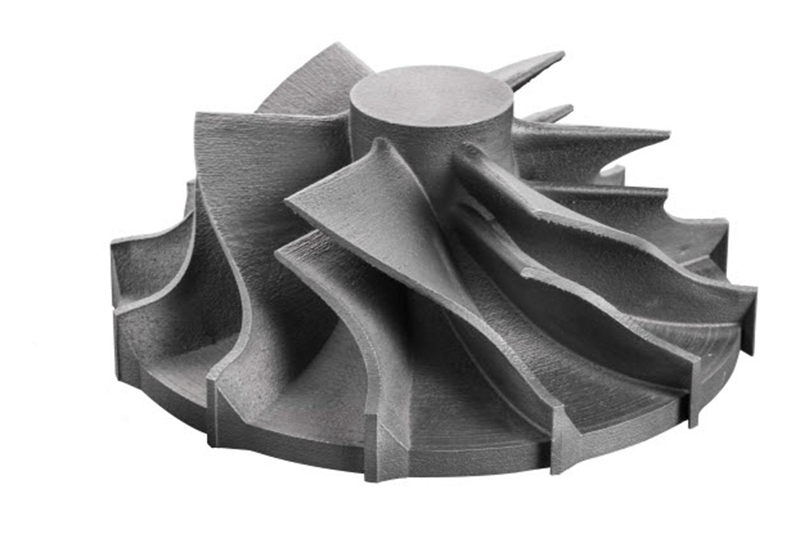
Downhole drilling assemblies operate in environments that routinely exceed 150–200°C, with extreme pressure and localized friction. Conventional steels rapidly lose strength under these conditions, while engineered superalloys maintain mechanical integrity, creep resistance, and dimensional stability. Through advanced superalloy parts manufacturing processes, such as vacuum investment casting, single-crystal casting, directional solidification casting, powder metallurgy turbine disc production, and superalloy precision forging, assemblies can be tailored for sustained performance in ultra-deep and high-temperature wells.
Corrosion, Sour Gas, and Chloride Resistance
Downhole tools are exposed to H₂S, CO₂, chlorides, brines, and completion fluids that aggressively attack standard alloys. Superalloys such as Inconel 718, Hastelloy C-276, Monel K500, and Stellite 6 offer excellent resistance to stress corrosion cracking, pitting, and general corrosion, significantly extending tool life and reducing workover cost. Where weight reduction and strength are required, Ti-6Al-4V supports the production of premium, non-magnetic, corrosion-resistant components.
Mechanical Strength, Fatigue Life, and Wear Resistance
Bottom-hole assemblies (BHAs), MWD/LWD housings, rotary steerable systems, stabilizers, and motor components are subject to cyclic loading, torsion, vibration, and abrasive wear from rock cuttings. Superalloys offer high yield strength, superior low-cycle and high-cycle fatigue performance, and excellent wear resistance, which helps maintain sealing surfaces, thread integrity, and gauge protection over extended periods. For critical joints and sealing interfaces, HIP consolidation via hot isostatic pressing (HIP) improves density and defect tolerance, while thermal barrier coating solutions support components exposed to localized heat or flow erosion.
Manufacturing Flexibility and Reliability for Harsh Fields
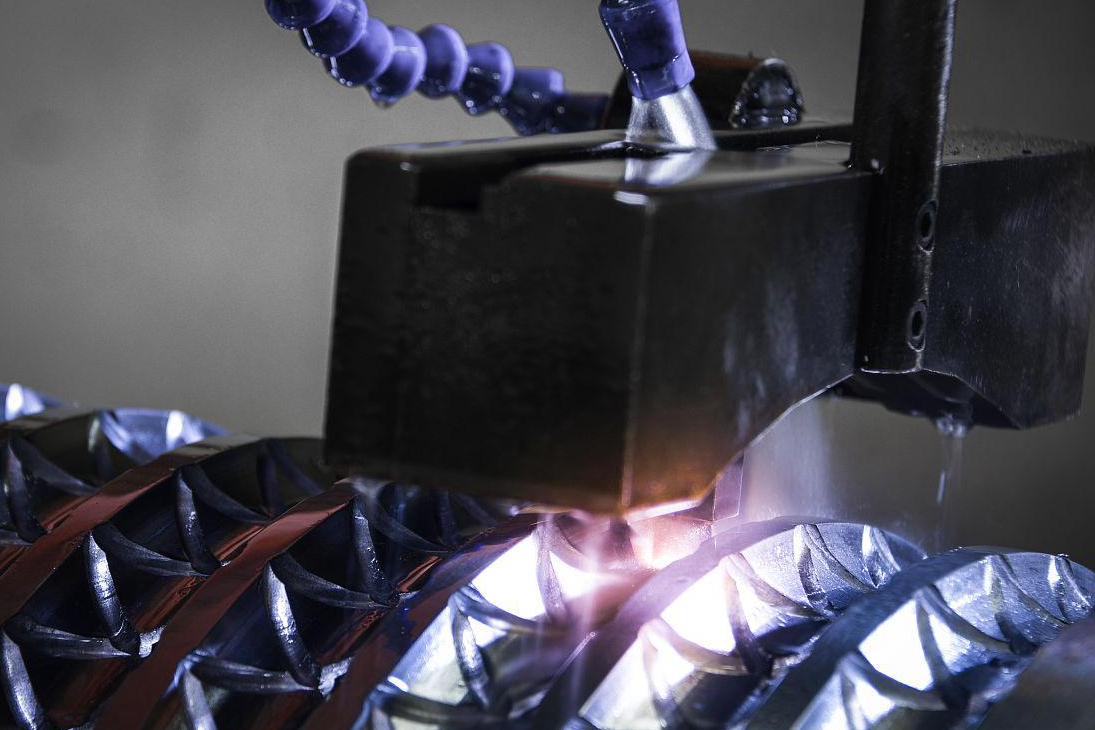
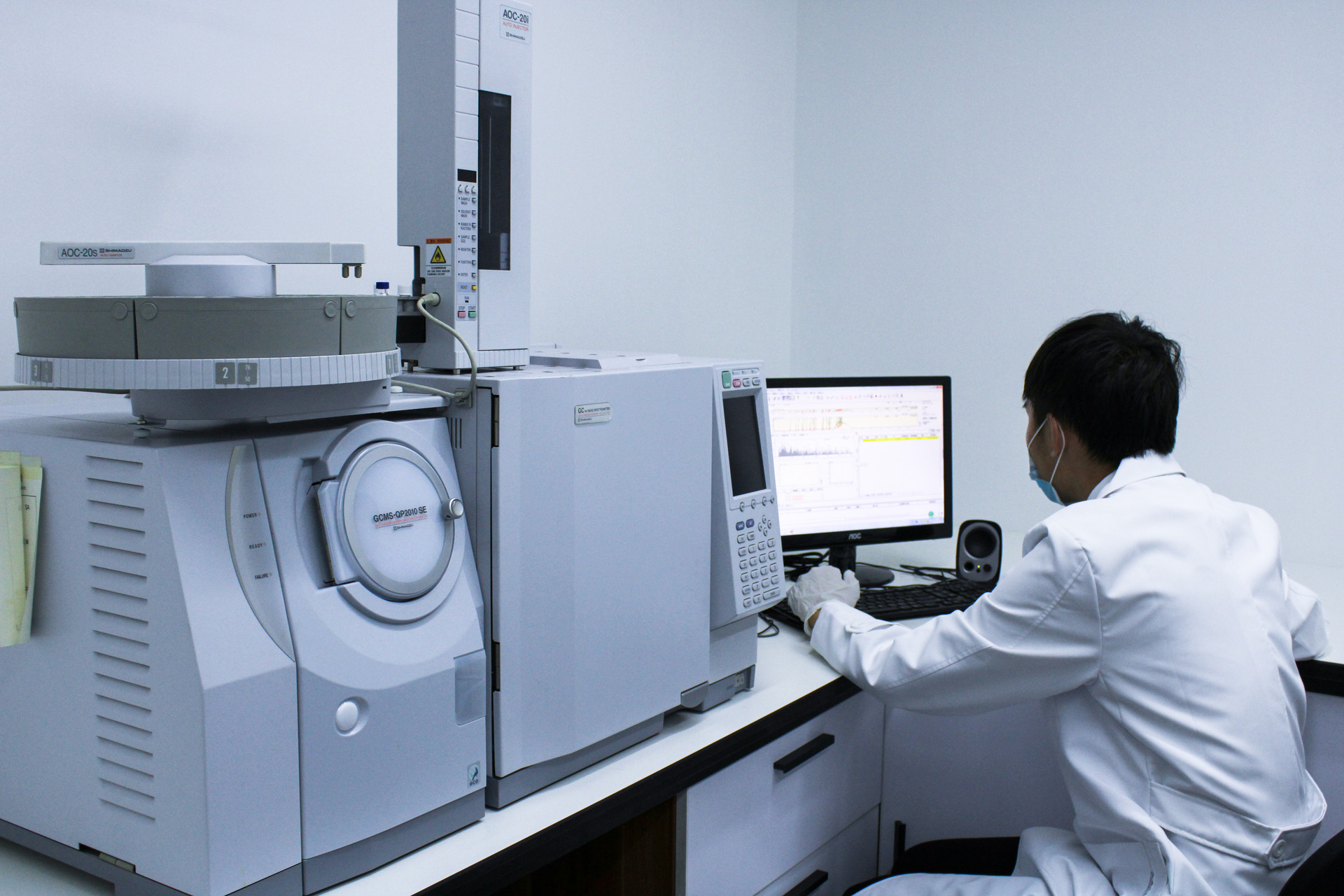
Complex downhole geometries, internal channels, and tight tolerance interfaces demand robust process capabilities. Neway AeroTech integrates superalloy parts manufacturing with vacuum investment casting, single crystal and directional casting, forging, HIP, precision machining, and non-destructive testing to ensure repeatable integrity from prototype to volume. This enables optimized BHAs for oil and gas completions, deep geothermal and broader energy sector, and abrasive mining environments, where tool reliability directly impacts rig time and safety.
By combining tailored alloy selection, advanced casting and forging routes, and post-processing technologies, superalloys deliver the strength, stability, corrosion resistance, and design freedom required to keep modern downhole drilling assemblies operating safely and efficiently in the most severe subsurface conditions.