How does HIP improve the quality of downhole drilling components?
Densification and Defect Elimination
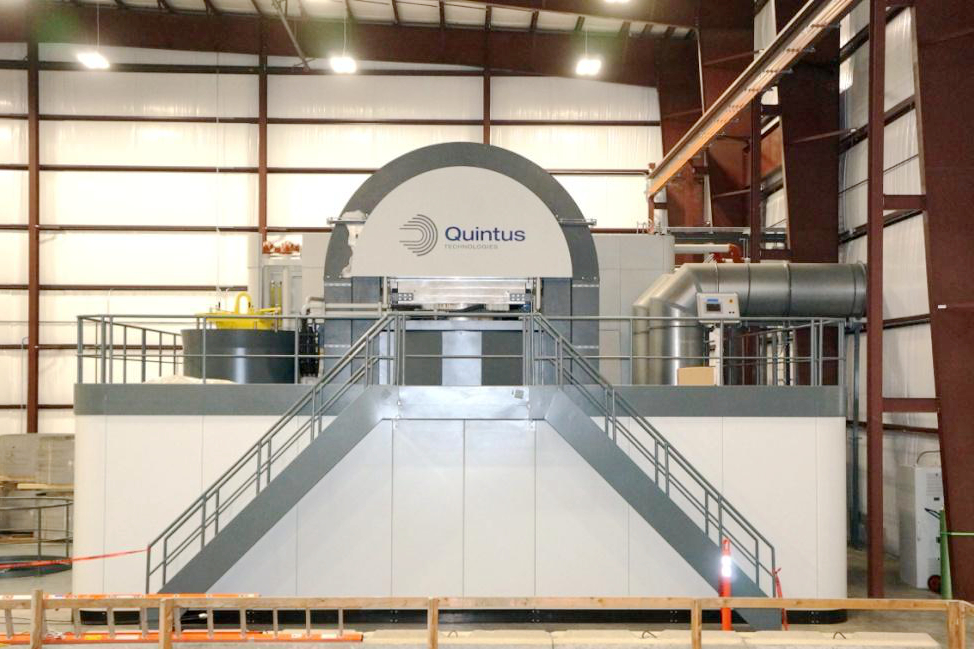
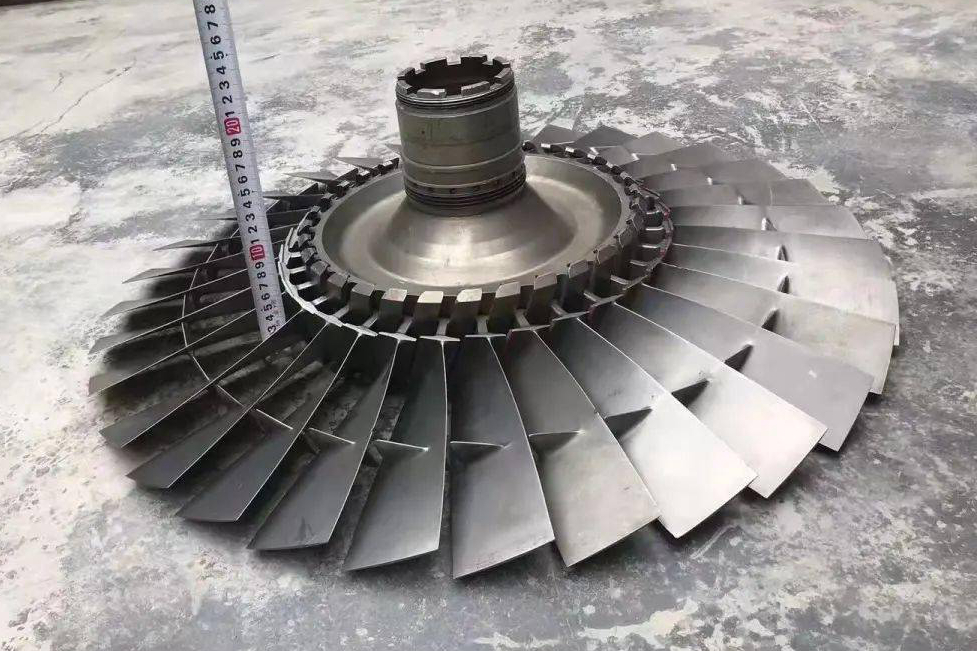
Downhole drilling components are subjected to severe cyclic loading and thermal gradients, which can lead to premature failure if internal porosity or microcracks are present. The hot isostatic pressing (HIP) process subjects cast or additively manufactured superalloy parts to high temperature and isostatic gas pressure, eliminating internal voids and achieving near-theoretical density. When applied to components produced via vacuum investment casting or powder metallurgy turbine disc routes, HIP ensures a homogeneous microstructure with improved mechanical stability and fatigue resistance.
This densification significantly enhances the integrity of housings, mandrels, and stators used in measurement-while-drilling (MWD) or rotary steerable assemblies that must endure vibration and torsion for extended service intervals.
Improved Fatigue Strength and Crack Resistance
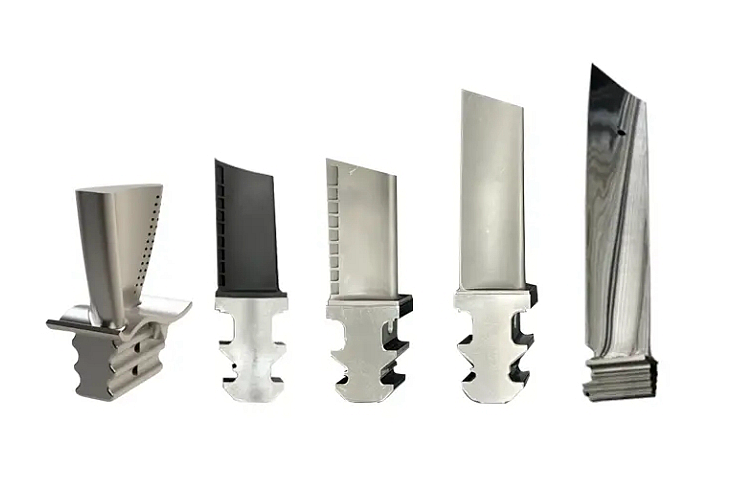
In oil and gas drilling, repeated bending and rotational stresses can initiate subsurface defects that propagate into cracks. HIP processing improves the fatigue life of superalloy precision forgings and equiaxed crystal castings by closing internal shrinkage cavities and refining grain boundaries. For alloys such as Inconel 718, Hastelloy C-22, and Rene 77, HIP significantly improves low-cycle fatigue behavior, which is essential for deep-well drilling components exposed to variable loads.
Additionally, pairing HIP with subsequent heat treatment further stabilizes the gamma-prime strengthening phase, improving creep resistance under prolonged high-temperature exposure.
Enhanced Corrosion and Erosion Resistance
Downhole environments contain corrosive media, including H₂S, CO₂, and brines. When combined with thermal barrier coatings (TBC) or advanced superalloy welding, HIP-treated parts exhibit superior corrosion resistance and surface cohesion. The elimination of porosity prevents fluid ingress and localized pitting, increasing the service life of superalloy CNC-machined components used in high-pressure downhole tools.
For high-temperature and corrosive applications, HIP complements advanced materials such as Stellite 6 or Monel K500, ensuring their full strength potential is realized after casting or additive manufacturing.
Reliability in Oilfield and Energy Applications
HIP treatment is a standard quality enhancement in critical industries, including oil and gas, energy, and mining. By ensuring microstructural uniformity and high fatigue life, HIP extends tool reliability and minimizes the risk of catastrophic failure. This directly reduces maintenance downtime, replacement costs, and overall drilling risk—factors that are vital in deep-well and high-pressure applications.
When integrated with superalloy post-process systems and precision inspection, HIP becomes a cornerstone of producing mission-critical superalloy components for demanding downhole service.