Isothermal Forging Tooling Review for Superalloy Turbine Blanks
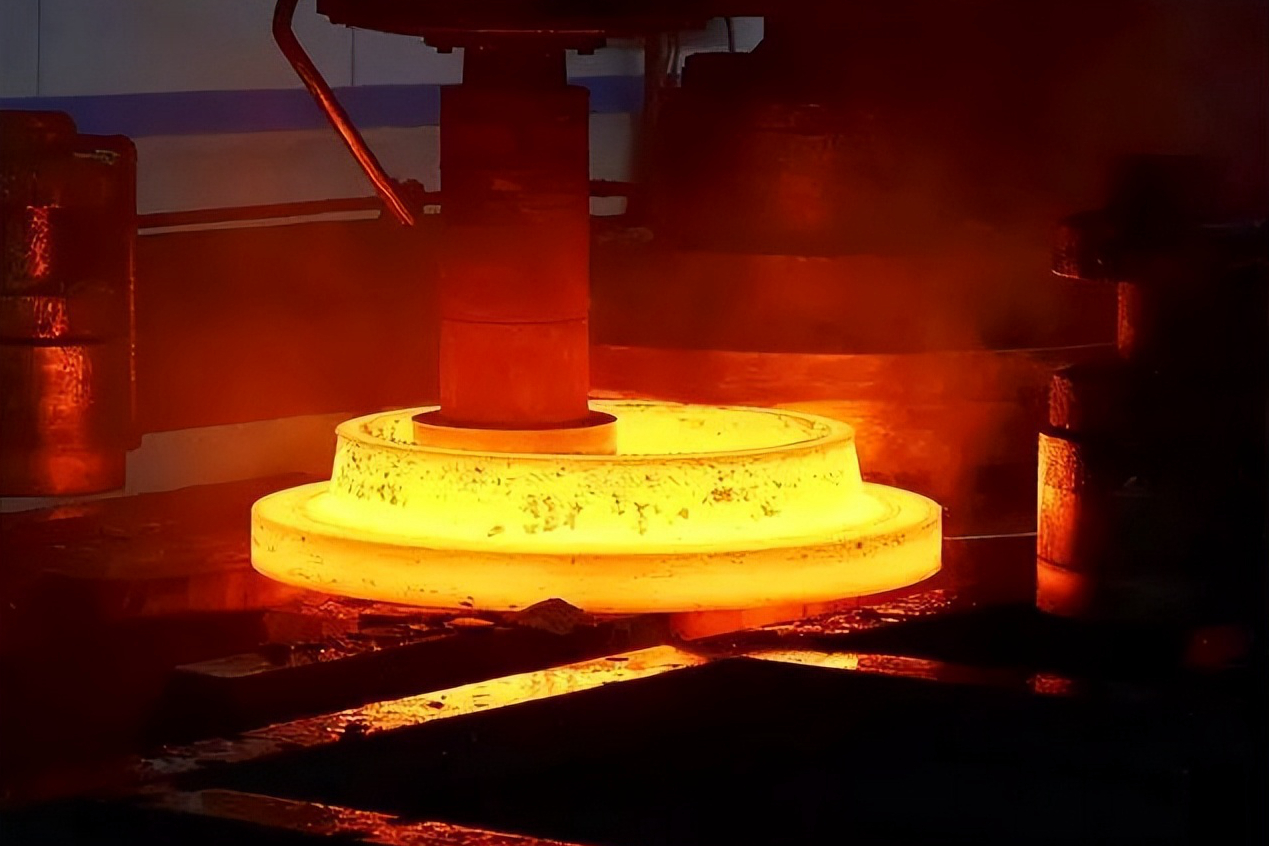
Isothermal forging tooling RFQs for superalloy turbine blanks should separate tooling responsibility from forged part supply before price is requested. Buyers need to define whether they want tooling design review, die manufacture, preform development, trial forging, finished forged blanks, or machined forgings. Those scopes carry different risks for material usage, grain-flow assumptions, machining stock, heat treatment, inspection evidence, and first-article approval.
NewayAeroTech can review superalloy precision forging projects for high-temperature turbine blanks when buyers provide drawings, preform concepts, alloy grades, quantity, delivery condition, and inspection requirements. Isothermal forging may be considered when a superalloy blank needs controlled deformation and a route review that justifies the extra tooling discussion. It is not a generic answer for every high-temperature alloy part.
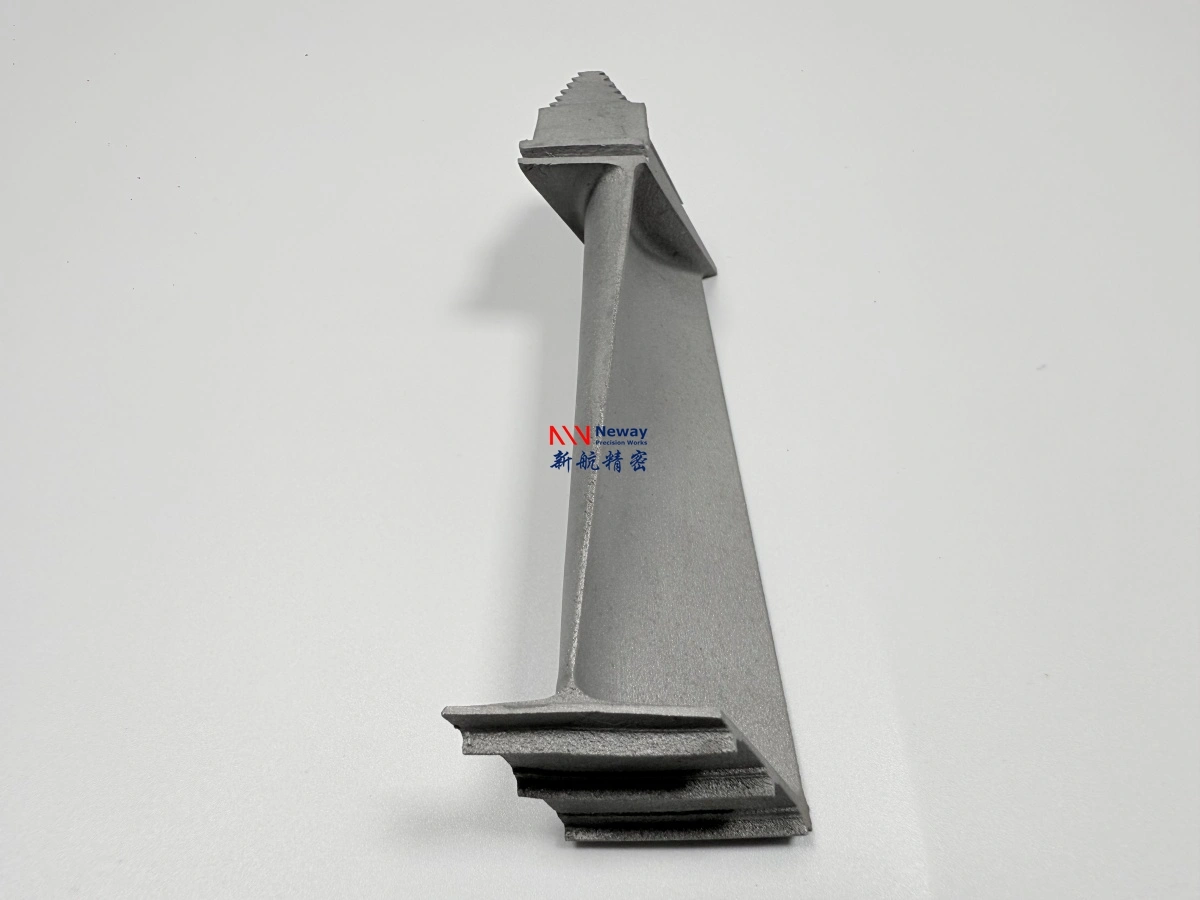
Tooling Scope Must Be Separated From Forged Blank Supply
For this RFQ, buyers should first state who owns the tooling decision. A tooling-only request may ask for die design, die manufacture, thermal control review, or trial plan. A forged blank request asks the supplier to deliver parts. A complete route request may include tooling, forging, heat treatment, machining, inspection, and first-article records. If these boundaries are mixed, the quote may look complete while leaving ownership unclear.
The supplier should know whether tooling is dedicated to one part, shared across a blank family, or still under concept review. It should also know who approves changes to preform geometry. If the buyer controls final geometry but allows preform optimization, state that. If the preform is fixed by the buyer, send the preform model and tolerance. Tooling cost, trial quantity, and rework risk depend on this boundary.
Tooling ownership should also cover storage, maintenance, wear review, and change control after trial parts. Some buyers want the die retained for future repeat orders; others only need a first batch of blanks. These two situations should not be quoted with the same commercial assumptions. The RFQ should say whether the supplier may adjust draft, flash land, corner radius, or local stock while protecting the final machining envelope. Without that permission map, the tooling engineer may be forced to protect every surface equally and add excess material where a controlled local change would be more practical.
RFQ scope | Buyer should define | Supplier response should clarify |
|---|---|---|
Tooling review only | Target blank, preform concept, alloy, and tooling responsibility. | Die concept, missing data, thermal or deformation risks. |
Trial forging | Trial quantity, acceptance evidence, and whether trial parts may be destructive tested. | Trial route, inspection plan, and next decision point. |
Forged blank supply | Blank envelope, stock allowance, heat treatment, and delivery condition. | Forging route, record package, and machining boundary. |
Finished machined forging | Final drawing, datum scheme, tolerances, and inspection reports. | Full responsibility from forging through CNC and CMM release. |
When Isothermal Forging Is Worth Quoting for Superalloy Blanks
Isothermal forging is worth discussing when the superalloy blank has enough value, material difficulty, or geometry requirement to justify tooling and process control. A simple bar-like part may be better machined from wrought stock. A thin complex airfoil may belong in casting. A high-load ring, disc-adjacent blank, structural turbine preform, or difficult nickel alloy blank may justify a forging route when the drawing and quantity support it.
Buyers should explain why this route is being considered: grain-flow expectations, material usage, strength requirement, near-net shape, or repeat production need. If the quantity is very small and the blank is simple, tooling cost may dominate. If the blank is complex and the machining waste from stock is high, forging may reduce downstream machining. The supplier should be allowed to compare forging with casting, machining, or other routes when the buyer has not fixed the process.
The decision also depends on whether the buyer needs a repeatable blank family or a one-off development piece. Isothermal forging can be useful when the same envelope will support several engineering iterations, but the first quotation should still identify trial risk, destructive evaluation need, and any expected die correction after the first heat. A quote that includes no allowance for trial learning may look attractive but can become difficult to manage when the first blank shows local underfill, excessive flash, or stock distribution that does not support final machining.
Part condition | Isothermal forging may fit when | RFQ concern |
|---|---|---|
Ring or disc-adjacent blank | Near-net wrought structure and controlled envelope are important. | Tooling cost, forging reduction, heat treatment, and inspection records. |
High-temperature structural blank | Machining from stock wastes too much material or misses grain-flow intent. | Preform design, machining stock, and datum planning. |
Simple prototype | Usually only if route validation is more important than piece cost. | Trial tooling boundary and first-article evidence. |
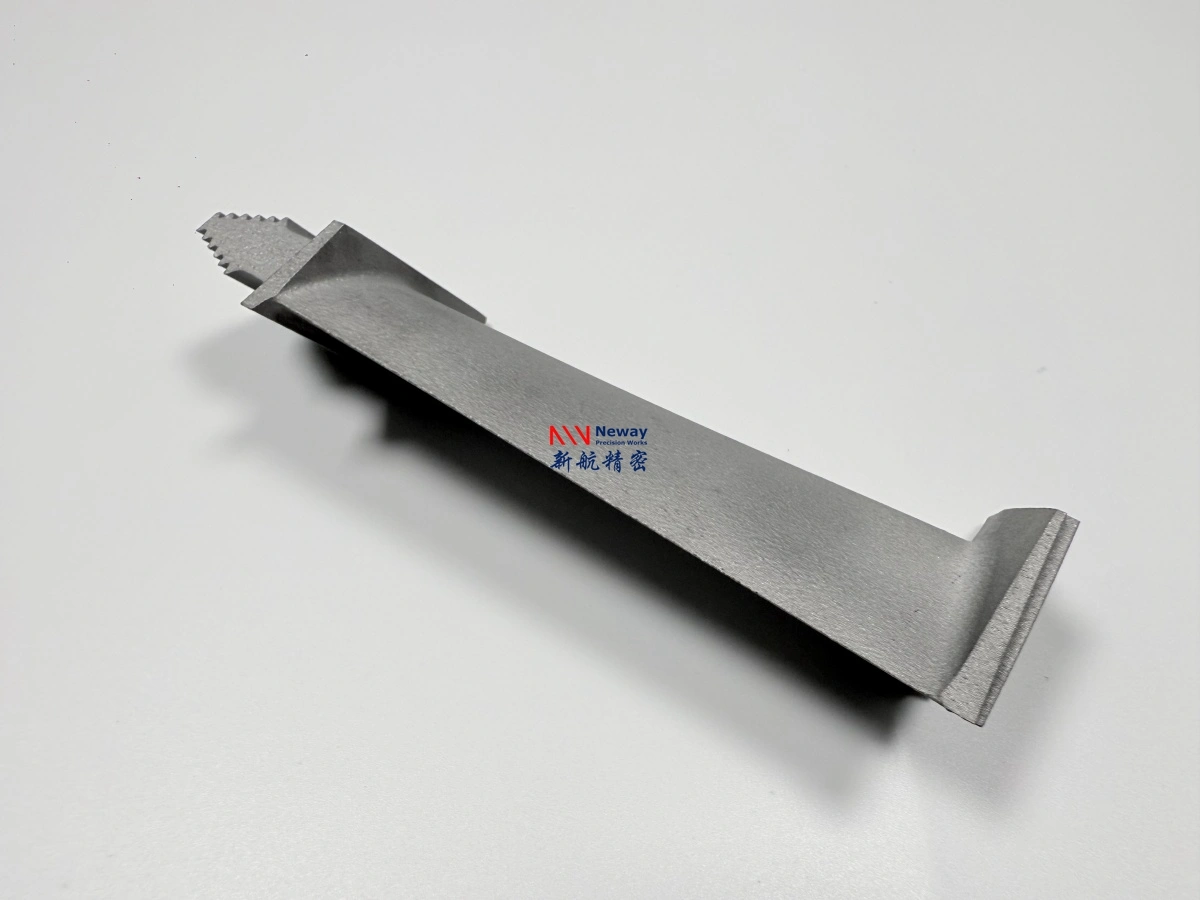
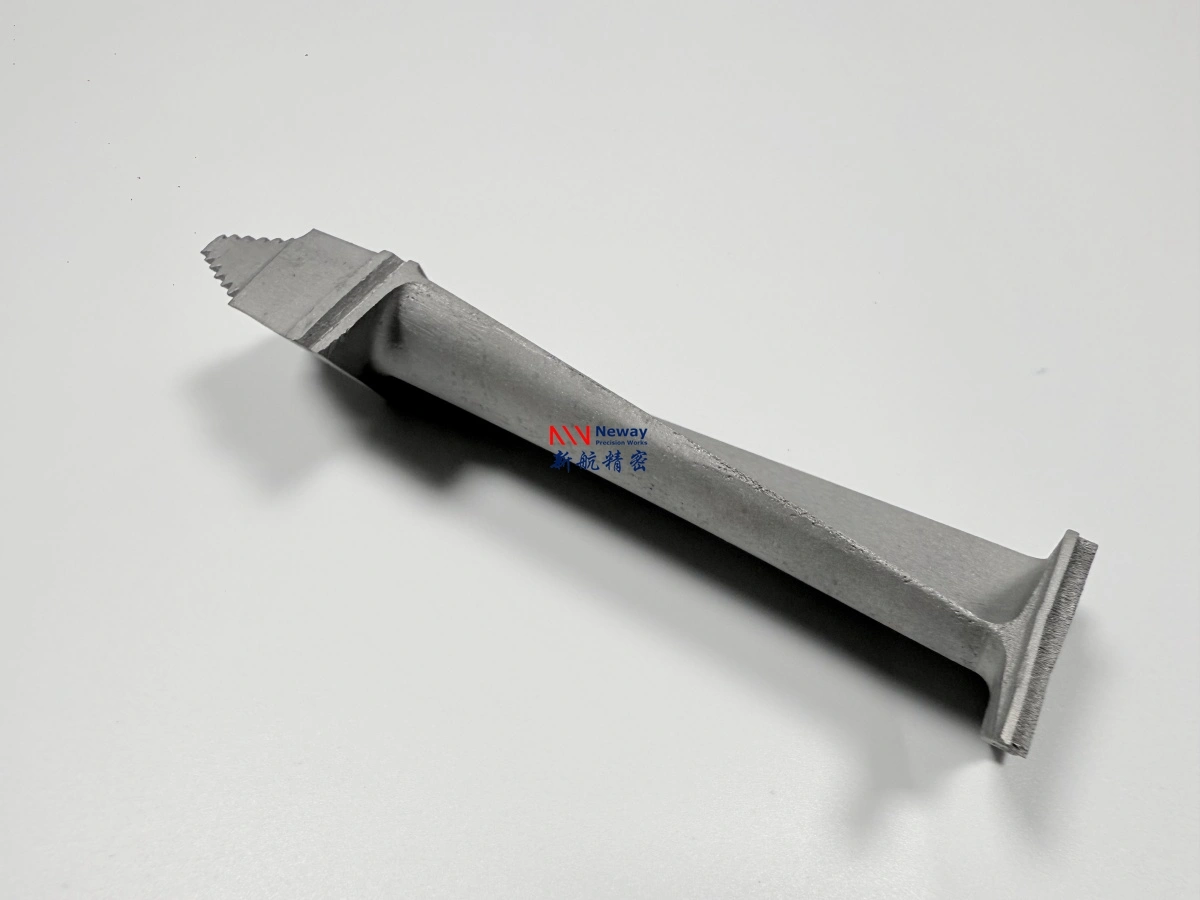
Thin internal geometry | Often not the right process. | Investment casting or additive route may need comparison. |
Die, Preform, and Machining Allowance Information Buyers Should Provide
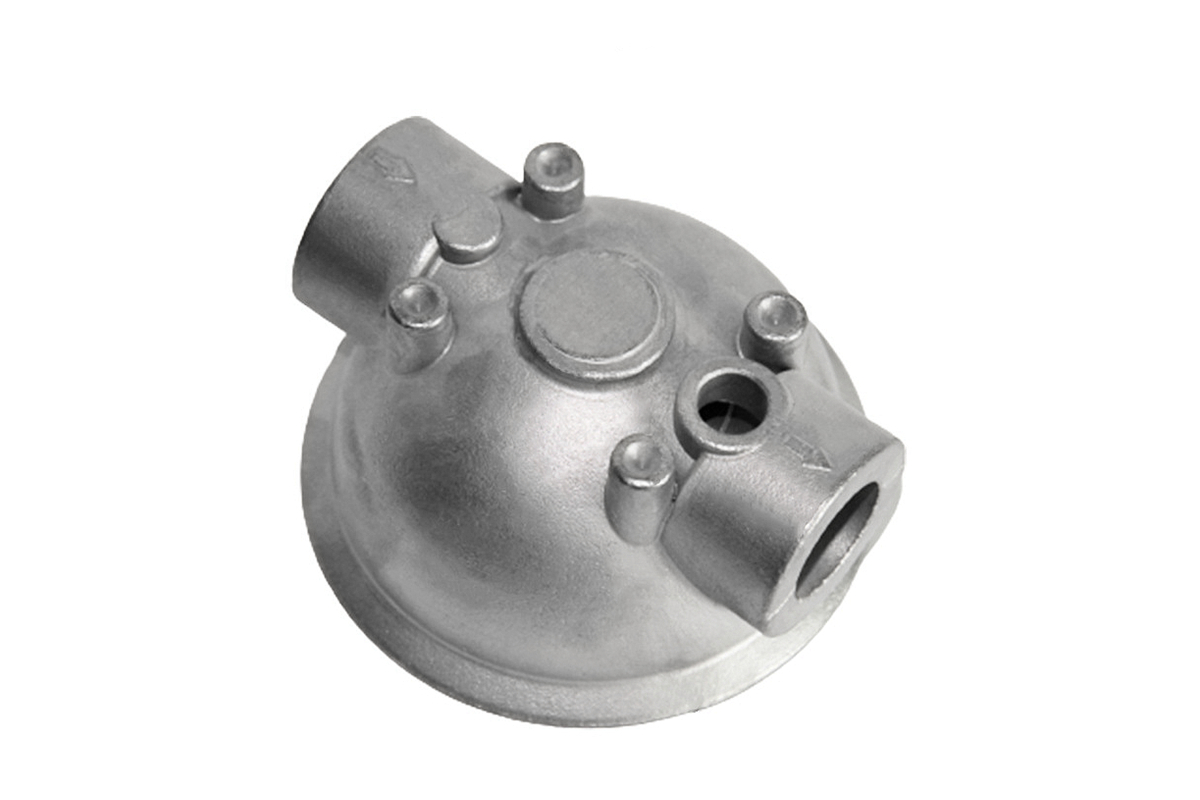
The forged blank is not the same as the finished component. Buyers should provide the final drawing, any preform model, target stock allowance, critical surfaces, grain-flow expectation if specified, material grade, and heat-treatment condition. The supplier needs enough information to judge whether the die and preform can create a blank that cleans up during machining without adding unnecessary material.
Machining allowance should be defined by feature. A bore, face, seal land, flange, attachment region, and nonfunctional outside surface may not need the same stock. If NewayAeroTech is also quoting superalloy CNC machining, the RFQ should include datum scheme, final tolerances, surface finish, and CMM reporting needs. If the buyer will machine the forged blank elsewhere, the delivery envelope and stock responsibility should still be clear.
The tooling review should also identify whether dimensional movement after forging and heat treatment is expected to affect stock planning. That question is best handled before die approval, not after the first forged blank fails to clean up. Buyers should ask for a route response that separates die risk, preform risk, and machining risk.
Heat Treatment and Inspection Evidence After Forged Blank Supply
Forged superalloy blanks often need heat treatment, hardness checks, dimensional inspection, material records, and sometimes ultrasonic or other inspection depending on the requirement. The buyer should state whether heat treatment is included with forging or performed later. If superalloy heat treatment is included, the quotation should show the required condition, report format, and inspection after treatment.
Inspection evidence should match the delivery condition. A rough forged blank may need material traceability, envelope dimensions, and heat-treatment records. A near-net preform may need more detailed dimensional checks. A machined forging may need CMM, surface inspection, and final report package. If the buyer needs material testing, include the exact record requirement rather than a generic quality note.
Buyers should decide which evidence is needed before production release. Typical packages may include incoming material certificate review, forging batch traceability, heat-treatment chart retention, hardness or mechanical test records when specified, dimensional layout against the blank drawing, and non-destructive inspection if required by the purchasing specification. The quote should identify which checks are included as standard work and which require a separate test coupon, third-party laboratory, or additional hold point. This prevents late additions from changing both cost and schedule after tooling has already been approved.
Delivery condition | Records to define | Buyer decision after review |
|---|---|---|
Rough forged blank | Material record, heat treatment, envelope dimensions, and stock notes. | Release to buyer machining or request stock review. |
Near-net preform | Feature stock, transition zones, and inspection of controlled regions. | Approve preform route or revise tooling. |
Machined forging | CMM report, surface finish, heat-treatment records, and material testing if required. | Accept finished component or define nonconforming features. |
Trial forging | Dimensional, metallurgical, and process notes agreed before trial. | Move to batch tooling, revise route, or repeat trial. |
RFQ Checklist for Isothermal Forging Tooling Service
A complete tooling RFQ should include the finished component drawing, preform model if available, alloy grade, quantity, expected production life, delivery condition, heat-treatment requirement, machining surfaces, inspection requirements, and whether tooling cost should be separated from part cost. If the buyer already has tooling, include tooling condition and whether modification is permitted. If tooling is new, define who owns tooling design approval.
NewayAeroTech can review forging projects for custom turbine blanks when the buyer provides clear process boundaries. The strongest quotation will separate tooling, trial, forged blank, heat treatment, CNC machining, and inspection. This lets the buyer compare suppliers by engineering responsibility, not only by a single price.
For replacement or maintenance-driven turbine hardware, the buyer should also define whether the forged blank will be made from an approved drawing, a buyer-controlled reverse engineering package, or a sample used only for reference. A worn sample is not reliable final geometry for die approval. If a sample is supplied, the RFQ should state which surfaces are service-worn, which dimensions are controlled by the buyer, and which final requirements still require engineering confirmation before tooling release.
RFQ item | Information to send | Quote decision it supports |
|---|---|---|
Finished part and preform | 2D drawing, 3D model, preform concept, critical surfaces, and stock target. | Die design, material usage, and cleanup feasibility. |
Material and quantity | Superalloy grade, heat-treatment condition, trial quantity, and batch quantity. | Route feasibility and tooling value decision. |
Tooling responsibility | Tooling design, manufacture, ownership, modification, and approval boundary. | Commercial and technical scope separation. |
Inspection package | Material records, dimensional checks, CMM, hardness, metallography, or other tests. | First-article release and batch confidence. |
Send the final drawing, preform model, alloy grade, quantity, tooling scope, heat-treatment requirement, machining allowance, and inspection records. NewayAeroTech can review whether isothermal forging tooling and forged blank supply fit the superalloy turbine blank RFQ.
Related FAQs
When should buyers choose forging instead of casting for turbine?
What drawings are needed for custom forged turbine component RFQs?
Which inspections are needed for precision forged superalloy parts?
What quality control tests are essential for ensuring the integrity of rough forged components?
How does CNC machining enhance the performance of rough forged parts?
What post-processes are typically applied to superalloy free forged parts?