Inconel 625 Investment Casting Quote Boundary for Corrosion-Resistant Hot Parts
An Inconel 625 investment casting RFQ should define where corrosion resistance, heat exposure, casting geometry, machining, and inspection responsibility begin and end. Buyers often ask for a price by alloy grade, but the supplier needs to know whether the part is a hot exhaust component, corrosion-resistant fitting, shield, bracket, duct detail, valve-related part, or small-batch replacement hardware. The same alloy can create different casting and finishing risks.
NewayAeroTech can review Inconel alloy vacuum investment casting projects when buyers provide drawings, alloy requirement, operating environment, quantity, delivery condition, and inspection records. For Inconel 625, the quotation boundary should show whether the supplier is delivering a rough casting, a semi-machined hot part, or a finished component with release evidence.
Define Corrosion and Heat Exposure Before Inconel 625 Quotation
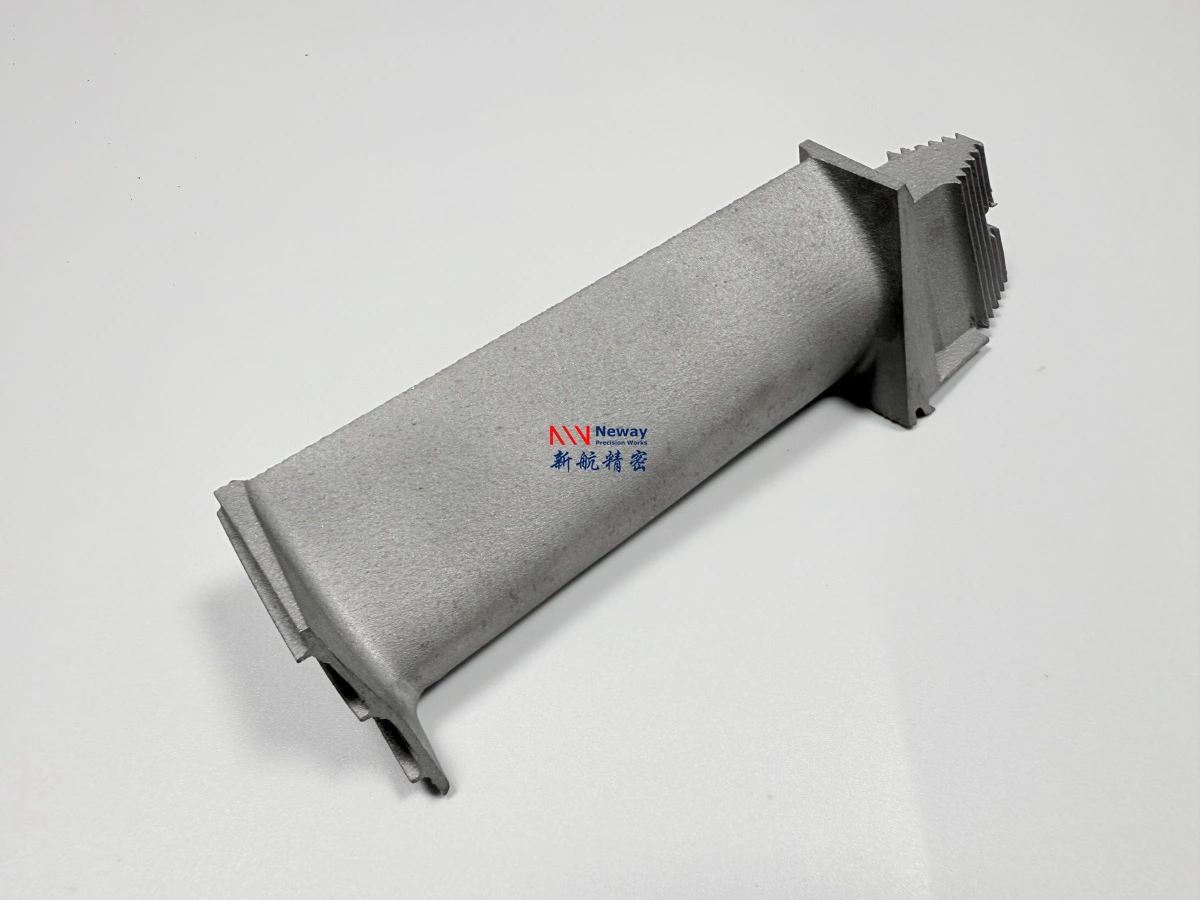
For this RFQ, buyers should explain why Inconel 625 is required. The part may face hot gas, seawater, chemical condensate, oxidation, chloride exposure, or a mixed corrosion and heat environment. The supplier does not need proprietary operating data, but it does need enough service context to understand which surfaces are wetted, heated, sealed, coated, or machined after casting.
If Inconel 625 is fixed by drawing, send the material specification and any chemistry or mechanical record requirement. If the buyer is still comparing Inconel 625 with another nickel alloy, say that clearly. NewayAeroTech can review manufacturability and inspection implications, but material approval and substitution limits should remain buyer-controlled.
Exposure information | Why it affects quotation | Buyer input to provide |
|---|---|---|
Corrosion medium | Defines wetted surfaces, cleaning needs, and material record importance. | Medium type, concentration if available, wet/dry zones, and affected faces. |
Heat exposure | Changes distortion risk, oxidation concern, and post-process sequence. | Temperature range, cycling note, and hot-face map. |
Coating or surface treatment | May require preparation rather than final polish. | Coating-ready surfaces, masking areas, and buyer-side coating responsibility. |
Assembly interface | Separates functional faces from noncritical envelope stock. | Seal faces, bolt faces, flow-path surfaces, and datum scheme. |
Exposure information also helps decide whether the quotation needs only casting and cleanup or a fuller package with heat treatment, machining, surface finishing, and testing. A rough casting price may be misleading if the buyer expects a corrosion-service surface that requires controlled finishing and inspection.
Component Geometries That Fit Investment Casting
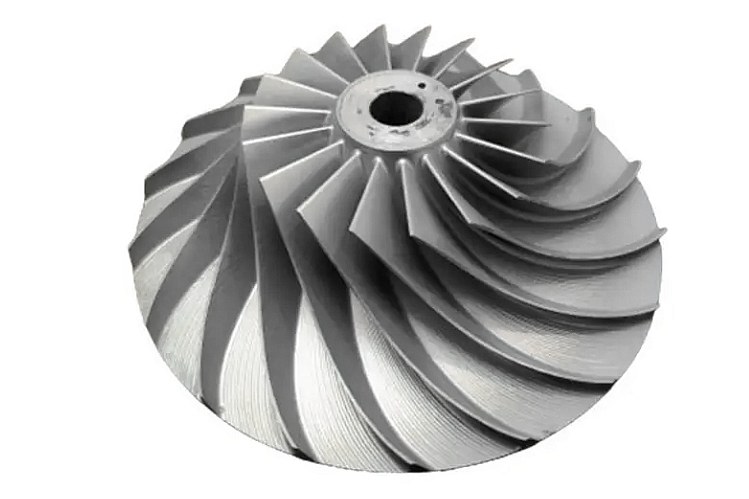
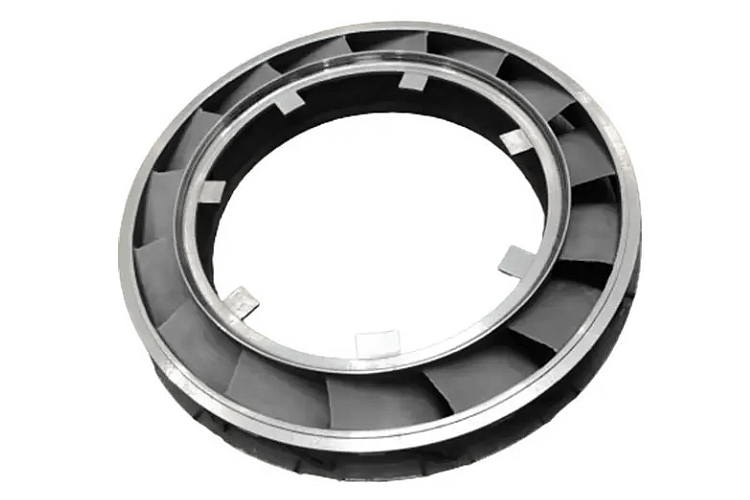
Investment casting is useful when the component has curved surfaces, bosses, brackets, thin features, internal pockets, or near-net geometry that would waste too much material from bar stock. Inconel 625 hot parts can include small duct details, exhaust hardware, pump or valve components, support brackets, shields, and corrosion-resistant fittings. The RFQ should show why casting is being requested and whether machining from wrought stock is still an option.
The supplier needs a 2D drawing, STEP model, wall thickness, smallest feature size, casting tolerance requirement, and machined-surface map. If the part has internal geometry, the buyer should identify whether the feature is cast, machined later, or only shown for assembly context. If the geometry is too simple for casting, NewayAeroTech may recommend a machined route instead of quoting unnecessary tooling.
Wall thickness deserves early attention because corrosion-resistant hot parts often combine thin webs with thick bosses, flanges, or lugs. That combination can create feeding, shrinkage, distortion, and cleanup questions. The RFQ should identify minimum wall, heavy sections, abrupt transitions, and surfaces where local stock cannot be increased. If the buyer can accept local geometry changes for casting feasibility, that permission should be stated before tooling is discussed.
Small-batch Inconel 625 parts should also include a tooling expectation. Some buyers need one prototype casting to review geometry; others expect repeat supply after first-article approval. Tooling design, inspection effort, and cost allocation change between these cases. If the order is only for a prototype, the buyer should say whether the supplier should optimize for speed of learning or for repeatable production tooling.
Geometry type | Investment casting fit | RFQ clarification |
|---|---|---|
Complex bracket or shield | Good fit when bosses, curves, and pockets reduce machining waste. | Mark final machined faces and nonfunctional as-cast surfaces. |
Thin-wall hot part | Possible fit when wall tolerance and distortion are reviewed early. | Provide minimum wall, datum, and inspection method. |
Simple ring, sleeve, or block | May be better as wrought or forged stock plus machining. | Ask for route comparison before tooling approval. |
Small-batch replacement part | Fit depends on tooling cost, sample quality, and first-article plan. | Send drawing source, sample condition, and repeat quantity expectation. |
Machining Allowance and Surface Finish for Inconel 625 Hot Parts
Machining allowance should be assigned feature by feature. A seal land, bolt face, weld-prep edge, flow surface, and outer envelope do not need the same stock. Inconel 625 can be demanding to machine, so excess stock adds cost while too little stock can prevent cleanup after casting. The RFQ should identify which surfaces must finish to drawing and which can remain as-cast or locally blended.
If NewayAeroTech is quoting superalloy CNC machining, the buyer should include final tolerances, surface finish callouts, datum scheme, and report expectations. If the buyer will machine the casting elsewhere, the delivery envelope and stock responsibility should still be written into the quote. This prevents a rough casting from arriving with ambiguous cleanup responsibility.
Surface finish should also reflect corrosion and heat service. A wetted surface, hot face, coating-preparation surface, and cosmetic exterior may need different finish instructions. The buyer should identify surfaces where machining marks, casting indications, edge breaks, or cleaning residue are acceptance concerns. If the part will be welded or coated later, the finishing requirement should support that next operation.
If welding or assembly follows casting, the RFQ should mark weld-prep edges, gasket faces, and areas that must remain free of heavy blending. A supplier may otherwise treat those surfaces as ordinary cleanup zones. For corrosion-resistant service, edge condition and surface contamination can be as important as nominal dimensions. Buyers should state whether final cleaning, packaging, or protected shipment is included in the quoted scope.
Machining sequence can also affect release. A casting may need chemistry or FPI review before machining, then CMM after final cutting. If the buyer wants chemistry approval before any stock is removed, that hold point should be written into the RFQ. If machining can proceed while material records are being completed, that should also be clear. The supplier cannot schedule the work intelligently without knowing which evidence blocks the next operation.
Inspection Evidence for Inconel 625 Casting Release
Inspection evidence for Inconel 625 castings should match the delivery condition. A rough casting may need material traceability, chemical verification, visual review, dimensional envelope check, and FPI or X-ray where specified. A finished hot part may need CMM, surface finish measurement, final dimensional report, and release records tied to the drawing revision. The buyer should name the required records before price is finalized.
NewayAeroTech can support material testing and analysis when the buyer defines acceptance requirements. For corrosion-resistant hot parts, the inspection plan should identify critical zones: wetted surfaces, seal faces, thin walls, flow edges, mounting holes, and areas that will be welded or coated. Noncritical exterior cleanup should not receive the same inspection burden unless the drawing requires it.
Inspection record | Use in release | RFQ instruction |
|---|---|---|
Chemistry or material record | Confirms Inconel 625 material requirement and lot traceability. | State specification revision and whether report is by lot or part. |
FPI or surface review | Checks surface indications after casting cleanup or machining. | Define inspected zones and acceptance reference. |
X-ray or internal review | Supports casting defect review where geometry or risk requires it. | State feature areas, sample plan, and report format. |
Dimensional report | Verifies machined faces, datums, and critical interfaces. | Provide feature list and inspection stage. |
RFQ Checklist for Inconel 625 Investment Casting Suppliers
A complete RFQ should include the drawing, 3D model, Inconel 625 material requirement, corrosion and heat exposure notes, quantity, delivery condition, casting tolerance, machining allowance, surface finish requirements, inspection records, and first-article expectations. If the part is based on a sample, identify worn areas and features that require buyer approval before tooling release.
The quotation should separate tooling, casting, heat treatment if required, rough cleanup, CNC machining, surface finishing, inspection, and documentation. Buyers can then compare suppliers by included work and evidence. A low casting price is not useful if it excludes the machining or inspection that makes the part acceptable for corrosion-resistant hot service.
When a legacy or used sample is supplied, the buyer should state whether the sample is only a physical reference or whether it controls final geometry. Corrosion loss, thermal distortion, and previous repair can change surfaces that should not be copied. NewayAeroTech can review sample condition and manufacturing feasibility, but the buyer should approve the final drawing before tooling, casting, or CNC machining proceeds.
The RFQ should also define what releases the first part. A first-article package may include dimensional report, material record, FPI, X-ray, surface finish, and notes on machining cleanup. If repeat parts will follow, the buyer should state which records repeat for every lot and which records are only needed for the first article. That helps avoid changing the acceptance package after the initial quote.
Send the environment, drawing, alloy specification, machined surface map, quantity, delivery condition, and acceptance standard. NewayAeroTech can review whether Inconel 625 investment casting, CNC machining, and inspection support fit the corrosion-resistant hot-part RFQ.
Related FAQs
What is chemical verification and why is it essential in superalloy manufacturing?
What are the most common defects in superalloy castings and how are they detected?
How do CNC and traditional machining differ for superalloy castings?
Which testing methods ensure quality of superalloy components?
Electropolishing for aerospace enhancing corrosion resistance and surface integrity