Wind Power Attachments High Strength Material Provision For Renewable Energy Plants
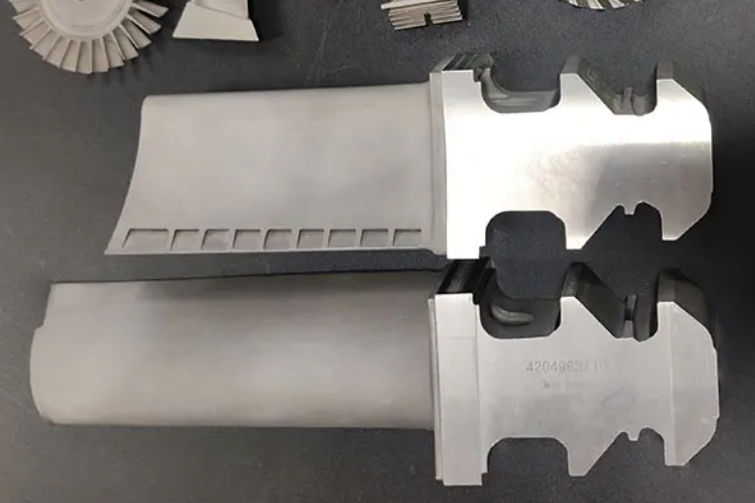
A wind-power attachment RFQ should define the load path, material grade, corrosion environment, machined interfaces, and inspection records before a buyer compares suppliers. Attachment hardware can include pitch-system brackets, nacelle supports, blade-root adjacent fittings, offshore structure connectors, heat-exposed fixtures, sensor mounts, and custom high-strength alloy parts used around renewable-energy plants. NewayAeroTech can review drawing-based alloy components when the buyer supplies geometry, quantity, environmental notes, surface finish, heat treatment requirements, and acceptance criteria.
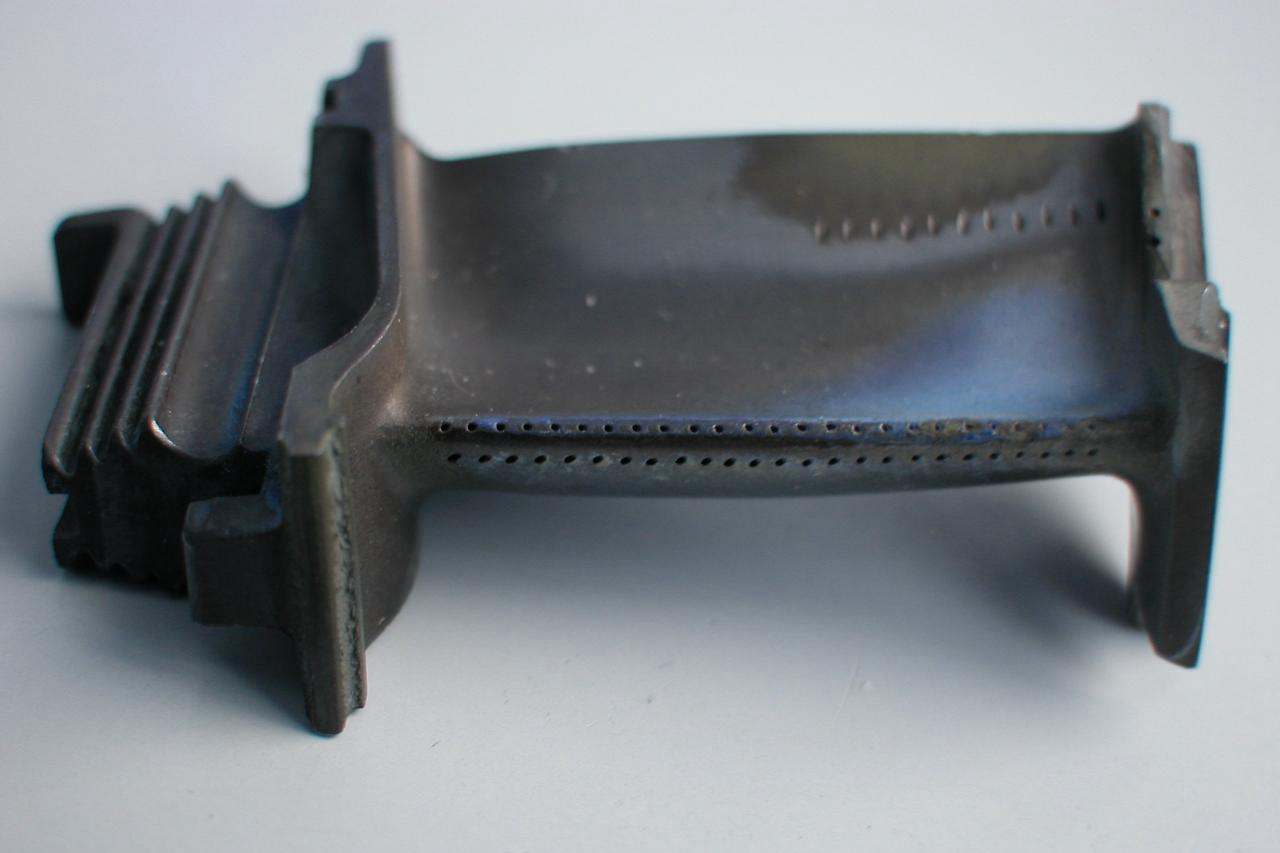
Wind power attachments are not turbine hot-gas components, so the manufacturing decision should not be copied from a blade or vane article. The important risk is usually a combination of cyclic loading, corrosion, large assembly fit, bolt-hole alignment, and local contact stress. For offshore or harsh-environment projects, the RFQ also needs coating, cleaning, and material evidence. A useful supplier response should show whether the part is forged, machined, cast, printed for prototype review, or produced through a combined route.
Identify the Attachment Function and Load Path
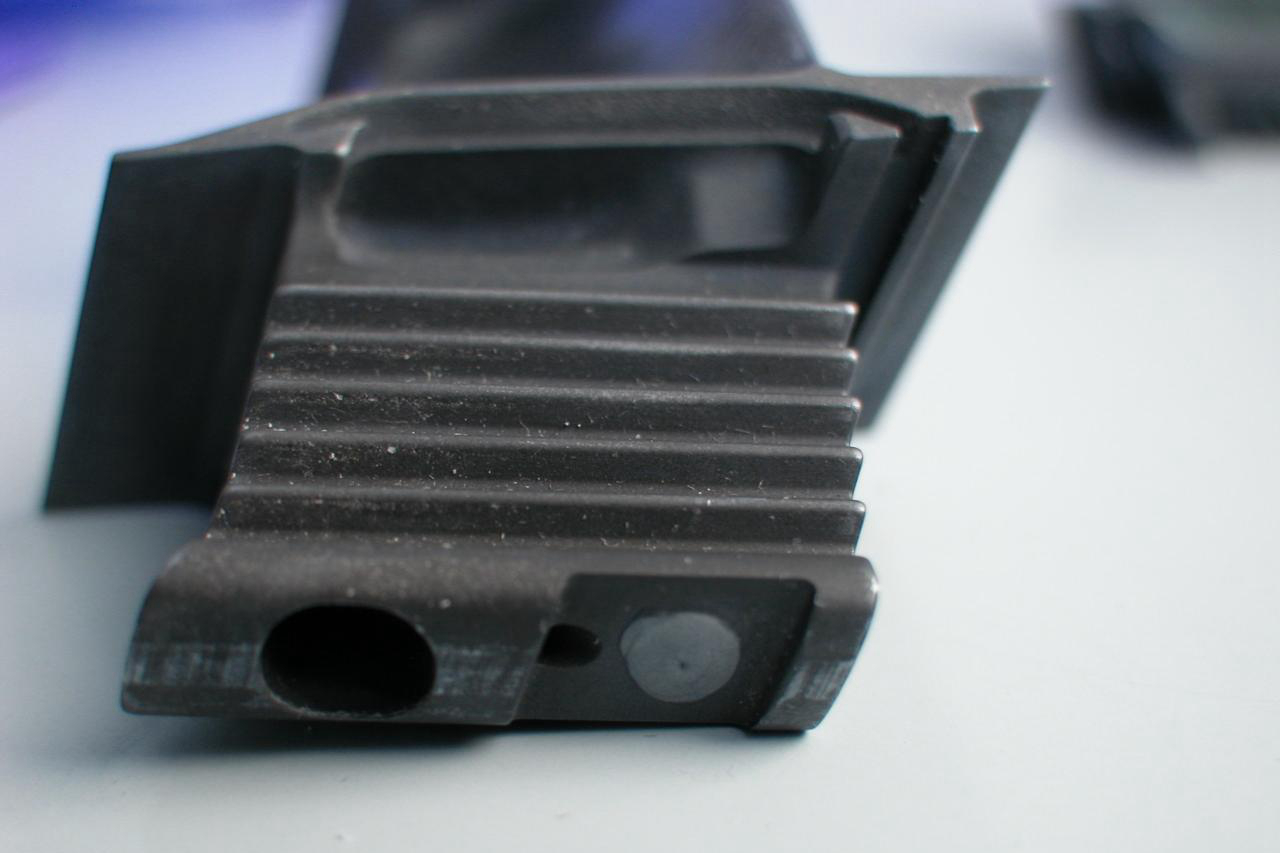
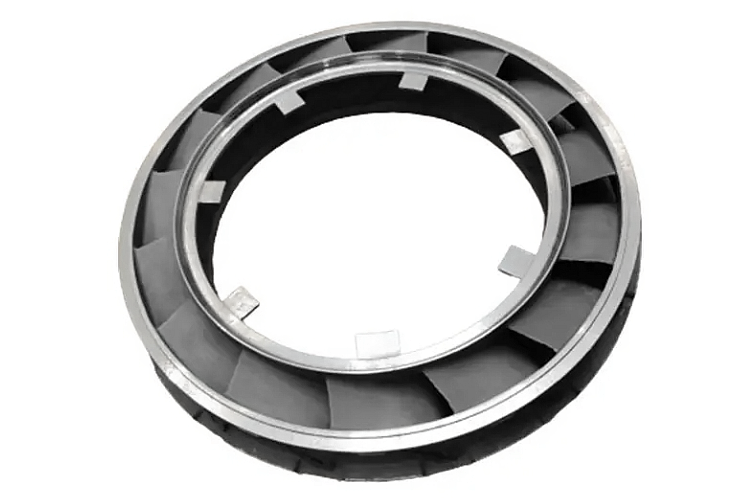
The supplier cannot quote a wind-power attachment accurately until the component function is clear. A bracket that carries nacelle equipment needs a different route from a blade-root adjacent fitting, a tower-interface spacer, or a heat-exchanger fixture used in renewable-energy plant equipment. Load direction, bolt pattern, mating surface, vibration exposure, and corrosion environment all affect material selection and machining sequence. The drawing should mark critical holes, slots, dowel locations, contact faces, and any surfaces that cannot be blended after manufacturing.
If the buyer provides a sample part, NewayAeroTech should review whether the sample represents design intent or service wear. Offshore components can show corrosion, fretting, coating loss, and bolt-hole elongation. Those marks should be documented as condition evidence, while the buyer approves final geometry from a drawing or revised model. That boundary prevents a supplier from copying damage into a new custom component.
Attachment type | Main RFQ concern | Manufacturing detail to define |
Nacelle or support bracket | High-strength load path, bolt alignment, vibration exposure | Material grade, forging or machining route, datum plan, and CMM report. |
Blade-root adjacent fitting | Contact face, hole pattern, fatigue-sensitive geometry | Surface finish, radius control, heat treatment, and fatigue-related inspection. |
Offshore connector or spacer | Corrosion, coating condition, assembly fit | Corrosion-resistant alloy, coating-prep scope, fastener interface, and dimensional evidence. |
Plant fixture or custom mount | Repeat handling, thermal cycle, replacement frequency | Prototype or batch route, wear surface, and acceptance method. |
Select High-Strength Material Around Corrosion and Fatigue Risk
Material selection for wind-power attachments should not stop at tensile strength. Buyers should define whether the component is exposed to salt spray, moisture, temperature cycling, lubrication, galvanic contact, or repeated vibration. Inconel 718, Inconel 625, titanium alloys, precipitation-hardening stainless steels, and selected nickel-based or cobalt-based alloys may be reviewed depending on the drawing and environment. The supplier should explain manufacturability, heat treatment condition, machining behavior, and corrosion-related surface requirements before quoting.
NewayAeroTech can support high-temperature and corrosion-resistant alloy casting when the part geometry fits near-net manufacturing, but many wind attachments are better reviewed as forged or machined components. If the buyer has an approved material list, include it in the RFQ. If the material is open, request a candidate-grade review for customer approval rather than accepting a generic high-strength alloy description.
Material decision | When it becomes important | RFQ input needed |
Nickel alloy such as Inconel 718 | Strength, corrosion review, heat treatment, and machining stability are combined concerns | Grade, condition, heat treatment, surface finish, and testing records. |
Inconel 625 or corrosion-resistant nickel alloy | Salt, moisture, process fluid, or crevice-prone contact areas | Exposure description, cleaning method, and surface acceptance. |
Titanium alloy | Weight-sensitive attachment or bracket projects where the drawing permits titanium | Approved grade, machining tolerance, surface condition, and inspection requirement. |
Cobalt-based or wear-resistant alloy | Local wear, fretting, or contact surface risk | Mating material, contact face, finishing method, and post-process scope. |
Route Choice Should Follow Forging, Machining, or Casting Evidence
The manufacturing route should be selected around geometry and loading. Superalloy precision forging may be reviewed for high-strength blanks where grain flow, material utilization, and machining stock are important. Superalloy CNC machining may dominate parts with tight bolt patterns, datum surfaces, pockets, grooves, and fitting interfaces. Vacuum investment casting may fit complex brackets or near-net alloy shapes when the drawing allows cast structure and post-cast inspection.
A route-based quotation should state the blank source, included machining, heat treatment sequence, surface finishing, inspection, and exclusions. If the part is still under development, superalloy 3D printing may help prototype geometry or fixture concepts, but production-intent supply should be reviewed separately. Buyers should ask whether the prototype route can be converted into a repeatable forged, machined, or cast route before releasing a batch.
Heat Treatment and Surface Processing Must Be Linked to Final Machining
Wind-power alloy attachments often need heat treatment, stress relief, coating preparation, passivation, polishing, or surface protection. These steps should be sequenced with machining, not appended after price approval. A high-strength alloy blank may move during heat treatment, so critical faces and holes may need final machining afterward. A corrosion-resistant surface may require cleaning or preparation before coating. NewayAeroTech can review superalloy heat treatment and post-process requirements when the buyer defines the final condition.
Buyers should mark which surfaces are functional: bolt seats, bearing faces, contact pads, threads, slots, and any area exposed to corrosion. If a coating supplier is separate, define whether NewayAeroTech should deliver a machined-only part, a coating-ready part, or a finished part with specified surface preparation. This avoids a gap where machining, coating, and inspection teams assume different surface conditions.
Process step | Attachment feature affected | Quote evidence to request |
Heat treatment or stress relief | High-strength alloy blank, thick bracket, or fatigue-sensitive area | Required condition, sequence before final machining, and record package. |
Final CNC machining | Bolt holes, slots, contact pads, dowel holes, and mounting faces | Datum plan, CMM report, surface finish, and feature tolerance. |
Surface preparation | Corrosion-exposed faces and coated areas | Cleaning, roughness, masking, or passivation scope. |
Prototype verification | New bracket or fit-check hardware | Prototype purpose, dimensions to verify, and production-route conversion plan. |
Inspection Should Address Fatigue, Corrosion, and Assembly Fit
A wind attachment inspection plan should prove more than material identity. Chemical analysis and heat lot traceability confirm the alloy basis. CMM reporting verifies hole position, contact faces, and datum relationships. FPI or DPI can review surface-connected indications where the alloy and process require it. Hardness, tensile testing, fatigue-related testing, or metallography may be requested when specified by the drawing or purchase standard. Surface inspection is especially important for corrosion-prone components because pits, embedded contamination, or coating-prep errors can create later acceptance disputes.
NewayAeroTech can support superalloy material testing and analysis for custom high-strength alloy attachments. The buyer should identify which reports are required for prototype, first article, and repeat batch supply. If the RFQ includes only a drawing and quantity, the supplier may quote a shape; if it includes inspection evidence, the supplier can quote a controlled component.
First-article review should be part of the buying plan when the attachment carries load, corrosion exposure, or difficult machining. The first article should verify hole position, contact-face flatness, surface finish, heat-treatment condition, material documents, and any coating-preparation boundary. If the first article is approved with deviations, the buyer should decide whether those deviations are acceptable for repeat pieces or only for the trial part.
Supplier Fit for Renewable-Energy Attachment Projects
NewayAeroTech is a fit when the project requires custom alloy components based on drawings, sample references, corrosion exposure, and inspection requirements. Suitable projects include high-strength brackets, offshore-style connectors, turbine support fittings, fixtures, small-batch replacement-manufacturing components, and prototype hardware that later needs a repeatable route. The fit is weaker for commodity carbon-steel weldments, catalog wind turbine spare parts, or requests where the buyer cannot provide drawing authority and acceptance criteria.
The buying conversation should make exclusions clear. If the supplier is not responsible for coating, final assembly, design approval, or field installation, those items should be excluded from the quote. If the supplier is responsible for final machining and reporting, those deliverables should be named. That clarity lets renewable-energy buyers compare suppliers by manufacturing responsibility rather than by a vague part name.
RFQ Checklist for Wind-Power Alloy Attachments
Send the 2D drawing, 3D model, material grade or approved material list, quantity, load-path description, environmental exposure, tolerance requirements, surface finish, heat treatment, coating or passivation requirement, inspection standard, and sample photos when available. Mark bolt holes, bearing faces, slots, threads, corrosion-exposed surfaces, and any areas with fatigue-sensitive radii. State whether the quote covers a prototype, first article, small batch, or repeat order.
Ask the supplier to return a route plan, blank source, included operations, post-process scope, inspection deliverables, exclusions, and open engineering questions. NewayAeroTech can review this package and propose a practical manufacturing route for custom high-strength alloy attachments used around renewable-energy plants.
Related FAQs
What are the best superalloys for manufacturing offshore structure units?
How does additive manufacturing contribute to the production of offshore structure units?
What is the importance of heat treatment in offshore structure unit fabrication?
How do quality control methods ensure the reliability of offshore structure units?
What are the main post-processing techniques used for offshore structure units?
How does heat treatment improve resistance to thermal fatigue?
What's the Difference Between Tensile Testing and Fatigue Testing in Superalloys?
For wind-power attachment RFQs, define the load path, environment, alloy requirement, finishing responsibility, and inspection evidence before comparing suppliers. NewayAeroTech can support custom high-strength alloy manufacturing when the project is drawing-based and the buyer controls final application approval.