How does additive manufacturing contribute to the production of offshore structure units?
Introduction to Additive Manufacturing for Offshore Systems
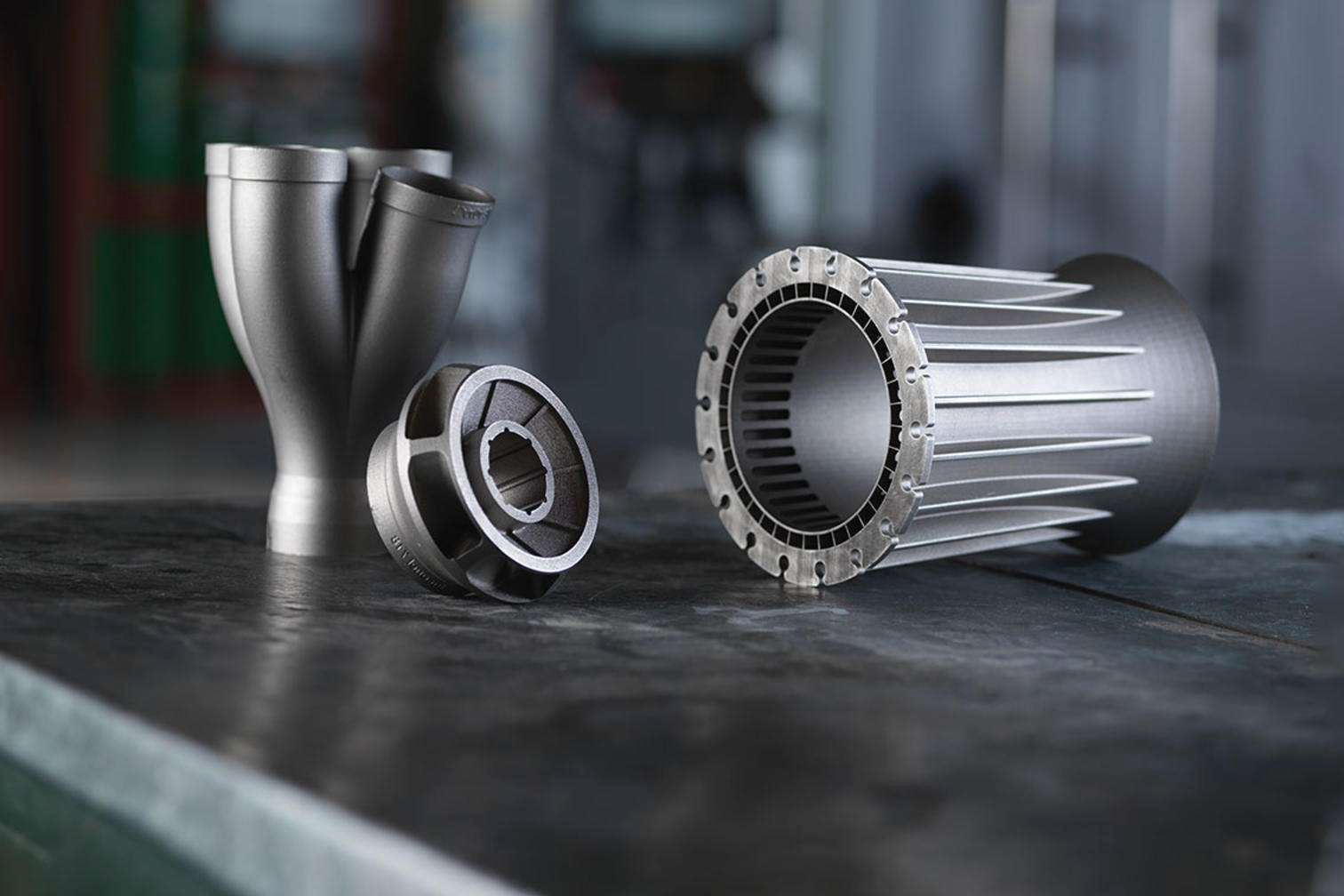
Additive manufacturing (AM), also known as metal 3D printing, is revolutionizing the production of complex offshore structure components. For large-scale marine and subsea applications, where components must endure pressure, salinity, and high temperatures, AM enables the fabrication of superalloy 3D-printed components with intricate geometries and optimized performance. By using powder-bed fusion and direct energy deposition, engineers can design lightweight, corrosion-resistant, and high-strength fittings or structural connectors that would be impossible to machine conventionally.
Design Flexibility and Weight Reduction
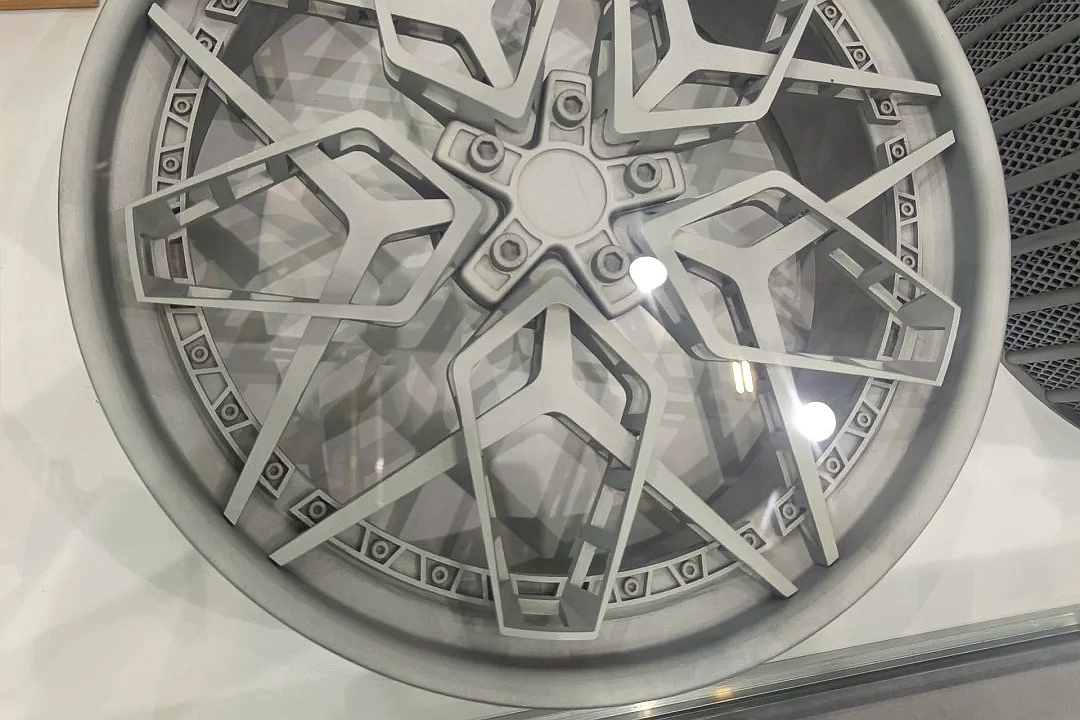
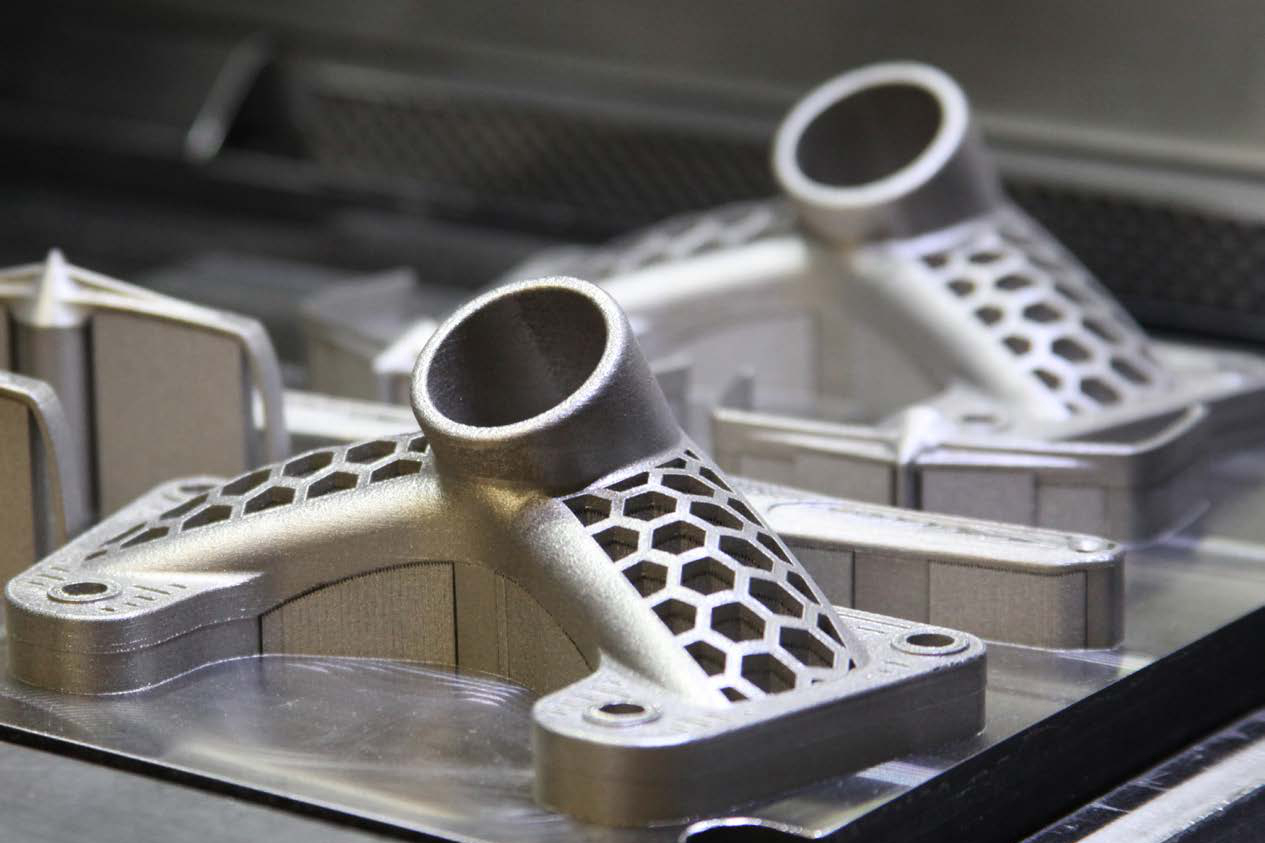
The primary advantage of AM in offshore units lies in the design freedom it offers. Topology optimization and lattice structures allow for weight reduction without compromising mechanical strength. This is critical in subsea frames and riser components where mass reduction improves buoyancy and lowers deployment costs. AM also allows engineers to integrate internal channels for fluid transport, heat dissipation, or pressure equalization within a single printed structure. These features are commonly achieved with aluminum 3D printing and titanium 3D printing for lightweight load-bearing parts.
Material Capabilities and Corrosion Resistance
Offshore components require alloys that can resist seawater, brine, and hydrogen embrittlement. AM supports high-performance materials such as Inconel 625, Hastelloy C-276, and Monel K500, which maintain strength and corrosion resistance in saltwater and acidic conditions. For deeper subsea modules and flow control housings, titanium grades such as Ti-6Al-4V are preferred due to their superior fatigue resistance and non-magnetic properties.
Integration with Post-Processing for Reliability
After printing, components undergo hot isostatic pressing (HIP) to eliminate porosity, followed by a heat treatment to refine the grain structure and enhance mechanical consistency. Finishing operations, such as superalloy CNC machining, ensure dimensional precision, while thermal barrier coatings (TBCs) add protection against oxidation, salt corrosion, and thermal shock. The integration of AM with these advanced post-processes produces parts that meet or exceed the quality of conventionally forged components.
Rapid Prototyping and On-Demand Replacement
In the offshore sector, downtime is costly. AM allows operators to rapidly produce spare fittings, brackets, and housing components directly from digital files, eliminating long lead times for tooling or casting. Through 3D printing service platforms, customized replacements can be produced near the deployment site, supporting maintenance and retrofitting for oil and gas or marine structures. This flexibility shortens repair cycles and reduces supply chain dependency.
Sustainability and Lifecycle Efficiency
Additive manufacturing promotes sustainability by minimizing material waste and energy consumption. Powder recycling in stainless steel 3D printing and superalloy 3D printing supports circular manufacturing models, aligning with the environmental goals of offshore energy companies. The ability to produce lighter, corrosion-resistant parts further enhances operational efficiency and lowers carbon emissions during transport and installation.
In summary, additive manufacturing enhances offshore structure production by enabling the creation of complex, high-strength, and corrosion-resistant components with reduced weight, improved efficiency, and faster deployment—all achieved with precision and sustainability in mind.