What are the main post-processing techniques used for offshore structure units?
Surface Consolidation and Stress Relief
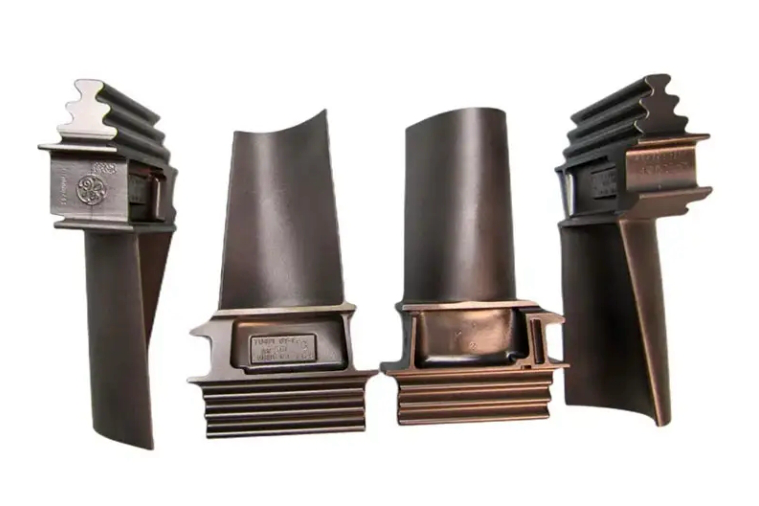
Offshore structure units—such as turbine housings, compressor cases, and riser connectors—experience cyclic loading, exposure to seawater, and thermal gradients. The first post-processing stage typically involves hot isostatic pressing (HIP), which eliminates internal porosity and enhances fatigue resistance in critical joints and castings. HIP improves density uniformity for components manufactured via vacuum investment casting or superalloy precision forging. Following HIP, heat treatment is used to optimize grain structure, mechanical strength, and corrosion behavior in marine and subsea environments.
Protective Coatings and Anti-Corrosion Treatments
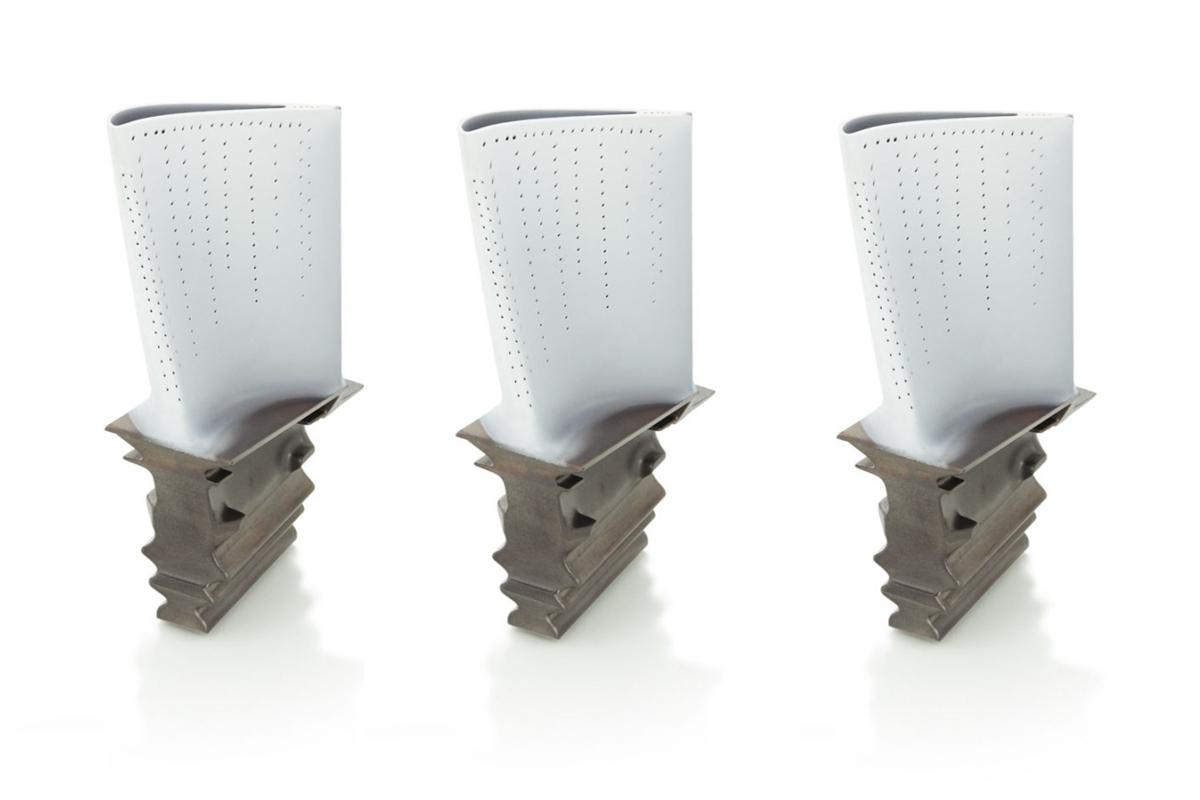
Marine environments present high chloride concentrations, salt spray, and biofouling threats. To prevent corrosion, thermal barrier coating (TBC) systems are applied to superalloy and steel components exposed to thermal cycling, while specialized superalloy welding repairs casting defects and reinforces load-bearing zones. Additional coatings such as anodizing, epoxy primers, or metallic overlays complement these methods for external corrosion protection.
Precision Finishing and Machining
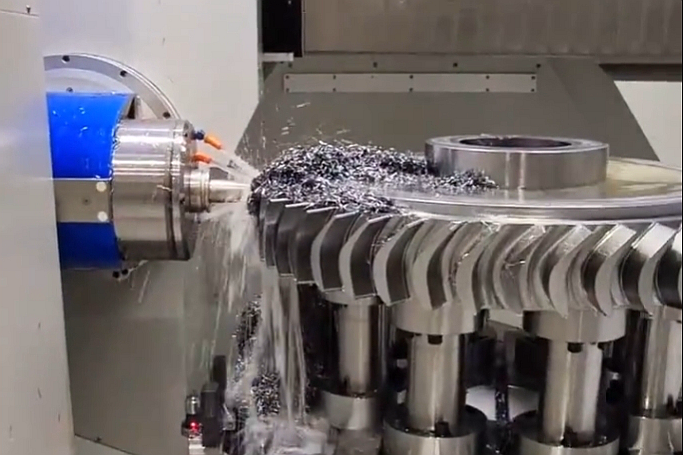
High-precision assembly interfaces, including flanges, bolting surfaces, and bearing housings, require dimensional restoration after casting or coating. Superalloy CNC machining ensures tight tolerances and surface flatness. For internal oil and hydraulic lines, deep hole drilling produces long, straight bores that do not compromise structural integrity. When working with nickel-based or cobalt-based materials, electrical discharge machining (EDM) provides precision trimming of complex features without inducing thermal stress.
Testing, Qualification, and 3D Printing Integration
Before deployment, critical offshore units undergo material testing and analysis, including ultrasonic, radiographic, and metallographic verification. Neway AeroTech also integrates superalloy 3D printing for producing prototype components or low-volume spares, ensuring consistent quality through additive and subtractive hybrid processing.
Material and Industry Applications
Typical materials such as Inconel 625, Hastelloy C-22, Monel 400, Stellite 21, and Ti-6Al-4V deliver excellent corrosion, fatigue, and erosion resistance. These materials have broad applications across offshore oil and gas, marine propulsion, and energy generation platforms, where durability under combined mechanical and environmental loads is crucial.