High-Performance Alloy Units for Offshore Structure Fabrication Plant
An offshore structure alloy-unit RFQ should define the seawater exposure, load path, joining or bolting interfaces, corrosion-control requirement, manufacturing route, and inspection evidence before suppliers quote the project. Offshore units may include brackets, connectors, spacers, valve-support pieces, pump or compressor supports, sensor housings, fixture components, and high-strength alloy inserts used around subsea or marine energy equipment. NewayAeroTech can review custom high-performance alloy units when buyers provide drawings, 3D models, material grade, quantity, service environment, surface finish, and acceptance criteria.
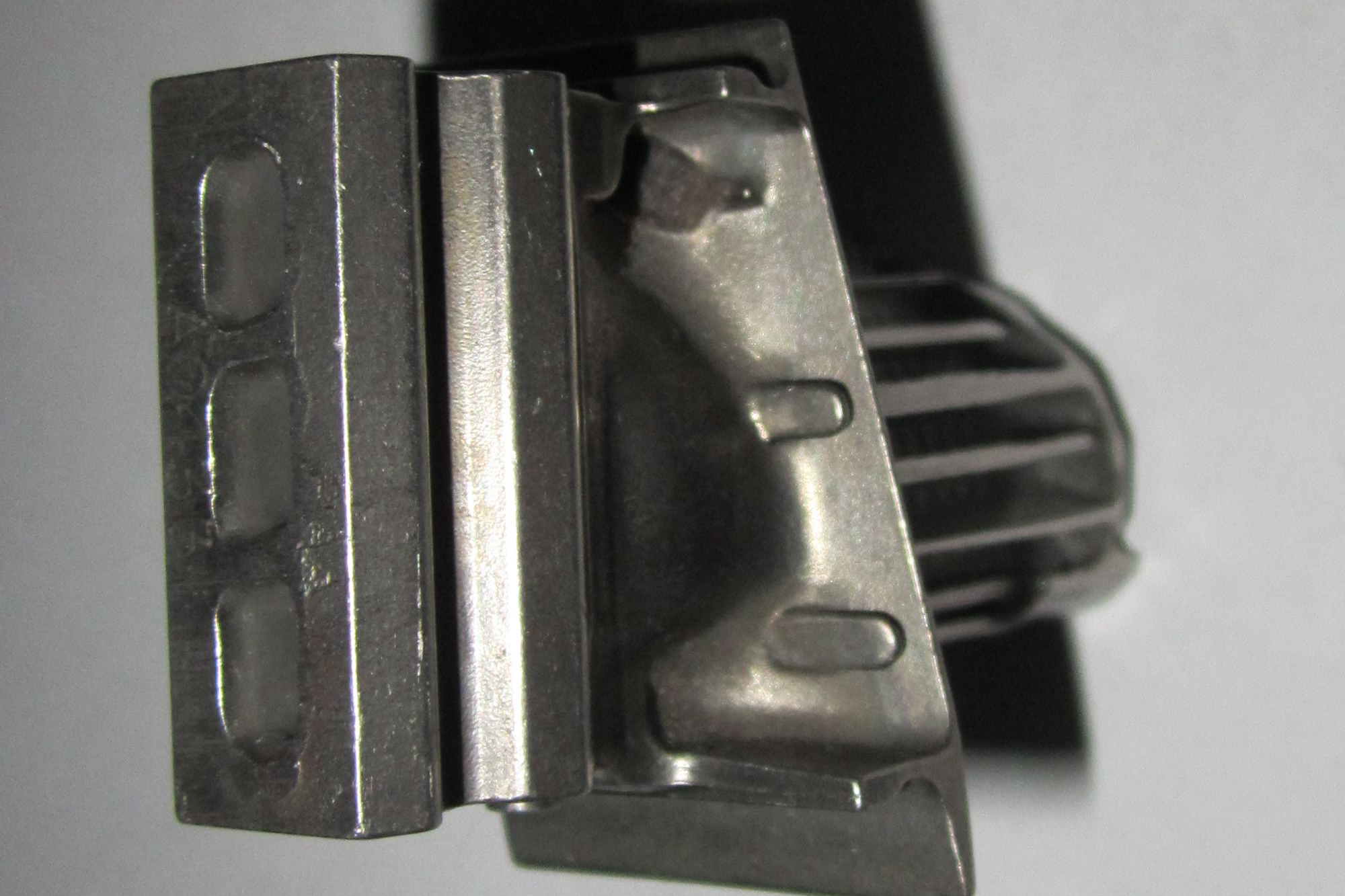
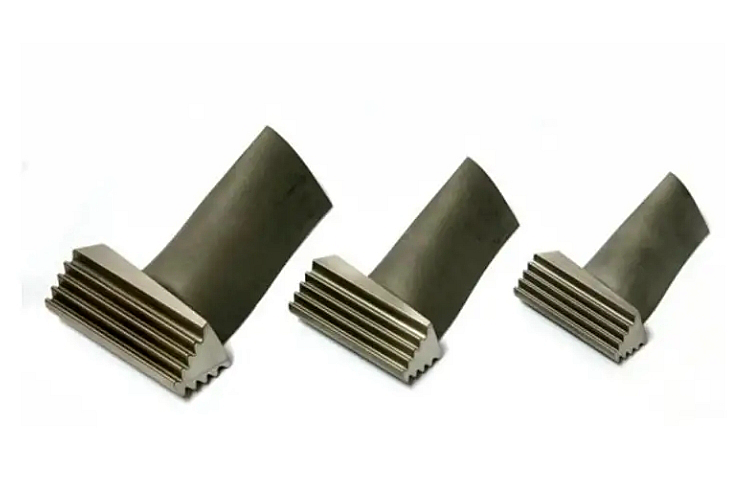
Offshore fabrication plants often need parts that are not standard turbine hardware. The challenge is the combination of corrosion, cyclic load, weld or bolted interface, machining fit, and documentation. A quote should state whether the supplier is providing a cast blank, forged or wrought blank, machined component, prototype, or finished alloy unit with heat treatment, post-processing, and inspection records.
Define Exposure Zone and Structural Responsibility
The buyer should first state where the alloy unit works: submerged, splash-zone, deck-mounted, process-fluid contact, high-temperature auxiliary equipment, or manufacturing fixture. Submerged and splash-zone components need stronger corrosion discussion. Load-bearing connectors need bolt-hole accuracy, contact face control, and fatigue-aware geometry. Support brackets may need weld or assembly clearance. Sensor housings may need sealing surfaces, threads, and bore control.
If the part is copied from an existing offshore unit, service damage must be separated from design intent. Pitting, fretting, coating loss, thread wear, and bent contact faces can explain why the old component failed, but they should not become final geometry without buyer approval. NewayAeroTech can review sample references while the customer controls final drawing authority and application approval.
Offshore unit type | RFQ risk | Manufacturing detail to define |
Connector or spacer | Bolt-hole position, contact face, cyclic load | Material grade, datum scheme, machining stock, and CMM report. |
Valve or pump support | Corrosion, vibration, and assembly fit | Fluid exposure, surface treatment, mounting faces, and inspection plan. |
Sensor or instrument housing | Threads, sealing grooves, bore alignment | CNC route, surface finish, cleaning, and leak-sensitive surfaces. |
Fabrication fixture or insert | Thermal cycle, wear, and repeat handling | Fixture job, contact surface, reuse target, and material condition. |
Select Alloy Grade Around Salt, Load, and Contact Surfaces
Alloy selection for offshore structure units should start from exposure and load. Inconel 625 may be reviewed for corrosion-facing parts. Inconel 718 may be suitable for high-strength machined components where the drawing permits it. Hastelloy grades may be considered for aggressive process-fluid exposure. Stellite or cobalt-based alloys may be reviewed for wear surfaces, seats, or rubbing contact areas. Titanium alloys may fit selected weight-sensitive or corrosion-sensitive projects when specified by the buyer.
NewayAeroTech can support high-performance alloy casting, Inconel alloy components, Hastelloy alloy review, and titanium alloy route review when the project requirements support those options. The buyer should provide an approved material list or define whether equivalent grades may be proposed for engineering review.
Material decision | Typical offshore concern | Buyer input needed |
Nickel corrosion-resistant alloy | Seawater, splash-zone, chemical exposure, and crevice areas | Exact grade, media description, surface finish, and report needs. |
High-strength nickel alloy | Loaded brackets, connectors, shafts, and housings | Heat treatment condition, machined interfaces, and inspection method. |
Titanium alloy | Weight-sensitive or corrosion-sensitive approved designs | Grade, galling control, surface condition, and machining tolerance. |
Wear-resistant alloy | Rubbing, seating, or contact areas | Mating material, finish, hard-facing boundary, and surface inspection. |
Choose Manufacturing Route From Interface Geometry
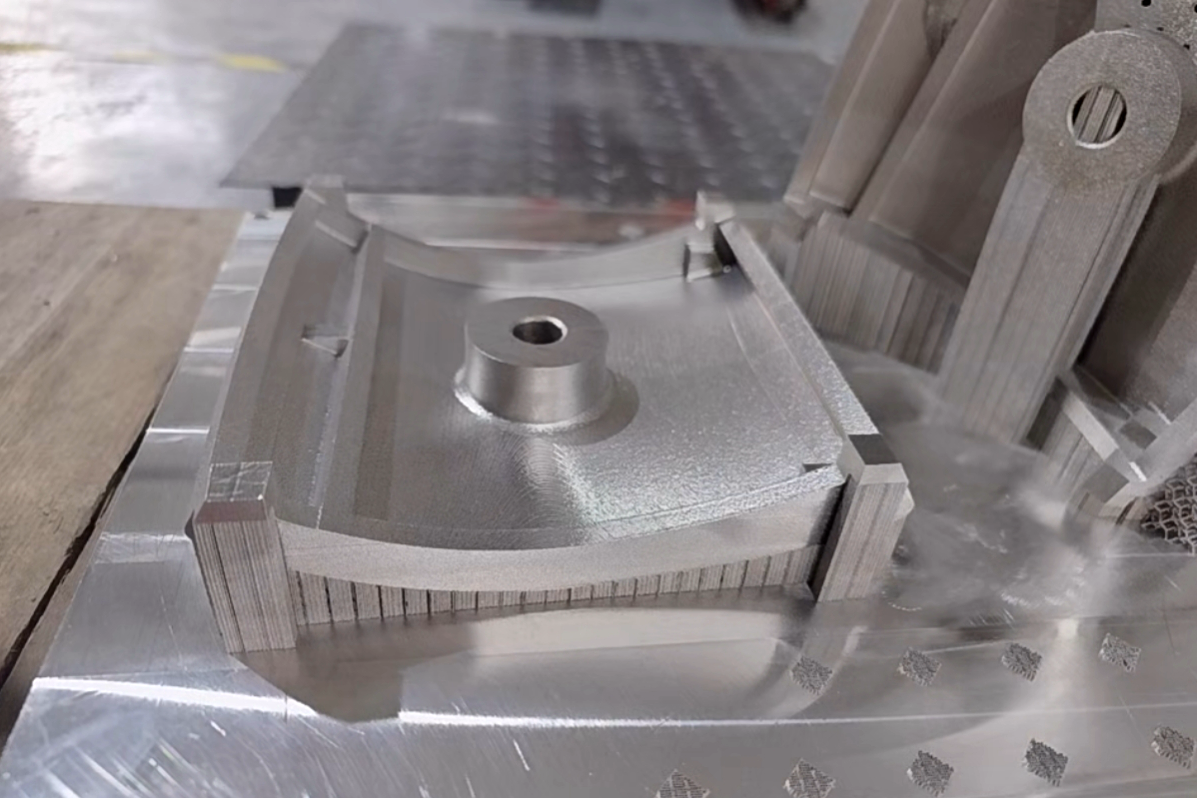
The route should follow the features that control assembly. Vacuum investment casting can be reviewed for complex near-net alloy shapes, integrated bosses, curved supports, and low-to-medium volume components. Superalloy CNC machining may dominate parts with sealing faces, bores, threaded ports, grooves, or tight bolt patterns. Additive manufacturing may help prototype complex housings or fixtures before the production route is released.
Buyers should ask for a route table rather than a one-line part price. A casting quote should state machining allowance, NDT, and final machining scope. A machined-from-stock quote should state raw material condition, heat treatment, fixture strategy, and final inspection. A prototype quote should state whether it is for form-fit review only or for production-intent validation.
Heat Treatment and Post-Processing Should Be Sequenced With Machining
Heat treatment may be required for alloy condition, stress relief, or dimensional stability. HIP may be reviewed for cast alloy units where internal soundness is important. Surface processing may include passivation, cleaning, coating preparation, polishing, or corrosion-control finishing. NewayAeroTech can review superalloy heat treatment, HIP, and post-process scope when the buyer defines the required final condition.
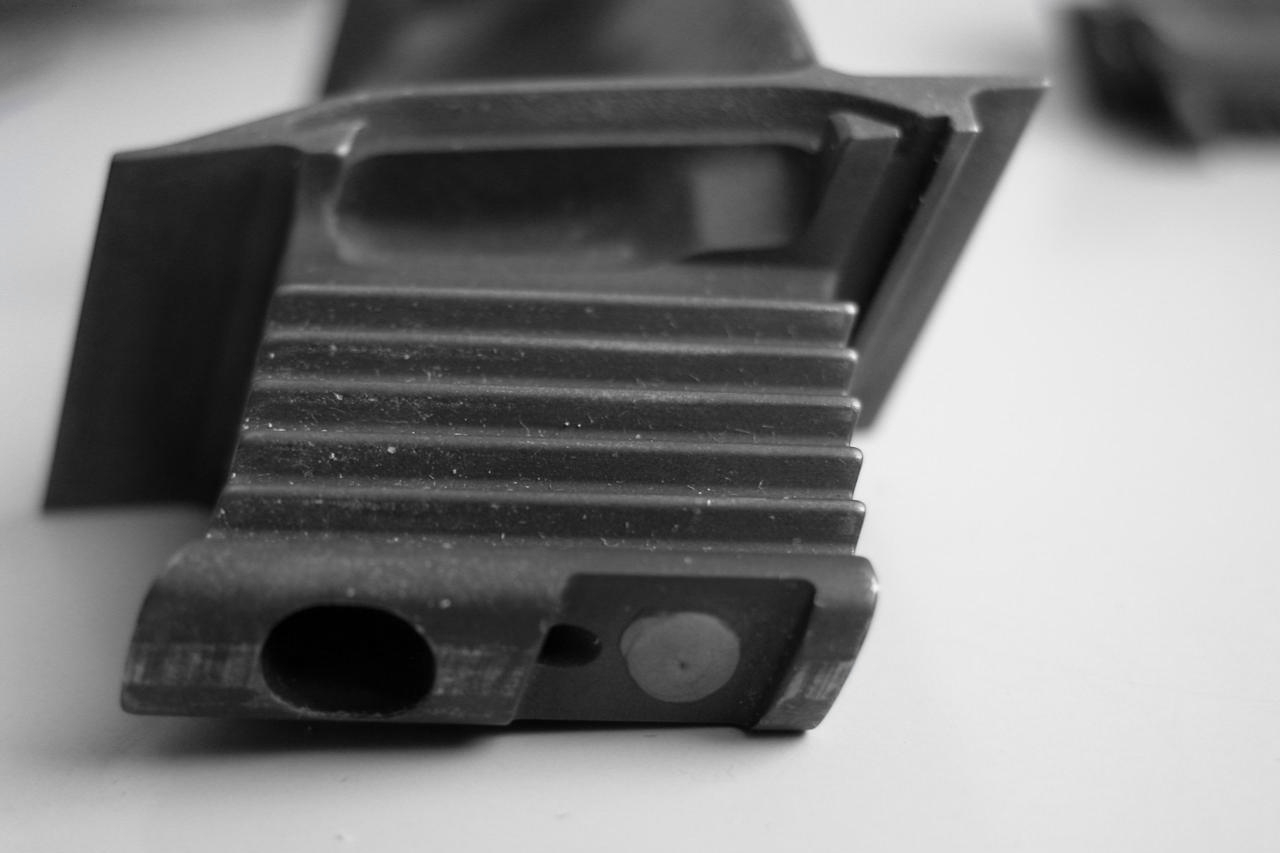
Final machining should be planned after any process that can move the part. Bolt holes, sealing faces, mounting pads, bores, and threads may need final cleanup after heat treatment or coating preparation. If a coating supplier is separate, the RFQ should state whether NewayAeroTech delivers a machined-only component, a coating-ready component, or a finished part with specified surface condition.
Process step | Feature affected | Quote detail to request |
Heat treatment | High-strength brackets, housings, and connectors | Required condition, sequence, and record package. |
HIP review | Cast units with internal soundness risk | Included/excluded status and inspection timing. |
Surface processing | Seawater-facing, fluid-contact, or coated surfaces | Cleaning, passivation, coating-ready finish, and visual acceptance. |
Final machining | Bolt holes, seal faces, bores, and datum pads | CMM report, surface finish, and tolerance confirmation. |
For offshore units with welded assemblies, the RFQ should also define handoff responsibility. NewayAeroTech may supply a machined insert, a connector, a corrosion-resistant housing, or a fixture component, while another shop completes welding or installation. If welding is part of the requested scope, the buyer should provide joint design, access requirements, post-weld treatment expectations, and inspection rules. If welding is excluded, the quote should still define the machined condition delivered to the fabricator.
Inspection Evidence Should Match Corrosion and Assembly Risk
Offshore alloy units need inspection that proves both material condition and assembly fit. Chemical analysis and heat lot traceability confirm the material basis. CMM reports verify bolt patterns, mating faces, bores, and datum surfaces. FPI or DPI may review surface indications when the process or specification requires it. X-ray or CT may be used for complex castings. Hardness, metallography, tensile testing, or corrosion-related documentation may be requested depending on the drawing.
NewayAeroTech can support superalloy material testing and analysis as part of custom supply. Buyers should define the report package before production starts: critical dimensions, inspection sampling, NDT method, material records, surface condition, and packaging needs. This prevents a supplier from delivering a part that looks correct but lacks the evidence required by the fabrication plant.
Corrosion control should be reviewed as a system of alloy, surface finish, cleaning, and packaging. A corrosion-resistant grade can still create problems if machining marks, burrs, embedded contamination, or poor packaging damage the final surface. Buyers should state whether surfaces require polishing, passivation, coating preparation, or controlled packaging before shipment to the fabrication plant.
Prototype and First Article Reduce Offshore Fit Risk
Prototype units are useful when the buyer needs to confirm assembly clearance, bolting, sealing geometry, or replacement fit before committing to a batch. A prototype made by additive manufacturing or simplified machining can support layout review, while production may require casting, forging, or CNC machining from approved stock. The RFQ should state the prototype purpose and whether the production route must match the first article.
First-article review should include dimensional reports, material evidence, surface condition, post-process records, and open deviations. If corrosion-facing surfaces, bolt holes, or sealing interfaces need changes, the buyer should close those decisions before repeating the unit. NewayAeroTech can support low-volume custom manufacturing when the buyer provides clear approval criteria.
Commercial comparison should separate alloy procurement, blank route, machining, heat treatment, post-processing, inspection, and packaging. Offshore projects often carry hidden costs in documentation, corrosion-facing surfaces, and fit verification. Listing those items in the supplier response helps buyers compare finished manufacturing responsibility instead of selecting the lowest incomplete quote.
For first articles, buyers should review the unit together with the mating drawing. Bolt-hole position, contact-face cleanup, coating-ready surfaces, package labeling, and material records should be checked before a batch is released. A small offshore connector can be expensive to rework after shipment if one interface was not included in the supplier inspection scope.
RFQ Checklist for Offshore Alloy Units
Send the 2D drawing, 3D model, material grade, environmental exposure, load or assembly function, quantity, surface finish, heat treatment, coating or passivation requirement, inspection standard, report needs, and sample photos if the part is being replaced. Mark seawater-facing surfaces, bolted interfaces, seal faces, bores, threads, contact pads, and any weld or assembly boundary.
Ask the supplier to return the proposed route, blank source, included operations, post-process scope, inspection deliverables, exclusions, and open engineering questions. NewayAeroTech can review the package and suggest a manufacturing route for custom high-performance alloy units used in offshore structure fabrication plants.
Related FAQs
What are the best superalloys for manufacturing offshore structure units?
How does additive manufacturing contribute to the production of offshore structure units?
What is the importance of heat treatment in offshore structure unit fabrication?
How do quality control methods ensure the reliability of offshore structure units?
What are the main post-processing techniques used for offshore structure units?
For offshore alloy-unit RFQs, define the environment, load path, alloy requirement, joining or machining interfaces, post-process scope, and inspection evidence. NewayAeroTech can support custom high-performance alloy manufacturing based on drawings and buyer-approved requirements.